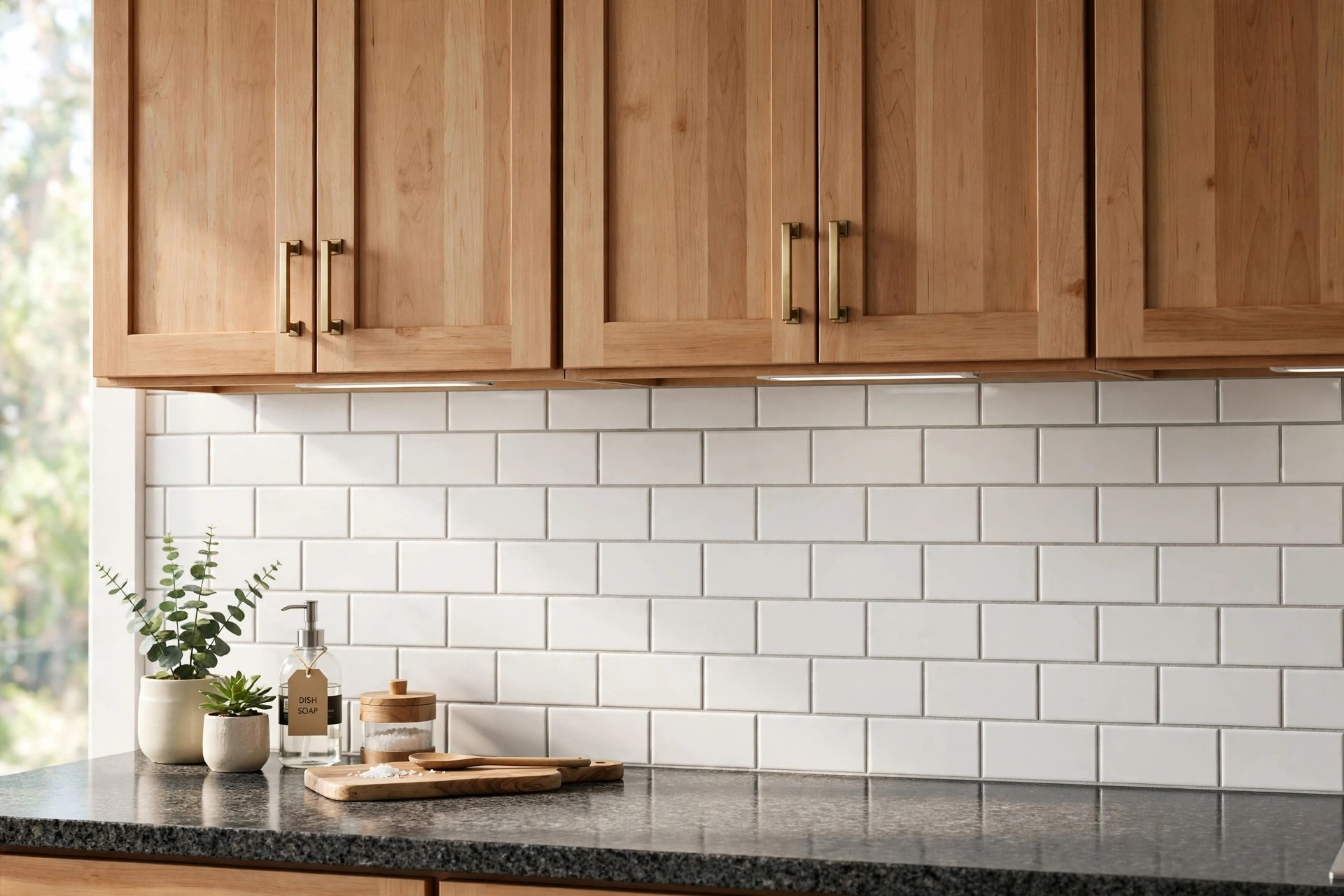

If you are asking about kitchen backsplash tiles where to buy usa, you are in the right place. A backsplash is the wall area between the counter and the upper cabinets. It catches steam, grease, and splashes from the stove and the sink. The right tile keeps the wall safe and easy to clean. It also gives the kitchen a fresh look. Many homeowners ask where to find good tile at a fair price. This guide answers that question. It covers stores, tile shops, and online sellers. It also explains how to choose, what to pay, and how to care for your tile.
Why the Backsplash Matters
The backsplash is a small area. But it does big work. Steam from a boiling pot hits it every day. Grease from a frying pan spatters on it. Water from the sink splashes up against it. Paint cannot stand up to this abuse for long. Tile can.
A good tile backsplash lasts for years. It does not stain like drywall. It does not peel like wallpaper. It wipes clean with a damp cloth. It also guards the wall from water damage. Behind the cabinets, mold can grow if water seeps in. Tile with proper grout stops that from happening.
Looks count too. The backsplash is one of the first things people see in a kitchen. A dated kitchen can look new again with fresh tile. Buyers notice it. A clean, modern backsplash can add value to a home.
Where to Buy Kitchen Backsplash Tiles in the USA: Kitchen Backsplash Tiles Where to Buy Usa
Big Home Improvement Stores
Large home stores are the most common answer to kitchen backsplash tiles where to buy usa. Home Depot carries thousands of tile styles. You can find ceramic subway tile, glass mosaic sheets, and stone looks. Many stores keep popular tiles in stock. You can take them home the same day. Lowe’s offers a similar range. Both chains run sales often. Prices start under two dollars per square foot for basic ceramic.
The main strength of these stores is speed and price. You can see the tile in person. You can touch it and hold it next to your countertop sample. Staff can help with basic questions. They also sell grout, thinset, spacers, and trowels. That means one trip covers the whole job.
The weakness is choice. Big stores carry common styles. They may not have rare colors or handmade looks. If you want something special, you may need to look elsewhere.
Specialty Tile Shops
Local tile shops offer what big stores do not. They carry handmade tile, natural stone, and designer lines. The staff know tile well. They can help you match colors and plan patterns. Many shops let you borrow samples. You can live with a sample for a few days before you buy.
The cost is higher. Handmade and imported tile can run twenty dollars a square foot or more. Lead time can be long too. Special orders may take four to six weeks. But if the look matters most, a tile shop is worth a visit.
Online Tile Sellers
Buying tile online has grown fast. Online sellers show huge catalogs. You can filter by color, size, material, and price. Many sites ship samples for a small fee. Samples arrive in a few days. This helps you judge color under your own kitchen lights.
The risk is color shift. Screens lie. A white tile on a phone screen may look gray in your kitchen. Order samples first. Never order a full job from photos alone. Also check shipping costs. Tile is heavy. Freight can add much to the total.
Kitchen and Bath Showrooms
Kitchen design showrooms sell full remodels. They also sell tile. The tile is often part of a design package. A designer helps you pick tile that fits the cabinets and counters. This route costs more. But the result is planned as a whole. For a full kitchen project, this makes sense.
How to Choose the Right Backsplash Tile
Match Your Countertop
Hold tile samples next to your countertop. The two must work together. A busy granite pairs best with a simple tile. A plain counter can take a bold tile. If you are getting new counters too, read a quartz countertop installation buying guide before you pick tile. Counters last longer than tile trends. Choose the counter first. Then pick tile that suits it.
Pick the Material
Ceramic and porcelain are the most common. They are cheap, tough, and easy to clean. Glass tile shines and looks modern. It costs more and shows smudges. Natural stone such as marble looks rich. It needs sealing and stains more easily. Peel and stick tile is a budget option. It suits renters. It does not last as long as real tile.
Think About Grout
Grout lines collect grease and food bits. Small tiles mean more grout. Large tiles mean less. Light grout shows stains. Dark grout hides them. Many owners pick a mid tone gray. It hides dirt and suits most styles. Epoxy grout resists stains best. It costs more and is harder to install.
Check the Finish
Glossy tile reflects light. It makes a small kitchen feel bigger. It shows fingerprints more. Matte tile hides smudges. It feels softer to the eye. Both work well. The choice is about taste and how much cleaning you want to do.
Types of Backsplash Tile
Subway tile. The classic three by six inch rectangle. It fits almost any kitchen. It is cheap and timeless.
Mosaic sheets. Small pieces mounted on mesh. They come in glass, stone, and mixed blends. They add texture and color. They need more grout work.
Large format tile. Big tiles with few grout lines. They look clean and modern. They are harder to cut around outlets.
Handmade tile. Each piece looks a little different. The surface has charm and depth. It costs more and varies in size.
Metal and tin tile. A retro look. It suits farmhouse kitchens. It can dent and scratch.
For more detail on styles and patterns, see a kitchen backsplash tiles buying guide that covers layout ideas in depth.
Cost and Price
Price depends on material and source. Basic ceramic subway tile costs one to three dollars per square foot at big stores. Mid range glass or stone mosaic costs five to fifteen dollars per square foot. High end handmade or marble tile can cost twenty to fifty dollars per square foot.
A standard backsplash covers about twenty to thirty square feet. So tile alone can cost from fifty dollars to over a thousand. Add grout, thinset, and tools. That adds thirty to one hundred dollars. If you hire a pro, labor adds four hundred to a thousand dollars. A do it yourself job saves that cost.
Always buy ten percent extra. Tiles break. Cuts go wrong. Extra tile from the same batch matches in color. Later batches may differ. That spare box saves trouble if a tile cracks years from now.
Watch for sales. Home Depot and Lowe’s cut tile prices in spring. Tile shops may discount last year lines. Online sellers run holiday deals. Plan ahead and you can save real money.
Care and Upkeep
Tile is easy to care for. Wipe it with a damp cloth after cooking. Grease comes off with warm water and dish soap. Do not use steel wool on glossy tile. It leaves scratches.
Clean grout lines once a month. A soft brush and a mild cleaner work well. Baking soda paste lifts light stains. For deep stains, an oxygen based cleaner helps. Seal natural stone tile once a year. The sealer keeps oil and water out. Porcelain and ceramic need no sealer on the tile face. Their grout still benefits from it.
Fix cracked tiles fast. A crack lets water behind the wall. To replace one tile, chip out the old one. Clean the space. Set the new tile with thinset. Grout the edges. It is a small job. Keep spare tiles so the new one matches.
Safety Tips
Tile work involves sharp edges. Wear work gloves when you cut tile. Wet saws throw water and grit. Wear safety glasses. Thinset and grout make dust. Wear a dust mask. Keep the room vented.
Check wall outlets before you tile around them. Turn off the power at the breaker. Tile and metal tools conduct current. A shock behind a wet wall is a real danger. This Old House has clear guides on safe kitchen work.
If your home is old, the old paint may hold lead. Do not scrape it dry. Test it first. The U.S. Environmental Protection Agency explains lead safe work steps. When in doubt, hire a pro.
Glass tile needs a white thinset. Gray thinset shows through clear glass. It tints the tile gray. This is a common rookie error. Read the tile maker guide before you start.
Frequently Asked Questions
How much tile do I need for a kitchen backsplash? Measure the wall from counter to cabinet. Multiply length by height in feet. A normal kitchen needs twenty to thirty square feet. Add ten percent for waste and cuts. If you have no upper cabinets, the tile may run to the ceiling. That doubles the area.
What is the cheapest place to buy backsplash tile? Big home stores are usually cheapest for basic tile. Home Depot and Lowe’s sell ceramic tile from under two dollars a square foot. Clearance sections can be even cheaper. Compare the price per square foot, not per box. Box sizes differ.
Can I install backsplash tile myself? Yes, in most cases. A straight subway pattern is a good first project. You need a trowel, spacers, a level, and a wet saw or snap cutter. Watch a few how to guides first. Bob Vila and The Spruce both publish step by step tiling guides. Take your time. Let the thinset cure before you grout.
Should the backsplash match the countertop exactly? No. Exact matches look flat. Aim for harmony, not a clone. If the counter is busy, pick a quiet tile. If the counter is plain, the tile can carry the pattern. Bring a sample of your counter when you shop. Natural light changes how colors read.
Is glass tile harder to keep clean than ceramic? A little. Glass shows grease spots and water marks more than matte ceramic. It wipes clean just as easily. The difference is that you see the dirt sooner. Behind a stove, any tile needs a weekly wipe. Glass is no worse. It is no better either.
Do I need to seal my backsplash? It depends on the material. Natural stone needs a sealer. Marble, travertine, and slate stain without one. Ceramic and porcelain do not need tile sealer. But cement grout does. A grout sealer once a year keeps the lines from staining. Epoxy grout needs no sealer at all.
A Short Final Word
The question of kitchen backsplash tiles where to buy usa has many good answers. Big stores win on price and speed. Tile shops win on beauty and advice. Online sellers win on choice. Many owners mix sources. They buy main tile from a big store and accent tile from a shop.
Start with samples. Hold them in your kitchen at different times of day. Think about your countertop, your grout, and your budget. If the whole kitchen is changing, plan the counters and cabinets first. A butcher block countertops for sale search can help if you like warm wood looks.
Do not rush the choice. The tile will be on your wall for a decade or more. A careful pick now saves regret later. And when the last tile is set and the grout is dry, you will have a kitchen wall that works hard and looks good doing it.
Buying guides are also published by Consumer Reports and Whirlpool.
References
Bob Vila. (n.d.). Home improvement advice. https://www.bobvila.com Consumer Reports. (n.d.). Product reviews and ratings. https://www.consumerreports.org Lowe’s. (n.d.). Home improvement products. https://www.lowes.com The Home Depot. (n.d.). Home improvement products. https://www.homedepot.com The Spruce. (n.d.). Home and garden advice. https://www.thespruce.com This Old House. (n.d.). Home renovation guidance. https://www.thisoldhouse.com U.S. Environmental Protection Agency. (n.d.). Protecting human health and the environment. https://www.epa.gov Whirlpool. (n.d.). Home appliances. https://www.whirlpool.com
Was this guide helpful?

About Michael Thompson
The My Garden US editorial team writes practical, in-depth home and garden guides for American homeowners — tested advice, no fluff.
You May Also Like
Dual Fuel Ranges for California Homes USA: A Practical Buyer’s Guide
July 9, 2026 0 views
Kitchen Pantry Cabinets Buying Guide USA: A Plain Guide for Shoppers
April 15, 2026 0 views
Kitchen Island Seating for California Homes
February 1, 2026 0 views