
A bath can be more than a quick wash. It can be a quiet hour at the end of a long day. More and more American homes now hold a deep tub that stands alone in the room. Shoppers hunting for freestanding soaking tubs usa online deals want comfort, but they also want a fair price. This guide keeps things plain. It shows what these tubs are, what to look for, what they cost, and how to care for them. It also shows where safe deals come from and how to avoid a bad buy.
Why They Matter
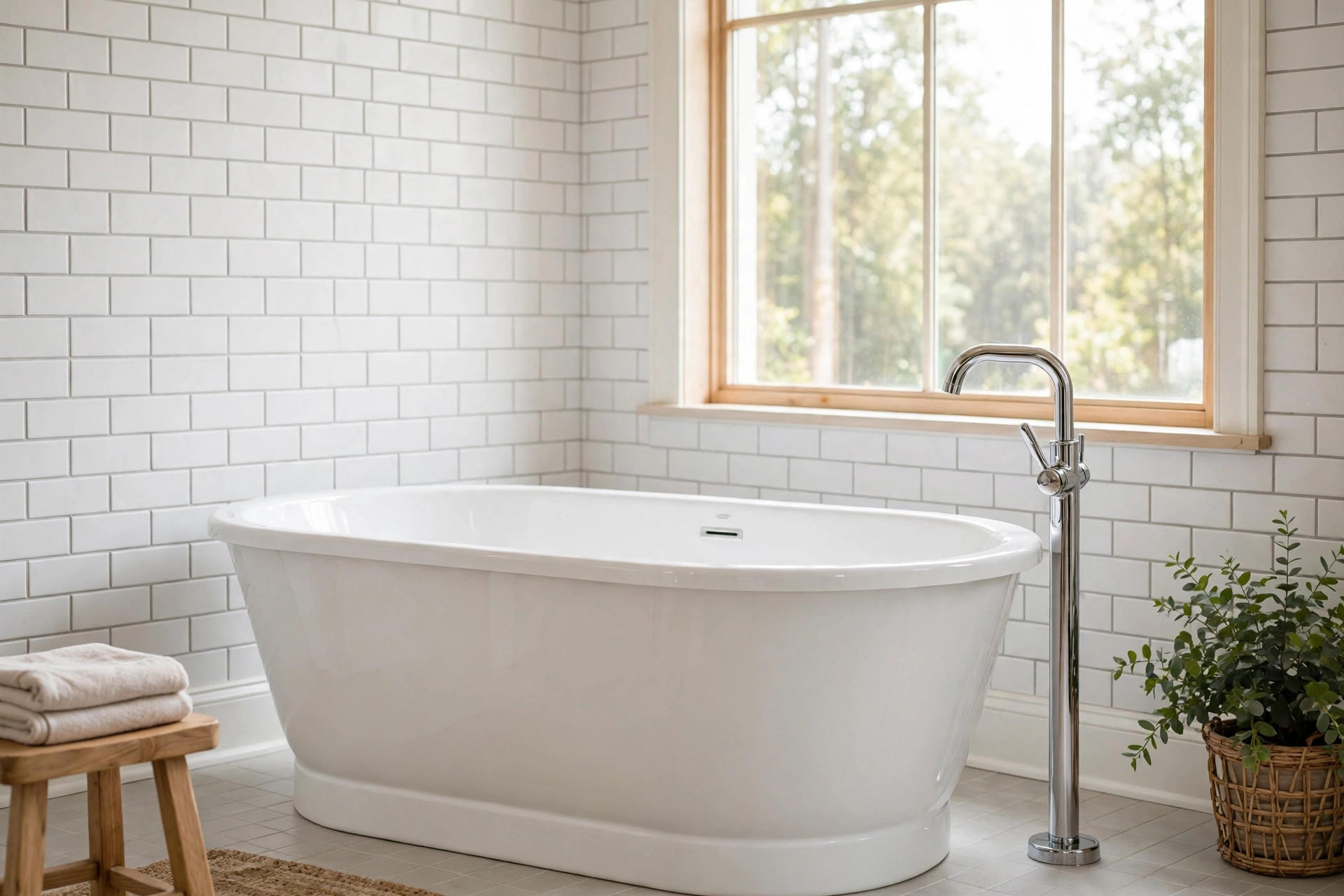
A soaking tub is deeper than a standard bath. It lets a bather sit with water up to the shoulders. That is the point of the word “soaking.” A freestanding model does not touch the walls. It sits on its own feet or on a flat base. It becomes the center of the room.
Many owners say the tub changed how they feel about their bathroom. The room looks larger and calmer. A tall man or a tall woman finds the extra depth a relief. Older buyers like the wide edge, which gives a handhold when they rise. A couple planning a remodel often puts the tub first and builds the rest of the room around it.
Health talk is modest and honest. A long warm soak can ease tired muscles. It can help a person wind down before sleep. Doctors do not claim it cures disease. It is simply a good habit for rest. Writers at This Old House have long noted that a well-placed tub can raise the comfort of a whole house, much as a good porch raises the comfort of a yard.
There is also the question of home value. A bathroom that looks cared for helps a sale. A striking tub gives buyers something to remember. Real estate writers at HGTV often list the master bath among the rooms that shape first impressions. A freestanding tub will not carry a whole sale by itself. But in a sound house with a fair price, it can tip a buyer toward yes.
What to Look For: Freestanding Soaking Tubs Usa Online Deals
A good deal starts with knowing what matters. Price alone can mislead. A cheap tub that does not fit the door, or that cools fast, is no bargain.
Size and Shape
Soaking tubs come in many lengths. Most run from 60 to 72 inches long. A tub of 66 inches suits most adults. Shorter tubs save water and fit small rooms. Longer tubs suit tall bathers but need more floor space.
Measure twice before you order. Measure the bathroom door. Measure the hall. A tub must pass through both. Many online buyers forget this step and learn it on delivery day. Also check the floor. A filled tub can weigh 600 to 900 pounds. Most sound wood floors hold it, but a second-story bath may need a check by a builder.
Shape matters too. Oval tubs look soft and classic. Rectangular tubs look modern and hold more water at the ends. Corner tubs fit tight rooms. Some tubs slope at one end for the back, while both ends slope in a double-ended tub. A double-ended tub lets two people face each other, or one person choose either end.
Material
Acrylic is the most common material in online deals. It is light, warm to the touch, and easy to repair. Good acrylic holds heat well. Thin acrylic can flex and feel cheap. Look for sheets at least a quarter inch thick, or a tub with a solid shell under the acrylic.
Cast iron with enamel is the old standard. It holds heat the longest and lasts for decades. It is very heavy. A cast-iron tub may weigh twice as much as acrylic when filled. Delivery and set-up cost more.
Solid surface tubs look like stone and feel smooth. They hold heat well and resist stains. They cost more than acrylic. Copper tubs are rare and dear. They keep water warm and grow a fine patina with age. The Spruce home site keeps a running record of these materials and their trade-offs for American buyers.
Drain, Faucet, and Fit
A freestanding tub needs a freestanding faucet or a wall-mounted spout. The faucet must clear the tub rim by several inches. Many tubs drill no faucet holes at all, so the spout stands on the floor beside the tub. Check that the faucet you buy matches the tub in height and reach.
The drain position matters. A center drain works for most layouts. An end drain suits tubs placed against a wall. Make sure the drain parts come with the tub. Some low-price deals leave out the drain and the overflow. That can add a hundred dollars or more.
Finally, look at the tub feet. Claw feet give an old-style look and lift the tub for easy cleaning under it. A flat base or plinth looks modern and hides the pipes. Either is fine. Pick the one that suits the room.
Readers comparing tubs with showers may also want our walk-in shower kits buying guide, which covers the other main choice for a new bath.
Types and Options
Soaking tubs fall into a few clear types.
Single-sloped tubs have a raised back at one end. They are the most common and often the least costly. Double-ended tubs slope at both ends. They cost a bit more but give more room to stretch.
Japanese-style tubs, sometimes called ofuro tubs, are deep and short. They are made for sitting upright in hot water. They use less floor space and less water. They suit small baths and city apartments.
Air tubs and whirlpool tubs add jets. Air tubs blow warm air through small holes. Whirlpool tubs push water through larger jets. Both cost more and need more care. A plain soaking tub is simpler and often the better deal for most homes.
Extras to weigh include a built-in overflow, a pop-up drain, and a matching waste kit. Some tubs come with a headrest or a small tray. These extras are nice but not needed. The tub itself, the drain, and the faucet are the core of the deal.
Brand name tubs from makers like Kohler and American Standard often carry long warranties. Lesser-known brands sold online can still be good. Check the warranty length and what it covers. A five-year warranty on the shell is a sound sign.
Cost and Price
Prices move in wide ranges. A plain acrylic freestanding tub may run from 700 to 1,500 dollars. A mid-range tub with good shell and finish may run from 1,500 to 3,000 dollars. Cast-iron and solid-surface tubs often run from 2,500 to 6,000 dollars. Copper and stone can run higher still.
The faucet adds 200 to 800 dollars. Delivery adds 100 to 400 dollars, since tubs are large and heavy. A plumber may charge 300 to 800 dollars to set the tub and tie in the drain. Add these sums before you judge a deal. A tub priced 200 dollars lower can still cost more at the end if the extras run high.
Where do fair deals come from? Large stores such as Home Depot and Lowes run sales around holidays. Memorial Day, Labor Day, and the days after Christmas often bring deep cuts. Online-only sellers cut overhead and pass some of that to the buyer. Open-box and floor-model tubs can save a third, though choice is thin.
Watch for false deals. A price cut from a made-up list price is not a deal. Compare the final price, with tax and freight, across three sellers. Read the return terms. A tub that cannot be returned is a risk. Good sellers give at least 30 days and clear steps for a damaged arrival.
Financing is common. Many stores offer monthly plans. Read the interest rate. A “no interest” plan that turns into high interest after twelve months can spoil the savings. Pay in full when you can.
Faucet makers such as Moen and Delta Faucet sell matching floor-mount fillers, and buying the filler in the same sale as the tub can trim the total. Writers at Bob Vila remind buyers to price the whole project, not just the tub, before they sign.
Shoppers who want a broader view of tub choices can read our freestanding soaking tubs buying guide before they compare prices.
Care and Upkeep
A soaking tub is easy to keep if you form simple habits. Rinse the tub after each use. Wipe the waterline with a soft cloth. This stops soap scum from hardening.
Use mild soap or a cleaner made for the tub material. Acrylic scratches under harsh powder cleansers. Never use steel wool. Never use bleach in strong form on colored finishes. A paste of baking soda and water lifts most stains with a soft sponge.
Hard water leaves white scale. A mix of white vinegar and water, left for a few minutes and then rinsed, clears most of it. Do not let vinegar sit long on stone or copper finishes. Check the maker sheet first.
Keep the drain clear. Pull hair from the drain after each bath. Once a month, flush the drain with hot water and a spoon of baking soda, then more hot water. This keeps flow strong and stops odors.
Once a year, check the caulk where the tub meets the floor. Cracked caulk lets water creep under the tub. A fresh bead of bathroom caulk costs little and stops damage. Also check the faucet base for drips. A slow drip can stain the tub and waste water.
If the finish chips, small repair kits exist for acrylic and enamel. Deep cracks or a soft spot in the shell call for a pro. With fair care, a good tub serves twenty years or more.
Safety
A deep tub holds a lot of water. Treat it with respect.
Hot water is the first care. Keep the heater at 120 degrees or below. Water above 130 degrees can scald in seconds. Test the water with your hand before you step in. Older people and small children feel heat more keenly and need extra care.
The floor will get wet. Use a bath mat with a rubber back. Wipe splashes off tile at once. Wet tile is slick and falls hurt.
Getting in and out deserves thought. A tub wall of 24 inches is a high step for short or stiff legs. A grab bar on the wall near the tub gives a firm hand. Freestanding fillers can wobble if leaned on, so do not use the faucet as a handle.
Never leave a small child alone in a filled tub. Not for a minute. Drain the tub when the bath is done if children live in the house. Keep the bathroom door closed or latched for toddlers.
A tub full of water is heavy. If the floor creaks or sags, stop using the tub and call a builder. This is rare, but it matters.
FAQ
How much does a good freestanding soaking tub cost in the USA?
A sound acrylic tub with a good shell often costs 1,000 to 2,500 dollars before the faucet and set-up. Cast iron and solid surface cost more. Add 500 to 1,500 dollars for the faucet, delivery, and a plumber. Judge deals on the full sum, not the tub price alone.
Can I install a freestanding tub myself?
A handy owner can set a light acrylic tub on a ground floor. The drain tie-in still needs care. Most buyers hire a plumber. A pro sets the tub level, seals the drain, and checks for leaks. The cost is fair pay for peace of mind.
Do soaking tubs use more water than showers?
Yes, as a rule. A deep soak may use 60 to 80 gallons. A ten-minute shower with a standard head uses about 25 gallons. Low-flow heads cut that to near 20. If water bills run high in your town, a Japanese-style deep tub can give a full soak with less water.
Will a freestanding tub work in a small bathroom?
It can, if you measure well. Short tubs of 55 to 60 inches fit many small baths. Leave room to walk around at least two sides. A tub jammed tight to the walls loses its look and is hard to clean behind. Our rain shower heads buying guide covers a space-saving shower upgrade that pairs well with a small tub.
Are online tub deals safe?
Many are. Buy from sellers with clear return terms, a real address, and a phone line. Read buyer reviews, but look for detail, not just stars. Pay with a credit card for buyer cover. Refuse a freight delivery if the box is crushed or the tub shows damage through the wrap.
What warranty should I expect?
Look for at least five years on the shell and one year on parts. Name brands often give more. Keep the receipt and the warranty card. A deal with no warranty is not a deal at all.
A Final Word
A freestanding soaking tub is a simple pleasure. It asks for care in choosing and care in keeping. Measure the room. Pick a sound material. Price the whole job, tub to plumber. Then watch the sales and buy with a clear head. The right tub at a fair online price will pay you back in quiet evenings for many years.
References
American Standard. (n.d.). Bathroom and kitchen products. https://www.americanstandard.com Bob Vila. (n.d.). Home improvement advice. https://www.bobvila.com Delta Faucet. (n.d.). Kitchen and bathroom faucets. https://www.deltafaucet.com HGTV. (n.d.). Home and garden ideas. https://www.hgtv.com Kohler. (n.d.). Bathroom and kitchen fixtures. https://www.kohler.com Lowe’s. (n.d.). Home improvement products. https://www.lowes.com Moen. (n.d.). Faucets and plumbing fixtures. https://www.moen.com The Home Depot. (n.d.). Home improvement products. https://www.homedepot.com The Spruce. (n.d.). Home and garden advice. https://www.thespruce.com This Old House. (n.d.). Home renovation guidance. https://www.thisoldhouse.com
Was this guide helpful?

About Sarah Mitchell
The My Garden US editorial team writes practical, in-depth home and garden guides for American homeowners — tested advice, no fluff.
You May Also Like

Bathroom Sink Vanities for Florida Homes
August 16, 2026 0 views
Bathroom Linen Cabinets for Florida Homes: Storage That Fights Humidity
February 7, 2026 0 views
Double Sink Vanities Reviews Buying Guide USA
October 3, 2026 0 views