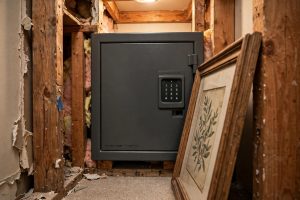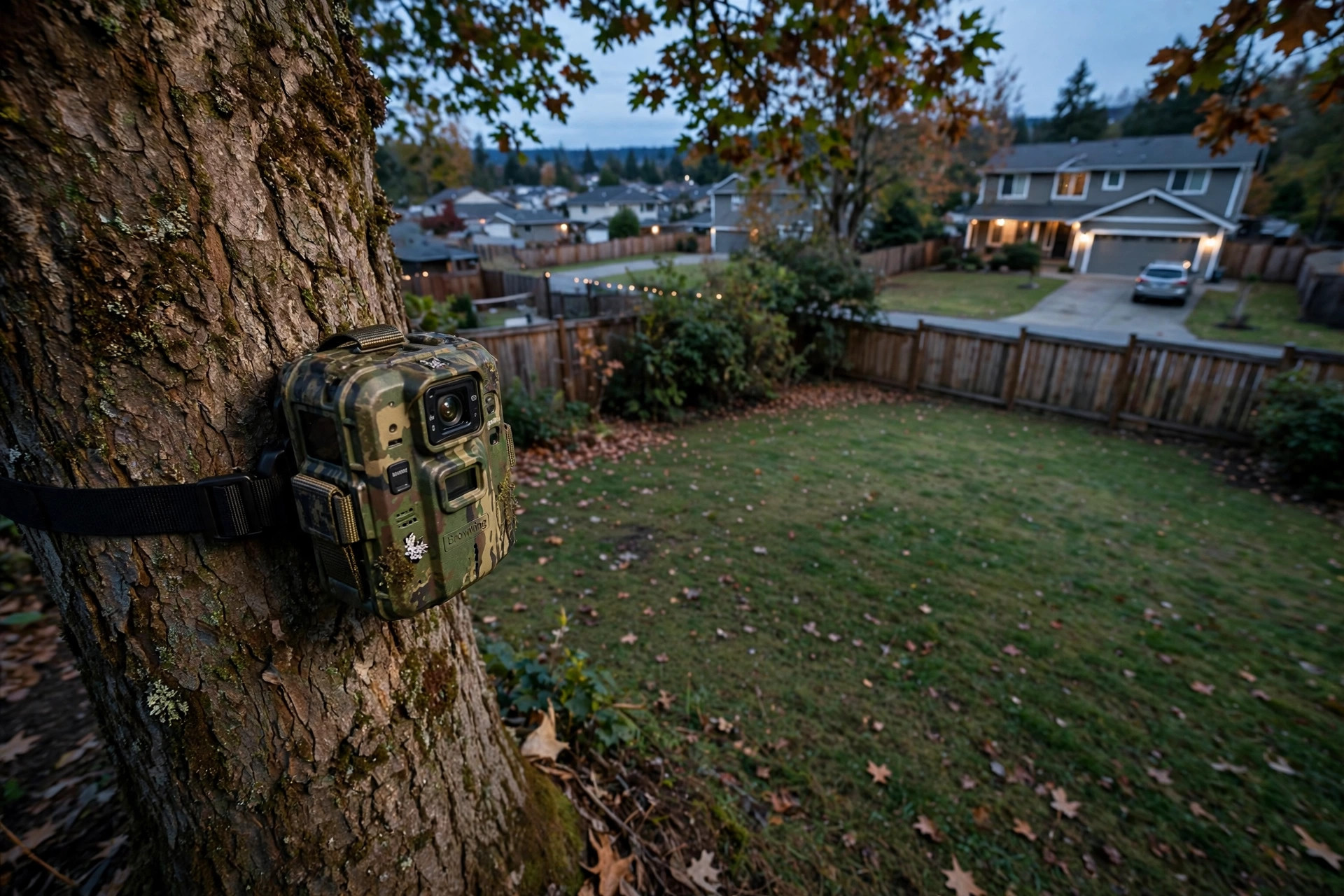

A trail camera is a small box with a lens, a motion sensor, and a flash. Hunters use them in the woods. But more and more people in the USA now use the best trail camera for home security instead of a wired camera system. It mounts to a tree or a post. It needs no wires. It runs on batteries for months. When something moves in front of it, it takes a photo or a short video.
This guide explains why a trail camera can work for home security, what to look for when you shop, the main types on the market, what they cost, how to care for them, and how to stay safe and legal. The words are plain, and the facts are what matter.
Why a Trail Camera Matters for Home Security
A normal security camera needs power and often needs Wi-Fi. That works fine at the front door. But many homes have blind spots. A long driveway. A back fence line. A shed at the edge of the yard. Running power and cable out there is hard and costly.
The best trail camera for home security usa fills this gap. It runs on AA batteries or a small solar panel. It stores photos on a memory card inside the camera. Many new models send photos to your phone through a cell signal, so you get alerts in near real time. You can watch the gate, the garden, or the parked car without digging a trench for wire.
There is another reason people like them. A trail camera is small and easy to hide. A plain camera on a wall can be seen and avoided. A trail camera tucked into a tree line still sees everything. Police in many towns say photos of cars and faces help them solve cases. A trail camera gives you those photos.
What to Look for When You Choose One: Best Trail Camera for Home Security Usa
Not all trail cameras suit a home. A camera made only for deer in the woods may miss a fast car. Keep these points in mind.
Detection speed. This is the time between motion and the first photo. For home use, pick 0.4 seconds or faster. A slow camera may catch only the back of a truck.
Night range. Most break-ins happen at night. A good night flash reaches 80 feet or more. Invisible infrared flash is best, since it makes no red glow that a thief can spot.
Resolution. Ten to twenty megapixels is enough for a still photo. For video, look for 1080p. Higher numbers sound good, but a sharp lens matters more than a big number.
Cell connection. A cellular trail camera sends photos to your phone or email. This is the most useful feature for home security. You will pay a small monthly plan, often three to fifteen dollars. If you do not want a plan, pick a camera with a memory card only, and check the card each week.
Battery life. Look for a camera that lasts three to six months on one set of lithium batteries. Models with solar panels can run even longer. The best solar security camera reviews 2026 usa list shows similar power ideas for yard cameras.
Memory and storage. A 32 GB card holds thousands of photos. Some cameras take larger cards. Cellular models often keep copies in the cloud too.
Build quality. The camera will sit outside in rain, snow, and heat. Look for a weatherproof rating of IP65 or better and a case that locks shut. A steel lock box keeps the camera from being stolen.
Types of Trail Cameras for Home Use
There are three main types. Each fits a different need.
Standard flash cameras. These use a white flash at night. Photos are in full color, which helps police read a license plate. The flash is bright, so people will know the camera is there. Some owners like that, since the flash scares off trouble.
Infrared cameras. These use infrared light you cannot see. Night photos come out in black and white. They are the most common choice for hidden home security. The best trail camera for home security in the usa is usually this type.
Cellular cameras. These send photos and video to your phone through the mobile network. They cost more up front and need a data plan. But they are the only type that alerts you the moment something moves. For a vacation home or a farm, this is the top pick.
Some cameras mix these traits. A cellular camera with invisible infrared is the best all-round choice for most houses.
Cost and Price
Prices are wide. A basic non-cellular trail camera costs forty to ninety dollars. It takes photos to a memory card, and you check the card by hand. This is fine for a shed or a side yard.
A cellular trail camera costs one hundred to three hundred dollars. Add a data plan of five to fifteen dollars a month. Some brands sell yearly plans that cost less per month. Watch for the total first-year cost, not just the camera price.
Extras add up too. A steel lock box is twenty to forty dollars. A solar panel is thirty to sixty dollars. A 32 GB memory card is about ten dollars. Lithium AA batteries cost more than alkaline, but they last far longer in cold weather, so they are worth it.
Set a budget before you shop. For most homes, one cellular camera at the driveway plus one basic camera at the back fence is a smart start.
Setting It Up at Home
Place the camera nine to ten feet high, aimed slightly down. This height catches faces and plates while staying out of easy reach. Point it north if you can, so the rising and setting sun does not blind the sensor.
Do not aim the camera at a busy road. Passing cars will fill the memory card and drain the battery. Aim it at your own driveway, gate, or door instead. Keep branches and tall grass out of the frame, since wind moves them and causes false alarms.
Test the spot before you mount the camera for good. Walk through the area and check that you get a photo each time. Move the camera closer if photos come late. A motion sensor flood light near the camera can add light and scare off strangers at the same time.
Care and Upkeep
A trail camera needs little care, but small steps keep it working.
Check the batteries every two to three months. Lithium batteries last longest. In cold states, change them before winter.
Wipe the lens and the motion sensor with a soft dry cloth each time you check the card. Dust and spider webs cause blurry photos and false triggers.
Format the memory card in the camera, not in a computer. This cuts down on card errors. Keep a spare card so you can swap in seconds.
Update the camera software when the maker offers it. Updates fix bugs and improve night photos. If you use a cellular model, check the signal strength in the app. A weak signal delays alerts.
In storm season, make sure the mount is tight and the case seal is clean. Water inside the case is the most common cause of failure.
Safety and the Law
A trail camera is legal in most places in the USA when it watches your own property. But there are rules to respect.
Never aim a camera into a neighbor’s window or a place where people expect privacy, like a bathroom. Aim only at your own yard, driveway, and doors. Some states have laws about recording sound, so turn off audio recording if you are not sure of your state law.
Post a small sign if you like. A sign that says the area is under video watch can stop trouble before it starts. It also shows good faith if a neighbor asks questions.
Keep your photos safe. If your camera sends photos to an app, use a strong password on the account. Delete old photos you do not need. If the camera catches a crime, save the files and give copies to the police. Do not post clear photos of strangers online before the police have seen them.
For safety advice on home devices, the federal product safety agency posts plain guidance at the U.S. Consumer Product Safety Commission. Big retailers like Home Depot also list mounting gear that fits most cameras. For news and reviews of security gear, many readers trust CNET and PCMag. Alarm system makers such as SimpliSafe and ADT explain how cameras fit a full home plan. Doorbell camera makers like Ring show how trail cameras can work next to a door camera. Smart home platforms such as Google Store list devices that pair with phones. For lab-tested ratings, Consumer Reports is a known name. Tech news at The Verge covers new camera features as they come out.
If you want a camera with no monthly fee at all, read about the best outdoor security camera without wifi subscription as well.
FAQ
Can a trail camera really replace a home security camera? For far spots like gates, barns, and back fences, yes. A cellular trail camera alerts your phone just like a smart camera. For the front door, a doorbell camera is still easier to use for two-way talk.
How far can a trail camera see at night? Most good models see 80 to 100 feet in the dark with infrared. White flash models reach a bit less. Trees and rain cut the range, so mount the camera close to the spot you want to watch.
Do I need Wi-Fi for a trail camera? No. Standard models need no Wi-Fi at all. Cellular models use the mobile network instead. This is why they work at cabins, farms, and gates far from the house.
Will a trail camera work in winter? Yes, if you use lithium batteries. They work down to very low temperatures. Alkaline batteries die fast in the cold. A solar panel helps in sunny winter states.
How do I stop false alarms from animals? Aim the camera higher and point it at paths people use, not at bushes. Set the sensor to medium, not high. Some apps let you draw zones so only part of the frame triggers an alert.
Is it legal to put a trail camera facing the street? Laws differ by state and town. In general, filming your own driveway is fine. Filming a public street from your yard is often allowed, but pointing at a neighbor’s home is not. Check local rules if you are unsure.
A Short Final Word
The best trail camera for home security usa is the one that fits your land, your budget, and your need for alerts. A basic model guards a shed. A cellular model with invisible infrared guards a whole yard and tells your phone when something moves. Mount it high, aim it well, feed it good batteries, and check it on a schedule. Do that, and a small box on a tree becomes one of the hardest-working guards your home can have.
References
ADT. (n.d.). Home security and automation. https://www.adt.com CNET. (n.d.). Technology news and reviews. https://www.cnet.com Consumer Reports. (n.d.). Product reviews and ratings. https://www.consumerreports.org Google Store. (n.d.). Smart home devices. https://store.google.com PCMag. (n.d.). Technology product reviews. https://www.pcmag.com Ring. (n.d.). Smart home security devices. https://www.ring.com SimpliSafe. (n.d.). Home security systems. https://www.simplisafe.com The Home Depot. (n.d.). Home improvement products. https://www.homedepot.com The Verge. (n.d.). Technology news and reviews. https://www.theverge.com U.S. Consumer Product Safety Commission. (n.d.). Product safety information. https://www.cpsc.gov
Was this guide helpful?

About Emily Rodriguez
The My Garden US editorial team writes practical, in-depth home and garden guides for American homeowners — tested advice, no fluff.
You May Also Like
Solar Generator for Home Backup Reviews USA: A Complete Guide
January 21, 2026 0 views
Basement Window Security Bars Reviews USA: A Plain Buyer’s Guide
January 14, 2026 0 views
Smart Landscape Lighting Kit Reviews USA: A Buyer’s Guide
January 21, 2026 0 views