
Introduction
The best grill smoker combo for beginners is the one you will actually use. It should be simple to light, easy to control, and steady at low heat. Many new buyers worry that a two-in-one cooker will be too hard to run. The truth is that a good combo unit can make first cooks easier, not harder. It gives you one machine for hot and fast grilling and for low and slow smoking. You save space on the patio. You save money over two units. You also learn the basics of fire and air flow on one machine, which helps every cook after.
This guide walks through the choice step by step. It covers what matters in a combo, the main types, what they cost, how to care for one, and how to stay safe. By the end you will know what to look for and what to avoid. If you are new to backyard cooking, this is a good place to start.
Why It Matters: Best Grill Smoker Combo for Beginners
Buying the wrong cooker is a common first mistake. A beginner buys a big cheap offset and fights flare-ups all summer. Or he buys a tiny grill and cannot smoke a rack of ribs. A combo fixes both problems at once. One unit grills steaks over direct heat. The same unit smokes brisket with indirect heat. That range matters for a beginner because you can try many styles of cooking without buying more gear.
The best grill smoker combo for beginners also teaches control. Smoking meat is mostly about holding one temperature for many hours. A well built combo with good seals and clear vents makes that job simpler. A leaky thin box makes it hard. Your first year is about learning. A forgiving machine gives you room to make small mistakes and still eat well.
Space is another reason. Many homes have a small patio or deck. Two large cookers crowd the space. One combo sits in the corner and does both jobs. For renters and small yards, that alone can settle the choice.
What to Look For
Start with build quality. Heavy gauge steel holds heat better than thin metal. It also resists rust and dents. Look for tight doors and thick gaskets. Close the lid in the store. It should close firm and even. Light it and watch for smoke leaks. Some smoke at the stack is normal. Smoke pouring out of the door seal is a bad sign.
Size comes next. Check the square inches of cooking space. A beginner does not need a monster. About 500 to 700 square inches handles most family cooks. That is enough for two chickens, a pork butt, or four racks of ribs. Bigger units burn more fuel and take longer to learn.
Heat control is the heart of the choice. You want a damper on the firebox and one on the stack. They should move with one hand and stay where you set them. Some combos come with a built in thermometer on the lid. Many of those read high by twenty or thirty degrees. Plan to buy a cheap digital probe and clip it to the grate. Trust the grate, not the lid.
Fuel type shapes the learning curve. Charcoal combos give the classic smoke flavor and cost less. They ask more of you at the start. Gas and pellet combos cost more but hold heat with less work. Many beginners start with charcoal because the price is low and the flavor is real. If easy matters more to you, look at pellet units that feed themselves from a hopper.
Ease of cleaning matters more than most reviews say. Ash must come out fast or it chokes the fire. Look for a removable ash pan or an easy pull-out drawer. Grease should drain to a cup you can pull out. If cleaning takes twenty minutes after every cook, you will cook less.
Portability is worth a check too. Wheels and a strong handle help you move the unit for storage or weather. Some models fold the legs for transport, which helps tailgating fans and renters. Make sure the lock pins hold firm before you trust them.
Types and Options
There are four common designs. Each has a clear trade.
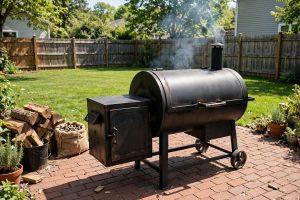
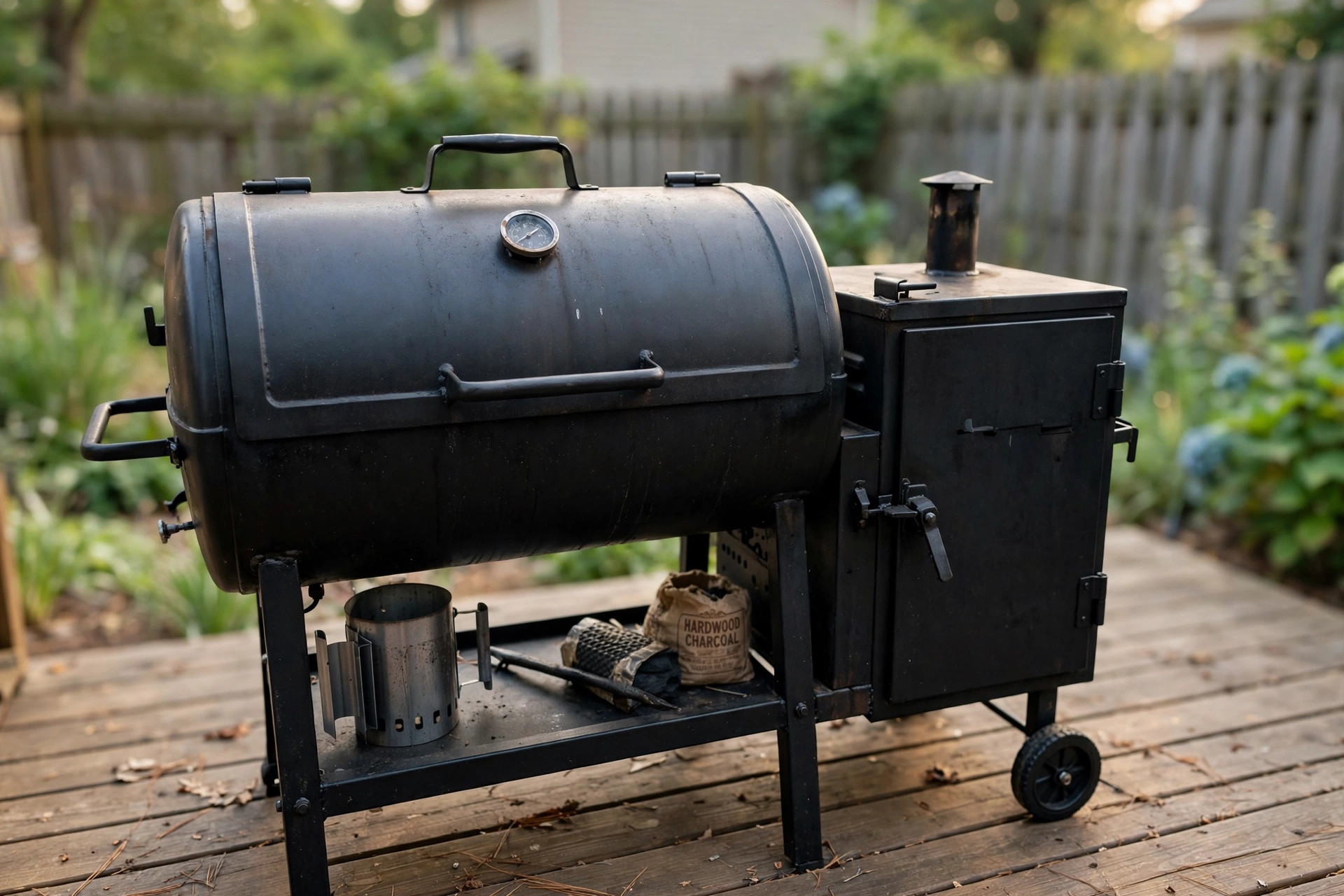
Offset combos. The fire burns in a side box. Heat and smoke flow across the main chamber and out the stack. These are the classic Texas style cookers. They give strong smoke flavor. They also take the most skill. Hot spots form near the firebox. You will move meat around. Thin offsets are hard to run. A thick well sealed offset is a joy but costs real money.
Vertical combos. The fire sits at the bottom. Racks stack above it. A water pan sits between fire and food in many models. Heat rises and stays even. These are kind and forgiving. They use less fuel than offsets. The trade is space per rack. Tall thin racks do not fit big cuts well. Chicken and sausage work great. A whole packer brisket may not.
Kamado combos. These are round ceramic cookers. They seal tight and hold heat for hours on little fuel. A kamado grills at high heat and smokes low with ease. The trade is price and weight. Ceramic shells are heavy and cost more. They also crack if dropped. For a beginner who wants one buy that lasts decades, a kamado is a strong pick.
Pellet combos. A hopper feeds wood pellets into a small fire pot. A fan and controller hold the set temperature. You get smoke flavor with push button ease. The trade is price and parts. Controllers and augers can fail. Pellets must stay dry. For a beginner who fears fire management, this is the easiest path.
Some gas grills can act like smokers with a smoker box filled with wood chips. That is a cheap first step. It will not match a real combo for smoke, but it lets you taste the idea before you spend more.
Cost and Price
Combo prices run wide. Small charcoal verticals start near one hundred dollars. Good mid-range offsets and kamados run from three hundred to eight hundred dollars. Quality pellet combos often run from five hundred to over a thousand. Price buys steel thickness, seals, and warranty. A beginner does well in the mid-range. The cheapest units leak and frustrate. The most costly units are more than a new cook needs.
Count the extras. You will need a chimney starter, a digital probe, a good brush, and a cover. Budget about one hundred dollars for these. A cover is not optional. It doubles the life of the paint and the steel. Store the unit under cover or in a dry shed when it rains.
Fuel cost adds up. Charcoal runs a few dollars per long cook. Wood splits cost more but give deeper flavor. Pellets run between charcoal and wood in cost. Buy fuel in bulk when you can. Keep it dry. Wet fuel smokes bitter and burns poor.
Watch the warranty. One year is common on cheap units. Three to five years marks a maker that stands behind the steel. Long warranties are worth money because replacement parts are costly. Read what the warranty covers. Paint and rust are often left out.
Care and Upkeep
Care starts before the first cook. New steel ships with oil and dust from the factory. Seasoning a new smoker before use builds a thin layer of cured fat on the inside walls. That layer stops rust and helps heat stay even. The steps are simple. Wipe the inside with a light coat of cooking oil. Build a small fire and hold it at two hundred fifty degrees for two to three hours. Let it cool. Wipe again. Then cook.
Clean after every cook while the cooker is still warm. Brush the grates hard. Empty the ash pan. Ash holds water and turns to a paste that eats steel. Pull the grease cup and scrape it out. Wipe spills inside the chamber before they harden. A quick wipe beats a deep scrub.
Deep clean twice a year. Pull the grates and soak them in hot soapy water. Scrape the inside walls with a plastic scraper. Leave the thin black patina on the walls. That layer is good. It is not dirt. It seasons the cooker like a cast iron pan. Check the gaskets and seals while you clean. Replace them when they tear or flatten.
Oil moving parts. The hinges, damper pins, and wheel axles last longer with a drop of oil now and then. Touch up paint chips with high heat paint before rust starts. Keep the stack cap on when the unit sits. Birds and rain both cause trouble.
Cover the unit every night. The sun cracks plastic handles. Rain finds every seam. A cover costs little and pays back for years. In winter, roll the unit to a dry spot if you can. Cold and damp are the worst pair for steel.
Safety
Fire safety comes first. Set the cooker at least ten feet from the house, the fence, and any low roof. Never use a charcoal or wood cooker in a garage, even with the door open. Carbon monoxide builds fast and has no smell. Keep a bucket of water and a small fire extinguisher near by on every cook.
Fuel safety matters too. Light charcoal in a chimney starter with paper. Skip lighter fluid after the first light. It leaves a taste and flares. Store charcoal and pellets dry and away from the cooker. Keep wood splits off the ground and covered.
Food safety keeps the cook honest. Smoking low means meat sits in the warm zone for hours. That is safe if the chamber holds at or above two hundred twenty five degrees. Use a probe at the grate and one in the meat. Wash hands and tools after touching raw meat. Do not put cooked meat back on the plate that held it raw.
Burn safety is simple and worth saying. Everything on a cooker is hot. Use long tongs and thick gloves. Teach kids to stay three feet back. A cooker tips easier on soft ground, so set it on level pavement or deck boards. Let the unit cool fully before you cover it. Trapping heat under a cover melts plastic and starts fires.
FAQ
How much should a beginner spend on a combo? Most beginners land well between three hundred and six hundred dollars. That range buys thick steel, fair seals, and a useful warranty. Below that, leaks and thin metal make smoking hard. Above that, you pay for features a new cook rarely uses. Spend the rest of the budget on a probe, a chimney, and a cover.
Is a combo as good as two separate units? For most home cooks, yes. A good combo grills fine and smokes fine. A top end grill may sear hotter. A top end offset may smoke more even. But a beginner will not feel those gaps. One unit also means one place to learn fire and air. That speed of learning is worth more than a small gap in peak skill.
How hard is it to hold two hundred fifty degrees? It takes three or four cooks to learn. Start with a full lit chimney and set the vents half open. Watch the probe at the grate. Make small moves. Wait fifteen minutes between moves. Wind and cold shift the number, so a wind break helps. Pellet units hold the number for you, which is why many beginners pick them.
What is the first thing a beginner should cook? Smoke a whole chicken or a pork butt. Both forgive heat swings. A pork butt stays moist for hours and tastes great with simple salt and pepper. Save the brisket for later. Brisket punishes mistakes and costs more. Try a simple brisket recipe once you can hold heat for six hours without stress.
How long does a combo last? A mid-range steel unit lasts five to ten years with a cover and regular cleaning. Thick steel and kamados last longer. Cheap thin units may rust through in three years. Warranty length is a fair guide. Makers that offer five years expect the steel to last.
Can I use a combo in winter? Yes, with care. Cold air steals heat, so plan on more fuel. A wind break or a welding blanket helps a steel cooker hold its number. Keep the lid closed. Every peek costs heat and time. Pellet units handle winter well because the controller feeds more fuel on its own.
A Final Word
The best grill smoker combo for beginners is a mid-range, well sealed unit you will keep covered and use often. Do not chase the cheapest box or the fanciest controller. Chase simple. Learn one fire at a time. Cook chicken and pork before brisket. Season the steel, clean the ash, and keep the lid shut. Do that for one summer and the cooker will teach you the rest.
For more background, see Consumer Reports, Weber, and Char-Broil. For more background, see Traeger, Napoleon, and Big Green Egg. Buying guides are also published by Broil King and The Home Depot.
References
Big Green Egg. (n.d.). Kamado grills and outdoor cooking. https://www.biggreenegg.com Broil King. (n.d.). Gas and charcoal grills. https://www.broilkingbbq.com Char-Broil. (n.d.). Gas and charcoal grills. https://www.charbroil.com Consumer Reports. (n.d.). Product reviews and ratings. https://www.consumerreports.org Napoleon. (n.d.). Fireplaces, grills, and heating products. https://www.napoleon.com The Home Depot. (n.d.). Home improvement products. https://www.homedepot.com Traeger. (n.d.). Wood pellet grills. https://www.traeger.com Weber. (n.d.). Grills and outdoor cooking. https://www.weber.com
Was this guide helpful?

About James Carter
The My Garden US editorial team writes practical, in-depth home and garden guides for American homeowners — tested advice, no fluff.
You May Also Like

Best Grill for High Altitude Cooking: What Works Above 5,000 Feet
April 14, 2026 0 views
Best BBQ for Small Balcony Reviews: What to Know Before You Buy
September 28, 2026 0 views
How to Grill Salmon Without Skin Sticking
August 25, 2026 0 views