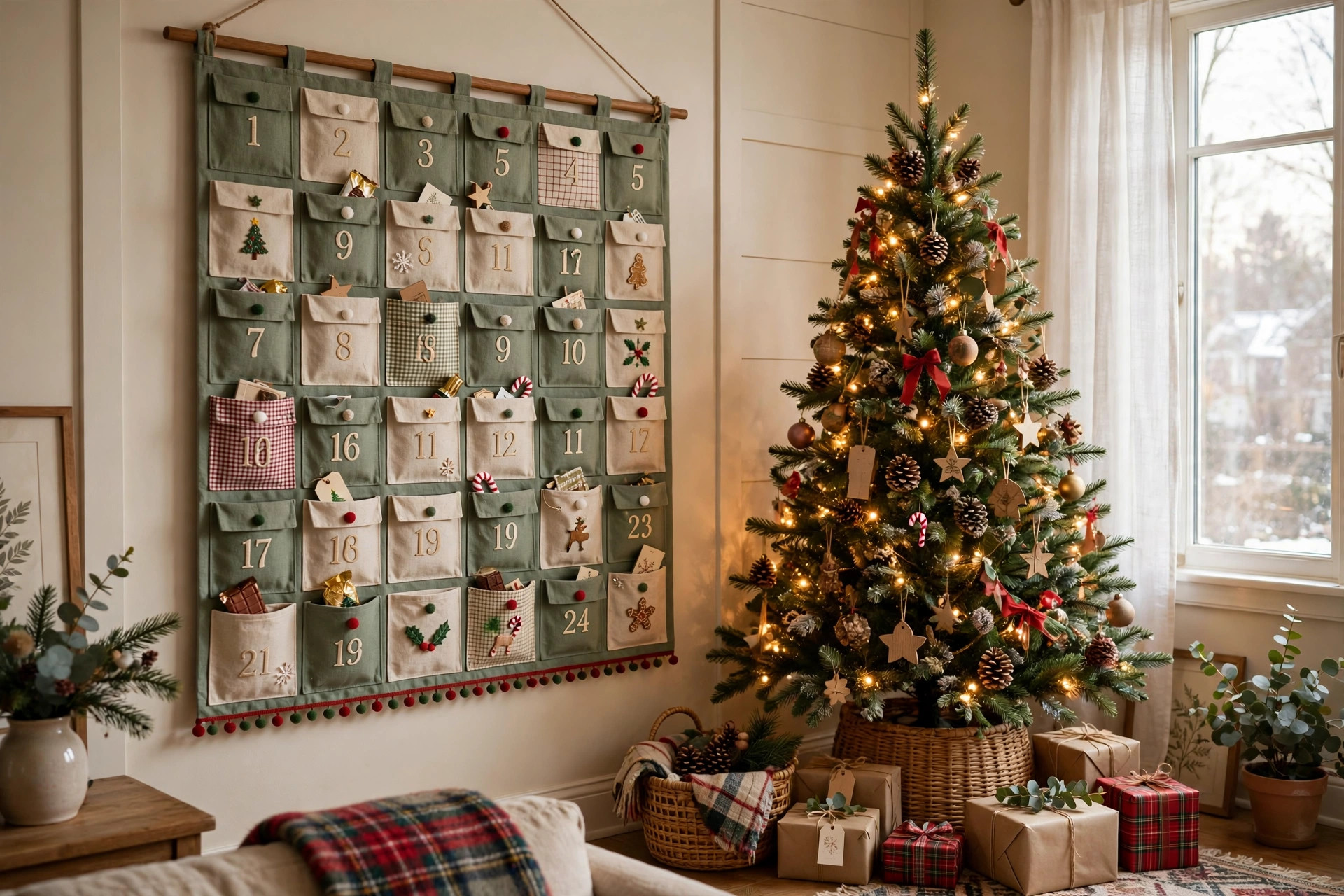
December feels long to a child. The best Christmas advent calendar for kids countdown gives each day a small purpose. A child wakes up, finds the right number, and opens a small door or pocket. Inside there is a treat, a toy, or a note. That small act builds joy. It also builds patience. Children learn to wait one day at a time. Families gain a daily habit they share. Many parents say the calendar becomes the part of the season their children remember most. This guide explains what to look for. It covers the main types, the prices you can expect, and the safety points that matter. It also answers the questions parents ask most. With the right choice, the countdown to Christmas becomes calm and full of wonder.
Why a Countdown Calendar Matters
Children love a routine they can look forward to. A countdown calendar gives December a clear shape. Each morning brings one small surprise. That surprise is never large. Its power comes from the wait.
A calendar also brings a family together. Many parents sit with their child each morning for two minutes. They open the day’s door together. They talk about what they see. These two minutes add up across the month. By Christmas Eve, the family has shared twenty-four small moments.
Teachers note another benefit. A countdown calendar helps young children grasp time. Twenty-four days is hard for a small child to picture. A row of doors makes it real. The child can see how many doors are left. The abstract idea of “soon” becomes something they can touch.
The calendar also sets the tone of the season. A rushed December feels loud. A daily ritual feels quiet. Parents who use a calendar often say their home feels calmer in the holidays. The children focus on the day in front of them instead of demanding everything at once.
What to Look for When You Choose: Best Christmas Advent Calendar for Kids Countdown
Not every calendar suits every child. A good choice starts with the child, not the box. Age, interests, and family habits matter more than the price tag.
Match the Calendar to the Age
A toddler needs large doors and large contents. Small pieces are a danger for children under three. Many calendars say the right age on the box. Read that line before you buy.
Children between four and seven enjoy pictures, stickers, and small figures. They like to name what they find. They also like to show it to others. Calendars with a story theme work well at this age. A nativity theme or a winter village theme gives them something to talk about.
Older children, from eight up, want a little more. They enjoy building sets, craft kits, and science surprises. A calendar that grows across the month keeps them hooked. Each day adds one piece to a larger whole.
Check What Goes Inside
The contents decide whether the calendar delights or disappoints. Chocolate calendars are the classic choice. They are simple and cheap. Children rarely tire of a small piece of chocolate each morning.
Toy calendars cost more. They often come from well-known brands. The toys are small but real. Many children keep the set long after December ends. If your child loves a certain brand, a themed calendar can be a perfect fit.
Craft and activity calendars hold a different charm. Each day brings a small task. The child might get a sticker, a piece of a puzzle, or a short note with an activity. These calendars suit children who like to make things. They also suit parents who want less sugar in December.
Some families fill their own calendar. A fabric calendar with empty pockets lets you choose each item. You can match every day to your child. This takes more work. It also gives the most personal result. Many parents say the refillable calendar pays for itself in the second year.
Look at Size, Build, and Display
Advent calendars come in many forms. Flat cardboard calendars hang on a wall or stand on a shelf. They are light and cheap. They are also the least sturdy. A rough tug can tear a door.
Wooden calendars last for years. They have small drawers or boxes. They cost more at first. They look handsome on a mantel or a side table. Families pass them down between children.
Fabric calendars hang like a banner. They have pockets for each day. They fold flat for storage. They suit families with little shelf space.
Think about where the calendar will live. A calendar on a low wall lets a small child reach the doors alone. A calendar on a high shelf needs a parent’s help each day. Both can work. The key is to plan the spot before December starts.
Consider Cost and What It Buys
Price ranges are wide. A simple chocolate calendar can cost five dollars or less. Most sell for under fifteen dollars. These are easy to find in any store in November.
Mid-range calendars cost twenty to forty dollars. This group holds most toy and craft calendars. The quality is usually solid. The contents feel like real gifts rather than fillers.
Premium calendars cost fifty dollars and up. Some reach one hundred dollars. They may hold full-size items or licensed brands. They suit older children and collectors. A premium calendar is a gift in itself.
A refillable fabric or wooden calendar is a one-time cost of twenty to sixty dollars. After that, you spend only on the small items you put inside. Over three or four years, this is often the cheapest path.
Watch the sales. Many stores cut calendar prices in late November. Shops like Target, Walmart, Home Depot, and Wayfair all carry wide selections. Michaels is a good stop for craft-style calendars and refillable fabric ones.
Types of Advent Calendars
Chocolate calendars are the oldest kind. They date back many decades. Each door hides a small piece of chocolate. The pictures behind the doors often tell a Christmas scene. Children love them. Parents love the low price. The main drawback is the sugar. One small chocolate a day is fine for most children. Parents who watch sugar closely may prefer another type.
Toy calendars are the most popular with school-age children. Big toy brands release a new calendar each year. The daily piece is small. By Christmas, the child has a full play set. These calendars cost more than chocolate ones. The toys also last longer. Many children play with the set well into the new year.
Book calendars give one small book or story card each day. Some tell one long story across the month. These suit children who love reading. They are quiet and calm. They also build a small library by Christmas.
Activity calendars trade objects for experiences. Each day holds a card with a task. The task might be “bake cookies” or “sing a carol” or “draw a snowman.” These calendars create family time. They need a parent who can follow through. When the parent joins in, the results are lovely.
Religious calendars focus on the nativity story. Each day reveals a figure or a scene. By Christmas Eve, the full nativity stands complete. These calendars teach the story day by day. They pair well with an outdoor nativity set in the yard.
Do-it-yourself calendars are empty and waiting. You buy the calendar once. Then you fill each pocket yourself. Some parents hide clues. Some use tiny toys. Some write notes of love. The work is real. The payoff is a calendar made for one child alone.
Cost and Price in Plain Terms
Most families spend between ten and forty dollars on a calendar. That range covers the vast bulk of what stores sell. Below ten dollars, you find chocolate calendars and simple paper ones. They do the job. They rarely last past the season.
Between ten and twenty-five dollars, the choice opens up. You will find toy calendars, book calendars, and nicer chocolate sets. This is the sweet spot for most buyers. The quality feels good. The price stays fair.
Between twenty-five and sixty dollars, you enter premium ground. Licensed brands live here. So do wooden refillable calendars. The contents are better. The calendar itself may serve for years.
Above sixty dollars, calendars become gifts. They suit older children and adults who collect them. A young child will not grasp the extra value. Save this tier for later years.
One more cost tip: buy early. The best calendars sell out by early December. Prices also rise as Christmas nears. Shopping in November gives you the full choice at the fair price.
Care and Upkeep
A cardboard calendar needs little care. Keep it dry and out of direct sun. Chocolate can melt near a heat vent. A melted door is a sad sight on December tenth.
Wooden calendars need a quick wipe with a dry cloth. Check the small drawers each year. A dab of wax on a sticky drawer keeps it sliding smooth. Store the calendar in its box after the season. A dry closet is ideal.
Fabric calendars can go in the wash. Use a gentle cycle and cold water. Hang them to dry. Do not use a hot dryer. Heat can shrink the fabric and warp the pockets.
Refillable calendars need a yearly restock. Keep a small box through the year. When you see a tiny toy or a fun sticker, drop it in the box. By November, you will have twenty-four items ready. This habit turns the refill into a pleasure instead of a chore.
If you hang the calendar on the wall, use a proper hook. A calendar full of small toys has real weight. A weak nail can give way at night. Check the hook each year before you hang it.
Safety Notes
Safety comes first with any product for children. Small parts are the main risk. The Consumer Product Safety Commission warns that small toys can choke children under three. Always check the age rating on the box. Never give a small-parts calendar to a toddler.
Food calendars need a label check. Read the ingredient list for allergens. Nuts, milk, and soy appear in many chocolate calendars. If your child has an allergy, choose a non-food calendar or a certified safe brand.
Battery doors deserve a look. Some calendars light up or play music. They use small button batteries. These batteries are very dangerous if swallowed. Make sure the battery cover screws shut. Keep spare batteries out of reach.
Placement matters too. A heavy wooden calendar on a high shelf can fall. Hang calendars at a height your child can reach. Keep cords from light-up calendars away from small hands.
Finally, watch the daily ritual itself. Some children rush and tear doors. Show them how to open one door gently. A calm start keeps the calendar whole for all twenty-four days.
Frequently Asked Questions
When should we start the countdown?
Start on December first. Most calendars have twenty-four doors. They run from December first to December twenty-fourth. Some families open the last door on Christmas morning. Either way works. The key is one door per day.
What age is right for an advent calendar?
Most children enjoy a calendar from age three up. At three, choose a calendar with large doors and no small parts. From five or six, most standard calendars work well. There is no upper age. Many teens and adults keep the habit.
Are chocolate calendars unhealthy?
One small chocolate a day is modest. Most parents find it fine. If sugar is a concern, pick a toy, book, or activity calendar. You can also buy a refillable calendar and choose sugar-free treats.
Can we reuse an advent calendar next year?
Yes, if you buy a refillable one. Wooden and fabric calendars are made to last. Cardboard calendars are single-use. They tear and wear. A refillable calendar costs more once. It then serves for many years.
Where is the best place to buy one?
Stores stock them from late October. Craft shops, department stores, and home stores all carry them. Guides at The Spruce, HGTV, and Country Living round up new designs each year. Shopping early gives the best pick.
How do we make the countdown special?
Add a small ritual. Open the door at the same time each day. Read the note aloud. Talk about what you found. Pair the calendar with other decor, like personalized Christmas stockings on the mantel or a tree topper for a tall tree. Small touches build the magic.
A Final Word
The best Christmas advent calendar for kids countdown is the one that fits your child. It need not be costly. It need not be grand. It needs one door for each day and a small joy behind it. Choose with care, start on December first, and enjoy the quiet ritual. Years from now, your child will remember those mornings. That is the true gift of the countdown.
References
Country Living. (n.d.). Country home and lifestyle. https://www.countryliving.com HGTV. (n.d.). Home and garden ideas. https://www.hgtv.com Michaels. (n.d.). Arts and crafts supplies. https://www.michaels.com Target. (n.d.). Retail store. https://www.target.com The Home Depot. (n.d.). Home improvement products. https://www.homedepot.com The Spruce. (n.d.). Home and garden advice. https://www.thespruce.com U.S. Consumer Product Safety Commission. (n.d.). Product safety information. https://www.cpsc.gov Walmart. (n.d.). Everyday low prices. https://www.walmart.com Wayfair. (n.d.). Furniture and home goods. https://www.wayfair.com
Was this guide helpful?

About David Wilson
The My Garden US editorial team writes practical, in-depth home and garden guides for American homeowners — tested advice, no fluff.