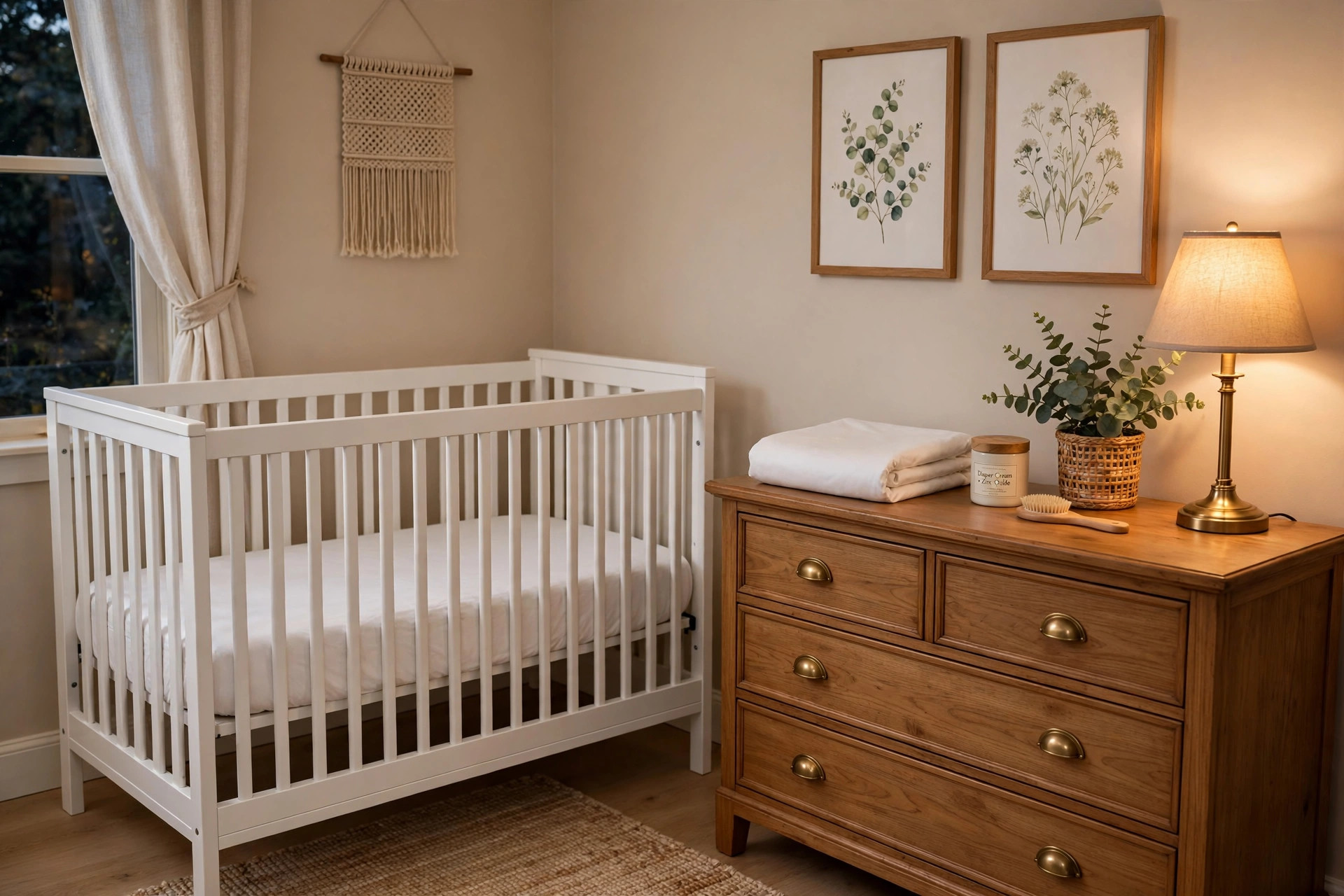

Babies do not stay dry through the night. Every parent learns this fact in the first months. A diaper can leak. A bottle can spill. A fever can cause a child to sweat through the night. When that happens at two in the morning, the bed must be changed fast. This is why crib sheets waterproof for nighttime accidents matter so much. They keep the mattress dry. They let you strip the wet layer and put down a fresh one in minutes. The child goes back to sleep sooner. You go back to sleep sooner.
The goal is simple. Help you make a wise purchase for your nursery.
Why Waterproof Crib Sheets Matter
A crib mattress is not like an adult mattress. It is small and firm. It costs real money. Once urine soaks into the core, you cannot wash it out. The mattress may start to smell. Mold can grow inside it. Stains can set for good. A waterproof sheet is the shield between the child and the mattress.
Most parents use a fitted sheet alone. That works until the first bad night. Then the trouble starts. You must lift the baby. You must strip the sheet. You must wipe the bare mattress. Then you must remake the bed while the baby cries. It takes time. It breaks the child’s sleep cycle. A waterproof sheet changes this picture. You keep the spares folded in the dresser drawer. When an accident happens, you pull off the wet sheet and snap on the dry one. The job takes two minutes.
There is also the question of the mattress warranty. Many mattress makers will not honor a warranty if the cover is stained. They see stains as proof of neglect. A waterproof layer protects your purchase. It keeps the mattress clean and fresh for years. When the child moves to a toddler bed, the crib mattress is still in fine shape. You can pass it down or store it.
Health matters too. Wet bedding can irritate a baby’s skin. A child who sleeps in damp sheets may wake often. Rashes can form. A dry surface is more kind to the skin. Good waterproof sheets pull moisture away from the top layer while blocking it below. The top feels soft like cotton. The bottom stays dry. The child rests in comfort.
How to Choose the Right Sheet: Crib Sheets Waterproof for Nighttime Accidents
Start with the size. Most American crib mattresses measure about 52 inches by 28 inches. The standard fitted sheet is made for this size. Measure your mattress first. Some mattresses are thicker than others. A deep pocket sheet fits a thick mattress better. Check the depth rating on the package. A sheet that is too small will pop off at the corners. That is a safety problem. A sheet that is too large will bunch up. Bunches can form folds. Folds can press into the baby’s skin.
Next, look at the material. The best sheets use cotton on top. Cotton is soft. It breathes. It does not make the child sweat. Under the cotton sits the waterproof layer. This layer is often made from polyurethane laminate, called PUL. Some use a thin vinyl layer instead. PUL is quiet and flexible. Vinyl can crack over time. It may also make a crinkly sound when the baby moves. That sound can wake a light sleeper. Look for sheets that state the waterproof layer is free of PVC and phthalates. Those chemicals do not belong near a child.
Feel matters at night. A rough sheet can bother a baby. A smooth sheet invites sleep. Cotton jersey is a good choice. It stretches a little. It feels like a soft shirt. Flannel works well in cold months. It is warm and cozy. Avoid sheets with thick quilting. Thick padding may make the sleep surface too soft. A crib mattress should stay firm and flat. That is the safe way for a baby to sleep.
Check the elastic. The elastic should run all the way around the sheet. Some cheap sheets put elastic only in the corners. Full elastic holds the sheet tight. It keeps the sheet in place through the night. The baby should not be able to pull it loose.
Look at how many sheets come in the pack. Three is the sweet spot. One on the bed. One in the wash. One in the drawer. Two can work if you do laundry often. One is never enough. The night will always bring the worst accident when the spare is in the washer.
Parents who also shop for the rest of the nursery may want to read about related items. A good waterproof crib mattress pairs well with these sheets, as explained in our guide to crib mattress waterproof organic for newborns. For the wider room setup, see our notes on best blackout curtains for nursery windows usa and nursery night light with dimmer for feeding.
Trusted buying advice from Consumer Reports can help you compare brands on quality and price. Nursery design ideas at IKEA and Wayfair show how these sheets fit into a full room plan.
Types and Options
Waterproof crib sheets come in a few main types. Each has its own strengths.
Fitted waterproof sheets. These look like normal crib sheets. They fit tight over the mattress. The waterproof layer is built in. This is the most popular type. It is simple. It replaces the regular sheet. You do not need an extra pad under it.
Waterproof mattress protectors with a cotton top. These are thinner than a sheet. They sit under the regular fitted sheet. They add a second layer of defense. Some parents use both a protector and a waterproof sheet. That is belt and braces. If the top sheet leaks through, the protector catches it.
Quick-change pads. These are small pads that lay on top of the sheet. They cover just the middle of the mattress. When an accident happens, you lift the baby, pull the pad, and put a fresh one down. You do not remake the whole bed. These pads are handy. But they must lay flat. A loose pad that shifts can be a hazard. Always place it smooth and flat.
Organic options. Some makers sell sheets with organic cotton tops. They cost more. Parents who want fewer toxins in the nursery may prefer them. Check that the waterproof layer is also free of harmful substances.
Size also varies beyond the standard crib. Mini cribs need smaller sheets. Play yards need their own size. Toddler beds use a different size again. Buy for the bed you have. Do not try to make a standard sheet fit a mini crib.
Baby registry lists at Pottery Barn Kids often group these sheet types together so you can compare them side by side. Parenting guides at What to Expect explain the basics of crib bedding for new parents.
Cost and Price
Prices vary with brand, material, and pack size. A single basic waterproof crib sheet may cost between eight and fifteen dollars. A two-pack of good quality cotton sheets often runs between twenty and forty dollars. A three-pack of organic sheets can reach fifty dollars or more.
Is the higher price worth it? In most cases, yes. Cheap sheets wear out fast. The waterproof layer may crack after ten washes. The elastic may lose its grip. The cotton may pill. A mid-range sheet from a known brand lasts much longer. It may survive through two children. When you divide the cost by the number of nights used, the better sheet costs pennies per night.
Watch for sales. Baby stores run sales often. Buy an extra set when the price drops. You will use them. Every parent who has been through the newborn stage will tell you this. You can never have too many sheets.
Do not forget to budget for the mattress protector if you use one. A good protector costs between fifteen and thirty dollars. Added to the sheets, the full waterproof setup may run fifty to eighty dollars. That is still far less than a new crib mattress.
Price tracking tools and reviews at The Spruce often list current deals on nursery bedding. Nursery essentials reviews at Good Housekeeping cover long-term value of these products.
Care and Upkeep
Washing is simple. Most waterproof crib sheets go straight into the machine. Use warm water. Use a mild detergent. Skip the fabric softener. Softener can coat the waterproof layer. That coating may reduce how well it blocks moisture. Skip bleach too. Bleach breaks down the fibers and the barrier.
Dry on low or medium heat. High heat can damage the waterproof layer. It can also shrink the cotton. Some parents line dry. That works well and saves energy. Just make sure the sheet is fully dry before it goes on the bed. A damp sheet defeats the purpose.
Inspect the sheets now and then. Hold them up to the light. Look for cracks in the waterproof layer. Feel for rough spots. If water starts to seep through, retire the sheet. A failed sheet is worse than no sheet. It gives a false sense of security.
Rotate your stock. Do not use the same sheet every night while the spares sit in the drawer. Using all of them in turn spreads the wear.
Stains happen. Treat them fast. Rinse the sheet in cold water as soon as you can. Then wash as normal. A paste of baking soda and water can lift old stains. Rub it in gently. Let it sit for an hour. Then wash. Do not use harsh stain removers. They can harm the waterproof layer.
Health and hygiene tips from HealthyChildren.org remind parents to keep all crib bedding clean and dry for safe sleep.
Safety
Safety comes first in the crib. Always follow the safe sleep rules. The baby should sleep on the back. The mattress should be firm and flat. The crib should be bare except for a fitted sheet. No pillows. No blankets. No bumpers. No toys.
The waterproof sheet must fit tight. A loose sheet is a danger. It can bunch around the baby’s face. Check the fit each time you change the sheet. Pull the corners down hard. Run your hand over the surface. It should feel smooth and flat.
Some older waterproof products used vinyl with phthalates. Modern products have moved away from this. Still, read the label. Look for sheets that state they are free of PVC, BPA, and phthalates.
The Consumer Product Safety Commission at CPSC publishes the federal rules for crib safety. Every parent should read them before setting up the nursery.
One more point. Never use a plastic sheet or a loose plastic cover in the crib. Thin plastic can cling to a baby’s face. That is a suffocation risk. Waterproof crib sheets are not loose plastic. They are fitted fabric with a bonded barrier. That is a very different thing. Make sure what you buy is a true fitted sheet.
Frequently Asked Questions
Do waterproof crib sheets make the baby sweat? Some do, but good ones do not. The cheap vinyl types can trap heat. The better cotton-top sheets with PUL layers breathe well. If your child runs hot, choose a thin cotton jersey sheet. Skip the quilted types. Keep the room at a comfortable temperature. A fan on low can help air move.
How many waterproof crib sheets do I need? Three is the best number. One is on the mattress. One is in the laundry. One is clean in the drawer. With three, you are never caught short. Two is the minimum. Buy the third when you can.
Can I use a waterproof sheet with a regular sheet on top? Yes. Many parents do this. The regular sheet goes on top for softness. The waterproof sheet sits under it as the guard. Or you can use the waterproof sheet alone if its top is soft cotton. Both ways work. Do what keeps the bed smooth and tight.
Will the waterproof layer survive many washes? A good sheet survives hundreds of washes. Wash in warm water. Dry on low heat. Skip softener and bleach. Follow the care label. Cheap sheets fail sooner. Spend a little more for a longer life.
Are waterproof crib sheets noisy? Old vinyl sheets were noisy. They crinkled when the baby moved. Modern PUL sheets are quiet. You can test in the store. Squeeze the sheet in your hand. If it crackles loud, pick another one. A quiet sheet helps everyone sleep.
When should I stop using them? Keep using them through toilet training. Nighttime accidents can go on until age five or six. That is normal. When the child is dry for several weeks, you can switch to a regular sheet.
A Final Word
Nighttime accidents are part of raising a child. They are not a problem to solve. They are a season to get through. Crib sheets waterproof for nighttime accidents make that season easier. They protect the mattress. They cut the midnight workload. They keep the baby dry and calm.
Buy three. Choose cotton on top. Make sure the fit is tight. Wash them with care. Follow the safety rules. Then rest easy. The nights will pass. The child will grow. And your crib mattress will still be clean when the time comes to pack it away.
References
American Academy of Pediatrics. (n.d.). HealthyChildren.org. https://www.healthychildren.org Consumer Reports. (n.d.). Product reviews and ratings. https://www.consumerreports.org Good Housekeeping. (n.d.). Product reviews and home advice. https://www.goodhousekeeping.com IKEA. (n.d.). Home furnishings. https://www.ikea.com Pottery Barn Kids. (n.d.). Kids furniture and decor. https://www.potterybarnkids.com The Spruce. (n.d.). Home and garden advice. https://www.thespruce.com U.S. Consumer Product Safety Commission. (n.d.). Product safety information. https://www.cpsc.gov Wayfair. (n.d.). Furniture and home goods. https://www.wayfair.com What to Expect. (n.d.). Pregnancy and parenting guidance. https://www.whattoexpect.com
Was this guide helpful?

About Jennifer Lee
The My Garden US editorial team writes practical, in-depth home and garden guides for American homeowners — tested advice, no fluff.
You May Also Like
Toddler Armchair for Reading Corner Kids: A Guide to Comfort and Books
June 6, 2026 0 views
Kids Room Blackout Curtains for Teens Sleep
March 9, 2026 0 views
Best Kids Storage Bench for Entryway Mudroom: A Practical Buying Guide
August 21, 2026 0 views