This top rated decorative window film buying guide explains what to know before you shop. Decorative window film is a thin sheet of plastic or vinyl that sticks to glass. It changes how a window looks. It can add privacy, cut glare, and give plain glass the look of frosted or etched panes. It costs far less than new windows or custom blinds. Many home owners use it on front doors, bathroom windows, and sidelights where people can see in from the street.
The film market has grown a great deal in the last ten years. Old static cling products were hard to apply and peeled fast. New films use better adhesives and print sharper patterns.
Why Decorative Window Film Matters
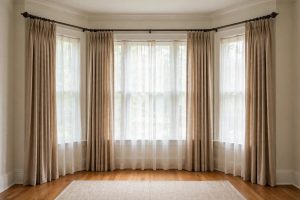
Privacy is the main reason people buy it. A ground floor window faces the sidewalk. A bathroom window faces a neighbor. Full curtains would block all the light. Decorative film lets light through and still hides the view. Many home owners pair film with sheer voile panels for a soft layered look. Frosted and patterned films blur shapes so you cannot see details from outside. You keep a bright room and gain peace of mind.
Light control is a second reason. Bare glass throws hard glare on a television screen or a kitchen table. A lightly frosted film spreads the light. It softens the room without making it dark. Some films also block a share of the sun heat. That helps rooms that bake in the afternoon. When paired with other affordable window treatments, film can be part of a smart plan to manage heat and light through the year.
Cost matters too. New stained or etched glass panels can cost hundreds of dollars per window. A quality film costs a few dollars per square foot. It gives much of the same look. Renters like it because most static cling films come off with no damage. Home owners like it because they can test a style before they commit to costly glass work. For a whole house of sidelights and bathroom windows, the savings add up fast.
What to Look for When You Choose: Top Rated Decorative Window Film Buying Guide
Start with your goal. If you need full privacy, choose a film rated for high opacity. Frosted, sandblasted, and heavily patterned films hide views day and night. If you only want decoration, a clear printed film with flowers or leaves adds charm and leaves the view open. Know your goal before you shop, or you will pick a pretty film that fails the job.
Check the way the film sticks. Static cling film uses water and holds by suction. It is the easiest to apply and the easiest to remove. Adhesive film uses a light glue layer. It stays up longer and resists steam, which suits bathrooms and kitchens. Adhesive film is harder to reposition, so first time buyers often prefer static cling. Independent product reviews can help you compare how well different brands hold up in real homes.
Measure your windows with care. Measure the glass, not the frame. Add an inch on each side so you can trim to a clean edge. Films come in rolls of many widths. A twelve inch roll suits small sashes. A thirty six inch roll covers a patio door. Buy a little extra. Your first cut is rarely your best, and extra film costs little. Many home style guides walk you through measuring and planning a film project step by step.
Look at the thickness, usually listed in mil. Thicker film lasts longer and hides bumps better. Thin film tears during a hard install. A mid range thickness suits most home projects. Also check whether the film blocks UV rays. Many quality films block most UV light. That protects wood floors and fabrics from fading. The federal energy efficiency standards explain how cutting solar heat can lower cooling bills in hot months.
Types and Options
Frosted and Etched Look Films
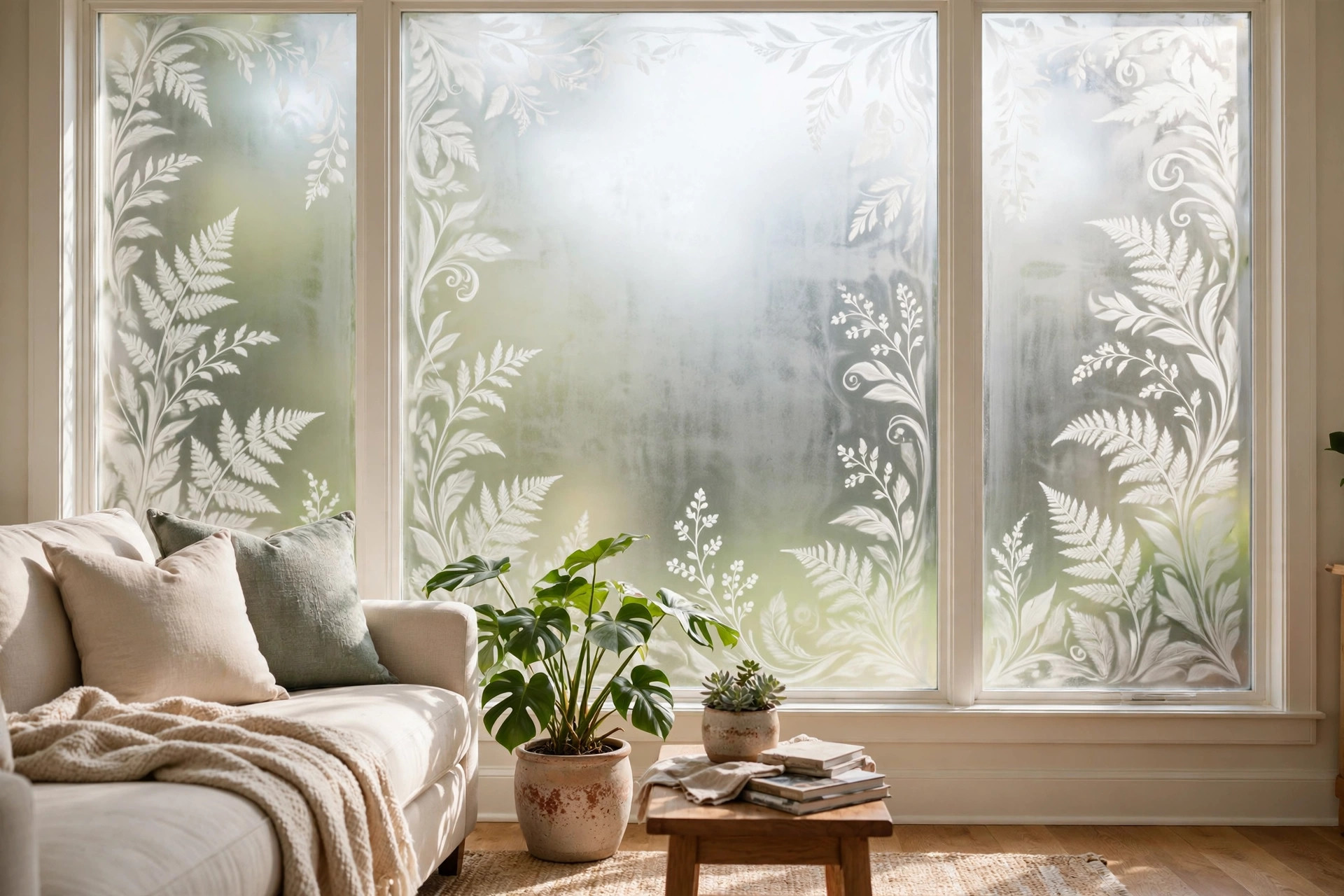
These are the best sellers. They turn clear glass into what looks like frosted or sandblasted glass. They give strong daytime privacy. They suit front doors, sidelights, and bathroom windows. Some have a soft white tone. Some have a cool gray tone. Both spread light well.
Stained Glass and Leaded Films
These printed films copy the look of old stained glass windows. They show flowers, birds, and geometric borders in bright colors. They are pure decoration. They do not add much privacy at night, when light from inside makes them glow. They suit dining room transoms and stairwell windows where beauty is the point.
One Way Mirror Films
These films look like a mirror from the bright side and stay clear from the dark side. In daylight, they hide the inside of your home from the street. At night the effect flips, so you need curtains or blinds after dark. They also cut glare well. Read the privacy rating closely. If you need true round the clock privacy, a frosted film is the safer choice.
Patterned Privacy Films
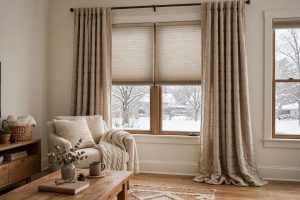
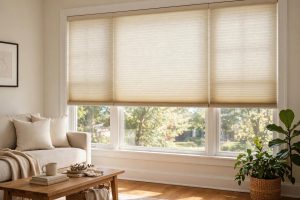
These sit between frosted and stained glass styles. They carry stripes, dots, vines, or leaves in a frosted finish. They add pattern to the room and give medium to high privacy. They work well on cabinet doors with glass fronts and on French doors between rooms. Many buyers compare window covering options before they pick a pattern, so they can weigh film against shades and blinds.
Security and Solar Films
Some decorative films add a safety layer. The film holds broken glass in place, which helps on storm doors and low windows. Other films carry a solar coating that cuts heat. These cost more than plain decorative film. They can pay back in comfort on west facing windows. Home improvement advice pages describe how solar films perform in hot climates.
Cost and Price Guide
Prices vary by brand, size, and type. A basic static cling frosted roll often costs between eight and twenty dollars for a roll that covers a small window. Mid range rolls from well rated brands cost twenty to forty dollars. Large rolls for patio doors can reach sixty dollars or more. Premium printed or solar films cost the most. Per square foot, expect about one to five dollars.
A custom frosted glass panel can cost two hundred dollars or more per window. A quality blind can cost fifty to one hundred fifty dollars per window. Film is the low cost path.
Watch for hidden costs. You may need a squeegee, a spray bottle, and a sharp knife. Many starter kits include these tools for under fifteen dollars. If you hire a pro, labor can add fifty to one hundred dollars per window. Most home owners find the job easy enough to do alone on standard windows. For hard shapes, like arched windows or full glass doors, a pro may be worth the price. Check prices at major home improvement retailers, home improvement stores, and home furnishing stores to set your budget before you order.
Color on a screen can differ from color on your glass, so buy from a seller with clear return rules.
How to Apply Decorative Window Film
Good prep decides the result. Clean the glass twice. Use plain water or a light glass cleaner with no ammonia. Wipe the edges with a lint free cloth. Any speck of dust under the film shows as a bump. Work on a cool, cloudy day if you can. Hot sun dries the water too fast and makes bubbles hard to push out.
Measure and cut next. Lay the film on a flat table. Cut it about an inch larger than the glass on every side. Leave the backing on while you cut. A metal straight edge and a sharp utility knife give the cleanest lines. Keep the film flat and dry until the moment you apply it.
Spray the glass with water mixed with a drop of dish soap. Peel the backing from the film and spray the sticky side too. The water lets you slide the film into place. Set the film on the glass and smooth it with your hands. Then use a squeegee from the center to the edges. Push the water and air bubbles out to the sides. Work slow. Small bubbles often fade as the film dries.
Trim the edges with the knife. Leave a hairline gap between the film and the frame. That gap stops the edges from lifting. Wipe the glass one last time with a dry cloth. Let the film set for a day before you clean it. Full bond can take a week.
If a large bubble will not move, lift the film back to that spot and re lay it with fresh spray.
Care and Upkeep
Decorative film needs little care. Wait at least a week after install before the first cleaning. Use a soft cloth and plain water or a mild soap mix. Wipe gently. Do not use ammonia based cleaners. Do not use rough scrub pads. These can cloud the print or scratch the surface.
Check the edges once a season. In steamy bathrooms, edges can lift over time. Press a lifted edge back with a damp cloth. If one corner keeps peeling, cut a tiny patch from your spare film and overlap it. Most films last three to seven years indoors. Sun heavy windows shorten the life. When a film fades or bubbles, peel it off and put up a fresh piece.
Removal is simple for most static cling films. Start at a corner and pull slow. Spray water behind the film as you pull. Wipe the glass with a light cleaner after. Adhesive films may leave a thin glue layer. Warm it with a hair dryer on low and wipe with soapy water. A plastic scraper helps on stubborn spots. Never use a metal blade on the glass, or you may scratch it.
Safety Notes
Window film is safe for most home glass, but a few rules apply. Never apply dark solar film to old single pane windows without checking the maker rules. Dark film absorbs heat and can stress old glass in full sun. Ask the seller whether the film suits your window type.
Cord free window coverings are the safe choice around small children, and film is naturally cord free. That is one more reason many parents choose it for nurseries and play rooms. For general window safety standards, check federal guidance on glass and cord hazards in homes with kids.
Fire safety counts too. Do not put film on windows you may need as an exit in a fire. Bedrooms often have escape windows. Keep those clear or use only a film that peels off in seconds. Make sure every person in the home knows which windows serve as exits.
If you hire an installer, ask about cleanup when the job is done.
Frequently Asked Questions
Does decorative window film give privacy at night?
Frosted and opaque films give strong privacy day and night. One way mirror films do not. At night, with lights on inside, one way mirror film turns clear from outside. If you need night privacy, choose a frosted or patterned opaque film. For rooms that need both day privacy and night light control, pair film with waterproof outdoor shades or indoor blinds on the same window.
How long does window film last?
Most quality films last three to seven years on home windows. Sun, heat, and steam shorten the life. South and west facing windows wear faster. Adhesive films often outlast static cling in damp rooms. When edges lift or colors fade, it is time to replace. Removal is simple, so a refresh is a small weekend job.
Can I apply window film myself?
Yes. Most home owners apply film on flat windows with no trouble. You need a spray bottle, a squeegee, a sharp knife, and patience. Arched windows, large doors, and textured glass are harder. For those, a pro installer gives a cleaner result. Watch a video guide first so you know the steps before you start.
Will window film damage my glass?
No, when you use the right film for your glass. Static cling film leaves no glue and comes off clean. Adhesive film may leave a light residue that washes off with soapy water. Do not use dark heat absorbing film on old or cracked glass without checking the maker rules. Heat stress can crack weak panes.
Can I use decorative film on a shower door?
Yes, if you choose a film rated for wet areas. Adhesive films hold better in steam than static cling. Pick a frosted style for privacy. Clean it with a soft cloth and mild soap. Skip harsh bathroom cleaners with bleach or ammonia. They can dull the print.
Is window film cheaper than frosted glass?
Yes, by a wide margin. Film costs a few dollars per square foot. Real frosted or etched glass costs far more and needs a glazier to install. Film is also easy to change. If you tire of a pattern, peel it off and try a new one. That freedom is a big part of why so many home owners start with film.
A Final Word
This top rated decorative window film buying guide comes down to a simple plan. Know your goal. Pick the film type that fits it. Measure twice and buy a little extra. Take your time with the install. With those steps, a plain window can gain privacy, style, and soft light for a small cost. Browse home design inspiration and restoration guides for ideas, compare a few well rated brands, and enjoy the change. For more budget ideas, see our affordable window film privacy tint buying guide.
References
Blinds.com. (n.d.). Window blinds, shades, and shutters. https://www.blinds.com Bob Vila. (n.d.). Home improvement advice. https://www.bobvila.com Consumer Reports. (n.d.). Product reviews and ratings. https://www.consumerreports.org ENERGY STAR. (n.d.). Energy efficient products. https://www.energystar.gov HGTV. (n.d.). Home and garden ideas. https://www.hgtv.com IKEA. (n.d.). Home furnishings. https://www.ikea.com Lowe’s. (n.d.). Home improvement products. https://www.lowes.com The Home Depot. (n.d.). Home improvement products. https://www.homedepot.com The Spruce. (n.d.). Home and garden advice. https://www.thespruce.com This Old House. (n.d.). Home renovation guidance. https://www.thisoldhouse.com U.S. Consumer Product Safety Commission. (n.d.). Product safety information. https://www.cpsc.gov Wayfair. (n.d.). Furniture and home goods. https://www.wayfair.com
Was this guide helpful?

About Lisa Anderson
The My Garden US editorial team writes practical, in-depth home and garden guides for American homeowners — tested advice, no fluff.