Windows are the weak point in most American homes. Glass lets heat out in winter and lets heat in during summer. A plain window can lose more warmth than a whole wall. Thermal shutter installation services for homeowners answer this problem with a simple idea. A shutter on the outside of the window adds an extra layer between your home and the weather. This guide explains what these services do, how the shutters work, what they cost, and how to choose a company you can trust.
Why Thermal Shutters Matter
Most people think of shutters as decoration. Boards nailed beside a window look nice, but they do nothing for comfort. Thermal shutters are different. They close fully over the glass and form a sealed pocket of still air. Still air is a poor carrier of heat. That is why it works so well as insulation.
In winter, the warm air of your home presses against the glass and cools down. The cooled air sinks and pulls more warm air toward the window. This slow loss adds up on every cold night. A thermal shutter stops the cycle. The sealed air pocket slows the flow of heat through the glass. Rooms feel warmer. The furnace runs less.
In summer, the effect works in reverse. Strong sun strikes the window and heats the glass. The heat moves into the room. Air conditioning must work harder to pull that heat back out. A closed thermal shutter takes the brunt of the sun instead of the glass. The room behind it stays cooler.
Many homeowners also buy shutters for storm protection. Heavy aluminum shutters shield windows from windblown debris. Some insurance companies in storm-prone states reduce premiums for homes with rated shutters. Savings on energy and insurance together can pay for the job over time.
There is also the matter of light and noise. A closed thermal shutter darkens a room completely. This helps people who work night shifts and sleep during the day. The solid shutter also cuts street noise in a way that thin blinds never will. Homeowners comparing their options often weigh shutters against thermal energy efficient window treatments such as cellular shades and insulated drapes.
What to Look for in an Installer: Thermal Shutter Installation Services for Homeowners
A shutter is only as good as its fitting. A gap at the edge lets air leak around the shutter, and the whole benefit disappears. This is why the installer matters more than the brand. Good thermal shutter installation services for homeowners send a trained measurer to your home before any order is placed.
Look for a company that measures every window on its own. No two openings are exactly alike. A firm that asks you to send your own measurements is cutting corners. Good top rated shutter installation services for homeowners always begin with an on-site measure by a trained technician. Also look for a company that mounts the shutter with its own fasteners into solid frame or masonry, not into soft trim that can pull free in a storm.
Ask how long the company has been in business. Five years is a fair minimum. Ask for the names of three past customers in your area and call them. Ask what the warranty covers. A decent warranty covers both the shutter and the labor for at least five years. Motorized shutters should carry a separate warranty on the motor and controls.
Be wary of door-to-door offers and prices that seem too low. A firm that needs your signature today is not a firm that will answer the phone next year when a spring breaks. Get three written bids. Compare them line by line. The cheapest bid often leaves out the very work that makes the shutter perform. Reading independent test results helps too; Consumer Reports publishes ratings of window coverings that can ground your expectations before you talk to any bidder. In the West, reliable window treatment installation services in California and similar regional firms can serve as a benchmark for what a thorough bid looks like.
Types of Thermal Shutters
Exterior Roller Shutters
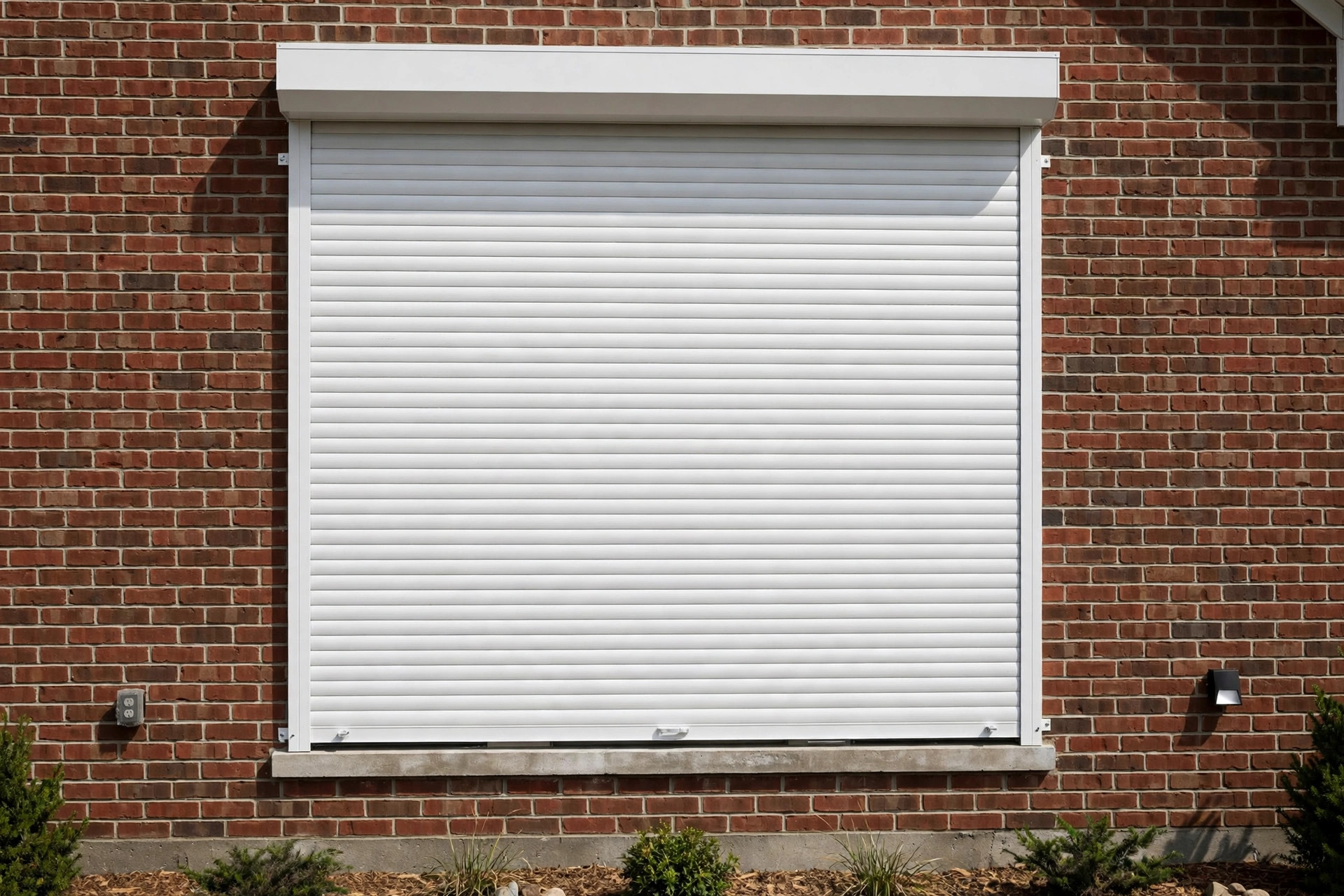
These are the most common type in the United States. A metal or vinyl curtain rolls down from a box mounted above the window. It runs in side rails that keep it tight against the opening. When open, the curtain hides inside the box and the window looks normal. When closed, it forms a strong insulated barrier. Roller shutters can be raised and lowered by hand crank, strap, or electric motor.
Interior Thermal Shutters
These mount inside the house, in the window frame. They look like plantation shutters but are built heavier, with insulated cores and weather stripping around the edges. They are easier to install than exterior models and do not change the look of the home from the street. Major sellers such as Wayfair and Blinds.com carry a wide range of interior models, which is a useful way to compare styles and prices before an installer visits. They do not give storm protection, but they are a solid choice for insulation alone.
Folding and Accordion Shutters
These fold to the side like an accordion when not in use. They are common in the South and along the Gulf Coast, where storm protection is the main goal. Modern versions carry insulating cores that add real thermal value. They are heavier than roller shutters and need sturdy mounting.
Motorized versus Manual
Manual shutters cost less and have fewer parts to fail. They are fine for a handful of windows. Motorized shutters make sense when you have many windows or when the windows are large. Motors can be wired to wall switches, remote controls, or timers. Some connect to home automation systems so the shutters close on their own when the sun is strong. Note that motorized models need a power source and a plan for what happens during a power cut.
Cost and Price
Prices vary by region, window size, and type. A fair range for a single standard window is about four hundred to nine hundred dollars installed, including labor. Large patio doors can run well above that. Motorized controls add to the bill.
Material matters too. Aluminum is the standard choice. It is strong, light, and resists weather. Steel is stronger but heavier and more costly. Vinyl and composite shutters cost less up front but do not last as long under harsh sun.
Labor is a large part of the price, and that is as it should be. Proper mounting takes time. Each shutter must be level and square. Fasteners must bite into solid structure. A rushed job shows itself within the first year.
Ask for a bid that lists the shutter model, the material, the size of each window, the type of control, and the labor charge. If the bid is one line with one number, ask for a breakdown. Honest firms give one without complaint.
Some states and power companies offer rebates or tax credits for energy-saving home improvements. Thermal shutters sometimes qualify. Check the ENERGY STAR guidance and your local utility before you sign. A rebate can cut the total cost by a meaningful amount.
Care and Upkeep
Thermal shutters need little care, but they do need some. Once or twice a year, rinse the shutters with a garden hose to clear dust and grit. Grit in the side rails is the main cause of rough operation. After rinsing, let the shutters dry in the open position.
Check the seals each year. The rubber weather stripping around the frame takes a beating from sun and weather. If it is cracked or flattened, have it replaced. A seal that no longer seals is worse than no shutter at all, because it gives a false sense of protection.
For motorized shutters, listen for changes in sound. A motor that strains is a motor that needs service. Keep the remote controls in a known place and replace batteries on a schedule. Some systems have a manual override for power cuts. Learn how it works before you need it.
Lubricate moving parts with a silicone spray, never with oil. Oil collects dust and turns into grinding paste. A light silicone spray keeps rollers and hinges free without attracting grime. Maintenance guides at The Spruce and at retailers like Lowe’s and The Home Depot explain the routine in plain terms.
Safety
Safety is not a footnote with shutters. A large shutter is heavy, and a falling one can hurt a person or damage the home. Never let children hang from a shutter or swing on one. Never stand under a shutter while it is being installed.
Corded manual shutters carry the same cord hazard as old blinds. The United States Consumer Product Safety Commission has warned for years that loose cords can strangle small children. Choose cordless designs or keep cords tied high and out of reach. This point deserves real weight in any home with young children.
Fire safety matters too. A shutter that is locked closed blocks a window that might be needed as an escape route. Every bedroom should have at least one window that can be opened from the inside in seconds. Motorized shutters must have a manual override, and every adult in the home should know how to use it.
Frequently Asked Questions
How long does installation take? Most single-family homes take one to three days. The measurer visits first, the shutters are built to order over two to six weeks, and the install crew mounts them in a day or two. Large homes with many windows take longer.
Will thermal shutters make my home dark? Only when closed. When open, the shutters sit in their boxes or fold to the side and the window looks as it did before. You choose when to close them. Many owners close them only on the coldest nights and the hottest afternoons.
Do shutters work on old windows? Yes, and that is where they help most. Old single-pane windows lose far more heat than modern double-pane units. A thermal shutter can cut that loss sharply. The installer will check that the frame is sound enough to carry the shutter. Rotten wood must be repaired first.
Can I install thermal shutters myself? A skilled do-it-yourself homeowner can mount interior shutters. Exterior shutters are a different matter. They are heavy, they must be anchored into structure, and a poor mount can fail in wind. Most homeowners are better off hiring a pro for exterior work.
How much can I save on energy bills? Results vary with climate and the state of your windows. Studies of insulated window coverings show savings of ten to twenty-five percent on heating and cooling costs in typical homes. Your installer should give an honest estimate for your house, not a national average.
Do shutters add value to the home? Buyers like them. Shutters suggest care and lower running costs. In storm regions, rated shutters can lower insurance premiums, which buyers notice. Like any improvement, they add the most value when they are clean, working, and documented with receipts and warranty papers.
A Short Final Word
Thermal shutters are not glamorous. They do not show off like a new kitchen. They do a quieter job. They keep the heat where you want it, the sun where you want it, and the storm out on the lawn. Design sites such as HGTV show how finished shutters blend into a home’s look, so the practical choice need not be an ugly one. Good thermal shutter installation services for homeowners bring that quiet value with careful measurement, honest pricing, and solid mounting. Get three bids, check three references, and read the warranty before you sign. The shutter will be on your home for twenty years or more. It is worth a week of homework.
References
Blinds.com. (n.d.). Window blinds, shades, and shutters. https://www.blinds.com Consumer Reports. (n.d.). Product reviews and ratings. https://www.consumerreports.org ENERGY STAR. (n.d.). Energy efficient products. https://www.energystar.gov HGTV. (n.d.). Home and garden ideas. https://www.hgtv.com Lowe’s. (n.d.). Home improvement products. https://www.lowes.com The Home Depot. (n.d.). Home improvement products. https://www.homedepot.com The Spruce. (n.d.). Home and garden advice. https://www.thespruce.com U.S. Consumer Product Safety Commission. (n.d.). Product safety information. https://www.cpsc.gov Wayfair. (n.d.). Furniture and home goods. https://www.wayfair.com
Was this guide helpful?

About Michael Thompson
The My Garden US editorial team writes practical, in-depth home and garden guides for American homeowners — tested advice, no fluff.