
Introduction
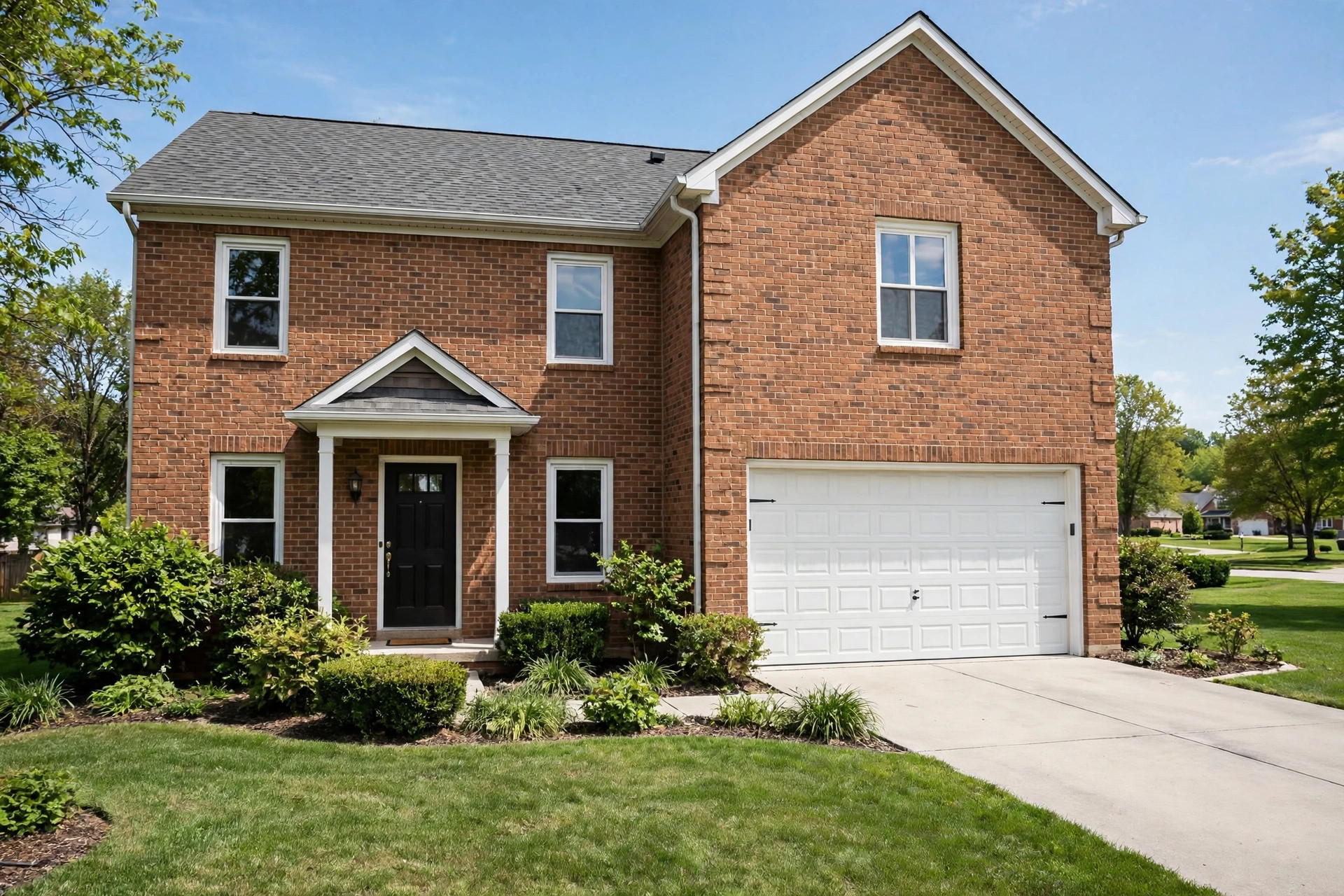
The garage is often the largest opening in an American house. Yet it is also the least insulated part of the home. When winter winds blow or summer heat rises, a thin uninsulated door lets that air flow right in. Top rated insulated garage doors for USA homes solve this problem. They slow heat loss, keep the garage more steady in temperature, and can lower energy bills for the whole house.
This guide explains why insulated garage doors matter, how to pick one, what the main types cost, and how to keep them working for years. You will also find answers to common questions from homeowners across the country.
Why Insulated Garage Doors Matter: Top Rated Insulated Garage Doors for Usa Homes
In many American homes the garage shares a wall with a bedroom, a kitchen, or a family room. When the garage is cold, that cold seeps through the shared wall. When the garage is hot, the house air conditioner works harder. A study on home energy use from the federal energy department has shown that heating and cooling account for a large share of home energy bills. Sealing big gaps, like an uninsulated garage door, is one of the simplest ways to cut waste.
An insulated door uses foam between its panels. This foam slows the movement of heat. The result is a garage that stays warmer in winter and cooler in summer. Your car starts easier on cold mornings. Tools and stored goods last longer. And the room above or next to the garage feels far more comfortable.
Insulation also makes the door stronger. Foam-filled panels resist dents better than hollow single-layer doors. They also run more quietly. Many owners notice that a well-insulated door opens and closes with a smooth, soft sound instead of a loud rattle. This matters if bedrooms sit above the garage.
There is also value at resale. Real estate listings often note a new garage door as a selling point. A curb appeal guide from a well-known home improvement publication explains that the garage door covers a large part of the home’s front face. A handsome insulated door can lift the look of the whole house.
How to Choose the Right Door
Understand R-Value
Insulation is rated by R-value. A higher R-value means better insulation. Garage door R-values in the United States usually run from about 6 to about 18. A door with an R-value near 12 or above gives strong performance for cold climates like Minnesota or Maine. In mild states like Florida or Texas, a mid-range value near 8 may be enough. Check the insulation basics page of the federal energy department to learn how R-value works in simple terms.
Be careful when you compare numbers. Some makers list the R-value of the foam alone. Others list the value of the full door. The full door value is the one that matters. Ask the dealer which number they quote.
Pick the Panel Material
Steel is the most common choice in American homes. Insulated steel doors are strong, hold paint well, and need little care. Look for doors with a baked-on finish. You can find broad style selections at big home stores such as Home Depot and Lowe’s.
Wood doors look warm and classic. They fit older homes and craftsman styles well. But wood needs regular painting or sealing. Wood doors also cost more than steel. For a low-care home, fiberglass or composite doors can copy the look of wood at a lower price.
Aluminum doors are light and resist rust. They work well in coastal states where salt air eats steel. Vinyl doors are another low-care option. They stand up to dents and never rust, which suits families with kids and active garages.
Measure and Fit
Garage doors are sized to the opening, not the room. Measure the width and height of the opening in several spots. Write down the smallest number. Also measure the headroom above the opening and the side room on each side. These numbers tell you if a standard door fits or if you need a custom size. A door measurement guide from a trusted do-it-yourself magazine walks through each step with photos.
Main Types of Insulated Garage Doors
Sectional doors are the most common type in the United States. They are made of panels that slide up on tracks and rest flat under the ceiling. They use space well and come with many insulation options.
Carriage house doors look like old barn doors that swing open, but they really roll up in sections. They suit farmhouse and colonial homes. Many makers now sell insulated carriage house models with foam cores.
Roll-up doors coil into a drum above the opening. They are common in sheds and workshops. Insulated versions exist, though they are harder to find than insulated sectional doors.
Tilt-up doors swing out and up in one piece. They are simple and cheap. But they are hard to insulate well, and they need clearance in front of the garage. Most homeowners who want insulation choose sectional doors instead.
Wind-rated doors deserve a note here. In hurricane zones like Florida and the Gulf Coast, local codes may require doors that stand up to high winds. These doors carry extra bracing. Many wind-rated models are also insulated. Check your local building code before you buy. A siding and exterior materials resource from a major exterior maker notes how storm codes shape product choice in coastal states.
Cost and Price
Price depends on size, material, insulation level, and style. As a rough guide for the American market, a basic insulated steel door for a two-car garage often runs between 1,200 and 2,500 dollars for the door alone. A high-end insulated wood or carriage house door can run 4,000 dollars or more.
Installation usually adds 300 to 800 dollars. Removal of the old door may cost extra. Decorative windows, custom colors, and smart openers raise the price further.
To get a fair price, ask at least three local dealers for written quotes. Make sure each quote lists the same details: door size, R-value, material, track hardware, opener, and labor. A buyer guide from a home expert site explains how to read these quotes side by side.
Ask about the warranty. Most makers offer ten years or more on insulated steel panels. The warranty on paint and hardware may be shorter. Read the terms before you sign. A strong warranty shows that the maker trusts its door.
Do not judge on price alone. A very cheap door may use thin steel and weak hardware. The tracks, springs, and rollers matter as much as the panels. Quality hardware lasts longer and runs more quietly.
Care and Upkeep
An insulated garage door needs little care, but a small yearly routine keeps it working for twenty years or more.
Wash the door twice a year with mild soap and water. This clears road salt and dirt that can wear the finish. Rinse well and let it dry.
Oil the moving parts once a year. Use a light spray oil on rollers, hinges, and tracks. Do not use heavy grease, which collects dust. A maintenance checklist from a popular home site gives a simple seasonal schedule.
Check the weather seals at the bottom and sides each fall. Worn seals let cold air in and defeat the insulation. Replacement seals are cheap and slide into place with basic tools.
If you live in a snowy state, brush snow away from the bottom seal after each storm. Salt and slush wear seals fast. A quick sweep keeps the seal tight and dry through the whole winter.
Test the door balance once a year. Pull the release cord and lift the door halfway by hand. It should stay put. If it falls or rises, call a repair tech. Springs under tension are dangerous, so never adjust them yourself.
Look at the opener’s auto-reverse each month. Place a roll of paper towels under the door and close it. The door should reverse when it touches the roll. This simple test protects children and pets.
Safety Tips
Garage doors are heavy. Springs and cables hold great force. These rules keep your family safe.
Keep children away from a moving door. Teach them never to race under it. Keep remote controls out of their reach.
Never place fingers between door sections. The pinch points can hurt small hands.
Mount the wall button at least five feet off the floor, out of the reach of young children.
If a spring breaks, do not try to open the door by force. Call a trained repair person. A broken spring can make the door drop fast.
When you leave for a trip, lock the door with a manual slide lock if your model has one. Also unplug the opener so no stray signal can open it.
Home safety experts at Consumer Reports advise testing safety features monthly and keeping the owner’s manual where adults in the house can find it.
Frequently Asked Questions
Are insulated garage doors worth the cost? For most homeowners, yes. They cut heat loss, run quieter, resist dents, and can lower energy bills. If a bedroom or living room shares a wall with the garage, the comfort gain alone often justifies the price.
What R-value should I pick? Match the value to your climate. Cold northern states benefit from R-12 to R-18. Mild southern states do fine with R-6 to R-10. Homes in the middle of the country often choose R-10 to R-12. Your dealer can advise based on local winters.
Can I insulate my old garage door instead of replacing it? Foam board kits exist for this job. They help, but they rarely match a factory-insulated door. The kits add weight, which can strain old springs and openers. If your door is more than fifteen years old, replacement usually gives better results.
Do insulated doors need a special opener? Most work with standard openers. But a well-insulated door is heavier than a hollow one. Make sure the opener is rated for the door’s weight. A 3/4 horsepower opener suits most insulated two-car doors. Chain drives are strong but noisy. Belt drives cost more but run quietly, which matters under bedrooms.
How long does installation take? A trained crew usually installs a standard door in three to five hours. Custom sizes or structural repairs to the frame can add time. Most jobs finish in one day.
Will an insulated door raise my home value? It can help. Appraisers and buyers notice new exterior features. A new insulated door improves looks, comfort, and energy use. While no single feature sets the price, a fresh door makes the home more attractive in listings and showings.
A Short Final Word
Top rated insulated garage doors for USA homes are a smart upgrade for comfort, quiet, and energy savings. Start by matching the R-value to your climate. Choose a panel material that fits your home style and your care routine. Get three written quotes, check the hardware quality, and plan simple yearly care. Do this, and your door will serve you well for decades.
If you are planning wider exterior upgrades, you may also want to read our guides on professional grade exterior door replacement for homeowners, energy efficient sliding patio doors buying guide, and metal roofing installation cost guide usa.
References
Bob Vila. (n.d.). Home improvement advice. https://www.bobvila.com Consumer Reports. (n.d.). Product reviews and ratings. https://www.consumerreports.org Family Handyman. (n.d.). DIY home repair and maintenance. https://www.familyhandyman.com James Hardie. (n.d.). Fiber cement siding and exterior products. https://www.jameshardie.com Lowe’s. (n.d.). Home improvement products. https://www.lowes.com The Home Depot. (n.d.). Home improvement products. https://www.homedepot.com The Spruce. (n.d.). Home and garden advice. https://www.thespruce.com This Old House. (n.d.). Home renovation guidance. https://www.thisoldhouse.com U.S. Department of Energy. (n.d.). Energy efficiency and renewable energy. https://www.energy.gov
Was this guide helpful?

About Jennifer Lee
The My Garden US editorial team writes practical, in-depth home and garden guides for American homeowners — tested advice, no fluff.
You May Also Like

Where to Buy Asphalt Shingle Roofing in Arizona
May 24, 2026 0 views
Budget Friendly Exterior Stair Railings for Cold Climates
July 29, 2026 0 views
Asphalt Shingle Roofing Price Comparison USA: What Homeowners Pay and Why
August 24, 2026 0 views