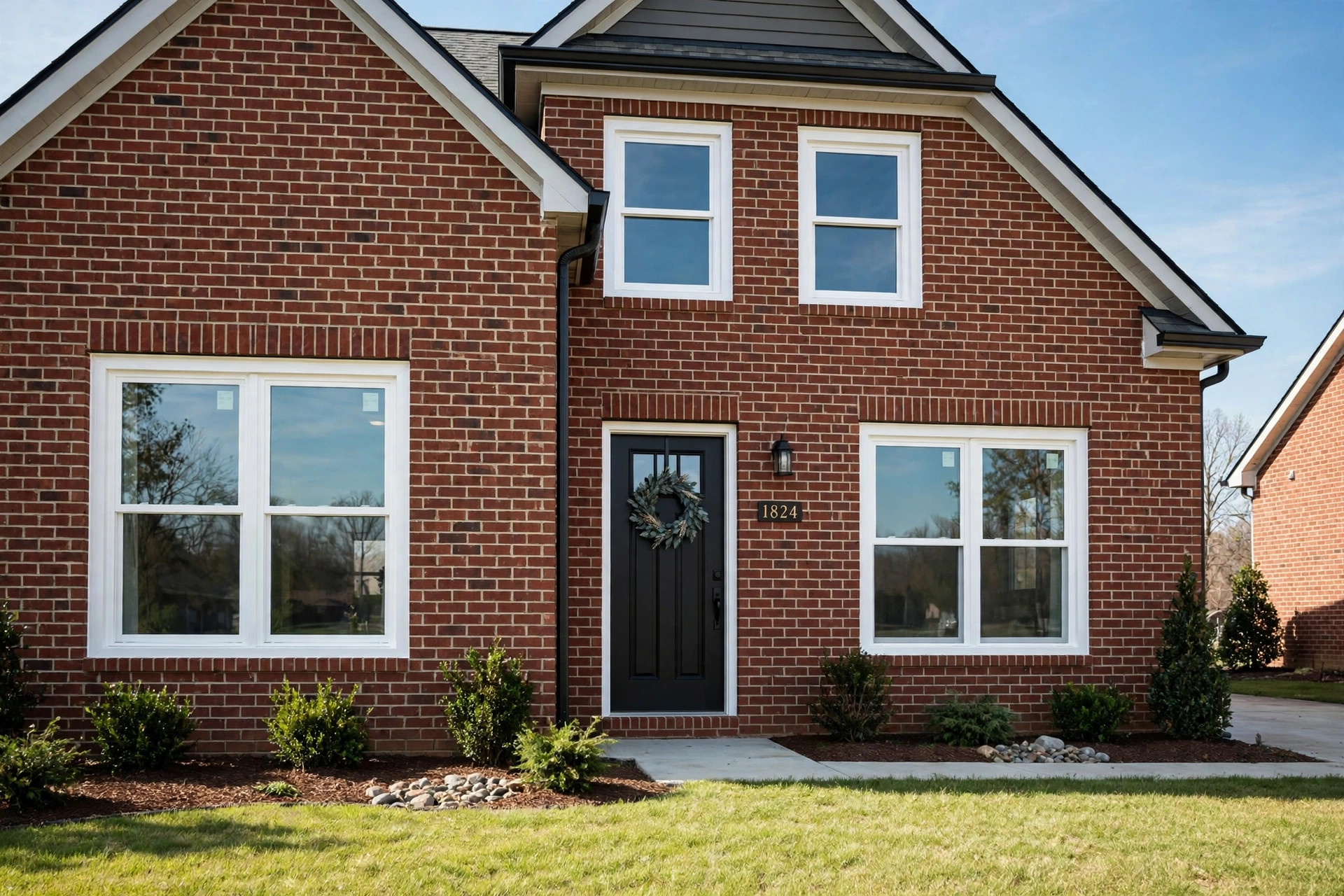

When old windows start to leak air, sweat with water, or stick in their frames, most owners search for the best replacement window installation near me. The search makes sense. Window work is skilled labor. A good window put in badly will leak just as much as a cheap one. This guide walks you through the whole job in plain words: why it matters, what to look for, the types of windows, fair costs, care, and safe work habits. By the end you will know how to hire the right crew and what questions to ask them.
Why New Windows Matter
Windows do more than let in light. They hold back wind, rain, dust, and noise. They keep warm air in during winter and cool air in during summer. Old single pane windows waste a lot of energy. Glass and frames age. Seals break. Wood rots. Metal frames bend. Each small fault adds to the heating and cooling bill.
New windows can cut energy waste by a clear amount. The U.S. Department of Energy notes that heat loss through windows is a large share of home energy use. The ENERGY STAR program marks windows that meet strict efficiency rules. Choosing marked products is one easy way to know the glass and frame meet a known test.
New windows also lift the value of a home. Buyers notice clean glass, tight frames, and easy locks. Sellers often see the change in the first showing. A home with fresh windows looks cared for from the street.
Comfort matters too. Drafts make rooms cold near the glass. Hot sun makes some rooms feel like ovens. Modern double pane glass with low emissivity coatings steadies the indoor feel. For help with affordable roof replacement contractors for homeowners, new siding, or top rated insulated garage doors for texas homes, the same care in hiring applies: check the license, read reviews, and get the promise in writing.
What to Look For in an Installer: Best Replacement Window Installation near Me
Finding the best replacement window installation near me starts with a short list of local firms. Ask friends and neighbors. Check review sites. Then judge each firm on a few hard facts.
License and insurance. Most states require a contractor license for window work. Ask for the number. Check it with the state board. Ask for proof of liability insurance and workers compensation. If a worker is hurt on your land, you do not want the bill.
Years in the trade. Window firms come and go. A firm with ten or more years of local work is more likely to honor a warranty. Ask how many installs they finish each year.
Certified installers. Makers train and test installers. An installer certified by a major maker knows that maker’s frames and flashing. The This Old House site explains how proper flashing keeps water out of the wall. Bad flashing is the most common cause of leaks after new windows go in.
Local references. Ask for three recent jobs near your zip code. Call the owners. Ask if the crew showed up on time, kept the home clean, and finished when promised.
A written quote. A good quote lists each window by size and type, the frame material, the glass package, and the labor price. It states who removes old windows and haul away debris. Vague quotes lead to surprise charges.
Types of Replacement Windows
Most homes use one of a few frame types. Each has strengths.
Vinyl windows. Vinyl is the most common choice in the United States. It costs less than wood or fiberglass. It never needs paint. It resists rot and bugs. Modern vinyl holds its shape well. For many homes it is the best value.
Wood windows. Wood looks warm and classic. Old homes often keep wood to match the style. Wood needs paint or stain to last. It costs more. It suits owners who love the look and accept the upkeep.
Fiberglass windows. Fiberglass is strong and stiff. It moves little with heat and cold. That means the seal stays tight for many years. It can be painted like wood. It costs more than vinyl but lasts long.
Aluminum windows. Aluminum is light and strong. It suits hot, dry climates. Plain aluminum conducts heat, so look for a thermal break, a plastic strip inside the frame that slows heat flow.
Composite windows. Composite blends wood fiber and plastic. It looks like wood and lasts like vinyl. It sits in the middle price range.
Glass matters as much as the frame. Double pane glass with argon gas between panes is the common standard. Triple pane adds more insulation and costs more. Low emissivity coatings are thin metal films on the glass. They let light in and slow heat loss. The Bob Vila site has clear guides on how these coatings work in hot and cold climates.
How to Choose the Right Windows for Your Home
Start with your climate. Cold states need low U factor windows. Hot states need low solar heat gain numbers. The ENERGY STAR label sorts windows by climate zone. Pick the zone that matches your home.
Next, count how many windows truly need work. Some owners replace all at once for one uniform look. Others replace the worst rooms first and finish later. Both plans work. Doing all at once often brings a lower price per window.
Think about style. Double hung windows slide up and down and suit older homes. Casement windows crank open and seal tight. Sliding windows glide side to side and cost less. Picture windows do not open and give the best view.
Check the warranty. Good makers offer twenty years or more on glass seals. Frames often carry a lifetime limited warranty to the first owner. Read the fine print. Some warranties void if the wrong caulk is used. Ask your installer which products keep the warranty valid.
Finally, measure noise. If you live near a road or airport, ask about sound rated glass. Laminated glass cuts street noise more than plain double pane. The The Spruce site compares glass options for noise and energy in plain terms.
Cost and Price
Cost is the first question most owners ask. A fair price for best replacement window installation near me depends on window count, frame type, glass, and local labor.
A single vinyl window installed often runs from about three hundred to eight hundred dollars. Wood windows often run from eight hundred to fifteen hundred dollars each. Fiberglass and composite sit between. Large picture windows, bay windows, and custom shapes cost more.
Labor usually forms one quarter to one third of the bill. Full frame replacement costs more than insert replacement. In a full frame job, the crew removes the whole old frame down to the studs and sets a new unit with fresh flashing. In an insert job, the new window slips into the old frame. Insert jobs are faster and cheaper but only suit frames that are square and sound.
Get at least three written quotes. Each should use the same window count and type so you compare fairly. Beware of prices far below the rest. Very low bids often mean thin frames, rushed labor, or no warranty. Also beware of high pressure sales. A firm that demands a signature today is a firm to avoid.
Ask about payment terms. A common plan is one third down, one third at delivery, and the rest on final walk through. Never pay the full amount before the work starts.
The Installation Day
A neat crew follows a set routine. Knowing it helps you judge the work.
First, the crew covers floors and moves furniture from each window. Then they score the old caulk and remove the old sashes. Old glass goes into safe bags or bins.
Next, they check the opening. Rot in the sill or frame must be fixed before the new unit goes in. A good crew shows you any rot and quotes the repair before they hide it.
Then they set the new window. Shims level it. Screws hold it to the frame. Flashing tape seals the edges to the house wrap. Foam or caulk fills gaps. The crew checks that each window opens, closes, and locks with ease.
At the end of the day, they haul away old windows and sweep the work area. Walk through each room with the lead installer. Open every window. Check the locks. Look at the caulk lines from inside and out.
Care and Upkeep
New windows need little care, but a small routine keeps them working for decades.
Clean the glass twice a year with mild soap and water. Avoid harsh powders that scratch coatings. Clean the tracks of sliding windows so they glide smooth.
Check the weep holes. These small slots at the bottom of frames let rain drain out. Dust and paint can block them. Clear them with a thin brush.
Inspect caulk each fall. If caulk cracks or pulls away, cut it out and lay a fresh bead. Good exterior caulk lasts five to ten years.
Oil locks and hinges once a year with a light spray. Wipe wood frames and touch up paint where it peels. The Family Handyman site shows simple yearly checks that take one afternoon.
Watch for fog between panes. Fog means the seal broke. Most glass units carry a long seal warranty. Call the maker or installer with the window serial number.
Safety During the Job
Window work is safe when done right, but a few rules protect your family.
Keep children and pets away from work areas. Glass shards can hide in grass and carpet. A good crew lays drop cloths and sweeps often, but you should still keep the area clear.
Old homes may hold lead paint. Federal law requires certified firms to follow lead safe rules when they disturb paint in homes built before 1978. Ask your installer if they are lead safe certified. This one question protects your whole family.
On upper floors, installers work on ladders and scaffolds. Stay clear of the drop zone below. Do not let children play near the truck or the dumpster.
After the job, test each lock before nightfall. Make sure every room has a working window for escape in a fire. Building codes require a clear escape opening in bedrooms. Your installer should know the local size rules.
FAQ
How long does window installation take? Most homes take one to two days. A crew of two or three can set ten to fifteen windows a day. Custom shapes and full frame jobs take longer. Bad weather can pause the work.
Can I replace windows in winter? Yes. Crews replace one window at a time, so the home is never open for long. Indoor heat loss during each swap is small. Some firms offer lower winter prices.
Do I need a permit? Many towns require a permit for window work, and some require it only when the opening size changes. Your installer usually pulls the permit. Ask before the job starts. Unpermitted work can slow a future home sale.
Will new windows cut my energy bill? New efficient windows cut the part of the bill tied to heat loss through glass. How much you save depends on how bad the old windows were and on your climate. Owners with single pane windows often see the clearest drop.
Should I replace all windows at once? It is not required. Many owners replace the worst ones first. Doing all at once gives one look, one warranty start date, and often a better per window price. Either plan is fine if the quote is honest.
How do I spot a bad installer? Watch for these signs: no license number, no local address, a demand for full payment up front, a price far below other bids, and pressure to sign today. A good firm answers hard questions with calm, plain facts.
A Short Final Word
Searching for the best replacement window installation near me is the right first step. The second step is slower: check licenses, read the quote line by line, and ask about the warranty. The firms that welcome these questions are the firms you want on the job. Good windows, set with care, pay you back every day in comfort, quiet, and lower bills. Take your time, hire well, and enjoy the clear view.
Buying guides are also published by Lowe’s and James Hardie. Related guides on this site include insulated vinyl siding price comparison usa.
References
Bob Vila. (n.d.). Home improvement advice. https://www.bobvila.com ENERGY STAR. (n.d.). Energy efficient products. https://www.energystar.gov Family Handyman. (n.d.). DIY home repair and maintenance. https://www.familyhandyman.com James Hardie. (n.d.). Fiber cement siding and exterior products. https://www.jameshardie.com Lowe’s. (n.d.). Home improvement products. https://www.lowes.com The Spruce. (n.d.). Home and garden advice. https://www.thespruce.com This Old House. (n.d.). Home renovation guidance. https://www.thisoldhouse.com U.S. Department of Energy. (n.d.). Energy efficiency and renewable energy. https://www.energy.gov
Was this guide helpful?

About Michael Thompson
The My Garden US editorial team writes practical, in-depth home and garden guides for American homeowners — tested advice, no fluff.
You May Also Like

Top Rated Asphalt Shingle Roofing for USA Homes: A Buyer Guide
January 10, 2026 0 views
Weather Resistant Exterior House Painting Services for Homeowners
July 3, 2026 0 views
Weather Resistant Composite Decking Materials for Sale
January 17, 2026 0 views