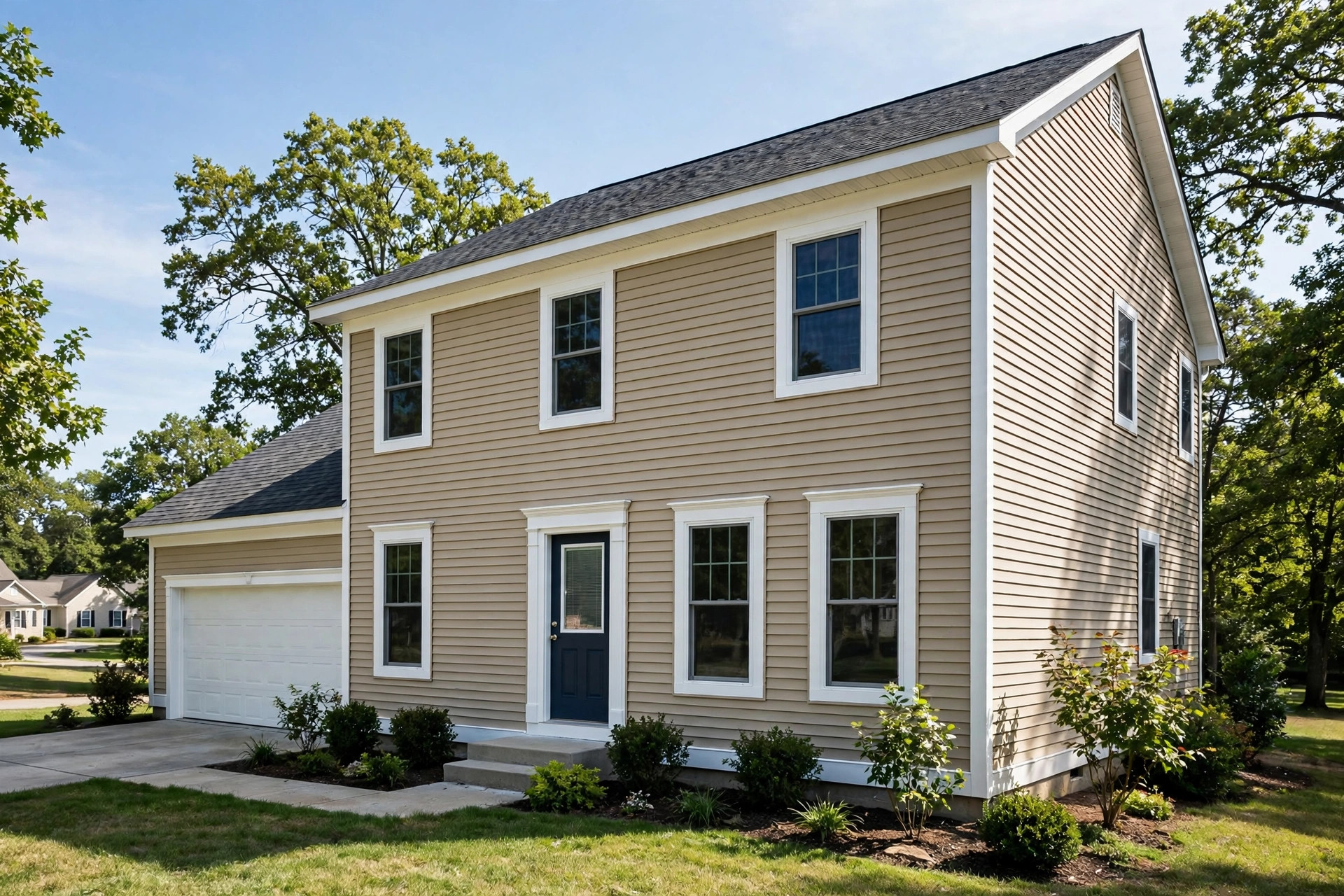

Top rated exterior trim replacement reviews can save you from an expensive mistake. Trim is the wood or plastic board around your windows, doors, and roofline. It looks small. But when it rots or cracks, water gets in. Water brings mold and damage. Good trim keeps your home dry. It also makes the whole house look cared for. This guide walks you through real reviews, materials, costs, and care. By the end, you will know what to buy, what to skip, and how to read a review like a pro.
Why Exterior Trim Matters
Trim is the finishing frame of your house. It covers the joints where siding meets windows and doors. It hides rough edges. It sheds water away from openings. When trim fails, paint peels. Boards swell. Insects move in. Repair costs climb fast. A full trim replacement is not cheap. Reviews help you pick materials that last.
Many homeowners learn this the hard way. They pick the cheapest board at the store. Two years later, it is soft and spongy. A second job costs more than the first one would have cost with good material. Review sites like The Spruce often compare how trim brands hold up in rain and sun. Reading several reviews takes an hour. It can save you thousands of dollars.
How to Read Trim Reviews With Care: Top Rated Exterior Trim Replacement Reviews
Not every review is honest. Some are paid ads in disguise. Here is how to read them well.
First, look for reviews that name the tester and the test. A good review tells you how long the trim sat outside. It tells you the climate. A board tested in dry Arizona tells you little about how it will do in wet Oregon.
Second, watch out for perfect scores with no detail. Real testers find small flaws. They mention hard corners, weak paint adhesion, or tricky cuts. A review that praises everything is often an ad.
Third, check the date. Trim makers change formulas and mills change sources. A review from ten years ago may not match the board you buy today. Look for reviews from the last two or three years.
Fourth, read user reviews on big retail sites too. Shoppers on Home Depot and Lowe’s often post photos of their trim after one or two winters. Photos do not lie. They show real rot, real warping, and real paint failure.
Finally, compare more than one source. One site may love a brand. Another may rank it in the middle. When Bob Vila, This Old House, and Family Handyman all agree, you can trust the result.
Types of Exterior Trim
Reviews rate four main materials. Each has strengths and weak points. The best choice depends on your climate, your budget, and how much care you will give the trim.
Wood Trim
Wood trim is the classic choice. It is usually pine, cedar, or redwood. Carpenters love wood because it cuts clean and holds paint well. It looks right on older homes. Reviews praise its beauty. They also warn about rot.
Pine is the cheapest wood trim. It rots fast if paint cracks. Cedar costs more. It resists insects and decay on its own. Redwood is also strong against rot but is hard to find in some regions. Reviews note that all wood needs good paint and good flashing. Without them, even cedar fails.
If you live in a dry climate, wood trim can last twenty years or more with care. In wet regions, expect less. Reviewers in the Pacific Northwest often move away from wood for this reason. Still, for historic homes, wood is often the only choice that looks correct.
PVC and Composite Trim
PVC trim is plastic board made to look like wood. Reviews rate it very high for low care. It never rots. Insects ignore it. It does not need primer before painting, though paint helps. It bends a little more than wood in heat. Dark paint can make it warp in strong sun.
Composite trim blends wood fiber and plastic. It feels more like wood when you cut it. Reviews say it paints well and holds nails well. It costs less than PVC in many stores. It is heavier than PVC. Some brands swell at cut ends if they are not sealed.
Reviewers like PVC best for wet climates. It is the top pick in many coast and lake regions. The main complaint is price. PVC costs two to three times more than pine. Many reviewers say the price is worth it because you never replace it twice.
Fiber Cement Trim
Fiber cement trim is made from cement, sand, and cellulose fiber. Brands like James Hardie lead this market. Reviews praise its strength. It does not rot. It does not burn. Insects cannot eat it. It holds paint for ten to fifteen years.
The weak point is weight and dust. Fiber cement boards are heavy. Cutting them makes fine dust, so workers wear masks and use special blades. Reviews note that installation costs more because the work is slower. Some reviewers also note that thin fiber cement trim can chip if hit hard.
For homes with fiber cement siding, matching fiber cement trim is the natural pick. The two materials expand and contract in a similar way. Reviews often rate this combination as the most durable siding system sold today.
Aluminum Trim
Aluminum trim is thin metal formed around a wood core or used as coil stock. Roofers often bend aluminum coil on site to wrap old wood trim. This is called capping. Reviews say capping is a smart fix when the old trim is sound but ugly. It is much cheaper than full replacement.
The downside is dents. Hail and ladders dent aluminum. The color is baked on, so a deep scratch shows bare metal. Reviews from storm-prone states mention this often. Aluminum trim also fades over time. It can look chalky after fifteen years in strong sun.
Still, for budget jobs, aluminum capping gets good marks. It seals old wood from water. It never needs paint. Many reviewers call it the best value fix for rental homes.
What to Look for When You Choose Trim
Reviews agree on a short list of traits. Use this list when you shop.
Rot resistance. This is the number one trait in every review. The best boards earn their rating by staying solid after years of wet tests. PVC and fiber cement lead here. Treated wood follows. Plain pine ranks last.
Paint hold. Trim lives or dies by its paint. Good boards grip primer and paint for years. Reviews test this by painting boards and leaving them outside. Boards with factory primer score higher. Wood with open grain scores lower because it drinks paint unevenly.
Workability. A board that cracks when nailed is a bad board. Reviewers test this by nailing near the ends. Wood and composite usually pass. Fiber cement needs pre-drilling near edges. Reviews mention this because it slows the job and raises labor cost.
Dimensional stability. Boards that swell and shrink will open gaps. Gaps let water in. PVC moves more with heat than other boards. Fiber cement moves the least. Reviews in hot climates rank PVC lower for this reason. In mild climates, the difference is small.
Warranty. Makers stand behind good boards. Look for warranties of twenty years or more. Read the fine print. Some warranties cover rot but not paint failure. Others demand exact installation steps. A long warranty means little if it is full of holes.
Price per foot. Compare boards by the linear foot, not by the board. A cheap board that rots in five years costs more over time than a pricey board that lasts thirty. Reviews that include cost math are the most useful ones.
If your home also needs nearby repairs, plan the work together. Trim and soffit often fail at the same time. Read our guide on weather resistant soffit and fascia repair for homeowners before you call a contractor. Door trim is part of the same system too, as covered in our professional grade exterior door replacement for homeowners guide.
Cost and Price
Reviews often include price ranges. Here is what recent reviews report across the United States.
Material cost per linear foot: – Pine trim: one to three dollars – Cedar trim: three to seven dollars – PVC trim: three to eight dollars – Composite trim: two to six dollars – Fiber cement trim: two to five dollars – Aluminum capping: one to two dollars for the coil, plus labor
Labor is the big cost. Full trim replacement on a two-story home often runs five thousand to fifteen thousand dollars. The price depends on the amount of trim, the height of the work, and the material. Fiber cement and PVC cost more to install because they are harder to cut and fit.
Reviews stress one point: get three bids. Prices vary widely between contractors. A low bid that skips flashing and sealing is not a bargain. Ask each bidder what material they plan to use. Ask for the brand name. Then look up reviews for that brand. Reviewers on retail sites often name the exact brand they installed, which makes this check easy.
Trim work pairs well with siding work. If you are pricing a bigger job, our vinyl siding installation cost guide usa will help you compare numbers.
Some makers, like CertainTeed, sell trim, siding, and accessories as one system. Reviews note that buying one system can lower the total cost. The colors match. The warranties line up. Ask your contractor if a single-brand system fits your budget.
Care and Upkeep
Even the best trim needs some care. Reviews of long-term performance always mention upkeep. Here is what each material needs.
Wood trim. Check paint every two years. Touch up cracks and chips at once. Keep sprinklers away from the boards. Caulk gaps where trim meets siding. With care, painted cedar lasts fifteen to twenty years. Without care, pine can fail in five.
PVC trim. Wash it once a year with soap and water. Do not use a strong pressure washer up close. It can dent the surface. If you paint PVC, use paint made for plastic. Light colors hold up best in hot sun.
Fiber cement trim. Wash it each year. Repaint when the color fades, about every ten to fifteen years. Keep soil and mulch six inches below the bottom of the trim. Check caulk joints each spring.
Aluminum trim. Wash it with a garden hose and mild soap. Touch up scratches with matching paint from the maker. Watch for chalking. A light wax coat can slow it, but most owners skip this step.
One habit helps every material: walk around your home each spring. Look at the trim with your own eyes. Push on suspect boards with a screwdriver. Soft spots mean rot or water entry. Catching trouble early turns a small repair into a cheap fix instead of a full replacement.
Safety
Trim work involves ladders, saws, and old paint. Take safety as seriously as the material choice.
Ladders. Most trim sits high on the house. Use a ladder that reaches three feet above the work area. Set it on firm, level ground. Have a helper hold the base. Falls are the top injury in home repair. Do not stretch. Move the ladder instead.
Lead paint. Homes built before 1978 may have lead paint on the trim. Do not sand or scrape it without a test. Lead dust harms children and adults. Buy a test kit at the hardware store. If the test is positive, hire a certified lead-safe contractor. Federal rules require special handling.
Dust. Cutting fiber cement makes dust that harms lungs. Wear a dust mask or respirator. Cut boards outside when you can. PVC dust is less harmful but still worth a mask.
Tools. Trim saws are sharp and fast. Keep fingers clear of the blade path. Wear safety glasses. A small chip in the eye can end a workday at the hospital.
If any of this sounds risky, hire a pro. Reviews of contractors matter as much as reviews of boards. Check references. Ask to see past jobs. A skilled installer makes even mid-grade trim perform well.
Frequently Asked Questions
What is the best exterior trim material overall? Reviews most often name PVC trim as the best all-around pick. It never rots. It needs almost no care. It costs more up front. For dry climates, cedar is a strong classic pick. For the longest life with siding, fiber cement wins.
How long does exterior trim last? It depends on the material and care. Painted pine lasts five to twelve years. Cedar lasts fifteen to twenty years with good paint. PVC and fiber cement last twenty-five years or more. Aluminum capping lasts fifteen to twenty years before it fades or dents.
Can I replace exterior trim myself? Yes, if you are handy and the work is low. Ground-level window trim is a fair do-it-yourself job. High trim on a second story is riskier. You need a tall ladder and good balance. Most reviewers suggest hiring a pro for anything above the first floor.
Does new trim need to be painted? Wood trim must be painted or stained on all six sides, including cut ends. PVC trim can go unpainted, but paint adds color and sun protection. Fiber cement trim comes primed and must be painted within ninety days. Always follow the maker’s guide.
How much does it cost to replace trim on a whole house? Most full-house jobs cost between five thousand and fifteen thousand dollars. Small homes with simple trim run lower. Large homes with detailed trim run higher. Material choice moves the price a lot. Get three written bids before you decide.
Is PVC trim worth the extra cost? Reviewers say yes for wet climates. The extra cost pays back because the trim never rots and never needs replacement. In dry climates, the payback is slower. Cedar or composite may serve just as well for less money.
A Final Word
Top rated exterior trim replacement reviews all point to one lesson. The board you choose matters less than the care you give it. Good flashing, good paint, and quick repairs beat any brand name. Read several reviews. Pick a material that fits your climate. Hire a careful installer. Check the trim each spring. Do these simple things and your new trim will serve your home for decades.
References
Bob Vila. (n.d.). Home improvement advice. https://www.bobvila.com CertainTeed. (n.d.). Building materials and exterior products. https://www.certainteed.com Family Handyman. (n.d.). DIY home repair and maintenance. https://www.familyhandyman.com James Hardie. (n.d.). Fiber cement siding and exterior products. https://www.jameshardie.com Lowe’s. (n.d.). Home improvement products. https://www.lowes.com The Home Depot. (n.d.). Home improvement products. https://www.homedepot.com The Spruce. (n.d.). Home and garden advice. https://www.thespruce.com This Old House. (n.d.). Home renovation guidance. https://www.thisoldhouse.com
Was this guide helpful?

About Robert Taylor
The My Garden US editorial team writes practical, in-depth home and garden guides for American homeowners — tested advice, no fluff.
You May Also Like

Energy Efficient Fiberglass Entry Doors Buying Guide
September 30, 2026 0 views
Best Garage Door Replacement for Homeowners: What to Know Before You Buy
February 16, 2026 0 views
Top Rated Soffit and Fascia Repair Reviews: How to Find a Contractor You Can Trust
July 23, 2026 0 views