
Introduction
Every American home gathers its share of dust, grease, and grime. Most homes also gather a shelf full of cleaners that live in different rooms. One bottle sits under the kitchen sink. Another hides in the bathroom cabinet. The dust spray waits in the hall closet. When cleaning day comes, the search takes longer than the job.
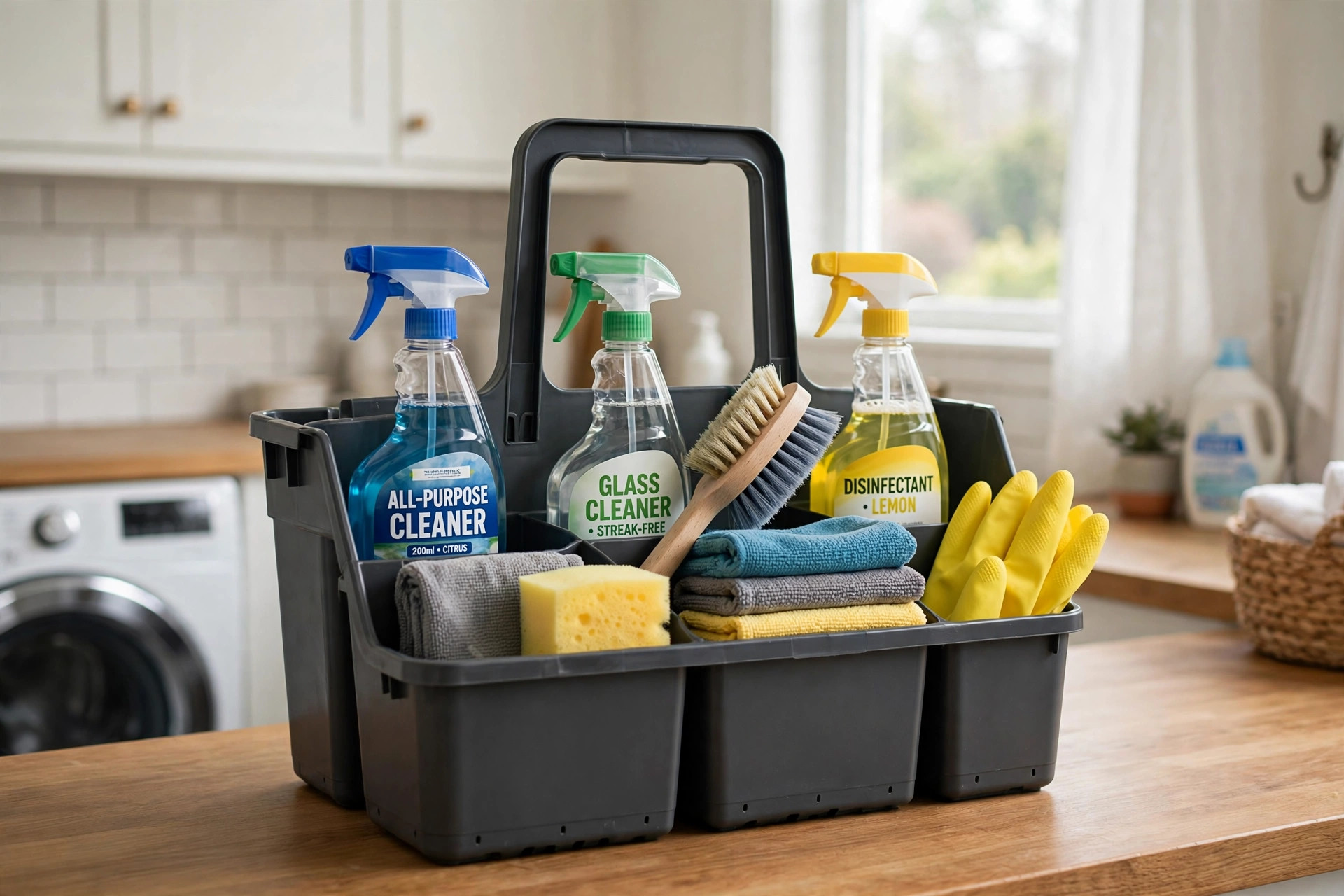
The best all purpose cleaning caddies for usa homes solve this problem in a plain way. A caddy is a handled tote that holds all of your cleaners at once. You fill it, carry it from room to room, and put it away when the work is done. Nothing stays scattered. Nothing gets lost.
In the sections below, we explain why a caddy matters, what to look for, the main types, what they cost, how to care for one, and how to use one safely. We also answer the most common questions from shoppers.
Why a Cleaning Caddy Matters: Best All Purpose Cleaning Caddies for Usa Homes
Cleaning takes time. Most of that time goes to the work itself, but a fair share goes to fetching supplies. Studies of household labor show that repeated small trips slow any chore down. A caddy cuts those trips to one.
A caddy also protects your cleaners. Bottles knock against each other in a bag or a sink basin. They leak. Labels smear. A caddy has walls and dividers that keep each item upright and apart. That small bit of order makes each product last longer and work better.
There is a third reason that many people miss. A caddy makes cleaning more likely to happen. When the tools are packed and ready, a fifteen-minute cleanup feels easy. When they are scattered, the same job feels like a project. Homes that keep a caddy ready tend to stay tidier week to week.
Finally, a caddy helps in shared homes. Roommates, teens, and hired help all reach for the same kit. Nobody has to guess where the glass cleaner lives. Everything needed for the whole house travels together.
What to Look for When You Buy
The stores carry dozens of caddies. They differ in size, handle, material, and layout. A little thought before you buy will save you a return trip.
Size and Capacity
Think about what you actually carry. A small apartment dweller needs room for perhaps six to eight items: an all-purpose spray, a glass cleaner, a scrub brush, a couple of cloths, and a dusting tool. A family in a five-bedroom house may carry twice that.
Measure your tallest bottle first. Many spray bottles stand about ten inches tall. A caddy that is too short forces you to lay bottles sideways, and sideways bottles leak. The base should be wide enough that the tote does not tip when you set it on a stair step.
Most shoppers find a middle size works best. It holds the daily kit without turning into a heavy bucket. Very large caddies look useful in the store and grow tiresome on the stairs.
The Handle
The handle decides how the caddy feels in daily use. A single tall handle in the center lets you carry the tote in one hand with the other hand free. That matters when you are also opening doors or carrying a mop.
Check that the handle is strong and smooth. Thin plastic handles bend under a full load and cut into the palm. Look for a grip that is thick enough to hold without pain. Some handles fold flat so the caddy slides under a sink.
Compartments and Layout
Dividers keep small items from sinking to the bottom. A good caddy has one large well for tall bottles and a row of smaller pockets around the edge. The edge pockets hold sponges, brushes, cloths, and scrub pads where you can see them.
Open pockets beat zipped pouches for cleaning supplies. You want to grab and go, not fight a zipper with wet hands. A mesh side pocket is a fine place for used cloths or rubber gloves.
Material and Build
Most caddies are made of plastic, canvas, or fabric over a frame. Plastic models wipe clean and resist spills. They are the best pick for homes with strong cleaners or messy jobs.
Canvas and fabric caddies look softer and fit nicely on open shelves. They weigh less. The trade is that they soak up spills and need washing now and then. Check that fabric models have a waterproof liner before you buy.
Whichever material you choose, make sure the base is solid. A floppy base lets bottles tilt, and tilted bottles leak. Independent testers at Consumer Reports often note that sturdy construction matters more than extra features in simple storage items.
Types of All Purpose Cleaning Caddies
Not all caddies follow the same design. Each type suits a different kind of home and cleaner.
Classic bucket caddies are the most common. They have a wide open center, a tall handle, and pockets around the outside. They carry the most and cost the least. Their size is their weakness: a fully loaded bucket caddy can grow heavy.
Two-sided totes have a tall center divider with deep wells on each side. One side holds sprays, the other holds brushes and tools. The divider adds order for people who carry many small items. These totes are a good fit for homes that stock several specialty cleaners.
Compact caddies are built for apartments and quick touch-ups. They hold the basics and nothing more. They are light, easy to store, and easy to carry with one finger. Their limit is plain: they cannot hold a full supply kit.
Caddies with a spray-bottle rack are newer. They have slots sized for standard spray bottles, so each bottle stands locked in place. Nothing tips in the car or on the stairs. These models cost more, but they are worth a look if you clean more than one floor.
Rolling caddies sit on wheels. They suit people who clean large homes or who have trouble carrying weight. You pull rather than lift. The trade is that wheels need smooth floors and take up more storage room.
Shoppers who want everyday buying advice can read cleaning guides from Good Housekeeping, which test household products under real conditions.
What About the Supplies Inside?
A caddy is only as good as what you pack in it. Most American homes need the same short list: an all-purpose spray, a glass cleaner, a bathroom cleaner, a scrub brush, a sponge, a set of cloths, rubber gloves, and a dusting tool.
A microfiber cleaning cloth set is worth a place in every caddy. Microfiber lifts dust and grime with little soap. It washes well and lasts for hundreds of uses. Pack four or five cloths so you always have a clean one.
For tough spots, a carpet stain remover kit can ride along in a side pocket. It turns a fresh spill into a small job instead of a disaster. Keep the kit small so it does not crowd out daily supplies.
Power tools have their place too. A cordless electric scrubber can sit beside the caddy for tile and tub work. It saves the wrists on deep-clean days.
For project ideas and upkeep tips, the cleaning guides at The Spruce cover room-by-room routines that pair well with a packed caddy.
Cost and Price
Cleaning caddies are not dear. Most fall into three plain price bands.
Budget caddies cost about five to twelve dollars. They are simple plastic totes with a handle and open pockets. They do the job for apartments and light use. The handle may feel thin, and the plastic may flex, but for the price they are hard to beat. Discount shelves at Walmart often carry these models.
Mid-range caddies run twelve to twenty-five dollars. This band holds most of the best sellers. The plastic is thicker, the handle is comfortable, and the dividers are well placed. Many homes will find their keeper here. Big-box stores such as Home Depot and Lowe’s stock wide selections in this range.
Premium caddies cost twenty-five dollars and up. They offer thick fabric, metal frames, locking bottle slots, or padded grips. They suit people who clean for a living or who simply want the best. Style-conscious shoppers often browse Target for models that look good on open shelving.
A caddy should last for years. Even the priciest model costs less than one visit from a cleaning service. Buy the best build you can afford, and you will not need to buy twice.
Care and Upkeep
A caddy touches soap, bleach, and grime every week. A little care keeps it fresh and safe.
Wipe a plastic caddy after each use. A damp cloth and a drop of dish soap will do. Pay attention to the bottom corners, where leaks pool. Once a month, wash the whole tote in the sink with warm soapy water and let it air dry.
Wash fabric caddies by hand. Turn them inside out and scrub the liner. Never put a structured caddy in the washing machine unless the maker says so. Heat and tumbling can warp the frame.
Check bottle caps now and then. A slow leak in a stored caddy can eat through labels and stain the tote. Toss any cleaner that has changed color or smell. Old products lose their power and can turn unsafe.
Replace worn sponges and frayed cloths. A caddy full of tired tools makes every job harder. The home guides at Bob Vila remind readers that fresh tools are the cheapest upgrade in the house.
Safety
Cleaning products are chemicals. A caddy that holds them must be handled with care.
Keep the caddy out of reach of children and pets. A locked cabinet under the sink is ideal. Never let a child carry the caddy, even for fun. One open bottle of bathroom cleaner can cause real harm.
Never mix cleaners. Bleach and ammonia together make a gas that can injure the lungs. Vinegar and bleach are another dangerous pair. Use one product at a time and rinse between steps. The EPA’s safer product pages list cleaners that meet federal standards for safer chemistry, which is a good place to start when you restock.
Wear gloves when you handle strong products. Open a window or run a fan. If a product stings your eyes or throat, stop and step out for fresh air. Read every label before first use, and keep the labels readable so others know what is inside.
Store the caddy upright in a cool, dry spot. Heat and sun can break down cleaners and warp plastic. Do not store it in the car trunk for long trips in summer.
The project advice at Family Handyman often covers safe storage of household chemicals alongside its repair guides, and it is worth a read before you set up your cleaning station.
Frequently Asked Questions
What size cleaning caddy should I buy?
Match the caddy to your kit. Count your bottles and tools, then choose a tote with room for each item to stand upright. Most homes do well with a medium caddy that holds eight to twelve items. When in doubt, go one size up rather than down.
Can one caddy hold supplies for the whole house?
Yes. That is the point. Pack your all-purpose spray, glass cleaner, bathroom cleaner, brushes, cloths, and gloves in one tote. Carry it room to room. Heavy or specialty items, such as a steam mop, can stay where they live.
How often should I clean the caddy itself?
Wipe it after each use and wash it well once a month. Spills happen. A quick rinse stops sticky buildup and keeps the tote from smelling. Fabric caddies need a hand wash and a full air dry.
Are expensive caddies worth the money?
Sometimes. A premium caddy carries more comfortably and lasts longer. But a mid-range tote from a trusted store will serve most homes for years. Spend more only if you clean often or carry a heavy kit.
Where should I store my cleaning caddy?
A locked cabinet under the kitchen or laundry sink is best. The spot should be cool, dry, and out of reach of children. Keep the tote upright so bottles stay sealed.
What should I pack in a cleaning caddy?
Start with the basics: an all-purpose spray, a glass cleaner, a bathroom cleaner, a scrub brush, a sponge, several cloths, rubber gloves, and a dusting tool. Add specialty items only if you use them every week.
A Final Word
The best all purpose cleaning caddies for usa homes are not fancy. They are sturdy, well laid out, and easy to carry. They turn a scattered shelf of bottles into one ready kit. Pick a size that fits your kit, a handle that feels good, and a build that will last. Pack it well, keep it clean, and store it safely. The job gets easier the very first week.
References
Bob Vila. (n.d.). Home improvement advice. https://www.bobvila.com Consumer Reports. (n.d.). Product reviews and ratings. https://www.consumerreports.org Family Handyman. (n.d.). DIY home repair and maintenance. https://www.familyhandyman.com Good Housekeeping. (n.d.). Product reviews and home advice. https://www.goodhousekeeping.com Lowe’s. (n.d.). Home improvement products. https://www.lowes.com Target. (n.d.). Retail store. https://www.target.com The Home Depot. (n.d.). Home improvement products. https://www.homedepot.com The Spruce. (n.d.). Home and garden advice. https://www.thespruce.com U.S. Environmental Protection Agency. (n.d.). Protecting human health and the environment. https://www.epa.gov Walmart. (n.d.). Everyday low prices. https://www.walmart.com
Was this guide helpful?

About Jennifer Lee
The My Garden US editorial team writes practical, in-depth home and garden guides for American homeowners — tested advice, no fluff.
You May Also Like
Quiet Dust Mite Mattress Covers With Free Shipping: A Simple Buying Guide
March 26, 2026 0 views
Powerful Antibacterial Disinfectant Sprays With Free Shipping: What to Know Before You Buy
May 5, 2026 0 views
Top Rated Dryer Vent Cleaning Services Reviews: A Plain Guide to Hiring Right
July 9, 2026 0 views