
Millions of people wake up each morning with a stuffy nose, itchy eyes, and a tight chest. The cause is often not a cold. It is the dust mite. These tiny creatures live in almost every home. They feed on dead skin flakes. They thrive in warm, damp places. Your mattress is one of their favorite homes. A good dust mite mattress cover can change this. This dust mite mattress covers reviews and buying guide will help you choose the right one. You will learn what to look for, what types exist, what they cost, and how to care for them.
Why Dust Mites Matter
Dust mites are too small to see with the naked eye. A single mattress can hold millions of them. They do not bite. They do not spread disease. The trouble comes from their waste. Mite droppings contain proteins that trigger allergies in many people. When you turn in your sleep, these tiny particles rise into the air. You breathe them in all night long.
The symptoms are easy to mistake for a winter cold. Sneezing is common. A runny nose is common. Itchy, watery eyes are common. Some people develop a skin rash. People with asthma may find their breathing gets worse at night or in the early morning. Children are often hit hardest. They spend more hours in bed, and their lungs are still growing.
Doctors who study allergies point to the bedroom as the most important room to clean. The Asthma and Allergy Foundation of America lists mattress encasements as a first step for dust mite control. You spend about a third of your life in bed. If you can cut your exposure there, you may notice real relief. A cover alone will not cure an allergy. But it is one of the most effective single steps you can take in your home.
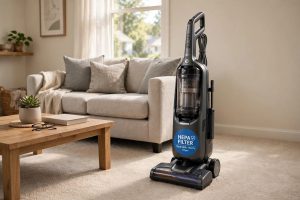
Other steps help too. Washing sheets in hot water kills mites. Keeping indoor humidity below fifty percent makes life hard for them. Regular vacuuming with a good filter removes mites from carpets and rugs. A guide to buying air purifiers for allergies can show you how clean air adds one more layer of defense for sensitive sleepers.
What to Look for When You Buy: Dust Mite Mattress Covers Reviews and Buying Guide
Not all mattress covers do the same job. A basic mattress pad keeps your mattress clean. A true dust mite cover does more. It seals the mattress shut so mites cannot get in or out. Here are the features that matter most.
Pore Size and Fabric Weave
The key number is pore size. A dust mite is about 250 microns wide. Its droppings are about 10 microns wide. A good cover has pores smaller than 10 microns. Many quality covers list a pore size of 2 to 6 microns. Look for this number on the package or the product page. If the maker does not list it, ask. A tight weave matters more than a fancy brand name.
Full Encasement With a Zipper
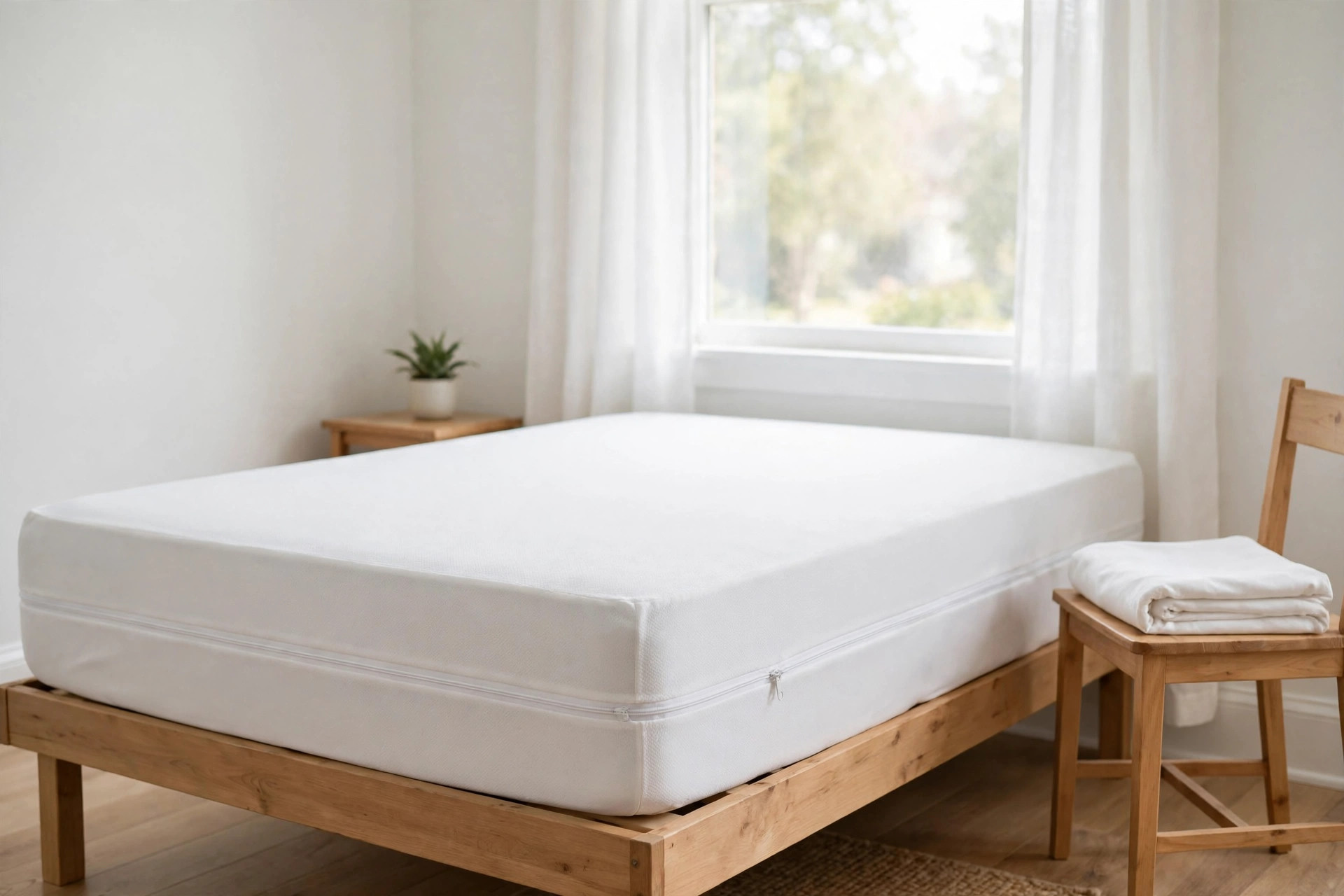
A fitted sheet style cover only shields the top of the mattress. Mites can still enter from the sides and bottom. A full encasement wraps the whole mattress. It closes with a zipper. The best zippers have a fabric flap that folds over the teeth. This stops mites from slipping through the tiny gaps. Some covers also lock the zipper pull in place. This is a small detail, but it shows care in design.
Quiet and Cool Fabric
Old vinyl covers worked, but they were hot and noisy. Every turn made a crinkling sound. Modern covers use woven fabrics. Cotton and polyester blends are common. Some use a thin polyurethane membrane between soft fabric layers. These block mites while letting air pass. The result is a cover that feels like normal bedding. You should not sweat more or hear noise when you move.
Certifications You Can Trust
Labels can help you sort good products from poor ones. Look for covers tested by independent labs. Some carry marks from allergy groups. The Asthma and Allergy Foundation of America certifies products that meet its standards. Consumer Reports tests bedding products for real world performance. A certified product has passed tests you cannot run at home. It is worth the extra cost.
Types of Dust Mite Mattress Covers
Woven Fabric Encasements
These are the most common type. They use a tight weave of cotton, polyester, or a blend. The weave is the barrier. No coating is needed. They feel soft. They wash well. They last for years. Most allergy doctors recommend this type first.
Membrane Covers
Membrane covers add a thin waterproof layer inside the fabric. The layer blocks mites, liquids, and stains. They are a good pick if you also want spill protection. Some sleepers find them slightly warmer than woven covers. Quality has improved a great deal in recent years. Many now breathe well.
Vinyl and Plastic Covers
These are the old style. They are cheap. They block mites well. But they are hot, noisy, and stiff. They can crack with age. They are rarely the best choice today. They may still suit a guest room bed that sees little use.
Zippered Box Spring Covers
Do not forget the box spring. It can hold as many mites as the mattress. A full encasement for the box spring uses the same idea. It zips shut and seals the whole unit. Pillow covers work the same way. For full protection, cover the pillows too. Pillows sit right under your nose all night.
How to Choose the Right Size and Fit
Measure your mattress before you order. Note the width, length, and depth. A cover that is too small will strain the zipper. A cover that is too large will bunch up and shift. Most covers come in twin, twin XL, full, queen, king, and California king. Depth matters too. Mattresses today range from thin six inch models to thick eighteen inch pillow tops. Check the depth range on the package.
Put the cover on with care. Remove all sheets first. Slide the encasement over the mattress like a giant pillowcase. Work it down slowly so it does not bunch. Zip it fully shut. Tuck the zipper flap over the teeth. Then put your normal fitted sheet over the cover. You will not feel the cover under a good sheet.
If you buy for a child, pick a soft woven cover. Children notice texture more than adults do. A quiet cover helps them sleep through the night. Replace the cover if the zipper breaks or the fabric tears. A torn cover is no cover at all.
Cost and Price: What You Should Expect to Pay
Prices vary by size and fabric. A twin size woven cover often costs between twenty and forty dollars. Queen and king sizes run from forty to eighty dollars. Premium brands with certifications may cost more. A full set for one bed, with mattress, box spring, and two pillow covers, can run from eighty to one hundred fifty dollars.
Cheap covers can work, but read the details. Some budget covers use a loose weave. Some skip the zipper flap. Some use fabrics that tear after a few washes. Spending a little more often buys a cover that lasts five to ten years. That makes the yearly cost very low.
Watch for sales at big home stores. The Spruce often lists seasonal bedding deals worth a look. Family Handyman publishes buying advice that compares value across brands. Do not pay extra for fancy marketing terms. Pore size, full encasement, and a good zipper are what count.
Care and Upkeep
A dust mite cover needs little care. Wash it every two to three months. Use hot water, at least 130 degrees Fahrenheit. Hot water kills mites and washes away their waste. Use a gentle cycle. A mild detergent is enough. Skip fabric softener. It can coat the fibers and weaken the barrier.
Dry on low or medium heat. High heat can damage the zipper and the membrane in some covers. Check the care label first. Put the cover back on as soon as it is dry. Do not leave the mattress bare for days.
Between washes, keep your normal sheets clean. Wash sheets and pillowcases every week in hot water. This removes the skin flakes that mites eat. Vacuum the bedroom often. A clean room helps the cover do its job. Some homeowners pair bedding care with broader cleaning routines, such as the top rated dryer vent cleaning services reviews found online, to keep dust levels low through the whole house.
Check the cover once a year. Look for thin spots, tears, and a zipper that still runs smooth. Replace any cover that no longer seals tight. Most quality covers last five years or more with normal care.
Safety Notes
Dust mite covers are safe for almost everyone. They use no chemicals. They add no sprays to your bed. They work by simple physical blocking. This makes them a good choice for children, older adults, and pregnant women. The United States Environmental Protection Agency notes that cutting mite exposure starts with bedding and humidity control.
One caution applies to waterproof membrane covers. A small number of people react to the plastic smell when the cover is new. Air it out for a day before first use. Wash it once before you put it on the bed. If the smell lingers, switch to a plain woven cover.
Keep the bedroom dry. Mites need moisture to breed. A humidity level between thirty and fifty percent is ideal. Fix leaks under windows. Run a fan in the bathroom after showers. These small habits back up what the cover does. A guide to professional grade shower door descalers for small apartments can help with the bathroom side of moisture control.
Frequently Asked Questions
Will a dust mite cover stop my allergies completely?
No single product can do that. A cover cuts your exposure a great deal. Most people notice fewer night symptoms within a few weeks. For full control, combine the cover with hot water washing, low humidity, and regular cleaning. Talk to your doctor if symptoms stay strong. WebMD offers clear overviews of allergy steps you can discuss at your next visit. The Mayo Clinic also describes how dust mite allergies are diagnosed and treated.
How is a dust mite cover different from a normal mattress protector?
A normal protector guards against spills and stains. It may not block mites. A true dust mite encasement seals the whole mattress with a tight weave and a zipper. The pore size is small enough to trap mites and their droppings. Check the label for the words encasement and a stated pore size.
Can I still use my electric blanket or mattress topper?
Yes, with one rule. Put the dust mite cover directly on the mattress first. Zip it shut. Then place the topper or electric blanket over the cover. This keeps the barrier intact. If the topper is thick, buy a deeper cover to fit the new total height.
How often should I replace the cover?
A good cover lasts five to ten years. Replace it sooner if the fabric thins, the zipper fails, or seams split. Children who jump on beds may wear covers out faster. Mark the purchase date on the care tag with a pen so you remember.
Do I need covers for pillows and the box spring too?
For the best result, yes. Pillows sit close to your face all night. Box springs hold mites just like mattresses do. Covering all three closes every path. Many brands sell bundle sets at a lower price than buying each piece alone.
Are expensive brands worth it?
Sometimes. Price often tracks with fabric quality, zipper design, and testing. But a mid price cover with a stated pore size under 10 microns and a full zipper can work very well. Read buyer feedback with care. Bob Vila and This Old House both publish buying guides that compare real products side by side.
Final Word
A dust mite mattress cover is a simple tool. It asks little of you. It costs less than many single doctor visits. It works night after night without noise or effort. Pick a full encasement with a tight weave, a stated pore size under 10 microns, and a zipper with a protective flap. Wash it in hot water a few times a year. Cover the pillows and the box spring too. Good Housekeeping testers have long praised this layered approach to a cleaner bed. Your mornings may soon feel clearer, and your sleep may run deeper. That is a fine return for one plain zippered cover.
References
Asthma and Allergy Foundation of America. (n.d.). Allergy and asthma resources. https://www.aafa.org Bob Vila. (n.d.). Home improvement advice. https://www.bobvila.com Consumer Reports. (n.d.). Product reviews and ratings. https://www.consumerreports.org Family Handyman. (n.d.). DIY home repair and maintenance. https://www.familyhandyman.com Good Housekeeping. (n.d.). Product reviews and home advice. https://www.goodhousekeeping.com Mayo Clinic. (n.d.). Diseases and conditions. https://www.mayoclinic.org The Spruce. (n.d.). Home and garden advice. https://www.thespruce.com This Old House. (n.d.). Home renovation guidance. https://www.thisoldhouse.com U.S. Environmental Protection Agency. (n.d.). Protecting human health and the environment. https://www.epa.gov WebMD. (n.d.). Health and wellness information. https://www.webmd.com
Was this guide helpful?

About Jennifer Lee
The My Garden US editorial team writes practical, in-depth home and garden guides for American homeowners — tested advice, no fluff.
You May Also Like

Professional Grade Deep Cleaning Service Packages for Homeowners
October 1, 2026 0 views
How to Find the Best Window Cleaning Service Companies Near Me
January 7, 2026 0 views
Chimney Cleaning Brushes Price Comparison USA: A Buyer’s Guide
May 17, 2026 0 views