
Finding the best air purifiers for allergies for humid climates takes more care than buying a plain room filter. Damp air changes the way allergens behave. Dust mites grow faster when indoor humidity rises. Mold spores multiply in moist corners. Pollen can stick to damp surfaces and stay active longer. A purifier that works well in dry Arizona may not be enough for a wet summer in Florida or Louisiana. This guide walks through what matters, how to choose, what the units cost, and how to keep them safe and clean. It is written in plain words so that any reader can follow it.
Why Humid Air Makes Allergies Worse
Warm, wet air is a friend to the things that make allergy sufferers sneeze. Dust mites thrive when indoor humidity sits above 50 percent. Mold needs only moisture and a dark corner to grow. In humid regions, basements, bathrooms, and closets hold moisture for weeks at a time. Each of these places can release spores and tiny particles into the air.
An air purifier cannot fix a leak or dry a basement by itself. But it can catch the particles that float through the room. For that reason, many families in humid states run a purifier and a dehumidifier side by side. A dehumidifiers for basements reviews and buying guide can help you size the second half of that pair. When the air holds less water and fewer particles, allergy symptoms often ease within a few weeks. In states like Florida, Texas, and Louisiana, allergy season can stretch for most of the year, so a good purifier earns its keep for months on end.
The EPA explains on its indoor air quality pages that source control and ventilation matter as much as any device. That is good advice. Fix the damp carpet. Run the bath fan. Then let the purifier do the rest.
What to Look for When You Buy: Best Air Purifiers for Allergies for Humid Climates
A True HEPA Filter
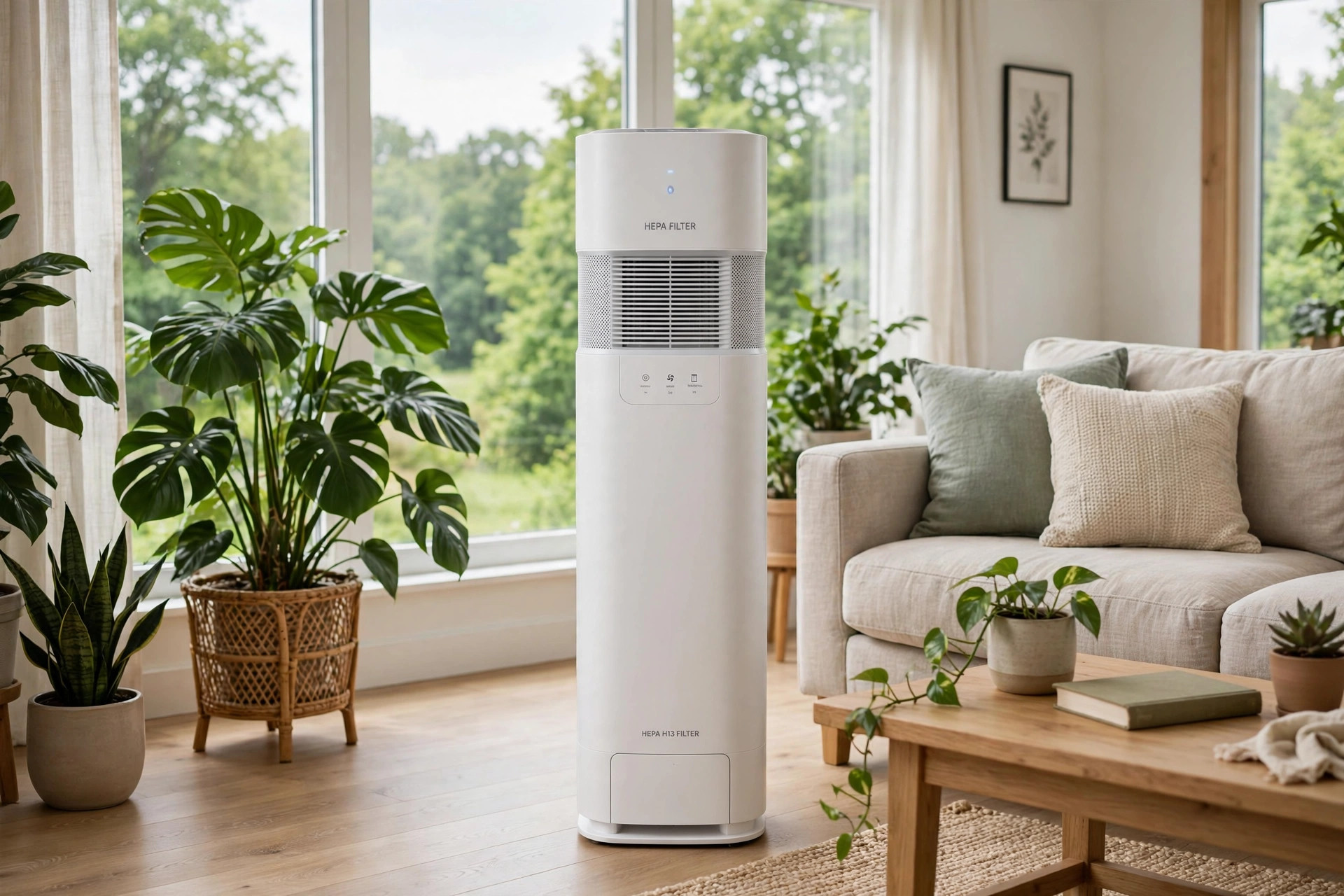
The single most important feature is a true HEPA filter. HEPA stands for High Efficiency Particulate Air. A true HEPA filter traps 99.97 percent of particles that are 0.3 microns across. Most pollen, pet dander, dust mite waste, and mold spores are larger than that. They get caught.
Watch out for words like “HEPA-type” or “HEPA-like.” These filters do not meet the same standard. Look for the words “True HEPA” on the box. Guides at Consumer Reports test filter claims and rank units by how well they clean real rooms.
The CADR Rating
CADR means Clean Air Delivery Rate. It tells you how fast a purifier cleans the air. There are three CADR numbers: one for dust, one for pollen, and one for smoke. A higher number means faster cleaning. For a bedroom, a CADR of 200 or more is a solid start. For a large living room, look for 300 or above.
The Association of Home Appliance Manufacturers program also lists units that save power. Energy Star rated purifiers use less electricity, which matters because a purifier runs for many hours a day.
Room Size Match
Buy for the room, not for the house. A small unit in a large room will run hard and still leave corners dirty. Most makers print a “recommended room size” in square feet. Match it to your room or go one size up. An oversized unit on a low fan setting cleans well and stays quiet.
Noise and Night Use
Allergy relief works best when the purifier runs through the night. So noise matters. Makers list noise in decibels. A good sleep mode stays under 30 decibels, about as loud as a soft whisper. High speed may reach 55 decibels, like a normal talk. If the unit will sit in a bedroom, test the tone as well as the number. Some fans hum low and soothe. Others whine high and keep people awake. Reviews that mention bedroom use are worth reading. A light dimmer or lights-off mode also helps, since bright displays bother light sleepers.
Types of Air Purifiers
Tower Units
Tower units are tall and slim. They fit beside a sofa or in a bedroom corner. Most hold a pre-filter, a true HEPA filter, and an activated carbon filter in one stack. The pre-filter catches hair and large dust. The HEPA filter catches allergens. The carbon layer soaks up odors and smoke. Tower units are the most common choice for allergy homes, and reviews on The Spruce compare many models side by side.
Console Units With Humidity Sensors
Some console models add a humidity sensor to the display. The sensor shows the room’s moisture level in real time. A few units speed up the fan when the air grows damp, since damp air often carries more mold spores. This feature does not replace a dehumidifier. But it helps the unit react when a summer storm raises the indoor humidity in an hour.
Purifiers With Heavy Carbon Filters
If odors and smoke bother you as much as pollen, look for a thick carbon filter. Cheap units use a thin carbon sheet that fills up in weeks. Better units use pounds of loose carbon pellets. They last for months. Bob Vila’s home guides explain the difference between sheet carbon and pellet carbon in plain terms.
Cost and Price
Prices for the best air purifiers for allergies for humid climates fall into three bands.
Under 150 dollars. These units suit bedrooms and small offices. They use true HEPA filters and run quietly. Filter changes cost about 30 to 50 dollars a year.
150 to 400 dollars. This is the sweet spot for most homes. Units here clean large bedrooms and living rooms. Many have air quality lights, timers, and sleep modes. Yearly filter costs run 50 to 90 dollars.
Above 400 dollars. These are whole-room workhorses with high CADR ratings and large carbon beds. They suit open floor plans and severe allergy cases. Filters cost 80 to 150 dollars a year but last longer.
Remember the cost of power. A purifier that runs all day can add 5 to 15 dollars a month to the electric bill. Energy Star models trim that cost. The Family Handyman site at familyhandyman.com offers simple math for sizing running costs.
Care and Upkeep
A dirty purifier helps no one. Follow these steps and the unit will last for years.
Vacuum the pre-filter every two weeks. Hair and dust choke the airflow. Most pre-filters rinse clean under a tap. Let them dry fully before you put them back. A damp filter in a damp house grows mold, which defeats the whole purpose.
Change the HEPA filter on schedule. Most last six to twelve months. Do not wash a HEPA filter unless the maker says you can. Water ruins the fine fibers.
Wipe the unit down monthly. Dust on the outside ends up on the inside. A damp cloth is enough.
Keep the intake clear. Leave two feet of open space around the air intake and the outlet. A unit pushed against a wall starves for air.
Watch the humidity. A purifier cleans particles, not water. Keep indoor humidity between 30 and 50 percent. A small hygrometer costs a few dollars and tells you the truth about your rooms. Good Housekeeping publishes seasonal checklists for keeping damp rooms healthy.
If your ductwork is old or dusty, cleaning the ducts can lower the particle load before it reaches the room. A top rated air duct cleaning services reviews page can help you compare local services.
Store spare filters in a dry place. In humid homes, a spare filter left in a damp garage can grow mold before you ever install it. Keep replacements sealed in their plastic wrap, indoors, in a closet or cabinet. The same rule holds for a spare pre-filter. Clean and dry means safe.
Safety
Air purifiers are safe when you follow basic rules.
Ozone is the main risk. Some older ionizer models release ozone, a lung irritant. Ozone can make asthma and allergies worse. Choose a unit listed as ozone-free or one that meets the UL 2998 standard for zero ozone. This Old House covers how to read these safety labels.
Keep cords tidy. A tower unit near a walkway can tip if the cord catches a foot. Run cords along walls and out of reach of pets.
Unplug before filter changes. It sounds simple, but many people skip it. Power off and unplug the unit before you open the filter door.
Do not block the outlet. Blowing air straight into curtains or bedding for months can wear fabric and trap moisture. Aim the clean air across the room.
For families with asthma, the Asthma and Allergy Foundation of America offers guidance on choosing certified products that keep indoor air safer.
Frequently Asked Questions
Do air purifiers help with dust mites in humid weather?
Yes. Dust mites do not fly, but their waste breaks into tiny bits that float. A true HEPA purifier catches those bits. Still, keep humidity under 50 percent, since dry air slows mite growth more than any filter can.
Should I run a purifier and a dehumidifier together?
In humid climates, yes. The dehumidifier removes water from the air. The purifier removes particles. Together they cover both causes of allergy flare-ups. Place them in the same room for the best result.
How long should I run the purifier each day?
Run it all day in allergy season. Filters work by passing room air through many times. Turning the unit off for hours lets particles build up again. Use the low or sleep setting at night to keep noise down.
Can an air purifier remove mold?
It can remove mold spores from the air, but it cannot remove mold growing on a wall. If you see mold patches, clean them or call a pro. For light surface mold, a mold removal sprays reviews and buying guide can point you to safe products. Fix the moisture source so the mold does not return.
Do air purifiers remove smoke odors in damp weather?
A unit with a thick activated carbon filter helps with smoke and musty odors. Damp air makes smells cling, so the carbon layer works harder in humid months. Replace carbon filters on time. A spent carbon filter can release trapped odors back into the room.
Are washable filters as good as replaceable HEPA filters?
Washable filters catch large dust but rarely meet true HEPA standards. For allergies, a replaceable true HEPA filter works better. Washable pre-filters are fine as a first stage.
Where is the best place to put the purifier?
Put it in the room where you spend the most time, usually the bedroom. Keep it a few feet from the bed, off the floor if the model allows, and away from walls and corners. Air moves best in open space. Ideas for healthy room layouts appear on Apartment Therapy.
A Final Word
The best air purifiers for allergies for humid climates share three traits: a true HEPA filter, a CADR that matches the room, and quiet, steady operation. Pair the unit with sensible moisture control and regular filter care. Do that, and even a muggy summer becomes easier to breathe through. Buy once, buy right, and let the machine work while you live your life.
One last tip for humid states: run the purifier hardest in the hours after a rain. Outdoor mold spores spike when wet leaves and soil start to dry. That is when indoor counts rise too. A timer or smart plug can shift the unit to high speed on wet afternoons without any effort from you.
References
Apartment Therapy. (n.d.). Home design ideas and inspiration. https://www.apartmenttherapy.com Asthma and Allergy Foundation of America. (n.d.). Allergy and asthma resources. https://www.aafa.org Bob Vila. (n.d.). Home improvement advice. https://www.bobvila.com Consumer Reports. (n.d.). Product reviews and ratings. https://www.consumerreports.org ENERGY STAR. (n.d.). Energy efficient products. https://www.energystar.gov Family Handyman. (n.d.). DIY home repair and maintenance. https://www.familyhandyman.com Good Housekeeping. (n.d.). Product reviews and home advice. https://www.goodhousekeeping.com The Spruce. (n.d.). Home and garden advice. https://www.thespruce.com This Old House. (n.d.). Home renovation guidance. https://www.thisoldhouse.com U.S. Environmental Protection Agency. (n.d.). Protecting human health and the environment. https://www.epa.gov
Was this guide helpful?

About Lisa Anderson
The My Garden US editorial team writes practical, in-depth home and garden guides for American homeowners — tested advice, no fluff.
You May Also Like
Buy Cordless Stick Vacuums Online in the USA: A Practical Guide
June 28, 2026 0 views
Cordless Carpet Deep Cleaning Machines for Sale: A Homeowner’s Guide
April 12, 2026 0 views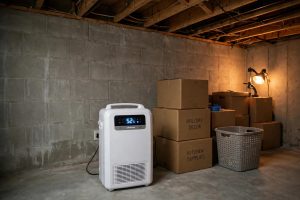
Dehumidifiers for Basements: Reviews and Buying Guide
April 20, 2026 0 views