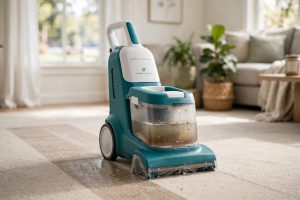

A dog or a cat brings joy to a home. It also brings smells. Pet odor settles into rugs, beds, chairs, and car seats. It can stay long after the cause is gone. Many owners feel shame when guests arrive. They do not need to feel that way.
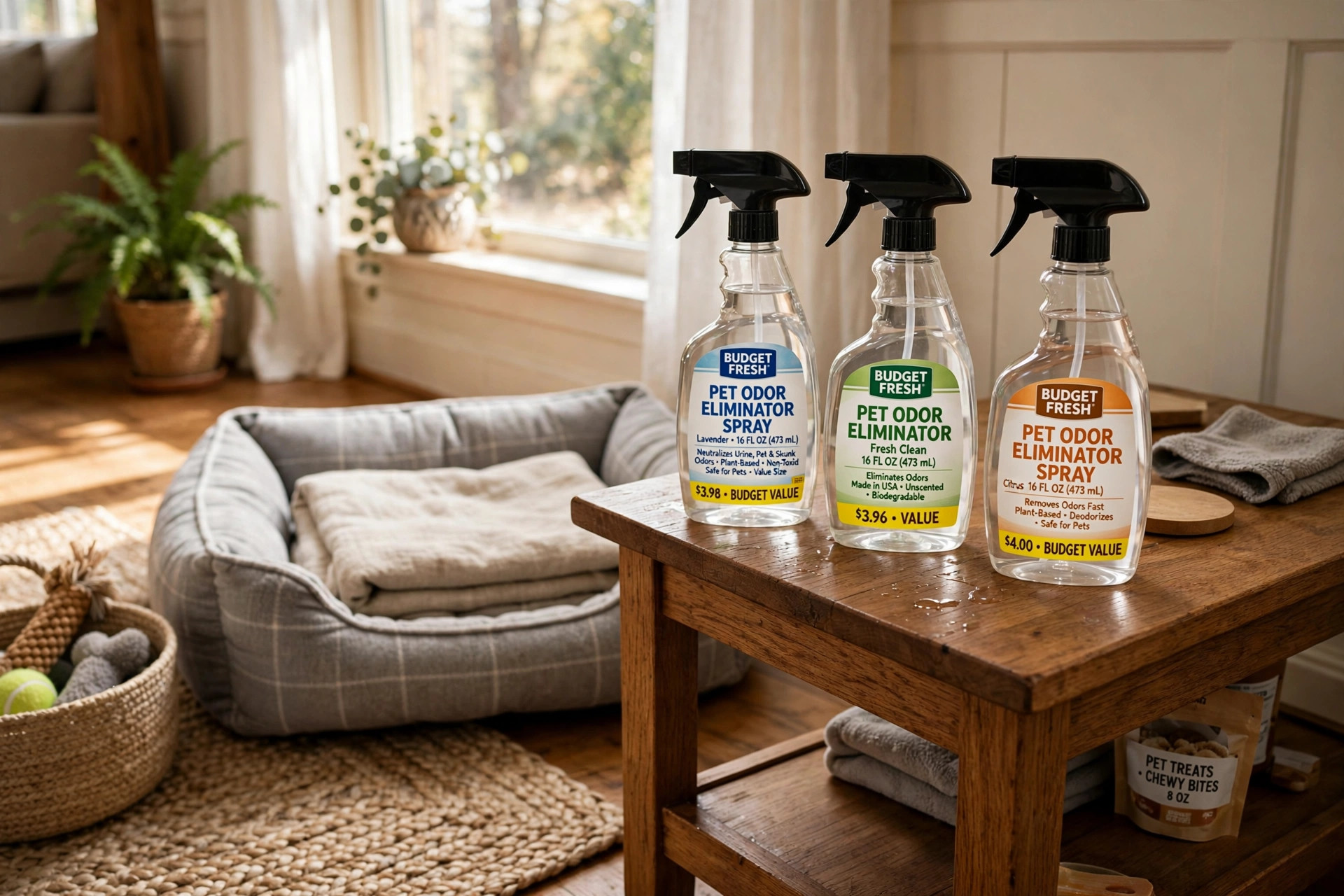
Budget friendly pet odor eliminator sprays for sale offer a plain answer. These sprays cost little. They work on many surfaces. They cut odors at the source instead of hiding them. This guide explains what the sprays are, how to pick one, and how to use it well. It also covers price, safety, and care. By the end, you will know how to buy with trust and keep your home fresh on a budget.
Why Pet Odor Matters
Pet odor is more than a bad smell. It can tell you about health problems. A strong odor from a pet bed may mean the bed needs a wash. A new smell from a pet may mean a vet visit is due. Odor can also affect how people feel in the home. Guests notice smells fast. A fresh home feels calm and clean.
Some smells sink deep. Urine can soak into rug pads and wood. Over time, the smell grows stronger. Cheap cover-up sprays only mask it for an hour. A true odor eliminator breaks down the source. That is why picking the right spray matters more than picking the cheapest one.
Budget friendly pet odor eliminator sprays for sale do not mean weak products. Many low-cost sprays use the same active parts as costly brands. The trick is to read the label and match the spray to the job.
What to Look for in a Pet Odor Eliminator Spray: Budget Friendly Pet Odor Eliminator Sprays for Sale
Not all sprays do the same work. Use these checks before you buy.
Enzyme-Based Formulas
Enzyme sprays contain live bacteria or enzymes that eat odor-causing matter. They work best on urine, drool, and vomit. An affordable enzyme pet stain spray can reach deep into fabric where plain cleaners cannot. Give it time. Enzymes need 15 to 30 minutes of wet contact to work well.
Encapsulating Formulas
Some sprays trap odor molecules and lock them away. They dry fast and leave little residue. They suit quick touch-ups on sofas and car seats. They do not clean stains as well as enzyme sprays.
Fragrance Type
Light scents work best. Heavy perfume can bother pets and people with asthma. Many budget sprays now come in scent-free or mild forms. If your home has small children, pick a scent-free spray.
Surface Safety
Check the label for the surfaces you plan to treat. Some sprays are safe on rugs and clothes only. Others work on wood, tile, and hard floors too. Test every spray in a hidden spot first.
Pet Safety
A spray should be non-toxic when dry. The ASPCA warns that some cleaners harm pets if licked while wet. Keep pets away until the area is dry. Look for words like “pet safe” on the label, and read the full safety notes.
Types of Budget Friendly Pet Odor Eliminator Sprays for Sale
Shops sell several kinds. Each has a best use.
Enzyme Sprays
These are the top pick for urine and old stains. They cost from a few dollars a bottle. Many cheap pet odor remover for carpet products on store shelves use enzymes. They work slow but deep. Blot the stain first, spray until damp, and cover with a cloth for half an hour.
Bio-Enzymatic Deodorizers
These add extra odor-eating agents to plain enzymes. They suit homes with more than one pet. They cost a bit more than basic enzyme sprays but still stay in the budget range.
Baking Soda-Based Sprays
Baking soda is a mild, natural odor absorber. Sprays that mix baking soda with light fragrance suit beds and cushions. They are often the cheapest choice. They work best on light odors, not old urine stains.
Essential Oil Blends
Some sprays use plant oils like lavender or citrus. They smell pleasant. Use care with cats, as some oils harm them. Experts at PetMD note that certain essential oils are toxic to cats. Keep these sprays away from cat beds unless the label says they are cat-safe.
Carpet and Rug Sprays
These are made for floor use. Many pair with vacuum use. They help with low cost dog smell remover spray needs on rugs. Some come in large refill bottles that cut the price per ounce.
How to Choose the Right Spray for Your Home
Start with the odor source. Urine needs enzymes. General dog smell needs a good deodorizer. Litter box areas need a spray that handles strong ammonia smells.
Next, count your surfaces. A home with wall-to-wall rug needs a rug-safe enzyme spray. A home with wood floors needs a spray labeled safe for sealed wood. Homes with both may need two sprays.
Check the price per ounce. Big bottles often cost less per ounce than small ones. Refills can cut costs by half. Compare store brands with name brands. Many store brands work just as well.
Read reviews from other pet owners. Look for notes about pet type and odor type. A spray that works on dog smell may fail on cat urine. Honest reviews at places like Chewy help you see real results.
Cost and Price Guide
Budget friendly pet odor eliminator sprays for sale usually cost between 4 and 12 dollars for a 16 to 24-ounce bottle. Large gallon refills cost 15 to 25 dollars and fill three or four spray bottles. That brings the price per use very low.
Store brands often run 20 to 30 percent cheaper than name brands. Coupons and store sales can cut more. Buying two bottles at once may unlock a discount online.
Do not judge by price alone. A cheap spray that fails will cost more in the end, because you will buy again. Look for enzyme count, pet-safe claims, and surface range on the label. A mid-price enzyme spray often beats a bargain cover-up spray.
How to Use Pet Odor Eliminator Sprays
Right use matters more than brand. Follow these steps.
1. Remove the source. Wash the bed or blot the stain first. 2. Vacuum the area to lift hair and dust. 3. Spray until the area is damp, not soaked. 4. Let enzymes sit for 15 to 30 minutes. 5. Blot with a clean cloth. 6. Let the area air dry fully. 7. Keep pets off until dry.
For old stains, repeat the steps twice. Deep stains may need three rounds. Patience beats harsh scrubbing. Hard scrubbing can push the odor deeper into the pad.
For beds and blankets, wash them in hot water first if the label allows. Then spray the dry item lightly. For litter box areas, spray the empty box and the floor around it.
Care and Upkeep of a Fresh-Smelling Home
Sprays help, but habits keep odor away. Wash pet beds every one to two weeks. Bathe dogs as the vet advises. Scoop litter boxes daily. Empty trash cans that hold pet waste.
Groom pets often. Brush dogs and cats to cut loose hair. Hair holds odor. Wipe pet paws after walks in rain or mud.
Ventilate rooms. Open windows when weather allows. A small fan can move stale air out. Change HVAC filters on time, as filters trap pet dander and smell.
Use washable rug runners in high-traffic pet areas. They are easy to clean and protect the rug below. Keep a spray bottle handy for fast action. Quick treatment stops a small smell from becoming a big one.
For more help with deep cleaning, see our guide to top rated carpet stain remover kits for full stain removal steps.
Safety Tips for Pets and People
Always read the label. Keep sprays out of reach of children and pets. Do not spray near pet food or water bowls. Do not spray directly on pets unless the label says it is safe.
Ventilate the room during and after use. People with asthma should use scent-free sprays. Wear gloves when treating large areas.
Cats are more sensitive than dogs to some chemicals and oils. Store sprays in closed cabinets. If a pet licks a treated area while wet, watch for signs like drooling or vomiting and call the vet.
The Environmental Protection Agency advises reading all cleaner labels and using products as directed. Good habits protect both pets and people.
Common Mistakes to Avoid
Many owners make the same errors. You can skip them.
First, do not use steam on a urine stain before treating it. Heat can set the stain and the smell for good. Treat with enzyme spray first, then steam clean if needed.
Second, do not mix sprays. Mixing can create harsh fumes or weaken both products. Use one product at a time.
Third, do not expect one spray to fix a soaked rug pad. Pads hold deep urine. In bad cases, the pad must be cut out and replaced. A spray helps the surface, not the pad below.
Fourth, do not skip the test spot. Some sprays bleach dark fabric. A small test in a hidden corner saves regret.
Fifth, do not spray over dust and hair. Vacuum first. A clean surface lets the spray reach the odor source.
For tips on sprays made for other home odors, read our mold removal sprays reviews and buying guide and our steam mops for tile floors price comparison.
Where to Buy
Budget friendly pet odor eliminator sprays for sale are easy to find. Big-box stores carry them in the pet aisle. Grocery stores stock basic types. Pet stores carry a wide range, including enzyme brands. Online shops offer large refills and multi-packs that lower the unit price.
Compare prices across two or three stores before you buy. Online prices can beat store prices, but check shipping costs. Store pickup can save the fee.
Check the Family Handyman and This Old House guides for home cleaning tips that pair well with odor control. For product test results, Consumer Reports reviews many home cleaning products.
Frequently Asked Questions
Do cheap pet odor sprays really work?
Yes, many do. Price does not always show quality. Enzyme-based budget sprays can break down urine and drool as well as costly ones. Read the label and pick a spray made for your odor type.
Are pet odor eliminator sprays safe for cats?
Most are safe once dry. Keep cats away until the area dries. Avoid sprays with strong essential oils unless labeled cat-safe. Check the label and store bottles in closed cabinets.
How long does the spray take to work?
Deodorizer sprays work in minutes. Enzyme sprays need 15 to 30 minutes of wet contact. Old or deep stains may need two or three rounds.
Can I use pet odor spray on hardwood floors?
Only if the label says it is safe for sealed wood. Some sprays can harm finishes. Test in a hidden spot first. Blot spills fast and do not soak the wood.
Will the spray remove old urine stains?
Enzyme sprays can help with old stains, but deep stains that reached the rug pad may not fully clear. Treat the surface twice, and replace the pad if the smell stays.
How often should I spray?
Treat stains at once. For daily upkeep, spray pet beds and high-traffic spots once a week or after washing. More pets mean more frequent use.
A Final Word
A fresh home does not need a big budget. Budget friendly pet odor eliminator sprays for sale put real odor control within reach of every pet owner. Pick an enzyme spray for urine, a deodorizer for daily freshness, and a pet-safe formula for homes with cats. Use it right, keep up simple habits, and your home will smell clean. Your pets, and your guests, will notice the change.
References
ASPCA. (n.d.). Pet care and animal welfare resources. https://www.aspca.org Chewy. (n.d.). Pet supplies. https://www.chewy.com Consumer Reports. (n.d.). Product reviews and ratings. https://www.consumerreports.org Family Handyman. (n.d.). DIY home repair and maintenance. https://www.familyhandyman.com Good Housekeeping. (n.d.). Product reviews and home advice. https://www.goodhousekeeping.com PetMD. (n.d.). Pet health information. https://www.petmd.com The Spruce. (n.d.). Home and garden advice. https://www.thespruce.com This Old House. (n.d.). Home renovation guidance. https://www.thisoldhouse.com U.S. Environmental Protection Agency. (n.d.). Protecting human health and the environment. https://www.epa.gov
Was this guide helpful?

About Emily Rodriguez
The My Garden US editorial team writes practical, in-depth home and garden guides for American homeowners — tested advice, no fluff.
You May Also Like
Top Rated Dryer Vent Cleaning Services Near Me: A Practical Guide for Homeowners
February 13, 2026 0 views
Spin Mop Bucket Systems Price Comparison USA
September 10, 2026 0 views
Reliable Chimney Sweep Services in Colorado: A Complete Guide for Homeowners
April 23, 2026 0 views