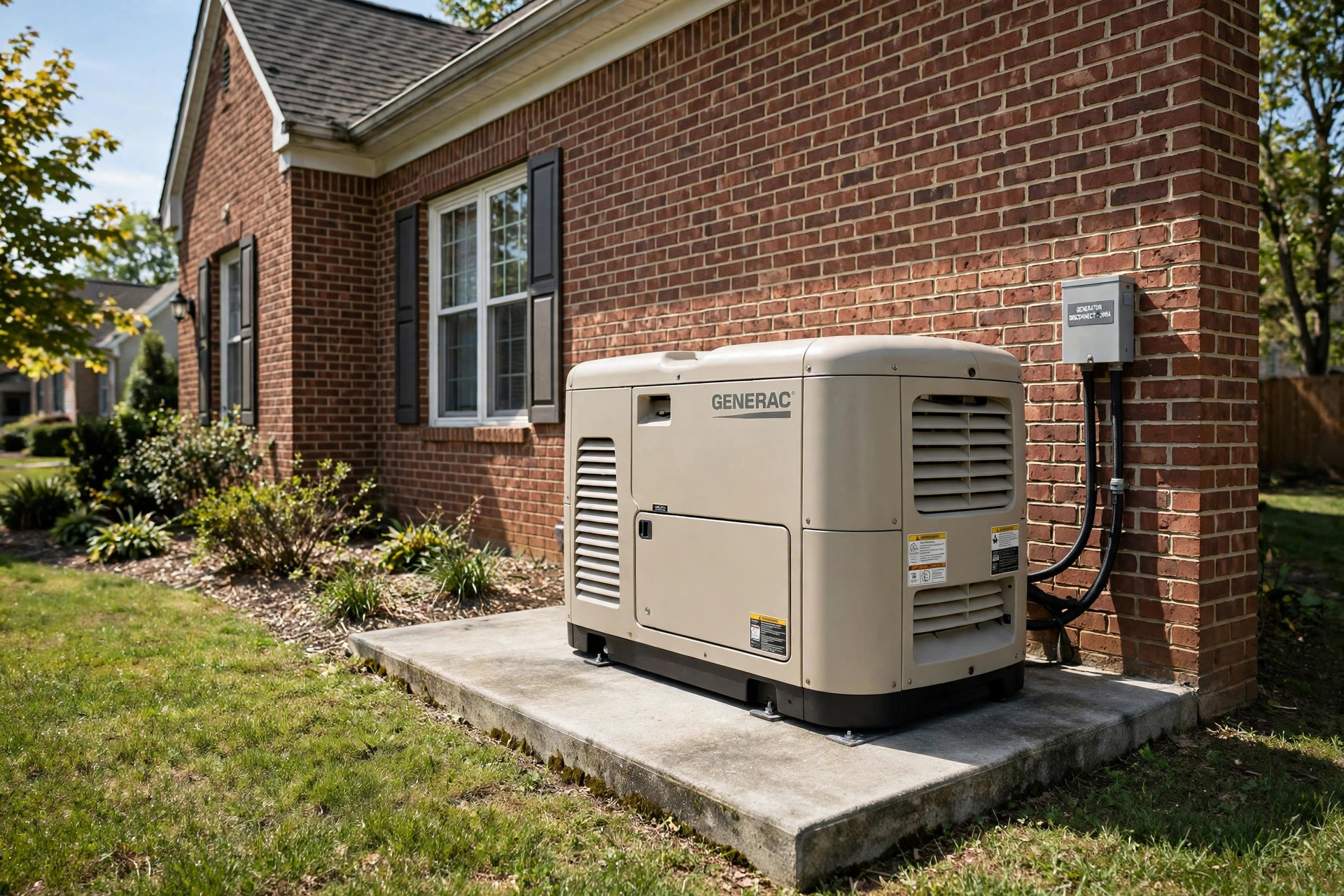
When the power goes out in America, two names come up more than any others. This generac vs kohler generator comparison usa guide looks at both brands with a clear eye. Generac is the best known name in home standby power. Kohler has a long record in engines and commercial power. Both sell to homeowners across the country. Both promise to keep your lights on when the grid fails.
The choice is not simple. Each brand has strong points and weak points. Price, noise, fuel use, size, and service all matter. This article walks through each factor in plain words. By the end, you will know which brand fits your home, your budget, and your needs.
Why This Comparison Matters
Power outages are more common than they used to be. Storms knock down lines. Heat waves push the grid to its limit. Ice storms snap poles in half. A home without power loses heat, light, and food safety. A standby generator starts on its own when the grid fails. It runs your furnace, your refrigerator, and your well pump. For many families, it is peace of mind in a metal box.
Generac and Kohler are the two brands most dealers sell and install. Together they hold most of the home standby market. If you shop for a whole house generator, you will learn the whole house generator cost installed in the United States before you pick a brand. But brand still matters. The two companies build different machines. Their warranties differ. Their service networks differ. A fair side by side look helps you spend your money well.
How to Choose Between the Two Brands: Generac vs Kohler Generator Comparison Usa
Start with your home, not with the brand. A good match beats a good name.
Power Size and Home Load
Generators are rated in kilowatts, or kW. A small home may need 10 to 14 kW to run the basics. A large home with central air, a well pump, and an electric range may need 22 to 26 kW or more. Generac sells a wide spread of home models, from small 7.5 kW units to large 26 kW air cooled units and even bigger liquid cooled models. Kohler also covers a wide range, with popular home sizes from 10 kW to 26 kW.
Both brands offer free sizing tools on their sites. Check the model lines on Generac’s official site and compare them with the home generator range on Kohler Power. The lesson is the same either way. Buy the right size. A unit that is too small will trip off under load. A unit that is too large will cost more and burn more fuel.
Fuel Type
Most home standby generators run on natural gas or liquid propane. Both Generac and Kohler offer dual fuel models that work with either gas. If your home has a natural gas line, hookup is simple and fuel never runs out during a storm. If you live in the country, propane is the common choice, and you will need a tank.
Fuel use matters for long outages. Compare the published fuel consumption at half load and full load. Small differences add up over three or four days without grid power.
Noise Level
A generator that roars will annoy you and your neighbors. Both brands work hard to run quietly. Generac’s newer air cooled models advertise sound levels in the mid sixties on the decibel scale, about as loud as normal talk. Kohler markets some of its models as extra quiet, with numbers in the same range.
Check the published decibel rating before you buy. Ask your dealer for a live demo if you can. Sound ratings are measured at a set distance, so read the fine print. Independent test reviews often measure noise in real world settings, and tech review coverage sometimes covers home power gear as well.
Build and Engine Quality
Generac builds its own engines for most home models. Its G Force engines are made for standby duty. Kohler uses engines with deep roots in commercial and industrial use. Many buyers trust the Kohler name because it has powered job sites and hospitals for decades.
Both brands use weather proof steel or aluminum housings. Kohler often uses a corrosion proof housing that suits coastal air. Generac offers aluminum housing on many models as an option. If you live near the ocean, ask about salt air protection.
Monitoring and Smart Features
Modern generators connect to your phone. An app tells you when the unit runs, when it needs service, and when it has a fault. Generac has its Mobile Link system. Kohler offers its own remote monitoring. This matters more than it sounds. A standby generator sits outside for months. You want to know it is ready.
These apps are part of a wider trend toward connected homes. Reviews of smart gear on PCMag and home technology news on The Verge show how fast home monitoring is growing. When you compare brands, compare their apps too. A good app saves you worry.
Types and Options From Each Brand
Home Standby Generators
This is the main event for both brands. The unit sits outside on a pad. A transfer switch connects it to your home wiring. When grid power drops, the generator starts in seconds. When power returns, it shuts down.
Generac’s Guardian line is the most sold home standby series in the country. It comes in many sizes and many dealers know it well. Kohler’s home line, including its well known 20RCA and 14RCA models, competes directly. In real use, both brands run well when they are sized right and installed right.
Portable Generators
Both companies also sell portable generators. These are wheeled units you fuel and start by hand. They cost far less than standby units. They can run a refrigerator, some lights, and a few tools during an outage.
If a full standby unit is out of reach, look at portable generators for home backup as a stopgap. Remember that portables need care. They must run outside, far from windows and doors. Federal safety rules for portable generators warn about carbon monoxide, and every owner should read them.
Fuel and Clean Energy Options
Some homeowners now look past gas. Solar generator reviews for home backup cover battery systems that pair with solar panels. Generac and Kohler both sell battery storage products too. These cost more up front but run silent and burn no fuel. For long outages, gas standby units still win on run time. For short outages, batteries are clean and simple.
Cost and Price
Price is where the two brands often differ most.
Generac home standby units usually cost less than Kohler units of the same size. A 22 kW Generac may list several hundred dollars below a similar Kohler. Installation cost is the same either way, since the labor is set by your dealer and your local rules.
Kohler prices sit a notch higher. The company points to commercial grade parts and longer engine life to justify the premium. Many dealers agree that Kohler builds a stout machine. The question is whether the extra cost pays back over the life of the unit.
Installation often costs as much as the unit itself. Expect a total project cost in the range of ten to sixteen thousand dollars for a mid size home system, depending on your wiring, your gas hookup, and your local permits. Big box stores such as major home improvement retailers and big box stores sell the units, but a certified local dealer should do the install. A poor install will cause problems no brand can fix.
Running cost matters too. Compare fuel burn rates. Ask about oil change intervals and filter costs. A unit that sips fuel and needs little service can be cheaper to own over ten years, even if it costs more on day one.
Care and Upkeep
Both brands need regular care. A standby generator is like a car that sits in the driveway most of the year. It must be ready to run on the worst day of the year.
Weekly Self Tests
Both Generac and Kohler units run a short self test each week. The engine starts, runs for a few minutes, and checks itself. Leave this feature on. It keeps the battery charged and warns you of problems early.
Annual Service
Plan for a service visit once a year. A technician changes the oil, checks the battery, inspects the air filter, and tests the transfer switch. This visit costs a few hundred dollars. Skipping it is a false saving. Most warranty claims need proof of regular service.
Parts and Dealer Network
Generac has the largest dealer and service network in the country. In most towns, you will find more than one Generac dealer. Kohler’s network is smaller but solid, and many Kohler dealers also service commercial equipment, which speaks to their skill.
Before you buy, call two or three local dealers. Ask how fast they answer service calls. Ask if they stock parts. A strong local dealer matters more than the badge on the box.
Safety
Generators are safe when they are installed and used right. They are deadly when they are not.
Standby units must be placed with clear space around them, away from windows, doors, and vents. Local codes set the distance. Your dealer should know the rules. The unit must connect through a proper transfer switch. This switch keeps generator power from flowing back into the grid, which can kill line workers.
Portable units carry a higher risk. Never run one inside a home, garage, or shed, even with the door open. Carbon monoxide is colorless and odorless. Read the federal safety guidance and follow it to the letter. Keep a battery powered carbon monoxide detector in your home as a backup guard.
Smart home gear can add a layer of safety. Connected home security devices with cameras and alerts can let you check on your home and your generator during a storm from miles away. They do not replace proper installation, but they add peace of mind.
Frequently Asked Questions
Which brand is more reliable, Generac or Kohler?
Both brands have strong records when units are sized and installed right. Generac has the larger installed base, so you hear more complaints, but also more praise. Kohler has a fine name in commercial power, and its home units share that bloodline. Reliability comes down to three things: right size, right install, and yearly service. Pick a good local dealer and either brand will serve you well.
Why does Kohler cost more than Generac?
Kohler positions itself as the premium choice. Its housings resist corrosion well, and its engines draw on decades of industrial use. Generac prices lower to reach more buyers. In most head to head sizes, the gap is a few hundred dollars on the unit itself. Over ten years of ownership, fuel use and service cost matter more than the day one price gap.
How long do Generac and Kohler generators last?
A home standby unit should last fifteen to twenty years with yearly service. Engines wear from run hours, not from age alone. A unit that runs a few hundred hours a year will outlast one that runs thousands. Change the oil on schedule. Replace the battery every few years. Keep the air vents clear of leaves and snow.
Can I install a standby generator myself?
This job is not for do it yourself owners. It needs a gas line, an electrician, and a transfer switch tied into your panel. Most states require permits and inspections. A licensed dealer handles all of this and stands behind the work. The warranty may need dealer install as well. Leave this to the pros.
Do both brands work with natural gas and propane?
Yes. Both Generac and Kohler sell models that run on natural gas or liquid propane. Some models can switch between the two. Tell your dealer which fuel you have. If you use propane, plan for a tank large enough to run the unit for days, not hours.
What size generator do I need for a 2,000 square foot home?
A common answer is 22 kW to 24 kW for a home that size with central air. But the true answer depends on your loads. An all electric home needs more. A home with gas heat and a gas range needs less. Use the sizing tool from either brand, then confirm with a dealer who visits your home. A home visit beats any online guess.
A Short Final Word
There is no bad choice between these two brands. Generac gives you more choice, more dealers, and a lower price. Kohler gives you a premium build and a name tied to industrial power. Match the unit to your home. Hire a good dealer. Keep up with service. Do those three things, and the lights will stay on.
References
CNET. (n.d.). Technology news and reviews. https://www.cnet.com Consumer Reports. (n.d.). Product reviews and ratings. https://www.consumerreports.org Generac. (n.d.). Home standby generators. https://www.generac.com Kohler. (n.d.). Bathroom and kitchen fixtures. https://www.kohler.com Lowe’s. (n.d.). Home improvement products. https://www.lowes.com PCMag. (n.d.). Technology product reviews. https://www.pcmag.com Ring. (n.d.). Smart home security devices. https://www.ring.com The Home Depot. (n.d.). Home improvement products. https://www.homedepot.com The Verge. (n.d.). Technology news and reviews. https://www.theverge.com U.S. Consumer Product Safety Commission. (n.d.). Product safety information. https://www.cpsc.gov
Was this guide helpful?

About Robert Taylor
The My Garden US editorial team writes practical, in-depth home and garden guides for American homeowners — tested advice, no fluff.