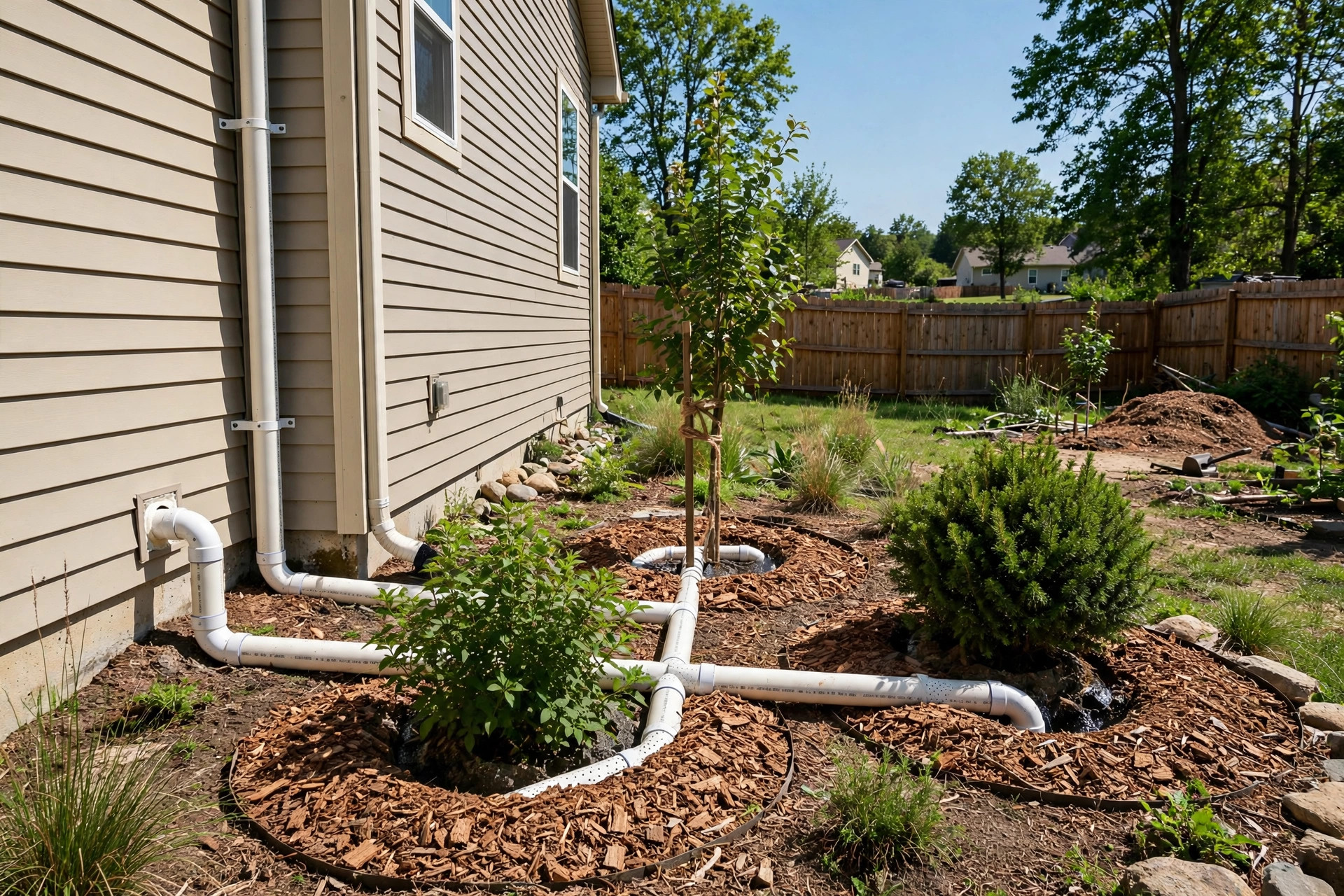
Water bills are rising across much of the United States. A typical American family sends hundreds of gallons of laundry water down the drain each week. Much of that water is still clean enough to feed trees, shrubs, and lawn beds. The greywater system for laundry cost in the USA depends on how simple or complex you want the setup to be. This guide walks through the prices, the types of systems, the rules you must follow, and how to keep everything running well.
Why It Matters
Laundry is one of the largest indoor uses of water in the home. A single load in a top-loading washer can use 30 to 40 gallons, and families that wash several loads per week send thousands of gallons to the sewer each month. That water once fed the washer. With a small change in plumbing, it can feed the garden instead.
Greywater is gently used water from showers, baths, bathroom sinks, and washing machines. It does not include toilet water. Water from a washing machine is often called laundry greywater. When handled with care, it is safe for watering ornamental plants and trees. It is not safe for drinking, and it is not meant for vegetable gardens unless it is treated and allowed by local rules.
The savings can be real. Homeowners in dry states like California, Arizona, Texas, and Nevada often pay high tiered water rates. Reusing laundry water can cut outdoor water use by a large share. The work also cuts the load on city sewers and septic tanks. A septic tank lasts longer when it receives less water each day. The washer sends its water to the yard instead of the tank.
Types of Greywater Systems for Laundry: Greywater System for Laundry Cost Usa
Laundry-to-Landscape Systems
This is the simplest type. A valve is added to the washer drain line. When you want to send water to the yard, you turn the valve. The water flows through a one-inch pipe out of the house and into mulch basins around trees and shrubs. The washer pump pushes the water out. No electric pump is needed in most cases.
The cost for a laundry-to-landscape greywater system for laundry cost in the USA usually runs from 150 to 400 dollars for parts when done by the owner: a three-way valve, pipe, and mulch. A plumber may charge 300 to 800 dollars for the same job, depending on access and pipe length.
This type is allowed without a permit in some states, including California, for very simple setups. Rules differ by city and county. Always check before you cut into a drain line.
Pumped Greywater Systems
A pumped system collects laundry water in a tank or surge basin. A pump then sends the water through a small filter and out to drip lines or sprinklers in the yard. These systems can handle longer pipe runs and uphill slopes. They can also serve more of the yard than a simple gravity line.
Pumped systems cost more. A basic packaged system runs from 1,000 to 3,000 dollars for parts, and installed cost with a plumber often lands between 2,500 and 5,000 dollars. Larger systems with filters, backflow preventers, and automatic diverters can reach 6,000 to 8,000 dollars installed.
Some states require a permit for any pumped system. The permit may call for a plan drawn by a plumber or an engineer. Inspection fees add 100 to 500 dollars in most counties.
What to Look For When Choosing a System
Start with your house. A washer on a ground floor against an outside wall is the easiest case: the pipe exits straight through the wall to the garden. A washer in the middle of the house or on an upper floor makes the pipe run longer, and longer runs may need a pumped system. Check the slope of your yard too. A yard that slopes away from the house suits a gravity line, while a yard that slopes toward the house calls for a pump.
Trees and shrubs do well with laundry water, as do lawn areas fed by subsurface lines. Vegetable gardens are best watered with fresh water unless your local rules allow greywater on food plants.
Look at your soil as well. Sandy soil drinks water fast, while clay soil holds water and needs wider basins. If your yard floods after rain, plan the basins so greywater stays in the ground and never runs onto a neighbor’s land or a sidewalk.
Cost and Price Breakdown
The total greywater system for laundry cost in the USA breaks into parts, labor, and permits. The ranges below hold for 2026.
Simple laundry-to-landscape parts: 150 to 400 dollars for a diverter valve, PVC or ABS pipe, mulch, and a few fittings. Guides on sites like This Old House show how the valve and pipe go together.
Plumber labor for a simple system: 300 to 800 dollars. The job takes two to four hours when the washer sits near an outside wall. Tight crawl spaces and concrete slabs raise the price.
Pumped system parts: 1,000 to 3,000 dollars. This covers a surge tank, pump, filter, and fittings.
Plumber labor for a pumped system: 1,500 to 4,000 dollars for a day or two of work: tank placement, pump wiring, and connecting filters and valves.
Permits and inspections: 0 to 500 dollars. Some simple systems need no permit at all. Pumped systems in strict states may need a full review. The EPA publishes guidance on water reuse that local agencies often cite.
Total for a simple system: 150 to 1,200 dollars. Total for a pumped system: 2,500 to 8,000 dollars. Most homeowners who do the work themselves land near the low end of the simple range.
Comparing With Other Plumbing Costs
A greywater setup is one of the cheaper plumbing projects. For context, a rough in basement bathroom cost usa often runs into the thousands because it needs drains, vents, and fixtures. A laundry greywater valve is a far smaller job. Owners who track water costs often compare the project to a water softener regeneration frequency guide usa, since both projects aim to cut the water bill in a steady, practical way.
Saving Money on the Project
Do the simple parts yourself. Digging mulch basins and running pipe above ground is plain work. Leave the drain-line tie-in to a plumber if you are not sure; a mistake inside a drain line can cause a backup in the house.
Buy parts in one trip with a list made ahead of time; one extra trip often adds small purchases that pile up. Stores like The Home Depot and Lowe’s stock the valves, pipe, and mulch you need. Ask about rebates too. Some water districts pay owners for greywater systems and water-wise landscaping, much like programs in a watersense toilet rebates near me 2026 search.
Size the system for your real wash load. A family of six needs more basins or a larger tank than a couple that runs three loads a week. Match the parts to the water you truly produce.
Permits and Rules Across the USA
Greywater rules are made at the state level, and cities often add their own. Three points hold in nearly every state.
First, greywater may not pond on the surface. It must soak into the ground within a day. Standing water draws insects and smells.
Second, greywater may not run off your land. It may not flow into storm drains, creeks, or a neighbor’s yard. Keep all basins well inside your own property line.
Third, pipes that carry greywater must be marked or colored so future owners know what they are. This is a safety rule. It keeps anyone from mistaking a greywater line for a drinking-water line.
Some states, like California and Arizona, have clear, friendly rules for simple laundry systems. Others treat any greywater system like a septic project and demand a full permit. Call your local health department before you buy parts. The call is free and takes ten minutes. It can save you from tearing out finished work.
Installation Steps for a Simple System
Those who do the work themselves follow a plain order.
Find the washer drain, where the drain hose enters a standpipe in the wall that joins the house drain. Add a three-way diverter valve where the standpipe meets the drain: one outlet keeps going to the sewer, the other heads to the yard, and a handle chooses between them. Run one-inch pipe to the yard as short and straight as possible, sloping down toward the garden, and support it so it does not sag.
Dig mulch basins: shallow holes about two feet deep, filled with coarse wood chips, with the pipe ending above the chips. Trees get larger basins. Water soaks down through the mulch.
Test with a full load. Run the washer and walk the pipe, looking for leaks at every joint. Check that water reaches each basin and soaks in, then switch the valve back to the sewer and make sure flow returns to normal.
Owners who want step-by-step diagrams can find them at resources like Family Handyman. Fixture makers such as Moen and Delta Faucet also publish useful care guides for the supply side of home plumbing.
Care and Upkeep
A laundry greywater system asks little upkeep, but it asks it on a schedule.
Clean the filter once a month. Pumped systems have a filter that catches lint; a clogged filter strains the pump and burns it out early. Rinse it with a hose and put it back.
Refresh the mulch once a year. Wood chips break down over time, so add a fresh layer each spring to keep water soaking in instead of ponding. In fall, flush the lines with a load of clear water and watch each basin. If one fills slowly, the line may hold lint or roots. A plumber’s snake clears most blockages.
Switch soaps with care. Use liquid, low-sodium, biodegradable laundry soap. Powder soaps often carry salts that build up in soil. Avoid bleach and fabric softener in loads that go to the yard. Send those loads to the sewer with a turn of the valve. Makers like Kohler and treatment specialists at Aquasana agree on the core rule: clean water in means fewer problems downstream.
Watch the plants. If leaves yellow or growth stalls, the soil may hold too much salt. Cut back the greywater flow for a few weeks and water with fresh water; the soil recovers fast when given a rest.
Safety
Greywater is safe to handle with normal care, but it is not clean water. Follow these rules.
Do not drink greywater. Do not let children or pets play in ponded greywater. Keep basins covered with mulch so water stays below the surface. Wear gloves when you clean filters or dig in basins, and wash your hands when done.
Do not use greywater on root vegetables or leafy greens unless your health department allows it and tells you how. Fruit trees and ornamental beds are the safe choice.
Keep the system away from wells. Most states set a distance, often 50 to 100 feet, between any greywater outlet and a drinking-water well; ask your county for the number. Label every valve and pipe so a guest or a future buyer sees at once which valve sends water to the yard.
If the washer drains slowly or water backs up into the laundry room, switch the valve to the sewer at once and call a plumber. Do not wait on this.
Reviewers at Consumer Reports test many home products for safety, and their advice fits here: read the manual and service the system on time.
Frequently Asked Questions
How much does a greywater system for laundry cost in the USA?
A simple laundry-to-landscape system costs 150 to 1,200 dollars, with most do-it-yourself jobs near the low end. A pumped system with a tank and filter costs 2,500 to 8,000 dollars installed. Permits add 0 to 500 dollars depending on your state and county.
Is a permit needed for a laundry greywater system?
It depends on where you live. Some states allow simple laundry-to-landscape systems without a permit, while pumped systems usually need one. Call the local health department before you start.
Can laundry greywater harm my plants?
It can if the soap is wrong or the soil gets too salty. Use liquid, low-sodium, biodegradable detergent, avoid bleach and softener in yard loads, and rest the soil with fresh water if leaves yellow.
Does greywater save much money?
It can cut outdoor water use by a large share for homes with big gardens and high water rates. The payback is fastest in dry states with tiered pricing, and families with many weekly loads save the most.
Can I use greywater with a septic tank?
Often yes. Sending laundry water to the yard lowers the daily load on the tank. Tell the health department about the septic tank when you ask about permits.
What soap should I use with a greywater system?
Choose a liquid laundry detergent marked biodegradable and low in sodium. Avoid products with boron, bleach, or added softeners for loads that go to the yard. Send problem loads, like a bleach wash, to the sewer with the diverter valve.
A Short Final Word
A greywater system for laundry cost in the USA stays within reach for most owners. A simple valve and pipe can send washer water to the yard for a few hundred dollars, while a pumped system serves larger yards for more. Check your local rules, choose soaps with care, and keep up the small yearly tasks.
References
Aquasana. (n.d.). Water filtration systems. https://www.aquasana.com Consumer Reports. (n.d.). Product reviews and ratings. https://www.consumerreports.org Delta Faucet. (n.d.). Kitchen and bathroom faucets. https://www.deltafaucet.com Family Handyman. (n.d.). DIY home repair and maintenance. https://www.familyhandyman.com Kohler. (n.d.). Bathroom and kitchen fixtures. https://www.kohler.com Lowe’s. (n.d.). Home improvement products. https://www.lowes.com Moen. (n.d.). Faucets and plumbing fixtures. https://www.moen.com The Home Depot. (n.d.). Home improvement products. https://www.homedepot.com This Old House. (n.d.). Home renovation guidance. https://www.thisoldhouse.com U.S. Environmental Protection Agency. (n.d.). Protecting human health and the environment. https://www.epa.gov
Was this guide helpful?

About Jennifer Lee
The My Garden US editorial team writes practical, in-depth home and garden guides for American homeowners — tested advice, no fluff.