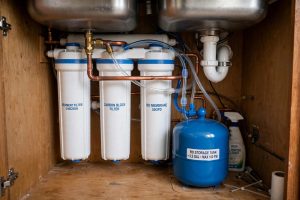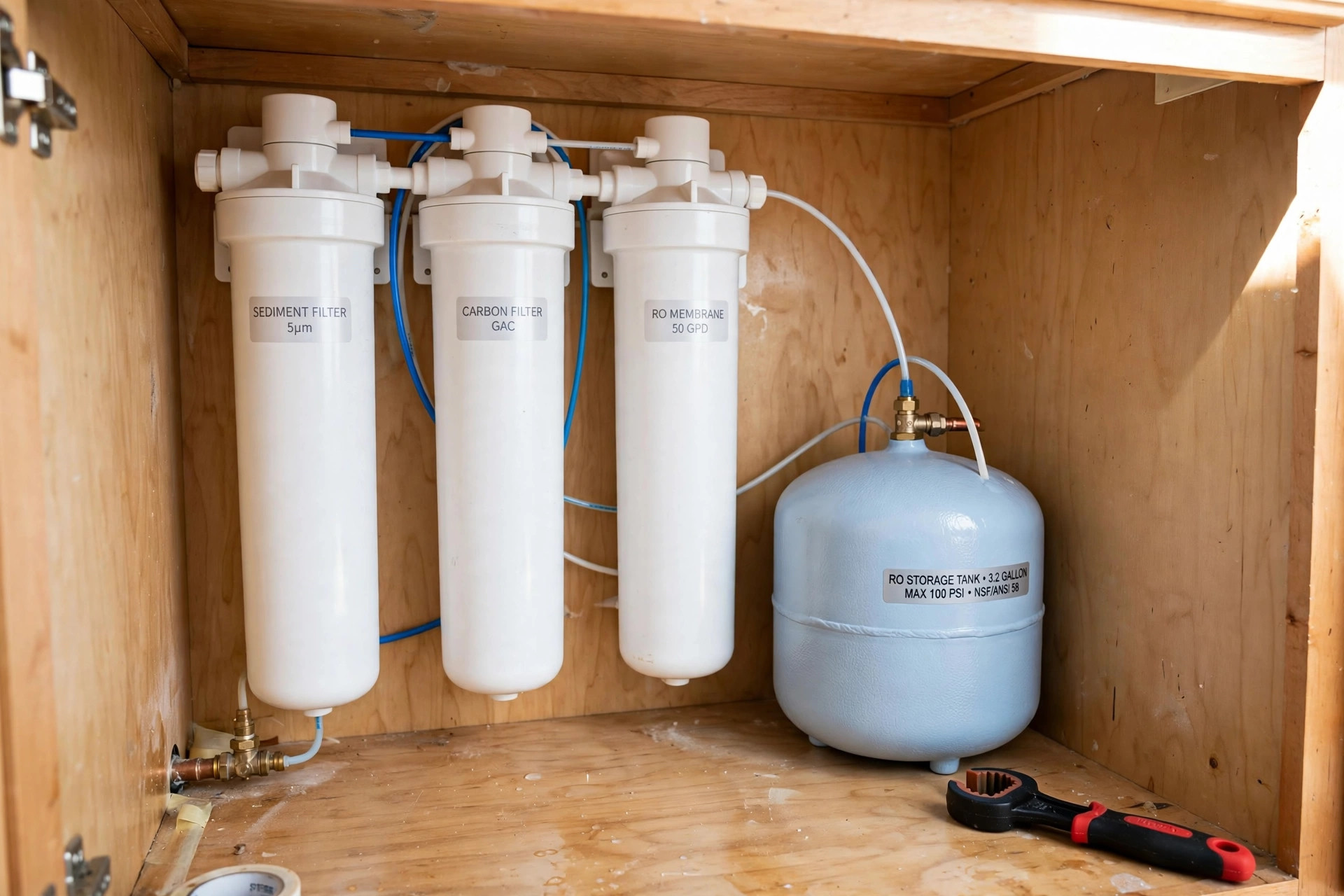

Many American homes rely on reverse osmosis systems for clean drinking water. These systems sit quietly under the kitchen sink and work every day. Yet few owners know how often to change ro filters usa guide advice recommends. Filters wear out with use. A tired filter cannot trap the things it should trap. Water taste changes. Flow slows down. Pressure drops. This guide gives a clear schedule for every filter stage in a standard American home system. It explains the signs of worn filters, the cost of replacements, and simple care steps that keep the system strong.
Why Filter Changes Matter
A reverse osmosis system has several filter stages. Each stage removes a different kind of impurity. The first filters catch sand, rust, and silt. The next filters catch chlorine and chemicals. The thin membrane at the center removes dissolved solids, heavy metals, and other fine matter. The last filter polishes taste.
When filters stay past their useful life, the whole chain suffers. A clogged pre-filter lets sediment reach the membrane. The membrane then works harder and wears out early. A spent carbon filter lets chlorine reach the membrane too. Chlorine can damage the membrane in a short time. The result is water that costs more and protects less.
Timely changes also guard your wallet. Replacing a cheap pre-filter on time protects the membrane, which is the most costly part of the system. Many reverse osmosis system under sink reviews show that owners who follow the schedule spend less over the years than owners who wait for trouble.
Clean filters keep water safe for children, pets, and guests. They keep taste fresh and odor low. A regular change routine takes only a little time and gives peace of mind in return.
What to Look For: Signs Your RO Filters Need Changing: How Often to Change Ro Filters Usa Guide
You do not need special tools to notice filter trouble. Your senses and your system give clear signals.
Watch the water flow first. A healthy system fills a glass at a steady rate. When flow turns slow or weak, a filter may be blocked. Check the taste next. Flat, stale, or chemical taste points to a spent carbon stage. Bad odor is another warning. A musty or sour smell can mean bacteria growth on an old filter.
Look at the pressure gauge if your unit has one. Many systems show a drop in pressure when pre-filters clog. Listen for new sounds too. Pumps that run longer than usual or cycle often may fight against blocked cartridges.
Visible clues help as well. Brown or gray color on the outside of a housing suggests heavy sediment load. A water test kit for well water can confirm what your eyes cannot see. Total dissolved solids meters are cheap and easy to use. Rising readings at the tap often mean the membrane is near its end.
Do not wait for a total failure. Signs build over weeks. Act when you see two or more of them.
How to Choose Replacement Filters
Choose filters that fit your exact system model. Brand and size matter. Check the model number on the unit before you buy.
Match the micron rating of sediment filters. A 5-micron filter is common for home use. Match the carbon type as well. Granular activated carbon and carbon block filters serve different roles. Use the type your system was built for.
Buy from trusted suppliers. Large home improvement stores and national hardware retailers carry cartridges for the popular brands. For direct brand guidance, maker sites such as aquasana explain which cartridge fits which system.
Read labels with care. A filter must meet the flow rate of your unit. Check the rated gallon capacity. A filter rated for 6 months or 500 gallons needs changing when either limit arrives first.
Keep spare cartridges on hand. Storage in a cool, dry place keeps them fresh. Never use a cartridge past its printed date. Seals and media age even on the shelf.
If your water is unusual, ask for advice. Well water with iron or sulfur may need special pre-treatment. City water with high chlorine may shorten carbon life. When in doubt, a local water professional can test your supply and point you to the right set.
Types of Filters in a Standard RO System
Most home RO units hold four or five stages. Each stage has its own life span.
Sediment Pre-Filter
The sediment filter stands first in line. It catches sand, silt, rust flakes, and pipe scale. Change it every 6 months. Homes with well water or old pipes may need a change every 3 to 4 months. This is the least costly filter and the most important shield for the parts behind it.
Carbon Pre-Filters
Carbon filters remove chlorine, chloramine, and many chemicals that cause bad taste and odor. Most systems use one or two carbon stages. Change them every 6 to 12 months. High chlorine levels in city water shorten this range. A spent carbon stage is the main reason membranes fail early.
RO Membrane
The membrane is the heart of the system. It removes dissolved salts, heavy metals, fluoride, nitrates, and many other dissolved solids. Change it every 2 to 3 years. Some membranes last 4 years with good pre-filter care. Test your water yearly. When total dissolved solids rejection drops below 80 percent of the rated value, plan a new membrane.
Post-Filter, or Polishing Filter
The final carbon filter freshens taste before water reaches the faucet. Change it once a year. This filter is cheap and easy to swap. Owners often pair its change with the yearly sanitizing of the storage tank.
Remineralization Filters
Some systems add a stage that puts minerals back into the water. Change it every 6 to 12 months, following the maker note. This stage is optional and affects taste more than safety.
A Simple Change Schedule
Here is the standard timetable used across the United States:
– Sediment filter: every 6 months – Carbon pre-filters: every 6 to 12 months – RO membrane: every 2 to 3 years – Post-filter: every 12 months – Remineralization filter: every 6 to 12 months
Mark these dates on a calendar or phone reminder. Families that use a lot of water should shift toward the shorter end of each range. Small households with soft city water can use the longer end.
Well owners should test more often. The U.S. Environmental Protection Agency urges private well owners to test their water each year. A test shows iron, hardness, and bacteria levels that change filter life.
Cost and Price of RO Filter Changes
Filter costs vary by brand and stage. Sediment cartridges usually cost 10 to 25 dollars. Carbon cartridges run 15 to 40 dollars each. Post-filters cost about 10 to 30 dollars. The RO membrane costs 40 to 100 dollars.
A full yearly set of pre-filters and post-filter often costs 60 to 120 dollars. Add a membrane every few years and the average yearly cost lands near 100 to 200 dollars. Many owners compare this to bottled water. A family that buys bottled water can spend several hundred dollars a year. The RO system pays for itself in savings.
Professional service adds labor cost. A plumber visit may cost 100 to 200 dollars. Most owners learn to change cartridges themselves in about 30 minutes. Filter wrenches come with many kits. Video and print guides from sites like This Old House walk through the steps.
Buy filters in multi-packs when you can. Two-year supply packs lower the price per cartridge. Check that the pack matches your exact model. Storage stays fine for one to two years in a dry cabinet.
Care and Upkeep Between Changes
Simple habits extend filter life and keep water quality high.
Sanitize the system once a year. Drain the storage tank fully during the yearly filter change. This step stops stale water from sitting too long. Many makers include sanitizing steps in the manual.
Check for leaks each month. Look under the sink for damp spots or mineral crust. Tighten fittings by hand. Do not overtighten plastic housings.
Keep the drain line clear. The RO system sends waste water to the drain. A clogged drain saddle slows the whole unit. Check the line when you change filters.
Watch the storage tank pressure. Tanks use an air bladder. Low air pressure reduces flow at the faucet. The manual lists the correct pressure for your model. A tire gauge works for the check.
Flush new filters before use. Run a few gallons through a fresh carbon filter to clear loose carbon dust. Fill and drain the tank twice after a membrane change. This clears factory preservatives.
Keep records. Note the date of each change on a card taped inside the cabinet door. The card takes seconds to fill and removes all guesswork later. Many of the best under sink water filters ship with reminder stickers for this purpose.
Safety
Water filter work is simple, but safety rules still apply.
Turn off the cold water supply before you open any housing. Release pressure by opening the RO faucet. Place towels under the unit. Water will spill when housings open.
Wash your hands before touching new cartridges. Oils and dirt from skin can foul filter media. Handle cartridges by the ends only.
Wear gloves and eye cover if you use sanitizing solution. Chlorine bleach is the common choice. Follow the exact dilution in your manual. Rinse well before you return the system to service.
Never drink the first tank after sanitizing until the system is flushed as the manual directs. Keep bleach and other chemicals away from children and pets during the job.
Shut off the ice maker or refrigerator line if your RO feeds it. Old ice can carry stale water. Dump the first batches of ice after a filter change.
If you see cracks in a housing, replace it. A cracked housing can burst under pressure and flood the cabinet. Spare housings are cheap insurance.
For general plumbing repair tips, Family Handyman offers clear step-by-step guides. Fixture makers such as Moen, Delta Faucet, and Kohler also publish care advice for the taps and fittings around your system.
Frequently Asked Questions
How often should I change RO filters in the USA? Change sediment filters every 6 months. Change carbon filters every 6 to 12 months. Change the post-filter once a year. Change the RO membrane every 2 to 3 years. Homes with well water or heavy use need the shorter end of these ranges.
What happens if I never change my RO filters? Water quality falls. Flow slows. Taste and odor get worse. Chlorine reaches the membrane and ruins it. Bacteria can grow on old media. In time the system may fail and need costly repair.
Can I change RO filters myself? Yes. Most owners do it themselves. The job needs a filter wrench, towels, and about 30 minutes. Turn off the water, release pressure, swap each cartridge, sanitize the tank, and flush the system.
How do I know when the RO membrane needs replacing? Use a total dissolved solids meter. Compare tap water readings before and after the system. When the system removes far less than its rated percentage, the membrane is worn. A sharp rise in the product water reading is the clearest sign.
Do all RO systems use the same replacement schedule? No. Schedules differ by brand, stage count, and local water quality. Always check your maker manual first. Use the schedule in this guide as a baseline and adjust for your water test results.
Is a reverse osmosis filter change schedule different for well water? Yes. Well water often carries more sediment, iron, and bacteria. Change pre-filters more often. Test water yearly. Add pre-treatment such as a sediment filter or softener if tests show heavy loading.
A Final Word
A reverse osmosis system rewards steady care. Follow the schedule. Change each filter on time. Test your water once a year. The cost is modest and the work is simple. In return, you get clean, fresh water at your tap every day. Start today by checking the date of your last change. If you cannot recall it, that is your sign to begin.
References
Aquasana. (n.d.). Water filtration systems. https://www.aquasana.com Delta Faucet. (n.d.). Kitchen and bathroom faucets. https://www.deltafaucet.com Family Handyman. (n.d.). DIY home repair and maintenance. https://www.familyhandyman.com Kohler. (n.d.). Bathroom and kitchen fixtures. https://www.kohler.com Lowe’s. (n.d.). Home improvement products. https://www.lowes.com Moen. (n.d.). Faucets and plumbing fixtures. https://www.moen.com The Home Depot. (n.d.). Home improvement products. https://www.homedepot.com This Old House. (n.d.). Home renovation guidance. https://www.thisoldhouse.com U.S. Environmental Protection Agency. (n.d.). Protecting human health and the environment. https://www.epa.gov
Was this guide helpful?

About Lisa Anderson
The My Garden US editorial team writes practical, in-depth home and garden guides for American homeowners — tested advice, no fluff.
You May Also Like
Best Sump Pump for Basement Reviews USA: A Plain Buyer’s Guide
February 23, 2026 0 views
Sewage Ejector Pump Installation Cost USA: What You Will Pay and Why
March 13, 2026 0 views
Backwater Valve Installation Cost for Basement: What Homeowners Pay in 2026
June 17, 2026 0 views