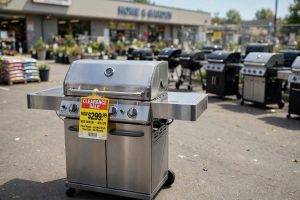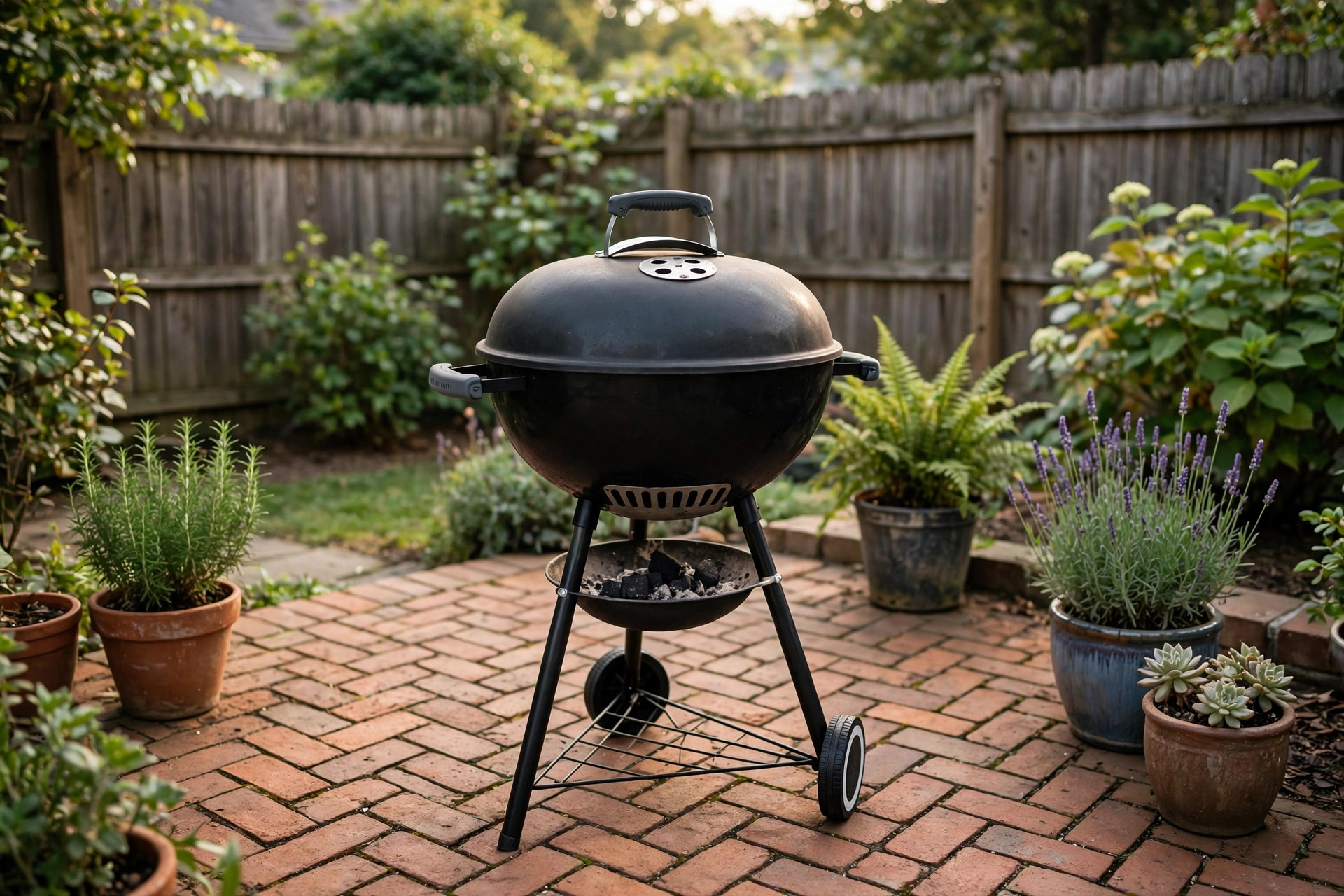

Not every home has a wide lawn. Many families own a small yard, a patch of grass, or a narrow patio. They still want the taste of food cooked over fire. The best BBQ for small backyards reviews can help such buyers pick a grill that fits the space and still cooks well. A good compact grill makes fine burgers, chicken, and vegetables. A poor one wastes money and crowds the yard. This guide looks at the matter from every side. It covers size, fuel, price, care, and safety. It points to honest review sources too.
Why It Matters
A grill is a big item on a small lot. A full-size unit can take up half of a narrow patio. Once it is there, chairs and tables must squeeze around it. Cooking becomes a chore. Guests have little room to stand. Worse, a large grill can sit too close to the house wall. That is a fire risk. Reviews that focus on small backyards address these real problems. They do not just rate heat output. They rate footprint, storage, and safe clearance.
Small spaces have strict rules too. Some towns ban charcoal on balconies and small decks. Home owner associations may limit fuel types. Apartment leases often forbid open flame above the first floor. A review that ignores these rules does not help. A review written for small backyards should mention them. It should say which grills work under such limits. The best electric grill for apartment balcony may be the only legal choice in some homes.
A well-chosen small grill saves money as well. Large grills cost more to buy and more to fuel. A compact unit uses less gas or charcoal per cook. For a family of two or four, that is enough. There is no need to heat a huge chamber for six burgers.
How to Choose: What to Look For: Best Bbq for Small Backyards Reviews
Readers of best BBQ for small backyards reviews should look past the star ratings. Several features matter more than fame.
Size and shape. Measure the cooking spot first. Leave at least three feet of clear space on all sides of the grill. Kettle grills with round bodies suit corners. Rectangular cart grills need a long wall. Note the grill’s size when the lid and side shelves are open. Fold-down shelves save space between cooks.
Cooking area. A small grill should still hold food for a family meal. About 250 to 400 square inches of cooking space is a fair range. That cooks four to six burgers at once. Check how the maker measures. Some count warming racks that are less useful.
Fuel type. Gas lights fast and heats even. Charcoal gives deeper flavor but needs more time and ash space. Electric suits balconies and patios where flame is banned. Pellet grills smoke well but are large and need power outlets. Think about storage too. A gas tank and a bag of charcoal each take room in a small yard.
Heat control. Small grills can run hot because the fire sits close to the food. Look for adjustable burners or vents. A built-in lid thermometer helps. Reviews on The Spruce Eats often note how steady a grill holds its temperature.
Build quality. Thin metal warps and rusts fast. Cast iron grates keep heat but need care. Stainless steel resists rust. Porcelain-coated parts clean with less effort. Independent test labs such as Consumer Reports publish durability results worth reading.
Wheels and storage. A small yard may double as a play area or garden. A grill that rolls into a shed or corner earns its keep. Locking wheels keep it still in wind. A fitted cover protects it from rain.
Ease of cleaning. Grease trays should slide out. Grates should lift with one hand. Ash cans should seal shut. Reviews often skip this, but owners face it after every cook.
Types of BBQs for Small Backyards
Every type has a place. The right one depends on space, rules, and taste.
Kettle charcoal grills. The classic round kettle is cheap, light, and easy to move. It stores in a corner or hangs on a wall hook. Many owners call it the best charcoal grill for backyard BBQ because it sears and smokes with little fuss. Downsides are ash and longer start times.
Small gas grills. Two-burner gas grills fit narrow patios and heat in ten minutes. Makers like Weber, Char-Broil, Napoleon, and Broil King sell compact models with folding side tables. Gas costs more up front but cooks clean and fast.
Portable grills. Tabletop and folding-leg grills serve tiny yards well. They pack away after dinner. The best portable grill for camping reviews often double as small-backyard picks because the size and weight suit both uses. They work best for one or two people.
Electric grills. Where flame is banned, electric is the answer. It plugs into a standard outlet and makes no open fire. Heat is mild, so searing is weaker. But for apartments and small decks, it may be the only safe legal grill.
Pellet grills. Brands like Traeger make small pellet models that smoke ribs and brisket with little effort. They need electricity and dry pellet storage. The hopper adds bulk. They suit owners who value smoke flavor and have a dry storage spot.
Kamado cookers. Thick ceramic walls hold steady heat for hours. A small kamado can grill, smoke, and bake. It is heavy and costly, and it needs a firm stand. On a tiny patio, the weight is a real drawback.
Cost and Price
Prices for compact grills run wide. A basic kettle grill may cost under one hundred dollars. A mid-size two-burner gas grill often lands between two hundred and five hundred dollars. Small kamado cookers and quality pellet units can pass five hundred.
Do not judge by price alone. A cheap grill that rusts in two years costs more than a sound one that lasts ten. Check the warranty. Five years on burners and ten on the firebox show faith from the maker. Replacement parts should be easy to buy. Retailers like Home Depot list part numbers and stock covers, which makes long ownership simpler.
Fuel cost counts too. A twenty-pound propane tank fills many cooks on a small grill. Charcoal bags cost less per bag but add up over a summer. Electric grills use little power per cook but may need a new heating element in time.
Budget for extras. A cover, a chimney starter, tongs, and a thermometer add fifty to one hundred dollars. Reviews sometimes test grills bare and ignore these needs. Owners should not.
Care and Upkeep
A small grill works hard in tight quarters. Grease builds fast. Regular care keeps it safe and tasty.
Brush the grates while they are hot, before and after each cook. A stiff brush takes seconds. Empty the grease tray often. Built-up grease can catch fire. On gas grills, check the burners each spring. Spiders like to nest in venturi tubes. A blocked tube can cause flare-ups.
Charcoal owners should dump ash after every cook. Cold ash holds moisture and rusts the bowl. Store charcoal in a dry bin with a lid. Damp charcoal smokes and lights poorly.
Cover the grill between uses. Sun and rain age any finish. Stainless steel still spots and pits without care. Tighten bolts once a year. Wheels and handles loosen with rolling.
Season cast iron grates with a thin coat of oil after cleaning. Heat the grill to bake the oil in. This builds a nonstick layer and fights rust. Technique guides from AmazingRibs explain the steps in plain terms.
Deep clean twice a year. Take out the grates and flavor bars. Scrape the inside of the lid. Wash the drip pan with hot soapy water. A half hour of work adds years to the grill.
Safety in Tight Spaces
Small yards leave little margin for error. Safety deserves first place.
Keep the grill at least three feet from the house, railings, fences, and overhanging branches. Never grill under a low awning or inside a garage, even with the door open. Carbon monoxide has no smell and kills fast.
Set the grill on a flat, hard surface. A wobbly grill can tip. Keep children and pets away from the cooking zone. Mark the zone with a mat or a line of planters if the yard is shared.
Store fuel apart from the grill. Keep propane tanks upright, outdoors, away from heat. Never store a spare tank under or beside the grill. Keep charcoal and lighter fluid in a dry shed, not in the house.
Check local rules before buying. Some cities ban charcoal within ten feet of a building. Some ban all grills on balconies. Landlords and associations may have their own limits. A quick call to the fire department or management office avoids fines.
For gas grills, test for leaks each season. Brush soapy water on the hose joints and open the tank valve. Bubbles mean a leak. Shut the valve and replace the part before cooking.
Frequently Asked Questions
What size grill is best for a small backyard? A cooking area of 250 to 400 square inches suits most small yards. It feeds four to six people. Measure your spot and keep three feet of clearance on every side before you buy.
Is gas or charcoal better for small spaces? Gas heats fast, cooks even, and makes no ash. Charcoal tastes richer but needs more room for ash and longer cool-down time. Many owners of tiny patios pick gas for daily ease and keep a small kettle for weekend charcoal cooks.
Can I use a grill on a small balcony? It depends on local law and your lease. Many cities and buildings ban charcoal and gas on balconies. Electric grills are often allowed. Read your lease and check city fire rules first.
How do I store a grill in a small yard? Pick a model with locking wheels and fold-down shelves. Roll it against a wall or into a shed after it cools. A fitted cover keeps rain off. Wall hooks hold kettle lids and tools.
How long should a small grill last? A well-built grill lasts eight to twelve years with basic care. Thin cheap models may fail in two or three. Warranty length and part availability are good clues to real life span.
Do I need a thermometer if the grill has one in the lid? Yes. Lid thermometers read the air near the top, not the food. A probe thermometer tells the true internal temperature of meat. It is the cheapest way to cook safe, juicy food.
A Short Final Word
The best BBQ for small backyards reviews all point to the same truth. Fit comes first. A grill must suit the space, the rules, and the cook. Measure the yard. Pick the right fuel. Read honest tests. Spend for build quality, not for size. Then keep the grill clean and give it room to breathe. A small yard can still turn out great barbecue. It only takes the right tool and a little care.
References
AmazingRibs.com. (n.d.). Barbecue and grilling science. https://www.amazingribs.com Broil King. (n.d.). Gas and charcoal grills. https://www.broilkingbbq.com Char-Broil. (n.d.). Gas and charcoal grills. https://www.charbroil.com Consumer Reports. (n.d.). Product reviews and ratings. https://www.consumerreports.org Napoleon. (n.d.). Fireplaces, grills, and heating products. https://www.napoleon.com The Home Depot. (n.d.). Home improvement products. https://www.homedepot.com The Spruce Eats. (n.d.). Recipes and cooking guides. https://www.thespruceeats.com Traeger. (n.d.). Wood pellet grills. https://www.traeger.com Weber. (n.d.). Grills and outdoor cooking. https://www.weber.com
Was this guide helpful?

About Jennifer Lee
The My Garden US editorial team writes practical, in-depth home and garden guides for American homeowners — tested advice, no fluff.
You May Also Like
Best Outdoor Beverage Cooler for Patio: A Plain Guide
January 29, 2026 0 views
How to Fix a Gas Grill Ignition That Is Not Working
March 9, 2026 0 views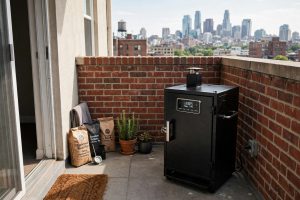
Best Outdoor Smoker for Apartments: A Practical Guide
March 17, 2026 0 views