
Many homeowners dream of a thick green lawn. They picture children playing on soft grass. They picture weekend cookouts on a neat yard. But starting from bare soil takes time. Seed can take months to fill in. Sod gives a finished lawn in a single day. The main question is price. This guide explains the cheap sod installation cost per pallet in plain terms. It covers what a pallet holds, what labor adds, and how to save money without cutting corners.
Why a New Sod Lawn Is Worth Considering
A yard covered in weeds or bare dirt hurts a home. It looks tired. It tracks mud into the house. It can lower the value of the property. Sod changes all of that in hours. Workers roll out strips of living grass like carpet. By evening, the yard looks complete.
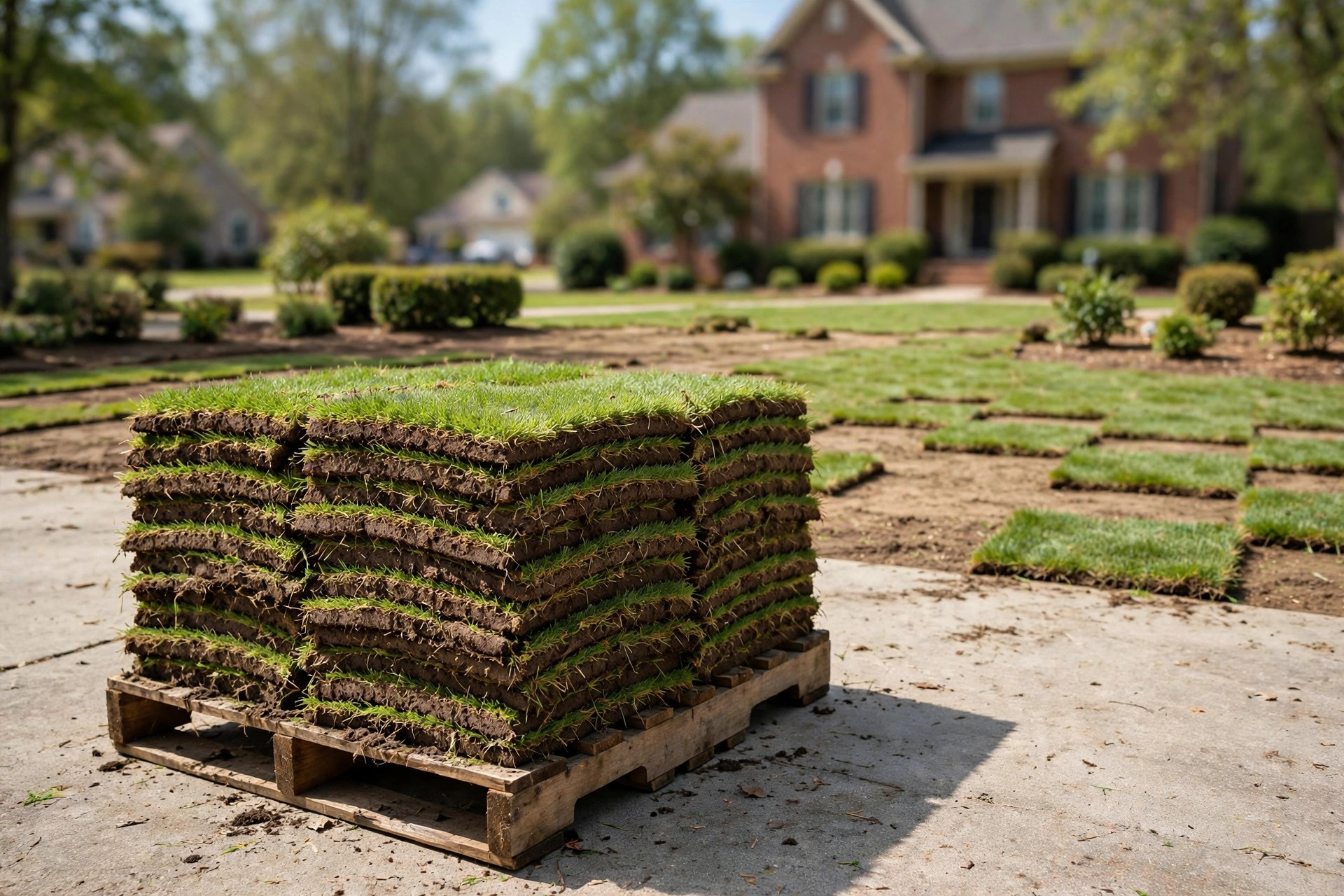
Sod is grown on special farms. It is cut in thin sheets with the roots still attached. The sheets are rolled or stacked. They are shipped to garden centers and job sites the same day. Fresh sod takes root in one to two weeks if it is watered well.
The cheap sod installation cost per pallet draws many buyers. A pallet is the standard way sod is sold. One pallet covers a set area. Buyers who know the per-pallet price can budget the whole job. They can compare quotes from two or three installers with clear numbers.
Sod also beats seed in several ways. Seed washes away in heavy rain. Birds eat it. Weeds move in before the young grass can compete. Sod arrives as mature grass. It blocks weeds from the start. It holds soil in place on slopes. Gardeners who want to learn more about keeping new grass fed often start with Pennington’s lawn care guides, which cover feeding schedules for common turf types.
What to Look For Before You Buy: Cheap Sod Installation Cost Per Pallet
Price matters, but cheap sod that fails is no bargain. Start with the source. Buy from a farm or dealer that cuts sod to order. Sod that sits on a pallet for days dries out. The edges turn brown. The rolls may heat up in the center and die. Ask when the sod was cut. Fresh-cut sod should feel cool and damp. The soil side should smell like earth, not rot.
Check the grass type for your area. Warm regions favor bermuda, zoysia, and St. Augustine. Cool regions favor bluegrass, fescue, and rye blends. A grass that does not suit your climate will struggle. It will need extra water and extra care. That raises the true cost far above the cheap sod installation cost per pallet you paid at first. Planting and feeding charts on Scotts show which grasses suit which zones.
Inspect a sample roll. Lift a corner and look at the roots. White roots mean the grass is alive and growing. The sheet should hold together when lifted. Thin sheets tear and dry out fast. The color should be a uniform green.
Ask about the size of each roll. Most rolls cover about two and a half square feet. A standard pallet holds rolls that cover 400 to 500 square feet. Some dealers sell half pallets. Some sell by the piece for small repairs. Know your yard size before you call. Measure length by width. Subtract the house, driveway, and beds. Order about five percent extra for cuts and waste.
Delivery terms also matter. Some dealers charge a flat fee for delivery. Others charge by the mile. A few include delivery when you order several pallets. Ask before you agree. A low per-pallet price can hide a high delivery fee.
Types of Sod and Their Prices
Not all sod costs the same. The grass type drives the price. Common varieties cost less because farms grow them in large amounts. Fancy or specialty grasses cost more.
Bermuda is a common warm-season choice. It grows fast. It stands up to heat and foot traffic. It usually sits at the low end of the price range.
Zoysia grows slower but forms a dense carpet. It handles shade better than bermuda. It costs a bit more per pallet.
St. Augustine is a favorite in hot coastal areas. It has wide blades and a rich green color. It needs steady water.
Fescue blends suit cooler states. They stay green in spring and fall. They go brown in deep summer heat unless watered.
Bluegrass is the classic cool-season lawn. It spreads by itself and repairs thin spots. It demands more water and feeding.
Shade-tolerant blends exist for yards under big trees. They mix fine fescues and other grasses. They cost more than standard blends. For a dark yard, they are often the only good choice. Each type cuts a little differently; Toro posts mowing tips for common turf types.
When you compare the cheap sod installation cost per pallet, always compare the same grass. A quote for bermuda and a quote for zoysia are not the same thing. Ask each dealer to name the variety on the tag.
Cost and Price: What a Pallet Really Costs
Now to the numbers. A pallet of sod itself, before labor, often sells for 150 to 350 dollars at the dealer. That is the material cost. The wide range comes from grass type, region, and season. Prices rise in spring when demand is high. They fall in late summer and fall when farms clear stock. Shoppers can check current shelf pricing through Home Depot to set a baseline before they talk to installers.
The phrase “cheap sod installation cost per pallet” usually means the full installed price. Installation adds labor, soil prep, and sometimes delivery. A full installed price per pallet often runs 300 to 700 dollars. That covers the pallet plus the crew to lay it.
Let us break down a typical job. Suppose your yard needs 1,000 square feet of sod. That is about two pallets. The sod might cost 200 dollars per pallet. Delivery might add 75 dollars. Soil prep might add 150 dollars. Labor to lay the sod might add 400 dollars. The total reaches about 1,025 dollars, or roughly 500 dollars per pallet installed.
Several items change the total:
Site preparation. Crews must clear old grass, rocks, and weeds. They must loosen the top few inches of soil. They must level the ground. A yard full of roots and rubble costs more to prep than a clean bed of soil. Some homeowners prep the ground themselves to save money. If you rent a tiller or sod cutter, look for models built for homeowner use on Ryobi, where battery and corded options suit smaller lots.
Delivery distance. Farms are often far from the city. A long haul raises the delivery fee. Ordering from a closer farm can cut this cost.
Quantity. Big jobs get better rates. A crew that lays ten pallets charges less per pallet than a crew that lays one. If you need only a half pallet, expect a higher price per square foot.
Season. Spring is the busy season. Crews are booked solid and prices are firm. Late summer or early fall can bring deals. Sod laid in early fall still roots well before winter in most states.
Grading and drainage. A yard that slopes toward the house needs grading. French drains or extra soil add cost. These fixes protect the home. They are worth the money even when the goal is a cheap sod installation cost per pallet.
Roll size and pallet size. A “pallet” is not a fixed unit everywhere. One dealer may stack 400 square feet per pallet. Another may stack 500. Always ask for the square footage. Compare prices per square foot, not per pallet, when dealers differ. A lawn pro can find independent rate surveys through LawnStarter to sanity-check local quotes.
A good way to keep costs down is to get three written quotes. Each quote should list the grass variety, the square footage, the prep work, delivery, and labor as separate lines.
Doing the prep work yourself is the biggest saver. Rent a sod cutter for a day. Strip the old lawn. Rake the soil level. Many rental centers carry sod cutters and lawn rollers at fair daily rates. That can cut a third off the bill.
Timing helps too. Ask dealers about off-season rates. Ask about “second cut” or field-run sod. This is sod that is fine but not perfect in color. It is sold at a discount. Once watered and fed, it looks as good as the rest.
For homeowners weighing hydroseeding cost per square foot against sod, the math favors sod for small yards. Hydroseeding is cheaper per square foot, but the equipment has a minimum charge. For a yard under 5,000 square feet, sod often wins on speed and simplicity.
Care and Upkeep After Installation
New sod is a living thing. It needs water right away. Crews usually water each section as they lay it. The homeowner must keep watering after they leave. The first two weeks are critical.
Water daily for the first week. The soil under the sod should stay damp to a depth of two to three inches. Water in the early morning. Even coverage matters, and John Deere offers irrigation pointers that help new lawns root deep instead of staying shallow. This lets the leaves dry before night. Wet leaves at night invite disease.
In the second week, water every other day. In the third week, water two or three times. After a month, switch to a normal deep watering schedule. The goal is to push roots down into the soil. Shallow daily watering forever makes weak roots.
Do not mow too soon. Wait until the grass is about four inches tall. Then cut it to about three inches. Never remove more than one third of the blade in one mowing. Sharp blades matter. Dull blades tear the young grass and pull up the roots. Light battery mowers sold by Greenworks are easy to start and quiet enough for morning mowing.
Keep foot traffic light for the first two to three weeks. Children and pets should stay off the new lawn as much as possible.
Feed the lawn about four to six weeks after laying. Use a starter fertilizer if the soil test calls for it.
Weeds may still appear at the seams. Pull them by hand rather than spraying weed killer on young sod. Most herbicides warn against use on new sod for the first two months. Read the label.
One way to thicken a thin lawn without new sod is overseeding lawn in fall step by step. Overseeding adds seed over living grass. It is cheap. It works best as a yearly habit, not as a rescue for a failed lawn. The step-by-step guides on The Spruce cover overseeding, watering, and feeding in one place for new lawn owners.
Safety Tips for a Sod Project
Sod work is heavy labor. A single roll can weigh 20 to 40 pounds. A full day of laying sod strains backs and knees. Lift with the legs, not the back. Take breaks. Drink water in the heat.
Keep children and pets away from the work area. Pallets, sod cutters, and trucks are hazards. Fresh sod can also carry fertilizer or pesticide from the farm. Ask the dealer what was applied before harvest. Keep pets off the lawn until any treatment label says it is safe. Unbiased product safety and ratings can be checked at Consumer Reports, which tests mowers, trimmers, and other yard gear.
Sun safety matters too. Sod crews work in open sun. If you lay sod yourself, wear a hat and sunscreen. Start early in the day. Heat stroke is a real risk on a July afternoon.
Check for buried lines before any digging. Call the local utility marking service before grading or trenching. Hitting a gas or power line is dangerous and costly.
Store sod in the shade if it must wait. Unroll it if the wait is more than a day. Piled sod heats up fast. Heat kills the grass in the middle of the stack. Lay it the same day it arrives when you can.
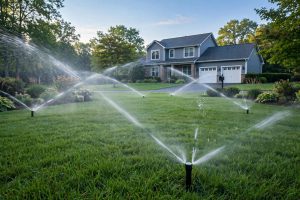
A new sprinkler system pairs well with new sod. Consistent watering is what makes sod succeed. Review an affordable lawn sprinkler installation cost estimate before the sod arrives. Automatic watering takes the guesswork out of those first weeks.
Frequently Asked Questions
How many square feet does one pallet of sod cover? Most pallets cover 400 to 500 square feet. The exact number depends on the farm and the roll size. Always ask the dealer for the square footage per pallet. Measure your yard first. Order five percent extra for cuts around curves and corners.
What is the cheap sod installation cost per pallet when I do the prep myself? If you strip and level the soil yourself, the installed cost often drops by 100 to 200 dollars per pallet. You still pay for the sod, delivery, and the crew to lay it. Many homeowners find this the best middle path. The hard part of the job is the prep, and rental tools make it doable.
How long does it take for sod to root? Sod usually knits to the soil in 10 to 14 days with good watering. You can test it by tugging a corner. If it resists, roots have formed. Full strength takes four to six weeks. Keep traffic light until then.
Can I lay sod in the summer? Yes, but summer is the hardest season. Heat dries sod fast. You must water several times a day in the first week. Crews charge more in peak season. Spring and early fall give better results with less stress on the grass and the wallet.
Is cheap sod a bad idea? Cheap is fine when the sod is fresh and the variety fits your climate. Cheap is risky when the sod sat on a pallet for days or the grass type is wrong for your area. Judge the product, not just the price. Fresh roots and a local farm matter more than a discount.
Should I choose sod or seed to save money? Seed costs far less per square foot. But it takes two to three months to fill in. It needs constant watering and weed control. For a small yard, the extra cost of sod buys a finished lawn in one day. For a very large yard, seed or hydroseeding may be the better value.
A Short Final Word
The cheap sod installation cost per pallet is only the start of the story. The real value comes from fresh sod, the right grass for your climate, and good watering in the first weeks. Get three clear quotes. Do the prep work if you can. Water on schedule. A new lawn is one of the few home projects that shows its full result the same day. With a little care, that green carpet will pay you back for years.
References
Consumer Reports. (n.d.). Product ratings and reviews. https://www.consumerreports.org Deere & Company. (n.d.). Lawn care and irrigation. https://www.deere.com Greenworks Tools. (n.d.). Battery-powered outdoor tools. https://www.greenworkstools.com LawnStarter. (n.d.). Lawn care services and guides. https://www.lawnstarter.com Pennington. (n.d.). Grass seed and lawn care products. https://www.pennington.com Ryobi Tools. (n.d.). Power tools and outdoor equipment. https://www.ryobitools.com Scotts. (n.d.). Lawn care products and guides. https://www.scotts.com The Home Depot. (n.d.). Home improvement products. https://www.homedepot.com The Spruce. (n.d.). Home and garden advice. https://www.thespruce.com Toro. (n.d.). Lawn mowers and yard equipment. https://www.toro.com
Was this guide helpful?

About David Wilson
The My Garden US editorial team writes practical, in-depth home and garden guides for American homeowners — tested advice, no fluff.
You May Also Like
Sprinkler System Repair Service Near Me: What Homeowners Should Know
September 30, 2026 0 views
Sod vs Seed Cost Comparison Guide: Which Way Saves You More?
September 28, 2026 0 views
Flagstone Walkway Ideas for Backyards
May 30, 2026 0 views