
A Solid Start for Your Painted Brick
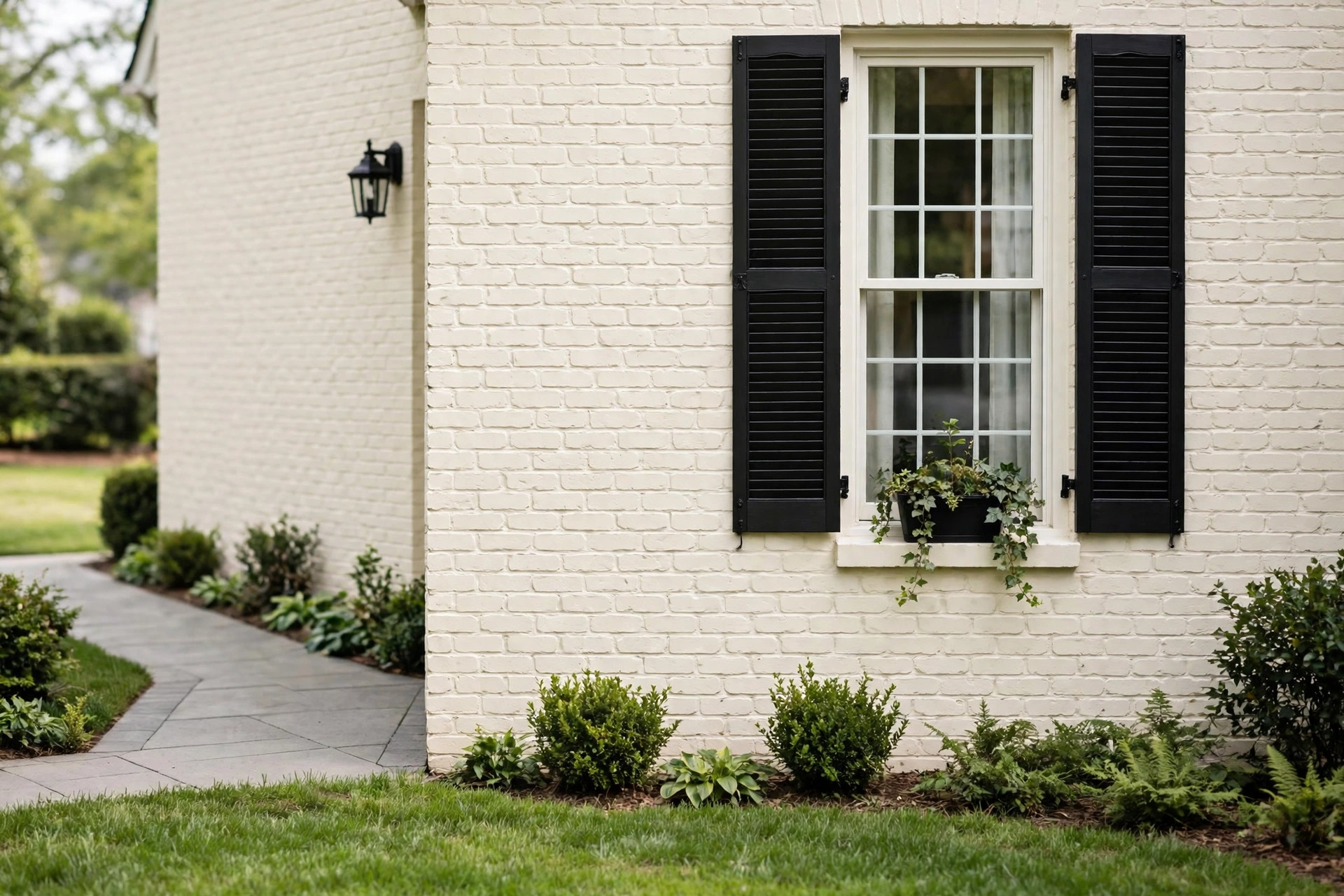
Painted brick is a popular finish on American homes. It covers old, dated brick with a fresh coat of color. It can change the whole look of a house in a weekend. But paint on brick does not care for itself. It needs steady attention to stay sharp.
These painted brick maintenance tips for homeowners will help you keep your walls clean, sound, and attractive for years. The work is not hard. Most of it takes only a few hours each year. A little care now saves a big repaint later.
Brick is a porous material. It breathes. Paint forms a skin over that breathing surface. When that skin is healthy, the brick under it stays dry and safe. When the skin fails, moisture gets in. Peeling, bubbling, and mildew follow. The tips below show you how to protect that skin.
Why Painted Brick Needs Regular Care: Painted Brick Maintenance Tips for Homeowners
Paint on wood and paint on brick are not the same. Wood moves a little. Brick does not. But brick holds water deep inside its pores. Paint must let some of that water escape. If paint traps the water, it pushes the coating off from behind.
Sun also wears paint down. South and west walls take the most sun. They fade faster than shaded walls. Wind drives rain into the mortar joints. Freezing and thawing push small cracks open over time.
A painted brick wall that is ignored for five or six years often shows chalking. That is the white powder you feel on your fingers when you touch the wall. Chalk means the paint is breaking down. It is a warning sign. Catch it early and you can clean and recoat before the damage spreads.
Regular care also protects your investment. A full exterior repaint of a brick house can cost thousands of dollars. Simple yearly upkeep costs far less. It also keeps curb appeal high, which matters when you sell.
How to Inspect Your Painted Brick
Walk around your house twice a year. Spring and fall are best. Look at every painted brick surface. Bring a notepad. Write down what you see.
Check for these common problems:
– Peeling or flaking paint. Small flakes near the bottom of the wall are common. Large sheets peeling off point to trapped moisture. – Hairline cracks. Fine cracks in the paint film are often normal aging. Wide cracks that show brick through them need attention. – White powder or streaks. Chalk and salt deposits are called efflorescence. They wash off, but they signal moisture moving through the wall. – Mildew and algae. Dark green or black patches grow on damp, shaded walls. They spread fast in warm climates. – Rusty or stained spots. Nails, flashing, and old hardware can bleed rust onto paint. Water stains near gutters need a closer look at the roof.
Press gently on any bubbling paint with your finger. If the bubble is soft and the wall feels damp behind it, moisture is trapped. Mark the spot. That area needs repair, not just paint.
Cleaning Painted Brick the Right Way
Cleaning is the heart of painted brick maintenance. Dirt, dust, and mildew dull the finish. They also feed growth that eats into the paint.
The Gentle Wash
For a normal yearly wash, use a garden hose and a soft brush. Mix warm water with a mild soap. A cup of liquid dish soap in five gallons of water works well. Scrub the wall in small sections. Rinse from the top down so dirty water does not streak clean paint.
Never use a pressure washer at high pressure on painted brick. Strong jets strip paint and drive water deep into the brick. If you own a pressure washer, keep it under 1,500 psi. Hold the nozzle at least a foot from the wall. Better yet, use a wide fan tip. Many guides on This Old House warn against high pressure on masonry for this reason.
Removing Mildew and Algae
Mildew needs more than soap. Mix one part household bleach with three parts water. Add a splash of dish soap. Test the mix on a hidden spot first. Some paints lighten with bleach. Apply with a garden sprayer. Let it sit for ten minutes. Scrub with a brush. Rinse well.
Wear gloves and eye protection. Cover nearby plants with plastic before you spray. Rinse the plants when you finish. The pros at Bob Vila also note that a bleach mix works, but it must be rinsed fully so it does not damage the paint film.
For stubborn stains, oxygen bleach is a gentler choice. It cleans without the harsh smell. It is kinder to plants and paint.
Dealing With Efflorescence
White salt deposits wash off with water and a stiff brush. If they come back, moisture is moving through the wall from behind. Look for sources. Clogged gutters, poor grading, and leaky downspouts are common causes. Fix the water problem first. Then clean the wall.
Touching Up Chips and Peeling Spots
Small touch-ups are the most valuable of all painted brick maintenance tips for homeowners. A chip left alone lets water in. A chip sealed with paint stays harmless.
Start by scraping loose paint with a putty knife. Feather the edges with sandpaper so the new paint blends. Clean the bare spot. Let it dry fully. This may take a day or two after rain.
Apply a masonry primer to the bare brick. Primer bonds to brick far better than paint alone. Then apply two thin coats of matching exterior paint. Use the same paint type as the original if you can. Latex acrylic paint is the most common choice for brick. It flexes with temperature changes. Guides from Sherwin-Williams recommend acrylic latex for masonry in most cases.
Keep a small jar of your house paint on hand. Label it with the color name, sheen, and the date. Store it in a cool, dry place. Shake it before use. A ready jar makes touch-ups a fifteen-minute job instead of a weekend project.
For larger peeled areas, repaint the whole section of wall. A patch in the middle of a wall shows. Paint from corner to corner for an even look.
When Painted Brick Needs a Full Recoat
Even with good care, paint wears out. Most painted brick needs a fresh coat every seven to ten years. South-facing walls may need it sooner. Harsh climates shorten the cycle.
Signs that a full recoat is due:
– Widespread chalking that does not wash off – Fading that touch-ups cannot hide – Paint failing across large areas, not just spots – Mortar joints showing through the paint film
Before a full repaint, clean the whole wall. Scrape all loose paint. Fill cracks in mortar with a masonry repair compound. Let repairs cure. Prime bare spots. Then apply two full coats. A Behr guide to masonry paint suggests two coats over primer for the best bond and color.
If your brick was painted with an oil-based paint years ago, test the new latex paint on a small area first. Old and new coatings must be compatible. When in doubt, ask a paint store for advice. The staff at The Home Depot or Lowe’s can help you match products.
Choosing the Right Products
Not every paint suits brick. Use paint made for masonry or exterior use. Breathable coatings are best. They let trapped moisture escape as vapor. Elastomeric paints are a good option. They stretch with small cracks. They also bridge hairline cracks in the old paint.
Avoid cheap interior paint on outdoor brick. It will fail fast. Avoid glossy finishes. They show every flaw in the brick. A flat or satin sheen looks best on most homes.
Primer matters as much as paint. A quality masonry primer seals the brick and gives the topcoat something to grip. Skipping primer is the most common reason new paint fails early. Resources from Benjamin Moore explain how primer choice affects adhesion on porous surfaces.
For cleaning supplies, keep these on hand: a soft brush, a bucket, mild soap, household bleach or oxygen bleach, a garden sprayer, and a sturdy ladder. For repairs, add a putty knife, sandpaper, caulk, and masonry repair compound.
Homeowners exploring a fresh color for the first time may want to read about exterior brick painting costs and services before hiring a contractor. If you prefer the softer look of limewash, learn where to buy limewash paint in the USA first. For do-it-yourself painters, our guide to the best paint sprayer for home use can speed up large jobs.
Protecting Against Moisture
Moisture is the main enemy of painted brick. Paint can only do so much. The house itself must shed water.
Keep gutters clean. Overflowing gutters pour water down the wall. Make sure downspouts carry water at least four feet from the foundation. Check that the ground slopes away from the house.
Trim bushes away from painted brick walls. Plants hold moisture against the paint. They also block airflow that would dry the wall. Leave at least six inches of space.
Check caulk around windows and doors each year. Cracked caulk lets rain behind the paint film. Recaulk with a quality exterior caulk. Smooth it with a wet finger for a clean line.
Sprinklers are a quiet threat. Adjust them so they do not spray the walls. Daily soaking speeds paint failure. The exterior care guides at HGTV and The Spruce both list sprinkler adjustment as a top maintenance step.
Inside the house, control humidity. Brick walls near bathrooms and kitchens face steam. Use exhaust fans. This matters most for interior painted brick, such as a painted brick fireplace or accent wall.
Cost and Price Guide
Painted brick maintenance is cheap compared to a full repaint. Here are typical costs for a do-it-yourself homeowner in the USA:
– Yearly wash supplies: $20 to $40 for soap, bleach, and a brush – Touch-up paint and primer: $30 to $60 for a quart of each – Masonry repair compound: $10 to $25 per tube or tub – Caulk: $8 to $15 per tube – Ladder rental: $30 to $50 per day if you do not own one
A professional touch-up visit runs $200 to $500, based on the area. A full repaint of a brick house costs $3,000 to $10,000 or more. The price depends on house size, wall condition, and your region.
Spending a few hundred dollars a year on upkeep can delay a $5,000 repaint by many years. The math is simple. Maintenance pays for itself.
Safety Notes
Safety comes first on every job. These rules apply to all painted brick work:
– Ladder safety. Set the ladder on firm, level ground. Keep three points of contact. Do not lean past the rails. Have someone hold the ladder on tall walls. – Chemical safety. Wear gloves, eye protection, and old clothes when using bleach. Work in fresh air. Never mix bleach with ammonia or vinegar. – Lead paint. Homes built before 1978 may have lead paint under newer coats. Do not scrape or sand old paint without testing. Buy a lead test kit first. If lead is present, hire a certified contractor. The Family Handyman site (Family Handyman) has clear guidance on testing for lead before any paint work. – Electrical lines. Keep water and ladders away from overhead power lines. – Mold. If mildew covers a large area, wear a dust mask or respirator. Some people react badly to mold spores.
When in doubt, call a professional. No touch-up is worth an injury.
Frequently Asked Questions
How often should I wash painted brick?
Wash it once a year. Homes near busy roads or in dusty areas may need two washes. A quick spring wash after pollen season is a good habit. Inspect while you wash. You will spot problems early.
Can I use a pressure washer on painted brick?
Yes, but with care. Keep the pressure low, under 1,500 psi. Use a wide spray tip. Stand at least twelve inches back. Test on a hidden area first. High pressure can strip paint and push water into the brick.
What causes paint to peel off brick?
Trapped moisture is the top cause. Water enters through cracks, bad caulk, or clogged gutters. It sits behind the paint. Sun heat turns it to vapor. The vapor pushes the paint off. Poor surface prep before painting is the second cause. Paint applied to dirty or wet brick will not stick.
Should I repaint the whole wall or just touch up spots?
Touch up small spots each year. Repaint the whole wall when failure is widespread. If more than a quarter of a wall shows chalking, fading, or peeling, a full coat is the better choice. Spot painting over large failed areas looks patchy and fails faster.
What is the best paint for brick?
A high-quality acrylic latex paint made for masonry or exterior use. Choose a breathable formula. Use a masonry primer first. Flat or satin sheen works best on most homes. Elastomeric coatings are a strong choice for walls with hairline cracks.
How long does paint last on brick?
Seven to ten years is typical with good care. Shaded walls last longer. South-facing walls in hot sun may need paint in five to seven years. Regular cleaning and touch-ups push the life toward the high end of that range.
A Final Word
Painted brick rewards steady, simple care. Wash it each year. Walk the walls each spring and fall. Touch up chips as soon as you see them. Keep water away from the walls. These painted brick maintenance tips for homeowners are not complicated. They are just habits.
A painted brick home that gets this care will look fresh for a decade or more. The paint will stay bright. The brick under it will stay dry. And you will spend far less than the neighbor who waits until the paint fails in sheets. Start this spring. Your walls will thank you.
References
Behr. (n.d.). Paints, primers, and stains. https://www.behr.com Benjamin Moore. (n.d.). Paints and stains. https://www.benjaminmoore.com Bob Vila. (n.d.). Home improvement advice. https://www.bobvila.com Family Handyman. (n.d.). DIY home repair and maintenance. https://www.familyhandyman.com HGTV. (n.d.). Home and garden ideas. https://www.hgtv.com Lowe’s. (n.d.). Home improvement products. https://www.lowes.com Sherwin-Williams. (n.d.). Paints and coatings. https://www.sherwin-williams.com The Home Depot. (n.d.). Home improvement products. https://www.homedepot.com The Spruce. (n.d.). Home and garden advice. https://www.thespruce.com This Old House. (n.d.). Home renovation guidance. https://www.thisoldhouse.com
Was this guide helpful?

About Sarah Mitchell
The My Garden US editorial team writes practical, in-depth home and garden guides for American homeowners — tested advice, no fluff.
You May Also Like
Best Caulk for Baseboards Reviews USA: A Plain Guide to Choosing the Right Tube
April 26, 2026 0 views
Wallpaper for Powder Room Ideas USA: A Practical Guide for Homeowners
March 10, 2026 0 views
Best Adhesive for Peel and Stick Wallpaper
May 16, 2026 0 views