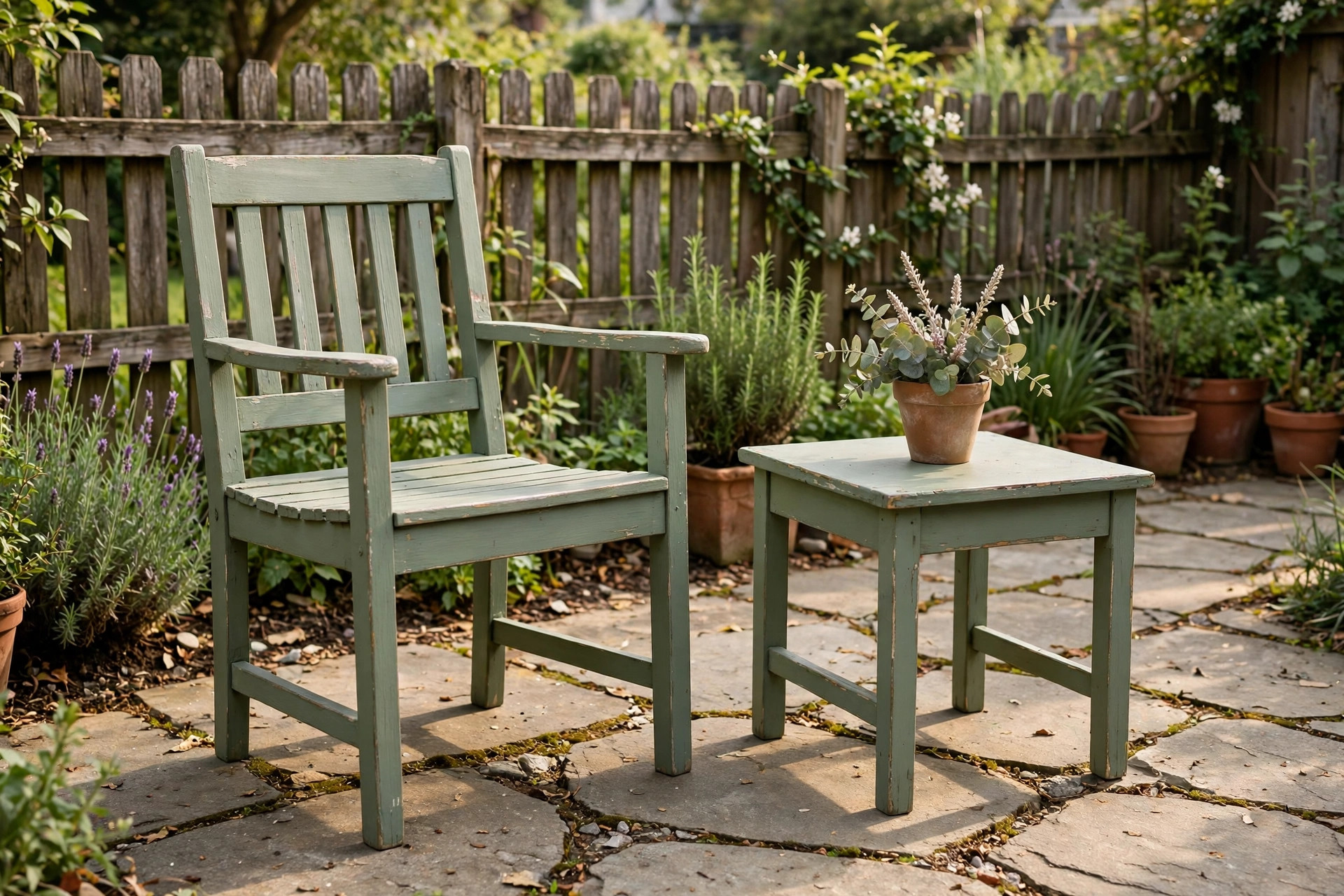

Chalk paint for outdoor furniture reviews tell a story that is more mixed than many buyers expect. Homeowners buy chalk paint because it goes on thick, covers old finishes with little sanding, and gives wood a soft matte look. They use it on porch chairs, patio tables, and old benches. Then the weather takes over. Sun, rain, and frost test every coat. Some reviewers say their chalk painted bench looked fine for two summers. Others say the paint started to chip within weeks. This guide pulls together the main points from chalk paint for outdoor furniture reviews so you can judge for yourself. It explains what chalk paint is, what buyers praise, where the paint fails outdoors, how to choose a product, what it costs, and how to keep the finish alive.
Why These Reviews Matter
Paint companies sell chalk paint as an easy finish. Many labels speak of indoor use. Yet buyers keep using it outside. Reviews from real homeowners show what the label does not say. A review can tell you how a painted chair stood up to a rainy summer in Ohio. It can tell you if the paint peeled on a west-facing porch. These details matter because outdoor paint fails in ways indoor paint never does. Moisture gets under the film. Heat makes the paint expand and shrink. Reviews give a long-term picture that a store shelf cannot give. When you read many chalk paint for outdoor furniture reviews, a pattern forms. Chalk paint can work outside, but only with the right prep and the right topcoat.
What Chalk Paint Is: Chalk Paint for Outdoor Furniture Reviews
Chalk paint is a water-based paint with a high amount of pigment and mineral filler. It dries to a flat, chalky matte surface. It sticks to most surfaces without heavy sanding. That is its main selling point. Many people use it to give old furniture a fresh look in one afternoon. The finish is soft and slightly rough to the touch. It shows brush marks more than latex paint does. Most brands make it in small tins rather than gallon cans. It costs more per ounce than standard exterior paint. Chalk paint was made for indoor crafts and furniture. The move to outdoor use came from buyers, not from paint makers. That is why reviews are the best source of truth about outdoor performance.
What Reviewers Praise
Chalk paint for outdoor furniture reviews often start with praise for ease of use. Reviewers like that they can skip the sanding step. A quick wash with soap and water is often enough before painting. This matters for wicker and turned wood, which are hard to sand. Many reviewers also like the look. Chalk paint gives wood a soft, old-world feel that glossy paint cannot match. Light colors such as cream, sage, and pale gray are common in reviews of porch rockers and patio tables.
Coverage is another common point of praise. Chalk paint is thick. One coat often covers a dark stain or an old color. Reviewers who repaint yard sale finds say this saves them time and paint. The paint dries fast too. A second coat can go on in a few hours on a dry day. Many reviewers finish a chair in a single weekend.
Finally, reviewers like how well chalk paint takes wax or clear topcoats. A good topcoat changes the feel of the surface. It adds depth and makes the color richer. The Spruce has covered chalk paint finishes in its home project guides, and many reviewers point to such guides when they plan their topcoat.
Where Chalk Paint Falls Short Outdoors
The weak points in chalk paint for outdoor furniture reviews are clear and repeat often. The first is water. Chalk paint without a topcoat soaks up water. Rain leaves dark spots. Puddles on a table top soften the film. Reviewers in wet states report that unsealed chalk paint turned soft and scraped off with a fingernail after a rainy week.
The second weak point is sun. Chalk paint has a flat finish, and flat finishes break down faster in ultraviolet light than satin or gloss finishes. Reviewers in the South and West report fading within one summer. Dark colors fade fastest. Red and navy chairs turned pink or gray by August, according to several reviews.
The third weak point is chipping. Chalk paint sits on top of the surface rather than gripping it the way a good exterior primer does. On metal frames and smooth plastic, reviewers report wide sheets of paint peeling away. Wood holds the paint better, but even wood chairs chip at the edges and on armrests where hands rub.
A fourth point appears in reviews from cold states. Freeze and thaw cycles crack the paint film. Water gets into small cracks, freezes, and pushes the paint up. By spring, some reviewers found their benches flaking badly. Paint experts at This Old House have long warned that freeze-thaw is hard on any exterior finish, and chalk paint is no exception.
How to Choose a Chalk Paint for Outdoor Use
Not all chalk paints are the same. Reviews show that results depend on the brand, the surface, and the sealer. Use these points to narrow your choice.
Check the Label for Outdoor Use
Some brands now sell chalk paint made for exterior use. These formulas have more resin and better water resistance. If the label says indoor only, the brand has not tested it outside. Reviewers who used indoor formulas outside and skipped a sealer had the worst results. Major paint makers such as Sherwin-Williams and Behr publish clear data sheets for their exterior paints, and it is worth reading a data sheet before you buy any paint for outdoor use.
Match the Product to the Surface
Wood is the best surface for chalk paint outdoors. It gives the paint something to grip. Reviewers report the best results on cedar, pine, and oak. Metal is harder. Chalk paint peels on metal unless the metal is primed first with a rust-blocking primer. If you plan to paint metal patio furniture, you may want to read about paint made for metal outdoor furniture before you decide. Plastic and resin are the hardest of all. Most reviewers say chalk paint does not last on plastic chairs, even with primer.
Plan the Topcoat From the Start
The topcoat is what makes or breaks chalk paint outdoors. Wax is the classic topcoat for chalk paint, but wax softens in heat and breaks down in rain. Reviewers who used wax outdoors often had to reapply it every few months. A better choice outdoors is a water-based polyurethane or an exterior clear sealer made for painted surfaces. Several coats give more protection than one. Let each coat dry fully. Reviewers who rushed the topcoat reported cloudy spots and soft spots in the finish.
Types and Options
Chalk paint for outdoor furniture comes in a few forms. Loose powder chalk paint is sold in bags and mixed with water at home. Reviewers like that it is cheap and fresh, but the color can vary from batch to batch. Ready-mixed chalk paint in tins is the most common form. It gives even color and is easy to use. Some brands sell spray chalk paint in cans. Reviewers say spray works well for wicker and chairs with many spindles, but the cans cover less area than buyers expect.
A few brands now sell exterior chalk paint with built-in sealer. Reviews of these products are more positive about water resistance. They cost more than standard chalk paint. A few store-brand chalk paints also get good reviews for outdoor use when paired with a strong topcoat. Price lists and stock at Lowe’s and The Home Depot let you compare brands side by side before you buy.
Cost and Price
Chalk paint costs more than standard exterior latex paint. A quart of name-brand chalk paint often costs between 30 and 45 dollars. A quart covers about 75 to 100 square feet with one coat. A patio set with six chairs and a table can take two to three quarts of paint. Add a quart of exterior clear sealer at 20 to 30 dollars. Total paint cost for a full patio set often lands between 80 and 150 dollars.
Spray cans cost 10 to 15 dollars each and cover far less area. One can may cover a single chair. Buyers who repaint large sets with spray cans report spending more than they planned. Powder chalk paint is cheaper per square foot but takes more time to mix and test.
Compare this with standard exterior paint. A gallon of good exterior latex costs 40 to 60 dollars and covers 300 to 400 square feet. Chalk paint costs two to three times more for the same area. Reviews say the extra cost is worth it only if you want the matte chalk look. If you want the longest life for the least money, a standard exterior paint over primer wins in most reviews.
Care and Upkeep
Chalk painted furniture needs more care outdoors than plain exterior paint does. Wipe the pieces down in spring with a soft cloth and mild soap. Check the topcoat for thin spots, chips, and gray weathered patches. Touch up bare spots with a small brush before water gets in. Keep furniture out of standing water. Use small pads under table legs so the feet do not sit in puddles.
Cover furniture or store it under a roof in winter. Reviews from northern states show that winter storage adds a full year or more to the finish. Reapply the clear sealer once a year in harsh sun or rain. A light sand with fine sandpaper before the new sealer coat helps it stick. Guides from Bob Vila on refinishing outdoor furniture walk through this yearly touch-up step in detail.
If the paint starts to fail widely, strip it and start over. Chalk paint sands off easily when it is loose. A full redo with fresh primer and sealer will last longer than patching over failed paint.
Safety Notes
Chalk paint is water-based and low odor, but you should still work in fresh air. Wear a dust mask when you sand old paint, because old paint may contain lead. Homes built before 1978 may have lead paint on old furniture. Test kits are sold at paint stores. Do not sand lead paint without a proper respirator and cleanup plan.
Keep paint away from children and pets until it is fully dry. Dry paint film can take up to three weeks to reach full hardness, though the surface feels dry in hours. Do not place hot grill tools or candles directly on a chalk painted table. Heat marks the flat finish. Safety advice on outdoor finishes also appears in project guides from HGTV, which are worth a read before a big repaint.
Frequently Asked Questions
Can I use indoor chalk paint on outdoor furniture? You can, but reviews say it needs a strong exterior topcoat and even then it will not last as long as exterior paint. Indoor formulas have less water resistance. Expect to touch up more often.
Do I need to sand before using chalk paint outside? Light scuffing helps, though many reviewers skip it. Wash the piece well first. On glossy old finishes, a light sand gives the paint a better grip. On bare wood, no sanding is needed for the paint itself, but smooth the rough spots.
How long does chalk paint last on outdoor furniture? Reviews report a wide range. With a good topcoat and a covered porch, some pieces look fine for two to three years. In open sun and rain with no topcoat, some fail in weeks. Most reviewers land between one and two seasons before touch-ups are needed.
Is wax or polyurethane better as a topcoat outdoors? Polyurethane wins outdoors in almost every review. Wax looks warm and feels nice, but it softens in summer heat and washes away in rain. An exterior-rated water-based polyurethane lasts far longer.
Where can I buy chalk paint for furniture projects? Chalk paint is sold at craft stores, paint stores, and large home centers. For a rundown of stores and online shops, see this guide on where to buy chalk paint for furniture in the USA.
Should I use chalk paint or stain on a teak bench? Teak is a special case. Teak has natural oils that fight paint adhesion. Many owners prefer oil or stain on teak. This comparison of teak oil and stain for outdoor furniture explains the trade-offs.
A Final Word
Chalk paint for outdoor furniture reviews point to one clear lesson. Chalk paint gives a lovely matte look and goes on with little prep, but it needs help to survive the weather. Use it on wood, pick a formula rated for outdoor use or seal it well, and plan on yearly touch-ups. For metal frames and plastic chairs, other paints last longer. For teak and other oily woods, oil or stain may serve you better. Benjamin Moore and other paint makers keep good reference pages on exterior finishes if you want to compare chalk paint with standard exterior paint before you buy. Read the reviews, weigh the trade-offs, and pick the finish that fits your porch, your climate, and the look you want.
References
Behr. (n.d.). Paints, primers, and stains. https://www.behr.com Benjamin Moore. (n.d.). Paints and stains. https://www.benjaminmoore.com Bob Vila. (n.d.). Home improvement advice. https://www.bobvila.com HGTV. (n.d.). Home and garden ideas. https://www.hgtv.com Lowe’s. (n.d.). Home improvement products. https://www.lowes.com Sherwin-Williams. (n.d.). Paints and coatings. https://www.sherwin-williams.com The Home Depot. (n.d.). Home improvement products. https://www.homedepot.com The Spruce. (n.d.). Home and garden advice. https://www.thespruce.com This Old House. (n.d.). Home renovation guidance. https://www.thisoldhouse.com
Was this guide helpful?

About Robert Taylor
The My Garden US editorial team writes practical, in-depth home and garden guides for American homeowners — tested advice, no fluff.
You May Also Like
Efflorescence Sealer for Basement Walls: A Plain Guide for American Homeowners
March 2, 2026 0 views
Painting Stucco House Cost in Arizona: A Full 2026 Guide
February 17, 2026 0 views
What Exterior Painting Costs in Florida: A Practical Price Guide
July 4, 2026 0 views