
Many shoppers search for the best paint for closet doors usa reviews when their doors look worn. Closet doors take daily wear. Hands touch them often. Hangers knock against them. Shoes brush them. Pets paw at them. Over time, flat wall paint on a closet door shows every mark. Chips appear along the edges. Scuffs darken the finish. A good door paint solves this. It gives a hard, smooth surface that resists marks and wipes clean. Reviews from homeowners across the country point to a clear pattern. The paints that earn the highest marks are enamels made for trim and doors. This guide walks through what reviewers say works, what to look for, what the options cost, and how to apply them with good results.
Why the Paint on Closet Doors Matters
Closet doors sit at a crossroads. They are part of the room’s look, and they work like furniture. Sliding doors, bifold doors, and hinged doors all move. Moving parts rub. Panels flex. Handles get grabbed. Paint that works fine on a wall can fail fast on a door. Standard interior wall paint stays soft. It dents. It peels where tape or stickers once sat. It yellows in a dark closet where no light reaches.
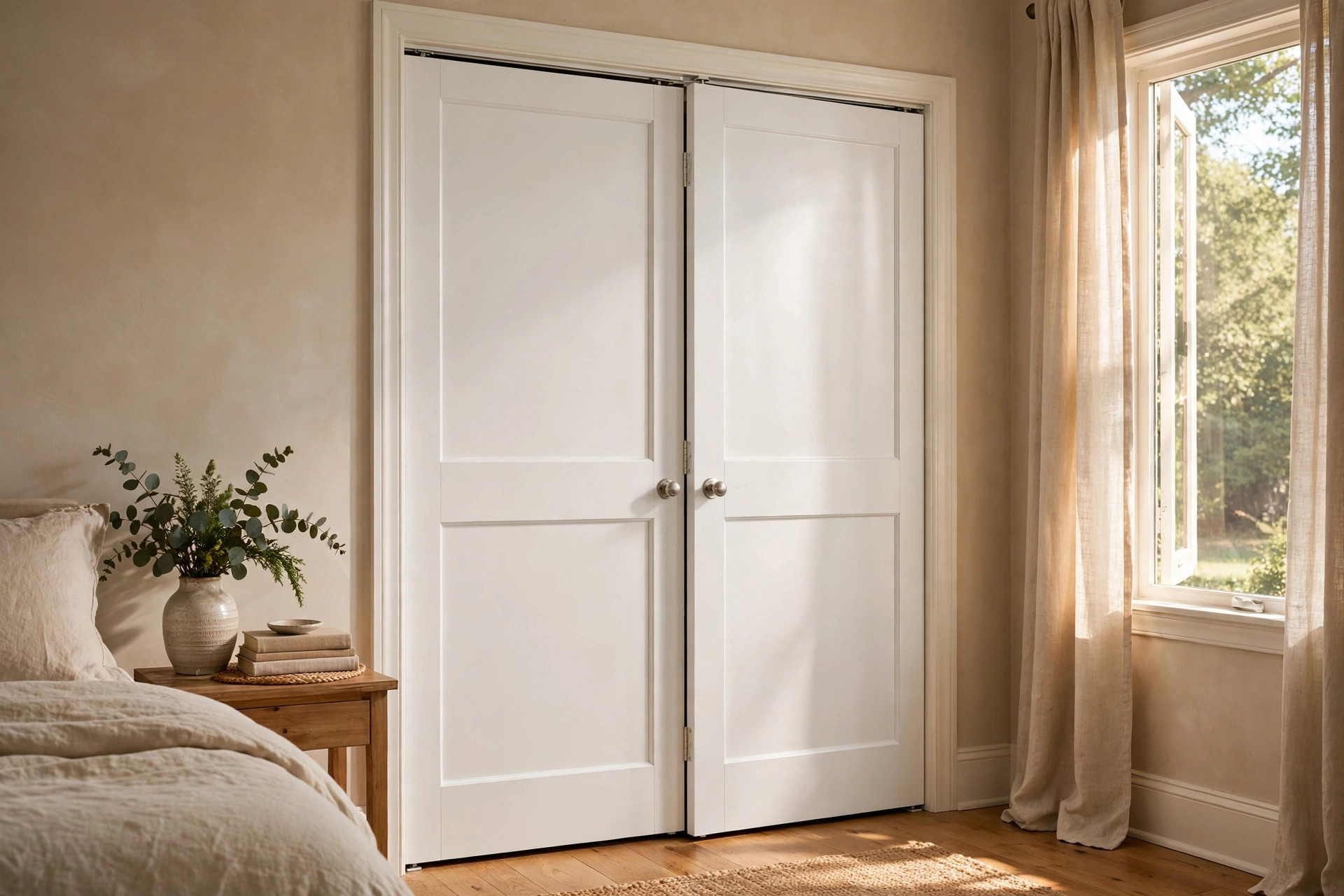
Reviewers stress one point again and again. A door needs a harder film. Enamel paints cure to a tough shell. The surface resists scratching. Fingerprints wipe off with a damp cloth. Dust does not cling as it does on rough flat paint. In bedrooms and hallways, this keeps doors looking fresh long after the walls need a touch-up. For rental homes, a durable door paint cuts the work between tenants. For family homes, it keeps busy hallways tidy.
The look matters too. Closet doors fill large areas of wall space. A smooth, even coat makes the whole room feel cared for. Reviewers often choose white or off-white because it brightens dark rooms. A satin or semi-gloss sheen adds a soft glow. It also hides small flaws in older doors. The right paint turns a tired closet into a clean part of the room.
What to Look for in Paint for Closet Doors: Best Paint for Closet Doors Usa Reviews
Finish and Sheen
Finish is the first choice. Flat and matte paints show marks and stain easily. They belong on walls, not doors. Reviewers favor satin and semi-gloss for closet doors. Satin gives a soft sheen that hides minor bumps in the wood. Semi-gloss gives a bit more shine and wipes cleaner. High-gloss is the toughest of all, but it shows every flaw. It suits new, smooth doors. For older doors with dings, satin is the safer pick. When shoppers read the best paint for closet doors usa reviews, they see satin and semi-gloss win most of the votes.
Durability and Scrub Resistance
A closet door needs a paint film that stands up to scrubbing. Look for labels that say “scrubbable” or “enamel.” Many Sherwin-Williams trim paints and Benjamin Moore door paints carry this claim. The coating should resist chipping where the door edges meet the frame. It should also resist blocking, which is when a door sticks to the frame or to weather stripping. Blocking is a common complaint in reviews of cheaper paints. A quality enamel dries to a non-sticky film, so bifold and sliding panels keep moving freely.
Dry Time and Odor
Most closet doors hang in bedrooms and hallways. The family still lives in the home while the paint dries. Low odor matters. Modern water-based acrylic enamels smell far less than old oil paints. They dry to the touch in one to two hours. They accept a second coat in four hours. This lets a homeowner finish a set of doors in a single weekend. Older oil-based formulas smell strong and need days between coats. Reviewers note that low-odor paint for bedroom closets makes the job far more pleasant, especially with children or pets in the house.
Color and Coverage
Coverage tells how far a gallon goes. Most trim enamels cover 350 to 400 square feet per gallon. A standard closet door has about 20 square feet per side. A quart often covers two doors with two coats. White paints usually cover well in two coats. Deep colors may need three. Reviewers advise buying a little extra for touch-ups. Keep the paint can label, since the exact color name and finish make future touch-ups simple.
Types of Paint Reviewed for Closet Doors
Acrylic Urethane Enamel
Acrylic urethane enamel is the top choice in most reviews. It is water-based, so cleanup needs only soap and water. Once cured, it forms a film nearly as hard as old oil paint. It resists yellowing, which matters in closets that stay dark. Sherwin-Williams makes a urethane trim enamel that reviewers praise for its smooth leveling. Benjamin Moore offers a similar product that hides brush marks well. These paints cost more than basic wall paint, but reviewers say the result is worth it. The finish looks almost sprayed when brushed with care.
Alkyd Enamel
Alkyd enamels are the modern form of oil-based paint. Some are true oil-based. Others are waterborne alkyds that clean up with water but level like oil. Reviewers like how they flow. Brush strokes melt away. The surface turns glass-smooth. Behr sells an alkyd semi-gloss enamel that earns strong marks for closet and door use. The trade-off is odor and dry time. True oil alkyds smell strong and need 24 hours between coats. Waterborne alkyds cut both problems while keeping the smooth finish. For a homeowner who wants a durable enamel paint for interior doors with a classic smooth look, alkyd remains a solid pick.
Cabinet and Trim Paint
Several brands now sell paints labeled for cabinets, doors, and trim. These are tuned for hard use. They resist stains from hands and cleaning sprays. They block well, so doors do not stick. Many carry low-VOC claims, which keeps indoor air safer during the job. Reviewers who tried Behr cabinet and trim enamel report that it brushed on thick and leveled flat. The paints cost a bit more per gallon than wall paint. A quart often runs 15 to 30 dollars. For a few doors, one quart is plenty.
Top-Rated Paints in Homeowner Reviews
Reviews from across the country name a few clear leaders. Sherwin-Williams Emerald Urethane Trim Enamel appears at the top of many lists. Homeowners praise its hard finish and strong stain resistance. It comes in satin, semi-gloss, and gloss. It costs more than store brands, but one coat often covers well over a primed door.
Benjamin Moore Advance is another favorite. Reviewers call out its smooth, furniture-like finish. It flows well off the brush. It levels out to hide stroke marks. It takes longer to cure than some rivals, so reviewers advise patience. Give it a full week before heavy use.
Behr Alkyd Semi-Gloss Enamel earns praise as a value pick. It costs less than the premium brands. It still gives a tough, scrubbable surface. Reviewers note that it works best over a good primer on bare wood. It is easy to find at Home Depot, which keeps the project simple.
For shoppers who want one-stop buying, both Home Depot and Lowe’s stock several of these lines. Store staff can tint to any color. Project guides from This Old House and Bob Vila walk through brush and roller choices for door work. Design ideas for pairing door color with room style appear on HGTV and The Spruce, where reviewers share photos of their finished closets.
Cost and Price
Painting closet doors is a low-cost project. A quart of quality trim enamel costs 15 to 35 dollars. A gallon costs 40 to 80 dollars, depending on the brand. Premium urethane enamels sit at the high end. Store-brand enamels sit at the low end. One quart covers two to three doors with two coats. A primer adds 10 to 20 dollars per quart. Brushes, rollers, sandpaper, and tape add another 20 to 40 dollars if the homeowner owns none of these.
Hiring a painter raises the cost. Pros often charge per door. A common range is 75 to 150 dollars per door for labor and materials. Large sliding mirror doors cost more because of the masking work. For a whole house with six or eight closet doors, labor can reach 600 to 1,200 dollars. Many reviewers say the job is easy enough to do themselves. The money saved buys better paint.
Cost planning gets easier when the whole painting project is mapped out. Readers who want a sense of interior painting cost per square foot 2026 can use that as a guide for budgeting walls and doors together. Homeowners refinishing built-ins at the same time may also compare kitchen cabinet refinishing service cost usa to decide what to hire out and what to paint themselves.
How to Paint Closet Doors for a Smooth Finish
Preparation
Good prep decides the result. Remove the doors from their tracks or hinges when possible. Lay them flat on sawhorses. Flat doors do not drip, and the paint levels better. Clean each door with a mild cleaner to remove grease and dust. Sand lightly with 120-grit paper to scuff the old finish. The goal is not to strip the paint. The goal is to give the new coat something to grip. Wipe away dust with a tack cloth. Fill dents and holes with wood filler. Sand the filler smooth once dry.
Priming
Bare wood and dark old paint need primer. A stain-blocking primer stops old color from bleeding through. It also seals raw wood so the topcoat goes on even. Reviewers who skip primer often report peeling within a year. A good primer adds a day to the job but adds years to the finish. For doors with old oil paint, a bonding primer helps the new water-based enamel stick.
Application
Use a high-quality brush or a small foam roller. Natural bristle brushes suit oil-based paint. Synthetic brushes suit water-based enamel. Many reviewers like a 2-inch angled sash brush for door panels and edges. Paint in thin coats. Thick coats drip and take too long to dry. Brush with the grain on wood doors. On flat panel doors, work top to bottom. Let the first coat dry fully. Sand lightly with 220-grit paper between coats to knock down dust nibs. Two coats give the best coverage. Some deep colors need three. Rehang the doors only after the paint has cured enough to resist sticking. Check the can for cure times, which often run longer than dry times.
Readers exploring decorative options for the surrounding walls may enjoy ideas for textured wall finish contractors near me to pair a bold wall treatment with clean, simple doors.
Care and Upkeep
A quality enamel finish needs little care. Dust the doors with a soft cloth each month. Wipe fingerprints with a damp sponge and mild soap. Avoid harsh cleaners that can dull the sheen. Do not use abrasive pads. They scratch the film. Touch up chips fast. A small chip lets moisture reach the wood. Keep leftover paint for these repairs. Store the can in a cool, dry place. Stir it well before each use.
Check the door edges each year. Bifold doors rub at the pivot points. Sliding doors rub at the guides. A thin touch-up coat at worn spots keeps the finish even. With good paint and light care, closet doors hold their look for seven to ten years. High-traffic closets may need a fresh coat sooner. The prep is easier the second time, since the old enamel gives a sound base.
Safety
Painting is safe when done with care. Work in a ventilated room. Open windows when the weather allows. Wear a dust mask while sanding old paint. Homes built before 1978 may hold lead paint. Do not sand or scrape it without testing. Lead test kits sell at most hardware stores. If lead is present, call a certified lead-safe contractor.
Keep paint away from children and pets. Store cans out of reach. Do not pour leftover paint down drains. Many towns run paint take-back programs. Let empty cans dry out before trash day. Read the label for first-aid steps. If paint splashes in the eyes, rinse with water and seek care.
Frequently Asked Questions
What is the best finish for closet doors? Satin and semi-gloss win in most reviews. Satin hides flaws and looks soft. Semi-gloss wipes cleaner and shines a bit more. Both suit the best semi-gloss paint for closet doors lists that homeowners share online.
Can I use wall paint on closet doors? It is not advised. Wall paint stays soft. It marks and peels on doors. A trim enamel costs little more and lasts far longer. Reviewers who tried wall paint report repainting within a year.
Do I need to prime closet doors? Primer helps in most cases. Bare wood, dark colors, and glossy old paint all need it. A bonding primer gives the best grip for new enamel. Skipping primer is the most common cause of peeling.
How long should paint cure before I rehang the doors? Dry to the touch takes hours. Full cure takes longer, often seven to 30 days. Rehang doors gently after the label’s recoat time. Avoid slamming or sticking tape on them for at least a week.
What color works best for closet doors? White and off-white remain the most popular. They brighten rooms and match most trim. Some homeowners paint closet doors the wall color for a seamless look. Dark doors can add drama in large rooms with good light.
A Final Word
The best paint for closet doors usa reviews point to one clear lesson. Use a real enamel made for trim and doors. Pick satin or semi-gloss. Prep the surface well. Apply two thin coats. The project costs little and takes a weekend. The result is doors that look clean, resist daily wear, and wipe down in seconds. Take time with prep, choose a scrub-resistant interior trim paint from a trusted brand, and the doors will serve the home well for years.
References
Behr. (n.d.). Paints, primers, and stains. https://www.behr.com Benjamin Moore. (n.d.). Paints and stains. https://www.benjaminmoore.com Bob Vila. (n.d.). Home improvement advice. https://www.bobvila.com HGTV. (n.d.). Home and garden ideas. https://www.hgtv.com Lowe’s. (n.d.). Home improvement products. https://www.lowes.com Sherwin-Williams. (n.d.). Paints and coatings. https://www.sherwin-williams.com The Home Depot. (n.d.). Home improvement products. https://www.homedepot.com The Spruce. (n.d.). Home and garden advice. https://www.thespruce.com This Old House. (n.d.). Home renovation guidance. https://www.thisoldhouse.com
Was this guide helpful?

About Sarah Mitchell
The My Garden US editorial team writes practical, in-depth home and garden guides for American homeowners — tested advice, no fluff.
You May Also Like

Best Projector Screen Paint Reviews USA
July 25, 2026 0 views
What House Painting Cost in Texas Reviews Can Tell You Before You Hire
May 7, 2026 0 views
Best Paint for Outdoor Furniture Metal USA: What Really Works
August 16, 2026 0 views