
Few colors change a room as fast as terracotta. One wall painted in this warm clay tone can make a cold room feel inviting. It can make a plain room feel finished. That is why terracotta paint colors for accent walls have become a favorite choice for homeowners across America. The color is old. People have used clay-based color in homes for thousands of years. Yet it feels fresh again in modern rooms.
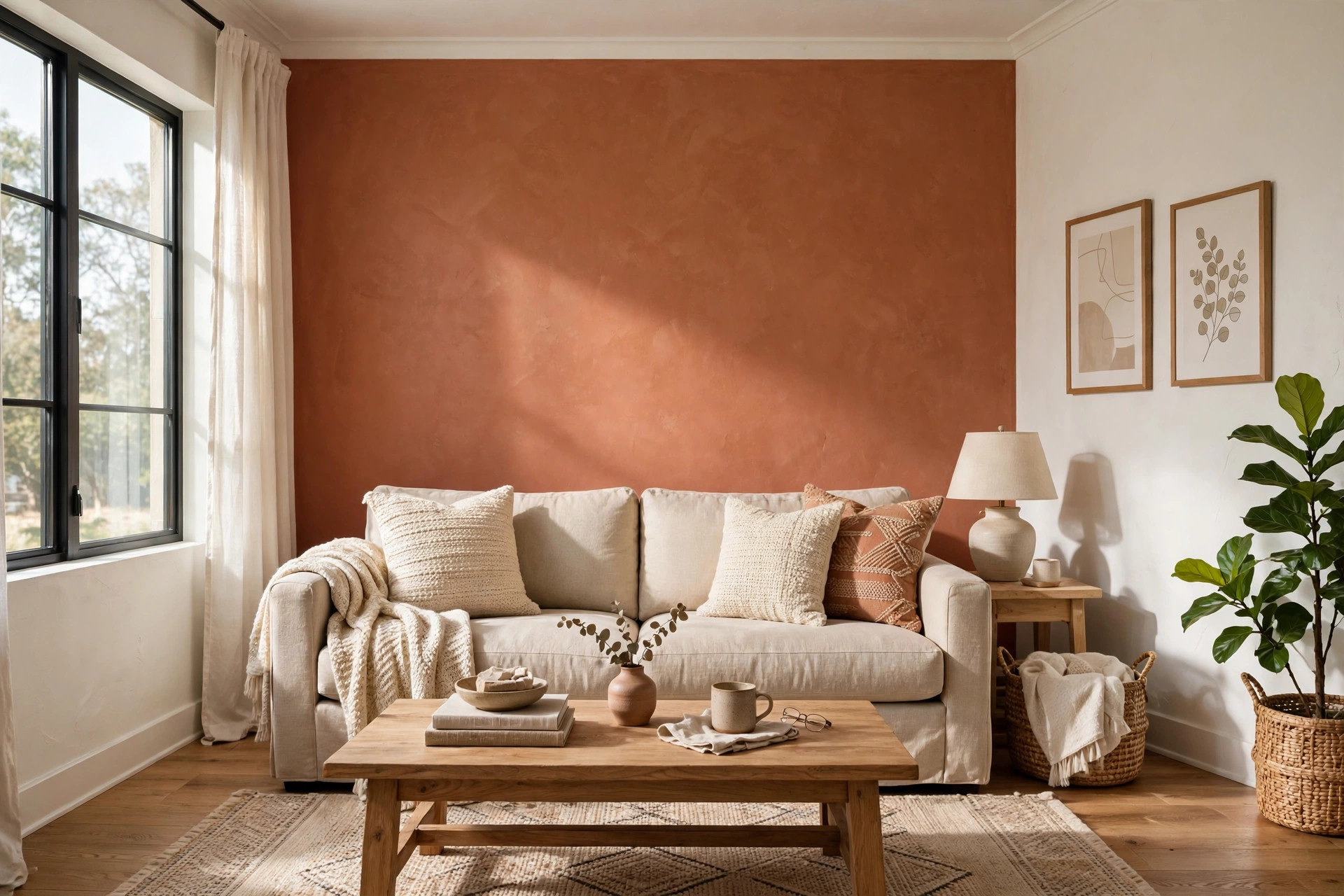
An accent wall is a single wall painted in a different color from the rest. It draws the eye. It gives a room a point of interest. When that wall is terracotta, the effect is warm and natural. It looks like fired clay, desert earth, or old brick softened by time. It works in living rooms, bedrooms, dining rooms, and home offices. It fits many styles, from rustic to modern.
This guide will help you pick the right shade. It will show you how much the work costs. It will walk you through the painting steps. It will also answer common questions from real homeowners.
Why Terracotta Works So Well as an Accent Color
Terracotta sits between orange and brown on the color wheel. It has the warmth of orange but with more depth and restraint. It does not shout. It glows. That balance makes it easy to live with day after day.
Color experts often call terracotta an earth tone. Earth tones come from nature. They include the colors of soil, stone, clay, and sand. People tend to feel calm around earth tones. A terracotta wall can make a room feel grounded and safe. This is useful in a living room where a family gathers in the evening. It is useful in a bedroom where rest matters.
Terracotta also pairs well with common home furnishings. It looks good next to cream walls. It looks good next to white trim. It suits wood furniture, both dark walnut and light oak. It works with green plants, which many homes now have. A fiddle leaf fig or a pothos plant looks striking against a terracotta background.
Another reason for its popularity is light. Terracotta reflects warm light. In a room with south-facing windows, the color deepens in the afternoon sun. In a room with lamps at night, it feels rich and cozy. A good accent wall painting idea for living rooms often starts with the question of light, and terracotta rewards that thinking more than most colors.
Design writers at sources such as The Spruce often note that warm accent colors make large rooms feel more intimate. A big open living room can feel cold. One terracotta wall behind a sofa can pull the space together. It creates a visual anchor without any new furniture.
What to Look for When Choosing a Terracotta Shade: Terracotta Paint Colors for Accent Walls
Not all terracotta paints are the same. Some lean red. Some lean orange. Some lean brown. The right one for your home depends on three things: undertone, light, and your existing decor.
Check the Undertone
Undertone is the hidden color inside a color. A terracotta paint may look orange in the can but show pink or red on the wall. To find the undertone, paint a large swatch on white poster board. Hold it next to true white. The undertone becomes clear at once. A pink undertone can clash with brown furniture. A red undertone can look harsh in small rooms. Most homeowners prefer a neutral, clay-like undertone with a touch of brown. It is the most forgiving.
Paint makers such as Sherwin-Williams publish detailed color pages that show undertones in different lights. Studying a few of these pages can save you from an expensive mistake. Benjamin Moore also offers large color chips and sample pots so you can test at home.
Study the Light in Your Room
Light changes color more than anything else. A north-facing room gets cool, indirect light all day. Terracotta in such a room may look flat or muddy. Choose a brighter, more orange terracotta there. A south-facing room gets strong warm light. A deep, brown-leaning terracotta works well there because the sun brings out its richness.
Artificial light matters too. Warm LED bulbs will deepen terracotta. Cool daylight bulbs will flatten it. Test your sample board in the morning, at noon, and at night with the lamps on. Live with the samples for at least two full days before you buy gallons.
Match Your Existing Decor
Look at the largest items in the room. The sofa, the rug, and the curtains set the tone. If your rug has warm reds or oranges, pick a terracotta with similar warmth. If your room is mostly gray and white, a softer clay color adds warmth without a fight. If you have dark wood floors, almost any terracotta shade will look fine, because wood and clay are natural partners.
Flooring matters as well. A terracotta accent wall above light oak floors feels airy. Above dark stained floors it feels dramatic. Neither is wrong. Pick the mood you want.
The Main Types of Terracotta Shades
Paint companies group terracotta into several families. Knowing them helps you speak the language when you shop.
Classic burnt terracotta is the deepest option. It is rich and red-brown, like a clay pot after firing. It suits dining rooms and studies. It makes a bold statement. Use it on one wall only, and keep the other walls light.
Desert terracotta is lighter and more orange. It feels like sand and sun. It works well in bedrooms and sunrooms. A terracotta accent wall in a living room painted in this shade feels cheerful rather than heavy.
Clay pink terracotta leans toward rose. It is softer and more modern. Young homeowners often pick it for bedrooms and home offices. It pairs well with cream, sage green, and natural wood.
Rustic brown terracotta leans toward umber. It is quiet and natural. It suits farmhouse and rustic styles. It looks at home next to stone, brick, and heavy timber.
If you want texture as well as color, consider a specialty finish. A limewash paint finish can give a terracotta wall a soft, cloudy depth that flat paint cannot match. A venetian plaster finish in a clay tone gives an old-world, hand-worked look. Both cost more than plain paint, but the result can be striking. Retailers like Home Depot and Lowe’s carry specialty paint lines and can order samples for you.
How to Paint a Terracotta Accent Wall Step by Step
Painting one wall is a weekend project for most people. A beginner can do it. The steps below follow the method taught by This Old House and long used by professional painters.
1. Pick your wall. The best accent wall is usually the first wall you see when you enter the room. In a bedroom, it is the wall behind the bed. In a living room, it is often the wall behind the sofa or the fireplace wall. Avoid walls with many doors and windows. They break up the color and waste paint.
2. Gather your tools. You need a gallon of paint for most single walls, a nine-inch roller with a three-eighths-inch nap, a two-and-a-half-inch angled brush for edges, a paint tray, painter’s tape, drop cloths, and a sturdy ladder or step stool. Behr and other makers publish guides on paint finishes that explain which sheen suits each room. For accent walls, eggshell or satin hides small wall flaws and wipes clean.
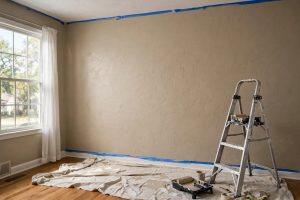
3. Prepare the room. Move furniture away from the wall. Lay drop cloths on the floor. Remove outlet covers and switch plates. Fill nail holes with spackle, let it dry, and sand it smooth. Wipe the wall with a damp cloth to remove dust.
4. Tape the edges. Apply painter’s tape along the ceiling line, the baseboards, and the corners where the accent wall meets the other walls. Press the tape down firmly with a putty knife so paint cannot bleed under it.
5. Cut in the edges. With the angled brush, paint a two-inch band along the taped edges. Work in small sections. This is slow work, but it sets the quality of the whole job.
6. Roll the wall. Load the roller evenly. Roll in a W pattern, then fill it in with smooth vertical strokes. Keep a wet edge so lap marks do not show. Terracotta is a strong color, so plan on two coats. Let the first coat dry fully, usually four hours, before the second.
7. Remove the tape and clean up. Pull the tape off while the second coat is still slightly tacky. Pull slowly at a forty-five-degree angle. Replace the outlet covers. Move the furniture back after the paint has cured for a day.
Home improvement writers at Bob Vila remind readers that patience with drying time is the difference between a good result and a poor one. Rushing the second coat causes streaks and peeling later.
Cost and Price: What a Terracotta Accent Wall Really Costs
A do-it-yourself accent wall is one of the cheapest ways to change a room. A gallon of quality interior paint costs between forty and seventy dollars. Most single walls need one to two gallons. Tools add another thirty to sixty dollars if you own nothing yet. A realistic do-it-yourself budget is between eighty and two hundred dollars.
Hiring a professional costs more. Painters often charge between two hundred and five hundred dollars for a single accent wall, depending on the size of the wall and the condition of the surface. Walls that need patching, sanding, or stain blocking cost more. High ceilings add cost too. Get two or three written estimates before you hire.
Specialty finishes raise the price. A limewash or venetian plaster effect can cost two to four times the price of plain paint when done by a pro. The materials are pricier and the labor is skilled work. For many homeowners, plain terracotta paint gives ninety percent of the look at a fraction of the cost.
Color choice can also affect cost. Deep terracotta shades sometimes need a tinted primer or an extra coat to reach full richness. Ask the paint store if your chosen color needs a gray or tinted primer. A thirty-dollar gallon of primer can save you a sixty-dollar gallon of topcoat.
Television and magazine features on HGTV often show dramatic room makeovers built around a single bold wall. The lesson from those shows is consistent: the paint is the cheapest part of the makeover. Preparation and patience are what make it look expensive.
Care and Upkeep for Your Terracotta Wall
A painted accent wall needs little care, but a few habits keep it looking fresh for years.
Dust the wall every few months with a dry microfiber cloth. Dust settles on walls just as it does on shelves, and it dulls color over time. For marks and scuffs, use a damp sponge with a drop of mild dish soap. Eggshell and satin finishes clean well. Flat paint marks more easily, which is one reason painters favor eggshell for living spaces.
Keep a small jar of leftover paint. Store it in a cool, dry place with the lid sealed tight. Touch-ups are simple when you have the exact color. Write the paint name, color code, and date on the lid with a marker. If you ever need more, the store can match the code exactly.
Sunlight will fade any paint over years. A terracotta wall in direct sun may lighten slightly after five to seven years. Quality paints resist fading better than cheap ones. If fading bothers you, a fresh single coat restores the depth in an afternoon.
Warm earth tone paint colors like terracotta hide small scuffs better than white walls do. This makes them a smart choice for hallways, play areas, and homes with pets. The color works with you instead of against you.
Safety Tips for a Home Painting Project
Painting is safe work, but basic care protects your health and your home.
Ventilate the room. Open windows and run a fan while you paint and for several hours after. Modern latex paints have low odor, but fresh air still speeds drying and clears fumes. Keep children and pets out of the room until the paint is dry.
Use a stable ladder. Do not stand on chairs or stacked boxes. Keep the ladder feet on a flat, dry surface. Move the ladder instead of overreaching, which is how most home painting falls happen.
Read the paint label. It lists drying times, cleanup steps, and any warnings. Wear gloves if your skin is sensitive. Wear safety glasses when sanding spackle, because fine dust irritates eyes.
Store leftover paint safely. Keep cans out of reach of small children. Do not pour leftover paint down drains. Most towns have a paint recycling or hazardous waste drop-off day. Your local waste authority can tell you the schedule.
Frequently Asked Questions
What rooms work best with terracotta accent walls? Living rooms and bedrooms are the most popular choices. Dining rooms look rich in terracotta light at dinner time. Home offices feel warm and focused. Bathrooms can work too, but use a moisture-resistant paint there. Small rooms can handle terracotta if you choose a lighter desert shade and keep the other walls pale.
Does terracotta go out of style? Earth tones have stayed in style for decades. They rise and fall in popularity, but they never look dated the way trendy neon colors do. A terracotta wall painted in 1990 would still look reasonable today. If you love the color, paint it. Your enjoyment matters more than any trend cycle.
What colors go with a terracotta accent wall? Cream, warm white, beige, and soft gray are the safest partners for the other walls. For accents, try sage green, mustard yellow, deep navy, or black. Natural wood tones always work. Metal finishes like brass and copper glow against terracotta. Avoid bright cool colors like electric blue or lime green next to it. They fight the warmth.
How do I pick the best terracotta paint for a bedroom? Choose a softer, lighter shade. Bedrooms need calm. A clay pink or desert terracotta is gentler than deep burnt terracotta. Test samples on the wall behind the bed, since that is where your eyes rest. Look at the samples in lamplight, because that is how the room will look most evenings.
Can I paint a terracotta accent wall over dark paint? Yes, but prime first. Dark paint will show through light terracotta. A coat of tinted primer seals the old color and gives the new paint a fair base. Some painters use a gray primer under deep colors to build richness faster. Two finish coats over primer will cover almost any old color.
Should the accent wall be flat or glossy? Eggshell or satin is the best choice for most rooms. Flat paint hides wall flaws but marks easily. Semi-gloss is tough but shows every bump and roller line. Eggshell sits in the middle. It has a soft glow that suits terracotta, and it cleans well enough for daily life.
A Short Final Word
A terracotta accent wall is a small project with a large reward. For the cost of a few gallons of paint and a weekend of work, you get a room that feels warmer, richer, and more personal. Choose your shade with care. Test it in your own light. Prepare the wall well and give each coat time to dry. The result will be a wall that looks as good in ten years as it does on the day you paint it.
If you are still comparing warm earth tone paint colors, browse a few more terracotta wall paint ideas and collect samples before you commit. The right color is the one that makes you smile every time you walk into the room.
References
Behr. (n.d.). Paints, primers, and stains. https://www.behr.com Benjamin Moore. (n.d.). Paints and stains. https://www.benjaminmoore.com Bob Vila. (n.d.). Home improvement advice. https://www.bobvila.com HGTV. (n.d.). Home and garden ideas. https://www.hgtv.com Lowe’s. (n.d.). Home improvement products. https://www.lowes.com Sherwin-Williams. (n.d.). Paints and coatings. https://www.sherwin-williams.com The Home Depot. (n.d.). Home improvement products. https://www.homedepot.com The Spruce. (n.d.). Home and garden advice. https://www.thespruce.com This Old House. (n.d.). Home renovation guidance. https://www.thisoldhouse.com
Was this guide helpful?

About Michael Thompson
The My Garden US editorial team writes practical, in-depth home and garden guides for American homeowners — tested advice, no fluff.
You May Also Like

What Exterior Painting Costs in Florida: A Practical Price Guide
July 4, 2026 0 views
Best Degreaser Before Painting Cabinets: A USA Buyer’s Guide
May 2, 2026 0 views
Best Paint for Shutters Reviews USA: How to Choose a Lasting Finish
March 14, 2026 0 views