A driveway takes a beating every day. Cars drive over it. Oil drips on it. Rain soaks it. Sun bakes it. In winter, salt and ice work their way into small cracks. This driveway sealer buying guide for USA homes will help you pick the right sealer for your own driveway. The right product can add years to its life. It can also save you from a costly replacement.
Many homeowners in the United States seal their driveways every two to three years. It is one of the cheapest ways to protect concrete or asphalt. Yet the shelves at the home center hold dozens of products. Some are made for asphalt. Some are made for concrete. Some promise a high gloss. Others dry clear and flat. This guide walks through each choice in plain words so you can buy with confidence.
Why a Driveway Sealer Matters
A driveway is an investment. Replacing one can cost thousands of dollars. Sealing it costs far less. A good sealer forms a shield on the surface. That shield keeps water out. Water is the main enemy of driveways. When water seeps in and freezes, it expands. That expansion cracks the surface. Over time, small cracks turn into large ones.
Sealer also blocks oil and fuel. Cars leak. A drop of motor oil can stain bare concrete for good. A sealed surface resists stains. You can wipe up most spills before they set in. Sunlight is another enemy. The sun’s rays dry out asphalt. The black surface turns gray. It becomes brittle. A sealer with UV protection slows this aging.
There is also the look of the home. A fresh black asphalt driveway looks sharp. A clean concrete drive with an even sheen lifts the whole front of the house. If you ever sell the home, curb appeal matters. A well kept driveway tells buyers that the home was cared for. Home improvement writers often note that the first impression starts at the curb, and a site like HGTV has long covered simple upgrades that raise that first impression.
How to Choose the Right Sealer: Driveway Sealer Buying Guide for Usa Homes
Know Your Driveway Surface
The first step is to know what your driveway is made of. Most American driveways are one of two things: asphalt or concrete. A few are pavers. Each surface needs its own kind of sealer.
Asphalt driveways are black and flexible. They need asphalt sealers. These come as coal tar emulsion or asphalt emulsion. We will cover both below. Concrete driveways are gray and hard. They need concrete sealers. These are often acrylic or penetrating types. Do not mix them up. An asphalt sealer will not stick well to concrete. A concrete sealer will not bond well to asphalt.
Check old labels if you have them. If a past owner left cans in the garage, read them. Matching the old product type is a safe move. If you are unsure, look at the surface. Asphalt feels rough and tarry. Concrete feels stony and smooth.
Check the Climate
Where you live shapes your choice. A driveway in Florida faces heat and sun. A driveway in Minnesota faces freeze and thaw. Hot states need sealers with strong UV resistance. Cold states need sealers that stay flexible in freezing weather.
Rainy regions need good water repellency. A penetrating sealer works well in wet places. It soaks into the concrete and blocks water from inside. Sunny regions benefit from a film forming sealer. It sits on top and shields the surface from the sun. Product guides at retailers such as Lowe’s often sort sealers by climate and surface, which can help you narrow the field.
Think About the Finish
Some sealers dry clear and flat. You will not see them. Others add a wet look or a high gloss. Think about what you want. A glossy driveway looks rich. It also shows scuffs more. A flat finish looks natural. It hides marks better. For painted surfaces indoors, finish matters too, which is why readers working on accent wall painting ideas for living rooms weigh sheen just as carefully.
Types of Driveway Sealers
Asphalt Emulsion Sealers
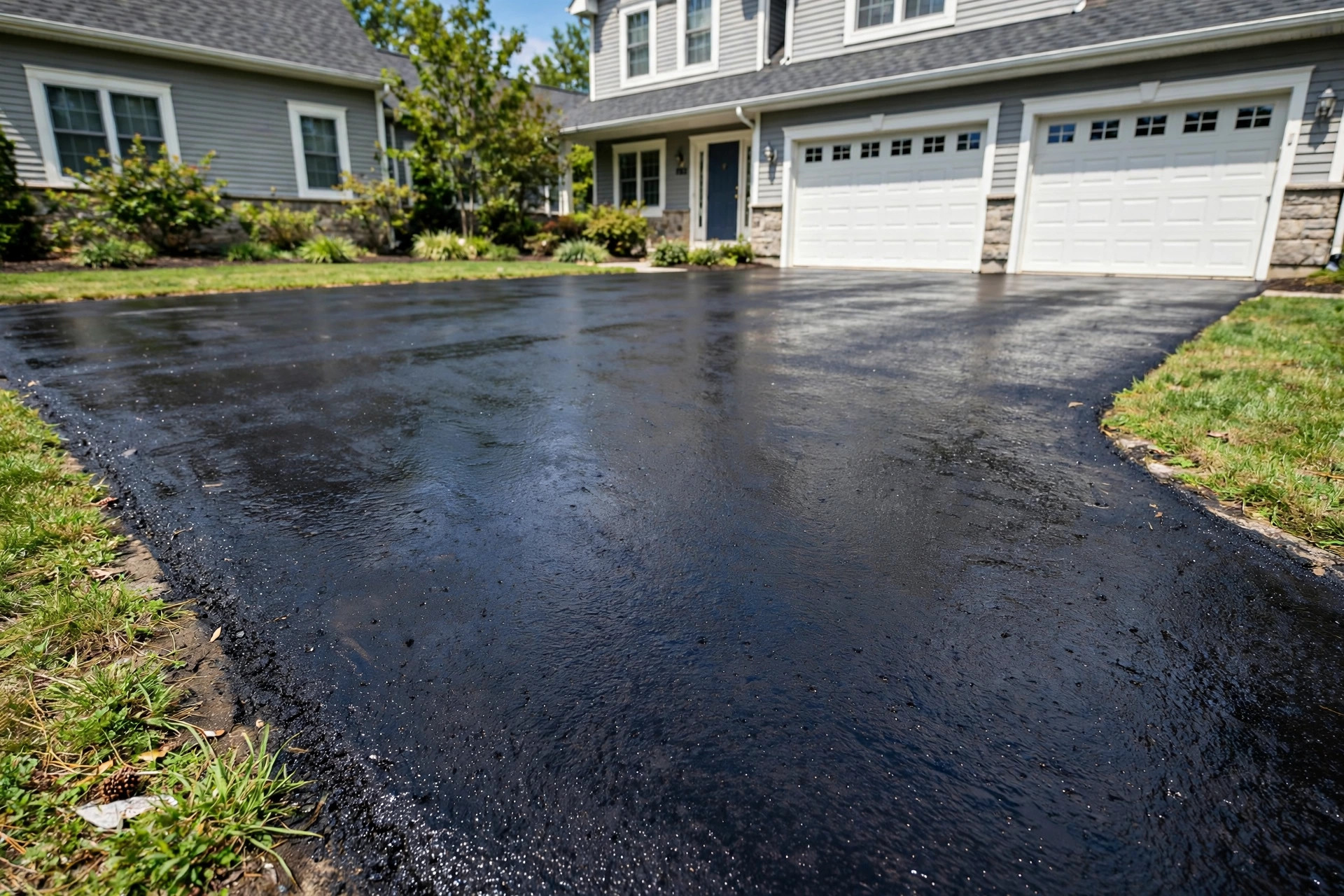
These are the most common sealers for home asphalt driveways. They are water based. They dry to a dark black finish. They bond well to asphalt. They are safer than older coal tar products. Many are easy to apply with a squeegee or brush. They cost less than most other options. For a typical home driveway, this is often the best value.
Coal Tar Sealers
Coal tar sealers have been used for decades. They resist oil, gas, and chemicals very well. They last a long time. But they come with real concerns. Coal tar contains high levels of PAHs. These are chemicals that can harm water and wildlife. Some states and cities have banned coal tar sealers. The EPA offers guidance on runoff and surface coatings that every homeowner should read before buying. If coal tar is banned where you live, use an asphalt emulsion instead.
Acrylic Concrete Sealers
Acrylic sealers sit on top of concrete. They form a thin film. They are easy to find and easy to use. Many dry fast. Some are water based. Some are solvent based. Water based types are easier to clean up. Solvent based types often last longer. Acrylics can give a wet look or a gloss. They work well on concrete and stamped concrete. A brand like BEHR makes masonry and concrete products that follow this same acrylic approach.
Penetrating Concrete Sealers
Penetrating sealers soak into the concrete. They do not change the look of the surface. They block water from within. They are a fine choice for driveways in wet or freezing climates. Two common types are silane and siloxane. They last for years. They do not peel. They do not make the surface slick. If you want protection you cannot see, this is the type to buy.
Film Forming vs. Penetrating
Here is a simple way to think about it. Film forming sealers sit on top. Penetrating sealers soak in. Film forming sealers change the look. They can add gloss. They may need re-coating sooner. Penetrating sealers keep the natural look. They last longer. They cost more up front. Pick the style that fits your taste and your budget.
Cost and Price
Driveway sealer is one of the cheapest home projects. A five gallon pail of asphalt emulsion sealer often costs between thirty and sixty dollars. One pail can cover about three hundred square feet. A two car driveway is about four hundred to six hundred square feet. Most homes need two pails.
Concrete sealers cost more. A five gallon pail can run from eighty to one hundred fifty dollars. Coverage is similar. High end penetrating sealers can cost two hundred dollars or more for five gallons. They cover less area per gallon.
If you hire a contractor, expect to pay more. A pro may charge two hundred to five hundred dollars for a standard driveway. That includes cleaning and prep work. Doing it yourself saves the labor cost. But it takes a full day. You must clean, repair cracks, apply the sealer, and wait for it to dry. Testing groups such as Consumer Reports compare coating products for value, and their methods show why price alone does not tell the full story.
Also budget for prep supplies. You will need a stiff broom. You may need a crack filler. You may need a degreaser for oil spots. Just as a degreaser preps cabinets before painting, a clean surface is the key to a sealer that sticks.
Care and Upkeep
A sealer does not last forever. Plan to re-seal every two to three years. Hot sun shortens the life. Heavy traffic shortens the life. Check the surface each spring. If water no longer beads up, it is time to re-seal. If the black has faded to gray, it is time to re-seal.
Keep the driveway clean between sealings. Sweep off dirt and leaves. Wash off oil soon after it spills. Do not use harsh chemicals. A mild soap and a hose work well. Fix new cracks as they appear. Small cracks are easy to fill. Large cracks are not. A crack filler from the home center costs only a few dollars.
Avoid sharp tools on the surface. Snow shovels can scrape sealer off. Use a plastic shovel in winter. Do not use metal blades. Turn tires gently. Sharp turns can scuff a fresh seal coat. Give the sealer a full day to cure before parking on it. How to guides from Bob Vila and The Spruce walk through this upkeep season by season.
In winter, go easy on de-icing salt. Salt can wear sealer down. Use sand for traction when you can. If you must use salt, rinse the driveway in spring. Outdoor wood needs the same kind of thought, and readers who care for decks often check the best paint for wooden Adirondack chairs usa before they start.
Safety
Driveway sealer is a chemical product. Treat it with respect. Read the label before you open the can. Wear gloves. Wear eye protection. Wear old clothes and closed shoes. Work on a day with mild weather. Do not apply sealer in direct hot sun if the label warns against it. Do not apply it when rain is near.
Keep children and pets away until the surface is fully dry. Most sealers need at least twenty four hours. Some need forty eight. The surface may look dry sooner. It is not cured yet. Walking on it early leaves marks. Driving on it early ruins the coat.
Ventilate the area. Solvent based sealers give off fumes. Stand upwind when you can. Store leftover sealer with the lid tight. Keep it out of reach of children. Do not pour leftover sealer down a drain. Take it to a household hazardous waste site. Repair advice from Family Handyman also stresses safe storage of leftover coatings.
One more note. Some states limit certain sealer types. Coal tar bans exist in many places. Check your local rules before you buy. A quick call to your city office can save you a fine.
Frequently Asked Questions
How long does driveway sealer last? Most sealers last two to three years. Penetrating concrete sealers can last five years or more. Sun, traffic, and weather decide the true life. Check each spring and re-seal when water stops beading.
Can I seal a new asphalt driveway right away? No. New asphalt needs time to cure. Wait at least six months. Some makers say wait a full year. Sealing too soon traps oils in the asphalt. The sealer will not bond well.
What is the best time of year to seal a driveway? Late spring and early fall are best in most of the United States. The air should be between fifty and ninety degrees. The ground should be dry. Pick two or three dry days in a row.
Should I spray or roll the sealer on? Both work. Rolling or squeegee work gives more control. Spraying is faster on large drives. A squeegee pushes the sealer into the surface. That gives a thicker coat. Many pros use a squeegee for the first coat.
Can sealer fix cracks in my driveway? No. Sealer is not a filler. Fill cracks first with a crack filler. Let it dry. Then apply the sealer over it. Sealer protects the surface. It does not repair damage.
Is one coat enough? Two thin coats beat one thick coat. Thin coats bond better. They dry faster. They last longer. Most labels tell you to apply two coats. Follow the label.
A Final Word
A driveway sealer is a small purchase with a big payoff. It guards against water, sun, oil, and salt. It keeps the surface looking fresh. It puts off the day you must pay for a new driveway. The key is to match the product to your surface and your climate. Asphalt needs an asphalt sealer. Concrete needs a concrete sealer. Read the label. Prep the surface well. Apply two thin coats. Then enjoy the results for years.
If you want a trusted maker’s take on exterior coatings, Benjamin Moore publishes clear guides on surface prep and finish choice. Start there, compare a few products, and pick the one that fits your home.
References
Behr. (n.d.). Paints, primers, and stains. https://www.behr.com Benjamin Moore. (n.d.). Paints and stains. https://www.benjaminmoore.com Bob Vila. (n.d.). Home improvement advice. https://www.bobvila.com Consumer Reports. (n.d.). Product reviews and ratings. https://www.consumerreports.org Family Handyman. (n.d.). DIY home repair and maintenance. https://www.familyhandyman.com HGTV. (n.d.). Home and garden ideas. https://www.hgtv.com Lowe’s. (n.d.). Home improvement products. https://www.lowes.com The Spruce. (n.d.). Home and garden advice. https://www.thespruce.com U.S. Environmental Protection Agency. (n.d.). Protecting human health and the environment. https://www.epa.gov
Was this guide helpful?

About Lisa Anderson
The My Garden US editorial team writes practical, in-depth home and garden guides for American homeowners — tested advice, no fluff.