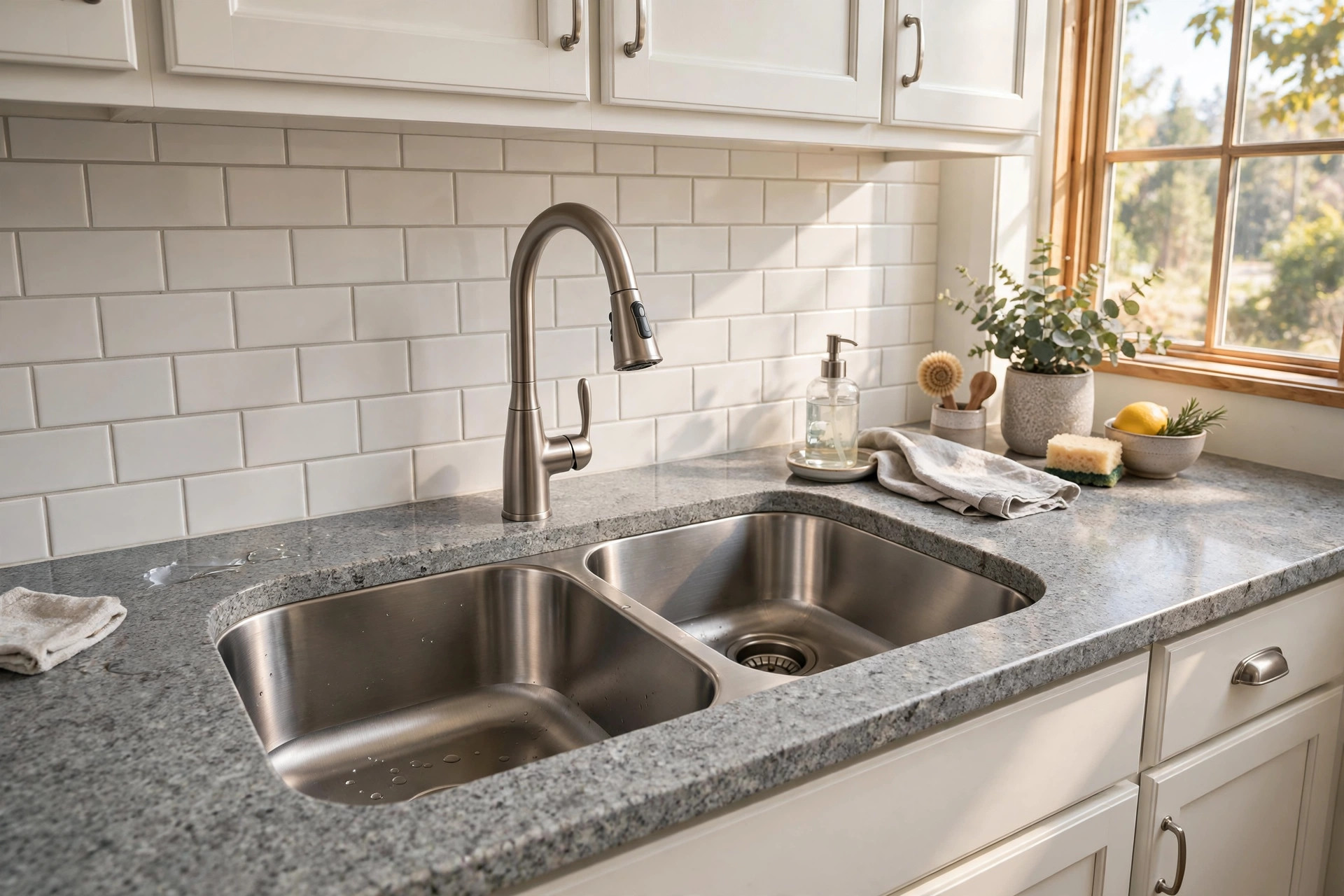

The search for undermount stainless sinks for sale usa is one of the most common quests of the American kitchen renovator. The undermount style, in which the sink hangs beneath the counter instead of sitting on top of it, has become the standard in modern kitchens across the country. It looks clean, it cleans easily, and it pairs well with stone, quartz, and solid surface counters. Stainless steel remains the favorite material because it resists stains, stands up to heat, and suits almost any kitchen style, from farmhouse to modern.
This guide will walk you through the types, sizes, gauges, and prices you will meet when you shop. It will also tell you how to judge quality, where the best deals tend to be found, and how to keep your new sink looking fine for many years.
Why Undermount Stainless Sinks Matter
The undermount design changes the whole feel of the kitchen. A top mount sink has a visible rim that sits on the counter. Food bits collect along that rim. Water pools there too. An undermount sink removes the rim from view. The counter runs straight into the bowl with a smooth, sealed edge. Crumbs sweep right in. That is the reason most new stone counters in the United States are cut for undermount sinks.
Stainless steel adds its own strengths. It does not chip the way porcelain can. It does not crack the way some composites do. It takes hot pans and cold water without complaint. A brushed finish hides small scratches better than a shiny one. And when a sink is undermount stainless sinks buying guide usa listed as made of 304 grade steel, you know it has enough nickel to resist rust in normal kitchen use.
Cost is another factor. Stainless sinks sell at a fraction of the price of copper or cast iron. A good one can be had for a few hundred dollars. That mix of low cost, long life, and easy care is why stainless holds such a large share of the market.
How to Choose the Right Sink: Undermount Stainless Sinks for Sale Usa
Match the Sink to Your Cabinet
Measure the sink base cabinet first. The sink must be at least two inches narrower than the inside of the cabinet. A standard 33 inch sink needs a 36 inch base cabinet. A 30 inch sink fits a 33 inch cabinet. Buyers who skip this step end up with a sink that will not fit, and return shipping on heavy boxes is no fun.
Pick the Bowl Layout
Single bowls are the most popular choice today. They hold large pots and baking sheets that would not fit in a divided sink. A 60/40 or 50/50 double bowl still suits cooks who like to wash on one side and rinse on the other. Think about how you wash dishes. If you use a dishwasher for most loads, a single large bowl is usually the better pick.
Check the Drain Position
Many sinks have the drain set to one side instead of the center. An offset drain leaves more flat space in the bowl for stacking dishes. It also leaves more room under the sink for under sink filters buying guide usa and a trash bin. Rear drains are common too. Either choice beats a center drain for usable space.
Look at the Corners
Handmade sinks have tight, square corners that look sharp but are harder to wipe clean. Pressed sinks have rounded corners that rinse easily. Square corners suit a modern look. Rounded corners suit a cook who wants quick cleanup. Both work. Pick by habit, not fashion.
Types and Options on the Market
Bowl Depth
Depth changes how a sink feels in daily use. Standard bowls run 7 to 9 inches deep. Deeper bowls, 10 inches or more, hold tall stock pots and hide dirty dishes below the counter line. They cost more and need a taller cabinet. Shallow bowls suit older homes with low counters. Most buyers pick 9 inches as a middle ground. A deeper bowl pairs well with a tall arch faucet, while a shaker cabinet doors for sale usa style kitchen often sticks to standard depth for a classic look.
Pressed vs Handmade
Pressed sinks are stamped from one sheet of steel. They cost less and rinse clean with soft corners. Handmade sinks are welded from thicker sheets. They look crisp and hold water better. Both sell well. Pressed sinks suit tight budgets. Handmade sinks suit buyers who want sharp lines and thick steel.
Gauge: The Thickness That Counts
Gauge measures the thickness of the steel. A lower number means thicker steel. 16 gauge is thick and quiet. 18 gauge is the common middle choice and is fine for most homes. 20 gauge is thin, dent-prone, and noisy. When you compare undermount stainless sinks for sale usa, check the gauge on the label. If the seller hides the gauge, be wary.
Sound padding matters too. Good sinks have thick rubber pads on the sides and a spray coating underneath. These cut the ringing sound of running water and dropped forks. Budget sinks often have thin pads or none at all.
304 vs 201 Steel
The best kitchen sinks use 304 grade stainless steel, also called 18/8 or 18/10. The numbers refer to the chromium and nickel content. Nickel gives the steel its rust resistance. Some cheaper imports use 201 grade steel, which has less nickel and more manganese. It can rust in spots after a few years. A magnet test helps: 304 steel is only weakly magnetic, while 201 grabs a magnet harder. Most listings at The Home Depot and Lowe’s state the grade in the product details.
Bar Sinks and Prep Sinks
Beyond the main sink, many kitchens use a small prep sink in the island. These run about 15 to 21 inches wide. They are handy for rinsing produce while the main sink holds dirty pots. They cost less than full sinks and use the same undermount method.
Workstation Sinks
A newer type is the workstation sink. It has a ledge around the rim that holds cutting boards, drying racks, and colanders. The board slides over the bowl, which saves counter space. These sinks cost more, but they turn the sink area into a prep station. Reviews at Consumer Reports note that accessories add real value if you cook daily.
Cost and Price Ranges
Prices for undermount stainless sinks for sale usa fall into clear tiers. A basic 18 gauge single bowl sink sells for 120 to 250 dollars. These work, but corners may be sharp and padding thin. The mid range, 250 to 500 dollars, buys 16 gauge steel, full padding, and better edges. This is the sweet spot for most homes.
High end sinks run 500 to 1,200 dollars. Brands like Bosch Home appliance lines and specialty makers charge more for tighter corners, deeper bowls, and thicker steel. Above that price you pay for name and finish more than function.
Watch for package deals. Retailers often bundle a sink with a matching grid, strainer, and cutting board. A grid protects the bowl bottom from scratches and is worth having. Some brands include it free. Others charge 40 to 80 dollars for it. Check what is in the box before you compare prices.
Sale seasons help. The best prices tend to appear around holiday weekends and during spring remodel season. Open box and clearance sinks at big stores can save 30 percent or more, but check the finish for dents before you buy.
Care and Upkeep
Stainless steel is tough, but it is not carefree. Daily rinsing with plain water and a soft cloth keeps the surface bright. A mild dish soap handles grease. Once a week, wipe the bowl with a paste of baking soda and water, following the grain of the brushed finish. Rinse well.
Hard water leaves white spots. A wipe with white vinegar dissolves them. Dry the sink after use and spots will not form. Avoid bleach and harsh chemicals. They can dull the finish over time. Do not leave steel wool or cast iron pans sitting in the sink. They can leave rust marks that look like the sink itself is rusting.
Food stains from tea, coffee, and tomato sauce come off with the baking soda paste. If a spot stays, a cleaner made for stainless steel will lift it. Rub with the grain, never in circles. A thin coat of mineral oil once in a while keeps the steel looking rich. Guides at Bob Vila agree that gentle, regular care beats harsh scrubbing.
Safety
An undermount sink is held by clips and adhesive under a heavy stone top. The mount must be strong. A full sink of water plus dishes can weigh over 100 pounds. Professional installers add support rails or a wooden cradle under the sink. Do not trust clips alone, especially with thin cabinets.
The disposal side needs care too. If your sink has a garbage disposal, make sure the drain assembly is tight and the wiring is done by code. Water and electricity are poor partners. When in doubt, hire a licensed plumber for the hookup. GE Appliances and Whirlpool both publish install guides that stress proper support.
Sharp corners on handmade sinks can nick a careless hand. Round-corner sinks are safer for homes with kids. Also check that the counter cutout edge is sealed. An unsealed stone edge can wick water into the cabinet and feed mold.
FAQ
What size undermount sink fits a 36 inch cabinet?
A 33 inch sink is the standard fit for a 36 inch base cabinet. It leaves room for the mounting clips and a small gap on each side. A 30 inch sink also fits and gives more room for plumbing and filters.
Is 16 gauge really better than 18 gauge?
Yes, 16 gauge steel is thicker, quieter, and less likely to dent. The price gap is often 50 to 100 dollars. For a sink you will use every day for twenty years, the upgrade is worth it.
Can I install an undermount sink in laminate counters?
It is risky. Laminate counters have a wood core that swells when wet. Most installers will not warranty the job. Undermount sinks belong with stone, quartz, solid surface, or concrete counters.
Why does my new stainless sink show water spots?
The spots are mineral deposits from hard water, not defects. Wipe the bowl dry after use or clean with vinegar. A spot-free rinse agent in the dishwasher habit, applied to the sink, helps too.
Single bowl or double bowl: which is better?
It depends on your habits. Single bowls fit big pots and sheet pans. Double bowls let you soak on one side and rinse on the other. Most American buyers now pick single bowls, since dishwashers handle the bulk of the load.
Do I need a sink grid?
A grid sits in the bowl bottom and guards against scratches and dents. It also keeps dishes off the drain. Many cooks find it worth the small extra cost. If your sink ships without one, buy the size made for your model.
Final Word
Shopping for undermount stainless sinks for sale usa comes down to a few honest checks: gauge, steel grade, fit, and padding. Get those right and the brand name matters less. A 16 or 18 gauge 304 steel sink in the right size will serve a busy kitchen for decades. Compare prices across stores, read the product details, and do not skip the support rails at install time. A pot filler faucets for sale usa beside the range can round out the setup, and advice from This Old House and ENERGY STAR can help with the rest of the kitchen plan. Buy once, buy well, and the sink will outlast the trend cycle.
References
Bob Vila. (n.d.). Home improvement advice. https://www.bobvila.com Bosch. (n.d.). Home appliances. https://www.bosch-home.com Consumer Reports. (n.d.). Product reviews and ratings. https://www.consumerreports.org ENERGY STAR. (n.d.). Energy efficient products. https://www.energystar.gov GE Appliances. (n.d.). Kitchen and home appliances. https://www.geappliances.com Lowe’s. (n.d.). Home improvement products. https://www.lowes.com The Home Depot. (n.d.). Home improvement products. https://www.homedepot.com This Old House. (n.d.). Home renovation guidance. https://www.thisoldhouse.com Whirlpool. (n.d.). Home appliances. https://www.whirlpool.com
Was this guide helpful?

About Emily Rodriguez
The My Garden US editorial team writes practical, in-depth home and garden guides for American homeowners — tested advice, no fluff.
You May Also Like
Pot Filler Faucets Deals Near Me: A Plain Guide to Buying Smart
September 24, 2026 0 views
Kitchen Island Seating for California Homes
February 1, 2026 0 views
Dual Fuel Ranges Where to Buy USA: A Plain Guide for Home Cooks
May 1, 2026 0 views