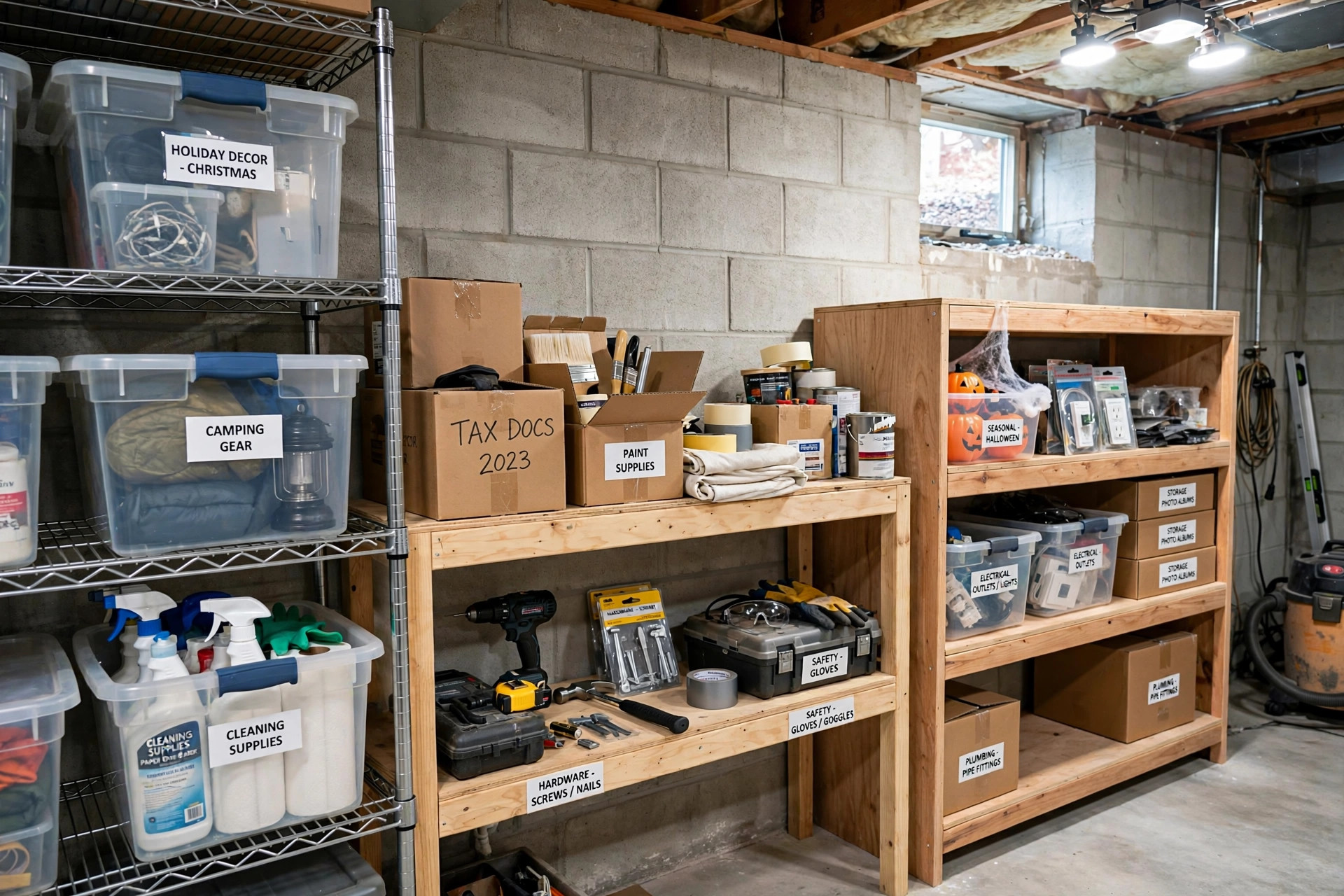
Every basement in America tells the same quiet story. Boxes pile up along the walls. Holiday lights rest beside old paint cans. Winter coats crowd near the water heater. Then one day the homeowner decides that the clutter must end. That is when a basement shelving units price comparison usa becomes useful. A side by side look at price, type, and quality can save real money. It can also save the trouble of buying the wrong unit twice. This guide walks through the main kinds of basement shelving, what each kind costs, what to watch for, and how to keep the units sound for years.
Why a Basement Shelving Units Price Comparison Matters
Shelving is not a thing most people think about until they need it. But the choice matters more than it looks. A weak unit can bow under a load of books. A unit that is too shallow can hold little more than shoe boxes. Prices in the United States run from under fifty dollars to several hundred dollars per unit. Without a clear price comparison, a shopper can easily pay too much or buy too little strength.
A fair comparison does more than list numbers. It weighs the price against the weight rating, the depth of the shelves, the material, and the expected life of the unit. A forty dollar shelf that lasts two years is dearer in the end than an eighty dollar shelf that lasts ten. This article takes that long view. It lays out the common types side by side so a buyer can judge value, not only price.
The Main Types of Basement Shelving: Basement Shelving Units Price Comparison Usa
Most basement shelving sold in the USA falls into five groups. Each has its own strengths, limits, and price band.
Wire Shelving
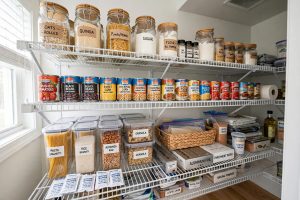
Wire shelving is the chrome or black steel rack seen in pantries and storage rooms everywhere. The shelves are made of steel wire welded into a grid. Posts with grooves let the shelves snap in at one inch steps. Air moves through the open grid, which helps keep stored goods dry. A basic five tier unit, about 36 inches wide and 14 inches deep, often sells for sixty to one hundred twenty dollars. Larger units, or those with a heavy gauge frame, can reach two hundred dollars. Many hold 150 to 350 pounds per shelf. Sharp or heavy items can dent the wire, and small objects may tip through the gaps.
Steel Bolt-Together Shelving
Steel bolt-together shelving is the classic garage and basement workhorse. Uprights of angle iron or formed steel channel take flat steel or wood shelves, fixed with nuts and bolts. These units are plain and strong. A five shelf unit, 48 inches wide and 18 inches deep, often costs seventy to one hundred fifty dollars. Heavy duty versions with a higher gauge steel can cost one hundred eighty to three hundred dollars. The weight ratings are generous. Common units carry 400 to 800 pounds per shelf. Assembly takes longer than wire shelving, since each shelf needs its bolts tightened. Once built, the units are rigid and long lived. For basements that store paint cans, tools, and heavy boxes, this type is hard to beat for the price.
Wood Shelving
Wood shelving brings a warm look to a finished or semi finished basement. Units are sold in pine, composite board, or engineered wood. Some come ready made. Others come as kits of uprights and boards for the buyer to cut and fit. A small ready made wood bookcase style unit may cost fifty to ninety dollars. Larger five tier pine units, 36 to 48 inches wide, often run one hundred to two hundred dollars. Custom cut lumber shelves built on the wall can cost less in material but demand time and tools. Wood is easy to paint and easy to repair. It does not like water. In a basement that floods or sweats with damp, wood can swell, warp, and grow mold. A shopper who wants wood in a damp basement should seal every surface and keep the shelves off the floor. For shoppers comparing organizers for other rooms, our guide to pegboard wall organizers shows another way to pair wall storage with shelving.
Plastic and Resin Shelving
Plastic and resin shelving is light, cheap, and blind to rust. The shelves are molded from tough polypropylene or resin. Five tier units are common, usually 36 inches wide and 18 to 24 inches deep. Prices are the lowest of all types. Many units sell for thirty to seventy dollars. Some larger or heavy duty resin racks reach one hundred dollars. The trade off is strength. Most plastic units carry 50 to 150 pounds per shelf. Heat and cold can make the resin brittle over many years. For light loads like holiday decor, cleaning supplies, and sports gear, plastic shelving is a sound and frugal pick. It is also the easiest type to wash down. Homes with very damp walls can pair floor units with waterproof wall mounted storage shelves.
Heavy-Duty Industrial Racking
Heavy duty industrial racking is the strongest choice for the home basement. These are the orange and blue steel racks seen in warehouses, scaled down for home use. Beams drop into upright slots with no bolts. Decks of wire or wood rest on the beams. Prices run higher. A basic rack, 48 inches wide and 24 inches deep, often costs one hundred fifty to three hundred fifty dollars. Taller or wider racks can pass four hundred dollars. The reward is capacity. Many racks hold 1,000 to 2,500 pounds per shelf level. For a homeowner who stores bulk food, lumber, auto parts, or heavy equipment, this strength brings peace of mind. The racks are deep, so they need a wide basement. They are also the most honest about their ratings, since they are built to a warehouse standard.
What to Look for Before You Buy
A price comparison is only half the job. The buyer must also match the unit to the basement and the load. Four points matter most.
Size and Depth
Measure the space first. Note the width of the wall, the height of the ceiling, and the depth the unit can take without blocking the path. Basement shelves come in depths of 12, 14, 18, and 24 inches. Deeper shelves hold more but eat floor space. Many buyers find that 18 inches is a good middle ground. Also check the height. Low ceilings and pipes can block a tall unit. Write the measurements down before leaving the house. It is the simplest way to avoid a costly return.
Weight Rating
Every shelf has a weight rating. The rating is for an evenly spread load. A shelf rated for 300 pounds can hold 300 pounds of evenly placed boxes. It cannot hold a 300 pound anvil in the center. Add up the real weight of what will sit on each shelf. Books are heavy. Canned food is heavy. Old magazines are heavier than they look. Buy a rating that leaves a margin. A unit that is strained to its limit will sag or fail early.
Moisture and Rust
Basements are damp places. Spring rain and summer humidity all bring water. Steel without a coating will rust. Wood will swell. Plastic and coated wire fare best in damp air. Look for epoxy coated or galvanized finishes on steel units. Raise every unit off the floor if the basement ever takes water. Even two inches of air under the bottom shelf can save the frame.
Ease of Assembly
Some units need only hands and ten minutes. Others need a wrench, a level, and a free afternoon. Check what tools the maker calls for. Check whether the shelves adjust. Adjustable shelves are worth a small premium, since needs change over the years. One year the unit holds toys. The next it holds paint. A shelf that moves up or down in small steps keeps the unit useful through those changes.
Cost and Price: What Basement Shelving Units Cost Across the USA
Prices vary by region, store, and season, but the national picture is steady. The table below shows the common price bands seen at large retailers in 2026. These are prices per single freestanding unit, not per shelf.
– Plastic and resin, five tier: thirty to seventy dollars. The low end of the market. Best for light loads. – Wire steel, five tier, standard size: sixty to one hundred twenty dollars. The middle of the market and the most common choice. – Steel bolt-together, five tier: seventy to one hundred fifty dollars. Strong and plain, good for tools and paint. – Wood, five tier, ready made: one hundred to two hundred dollars. Nice look, but weak in damp basements. – Heavy duty industrial racking: one hundred fifty to three hundred fifty dollars. The strong choice for very heavy loads.
Where a shopper buys makes a real difference. Big box home improvement chains such as Home Depot and Lowe’s carry the widest range and run frequent sales, especially in spring and late summer. Discount chains like Walmart and Target often have the lowest sticker prices on plastic and light wire units. Warehouse clubs such as Costco sell fewer models but at fair member prices. Online sellers like Amazon and Wayfair offer a huge selection, though shipping on a heavy steel unit can add to the cost. Furniture and storage specialists like IKEA serve shoppers who want a cleaner look for a finished basement. Home advice sites such as The Spruce and Family Handyman publish buying guides that are worth reading before a purchase.
Seasonal sales matter. January clearance, spring organization events, and late summer back to school sales often cut shelving prices by fifteen to thirty percent. Buying two or three matching units at once can also bring a multi buy discount at some stores. And the delivery fee deserves a look. A cheap unit with a forty dollar delivery charge may cost more than a pricier unit with free store pickup.
Care and Upkeep
Good shelving asks little, but it asks for steady care. Dust the shelves twice a year. Check the bolts and clips once a year and tighten what has worked loose. In damp basements, look for rust at the feet and the joints. A small spot of rust can be sanded and touched up with rust resistant paint before it spreads. Keep cardboard boxes off the bare concrete by resting them on shelves or risers, since concrete wicks damp into the cardboard. With this plain care, a sound steel unit can serve for fifteen years or more. For heavy loads in a nearby wash area, our heavy duty laundry room shelving buying guide covers units built for wet rooms.
Safety
Anchor tall units to the wall with the straps or brackets that come in the box. A unit loaded with paint cans can weigh several hundred pounds. If it tips, it can hurt a child or a pet. Put the heaviest items on the lowest shelves to keep the center of gravity low. Do not climb the shelves, and do not let children climb them. Leave a clear path in front of the units so a box can be lifted without twisting or stumbling. In basements with a furnace or water heater, keep shelves a safe distance from the units so air can move. If the basement floods, cut power to the area before touching metal shelving that sits in water.
Frequently Asked Questions
How much should I pay for a good basement shelving unit?
For a sound all round unit, plan on seventy to one hundred fifty dollars. That buys a strong wire or bolt-together steel unit that will last many years. Light plastic units cost less, often thirty to seventy dollars. Heavy duty racks for very heavy loads run one hundred fifty to three hundred fifty dollars.
Which type of shelving is best for a damp basement?
Coated wire shelving and plastic or resin shelving do best in damp air. The open wire lets air move, and plastic cannot rust. Seal wood units fully or avoid them in wet basements. Galvanized or epoxy coated steel holds up far better than bare steel.
How much weight can a basement shelf hold?
It depends on the type. Plastic units often hold 50 to 150 pounds per shelf. Wire units commonly hold 150 to 350 pounds per shelf. Steel bolt-together units often carry 400 to 800 pounds per shelf. Industrial racks can carry 1,000 pounds or more per level. Always read the maker rating and keep loads evenly spread.
Are wire shelves or wood shelves better for basements?
Wire shelves suit most basements better. They resist rust when coated, let air flow, and adjust with ease. Wood looks warmer and suits a finished basement, but it suffers in damp air.
Do I need to anchor my basement shelving to the wall?
Yes. Any freestanding unit taller than three feet should be anchored, especially one that holds heavy goods. Use the straps or brackets in the box. Anchoring takes minutes and stops the unit from tipping if it is bumped or if a child climbs it.
Can I build my own basement shelves instead of buying units?
Yes, and many homeowners do. Lumber, brackets, and screws can make strong fixed shelves for less money than store units. The trade off is time and tools. Bought units adjust and move with ease.
A Final Word
A careful basement shelving units price comparison usa pays for itself. It keeps the shopper from paying for strength they do not need, and from buying weakness they will regret. Measure the space. Add up the real weight of the load. Weigh price against years of service. Then choose the type that fits the basement, not only the budget. A basement with sound shelving is a basement that stays dry, safe, and easy to use for a long time.
References
Amazon. (n.d.). Online shopping. https://www.amazon.com Costco. (n.d.). Wholesale retailer. https://www.costco.com Family Handyman. (n.d.). DIY home repair and maintenance. https://www.familyhandyman.com IKEA. (n.d.). Home furnishings. https://www.ikea.com Lowe’s. (n.d.). Home improvement products. https://www.lowes.com Target. (n.d.). Retail store. https://www.target.com The Home Depot. (n.d.). Home improvement products. https://www.homedepot.com The Spruce. (n.d.). Home and garden advice. https://www.thespruce.com Walmart. (n.d.). Everyday low prices. https://www.walmart.com Wayfair. (n.d.). Furniture and home goods. https://www.wayfair.com
Was this guide helpful?

About James Carter
The My Garden US editorial team writes practical, in-depth home and garden guides for American homeowners — tested advice, no fluff.