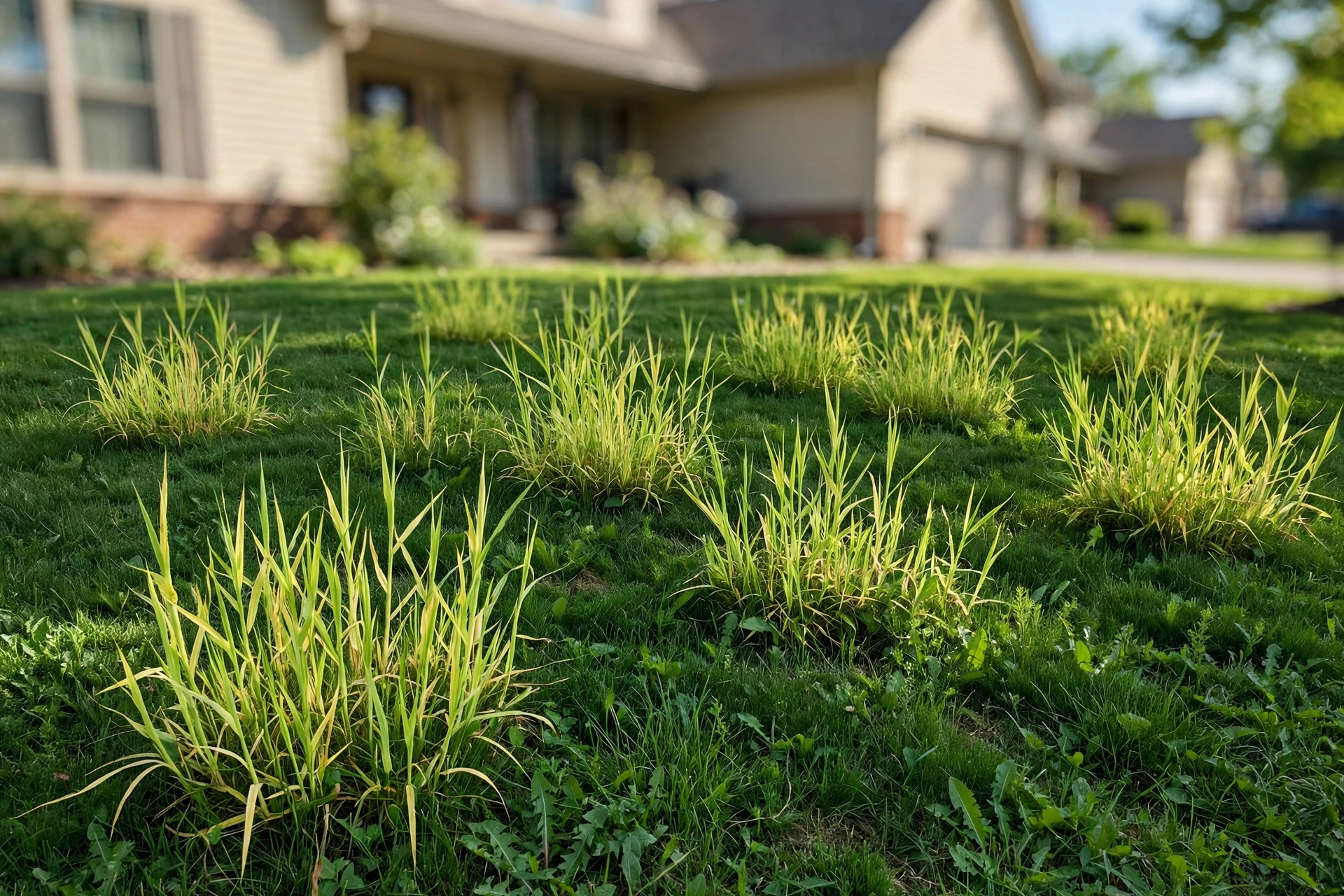

If you want to learn how to kill nutsedge in lawns, you are in good company. Nutsedge is one of the hardest weeds in American yards. It grows taller than grass. It grows faster too. It shows up in clumps that look like small green starbursts. Many people mistake it for grass at first. Then it spreads.
The plant is not a grass at all. It is a sedge. That fact matters. Many common weed killers do not work on it. That is why whole yards can be full of it while other weeds are gone. The good news is that nutsedge can be beaten. It takes the right product, the right timing, and steady lawn care. This guide walks you through each step in plain words.
Why It Matters
Nutsedge does more than spoil the look of a lawn. It steals water and food from your grass. Its roots spread under the soil. It forms small nuts, called tubers, that rest below the surface. Each tuber can grow into a new plant. That is how one patch becomes many.
A single plant can make dozens of tubers in one season. If you pull it wrong, the tubers stay in the ground. Then new shoots rise up in a few weeks. Many people give up at this point. They should not. With a plan, you can cut the numbers down year after year.
Thick grass is your best friend in this fight. Bare soil invites nutsedge. Poor drainage invites it too. The weed loves warm weather and wet ground. That is why it often shows up near downspouts, low spots, and overwatered flower beds. Fix these spots and you take away its home.
There is also the matter of pride. A clean lawn makes a home look cared for. Neighbors notice. It can even help the value of a house. So learning how to kill nutsedge in lawns is worth the effort.
How to Choose the Right Method: How to Kill Nutsedge in Lawns
No single method works best for every yard. The right choice depends on how bad the problem is. A few small patches need one approach. A yard full of nutsedge needs another.
Small patches can be handled by hand. You dig up the plant and its tubers. It is slow work, but it uses no chemicals. Large patches need a special spray. These sprays are made for sedges. They kill the plant and hurt the tubers too.
Think about your grass type as well. Some sprays are safe on most lawns. Others can harm certain grasses. Always read the label. The label tells you which grasses are safe. It also tells you the right amount to use.
What to Look for in a Nutsedge Killer
Look for products that list nutsedge or sedge on the label. Many store brands now carry them. The active part in most of them is a sedge-killing chemical, not a general weed killer. General weed killers will leave nutsedge standing while everything else dies. Check our guide on pre emergent weed killer timing to plan your season, since timing matters for all lawn products.
Choose a liquid spray for spot work. Liquids let you hit only the weed. Granular products spread over the whole lawn. They work, but they cost more and use more chemical. A small pump sprayer is enough for most home yards. For help picking one, see our notes on sprayer gear for weed work.
Read reviews from real users when you can. Independent testers at Consumer Reports check many lawn products each year. Their notes can help you pick a brand that works in your region.
Your Main Options
There are three main ways to fight nutsedge. Most people use a mix of all three. That mix works best.
Spot Spraying
Spot spraying is the most common method. You spray the nutsedge plants directly. The leaves take in the chemical. It moves down to the tubers. The plant dies over one to three weeks.
Spray when the plants are young and growing. This is usually late spring or early summer. Do not mow for two days before you spray. The leaves need to be tall enough to catch the spray. Do not mow for two days after either. This gives the chemical time to move down to the roots.
One spray is often not enough. New plants may rise from old tubers. Plan on a second spray two to three weeks later. Some yards need a third round. Be patient. Each round cuts the tuber supply.
Use a low-pressure spray on a calm day. Wind can carry the spray to flowers and garden beds. Keep kids and pets off the lawn until the spray dries. The label will give a clear wait time.
Hand Pulling
Hand pulling works for small patches. It is simple and free. But it must be done right. Grab the plant at the base. Push a trowel deep under it. Lift the whole root ball, tubers and all.
If you just yank the tops off, the tubers stay behind. That makes the problem worse. The plant sends up new shoots. So dig, do not just pull. After you dig, fill the hole with soil and grass seed.
The best time to pull is after rain. Wet soil lets go of the tubers. Go over the same spots every week. Catch new sprouts while they are young. Young plants have fewer tubers. This is the same patient approach we suggest in our guide on how to kill clover without killing grass — small, steady work wins.
Stopping It from Coming Back
Killing what you see is only half the job. You must also stop new growth. Start by fixing wet spots. Clean your gutters. Move downspouts away from the lawn. Fill low areas with topsoil. Nutsedge hates dry, firm ground.
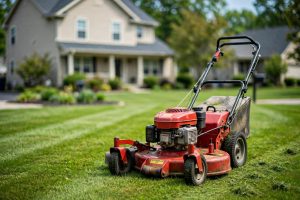
Mow high. Set your blade to the top range for your grass type. Tall grass shades the soil. Shade slows nutsedge. Never cut off more than one third of the blade at once. Sharp blades matter too. A dull blade tears the grass and stresses it. Mower makers like Toro and John Deere publish blade care guides that any owner can follow.
Water deep but not often. Light daily watering keeps the top soil wet. That is what nutsedge wants. One deep watering per week is better. The water goes deep. The surface stays dry. Your grass roots grow deep and strong.
Cost and Price
Fighting nutsedge does not have to cost much. Hand pulling costs nothing but time. A trowel and gloves are all you need.
A bottle of nutsedge spray for home use often runs from about ten to thirty dollars. One bottle treats many patches. A pump sprayer costs fifteen to forty dollars and lasts for years. So a small yard can be treated for under fifty dollars in supplies.
Granular products cost more. A bag that covers a whole lawn may run thirty to sixty dollars. You may need two bags for a full season. Hiring a lawn service costs the most. A single visit can run fifty to one hundred dollars or more. A full season of visits adds up fast.
Doing it yourself saves real money. The trade is your time. Most yards need only a few hours of work spread over the season. That is a fair trade for most owners. For large yards, a riding mower with a tow sprayer can speed the job. Engine makers such as Briggs & Stratton offer guides on matching spray gear to small engines.
Care and Upkeep for a Healthy Lawn
A thick lawn is the best weed killer of all. Nutsedge cannot take hold where grass is dense. So feed your lawn well. Use a balanced fertilizer in spring and fall. Follow the bag rate. More is not better. Too much fertilizer burns the grass.
Seed bare spots in the fall. Fall is the best time to seed in most states. The soil is warm. The air is cool. Grass grows strong roots before winter. Cover seed with a thin layer of soil. Water it lightly each day until it sprouts.
Aerate packed soil once a year. A core aerator pulls small plugs from the ground. This lets air and water reach the roots. It also breaks up the soil where tubers hide. You can rent an aerator for a day at low cost.
Keep an eye out each week. Walk the yard. Look for the light green, fast-growing clumps. Catch them early. Early plants are easy to pull or spray. Late plants have deep tubers. A weekly walk takes ten minutes. It saves hours later. Our piece on the best dandelion killer that wont kill grass covers the same weekly habit for other weeds.
Safety for People, Pets, and the Lawn
All lawn chemicals need care. Read the label before you open the bottle. The label is the law. It tells you how much to use and when.
Wear gloves and long sleeves when you spray. Wear eye cover too. Do not spray on windy days. Keep the spray on the weed, not on flowers or food plants.
Keep pets and children off the lawn until the product dries. Most labels give a wait of a few hours. Some give a full day. When in doubt, wait longer. If you want a softer approach near play areas, look for low-toxicity options and pet-safe plans.
Store products in a locked shed or cabinet. Keep them in their first bottles. Never pour them into food or drink containers. Wash your hands and your sprayer after each use. Rinse the sprayer three times. Spray the rinse water on the treated weeds, not on the driveway.
Test any new product on a small hidden patch first. Watch it for a week. If the grass looks fine, treat the rest. This simple test can save a whole lawn from harm.
Frequently Asked Questions
What does nutsedge look like? Nutsedge grows faster than the grass around it. Its leaves are light green or yellow-green. They grow in groups of three from one stem. The clumps stand taller than the lawn a few days after mowing. If you see bright clumps that outgrow the grass, it is likely nutsedge.
Can I just pull it out by hand? Yes, for small patches. Dig deep and lift the tubers with the plant. Do this after rain when the soil is soft. Check the spot each week for new sprouts. For large areas, spraying works better and faster.
Why does it keep coming back? The tubers stay in the soil. One plant can leave many tubers behind. Spray or dig more than once. Also fix wet spots and mow high. A thick, dry lawn gives nutsedge little room to return.
Is nutsedge spray safe for my grass? Most sedge sprays are made to be safe on common lawn grasses. Still, read the label for your grass type. Do not use more than the label says. Test a small area first if you are unsure.
When is the best time to treat nutsedge? Treat in late spring and summer when the plants are young and growing. The leaves must be tall enough to catch the spray. Do not mow for two days before or after treatment. Repeat in two to three weeks if new plants appear.
Will it die in winter on its own? The tops die back in cold weather, but the tubers live on under the soil. They sprout again in spring. Winter does not end the problem. You must treat the tubers in the growing season.
A Short Final Word
Nutsedge is tough, but it is not unbeatable. Learn how to kill nutsedge in lawns the right way and stick to the plan. Spray or dig when plants are young. Repeat as needed. Fix wet spots. Mow high and feed the lawn. Year by year, the patches will shrink. Your grass will fill in. The yard you want is within reach.
References
Briggs & Stratton. (n.d.). Lawn and garden power equipment. https://www.briggsandstratton.com Consumer Reports. (n.d.). Product reviews and ratings. https://www.consumerreports.org John Deere. (n.d.). Lawn care and landscaping equipment. https://www.deere.com Toro. (n.d.). Lawn care and landscaping tools. https://www.toro.com
Was this guide helpful?

About David Wilson
The My Garden US editorial team writes practical, in-depth home and garden guides for American homeowners — tested advice, no fluff.
You May Also Like

Native Plant Landscaping Ideas for Front Yards
September 25, 2026 0 views
Where to Buy Centipede Grass Sod in Georgia: A Plain Guide
May 25, 2026 0 views
Best Riding Lawn Mower for One Acre Lots: A Plain Guide for American Homeowners
June 24, 2026 6 views