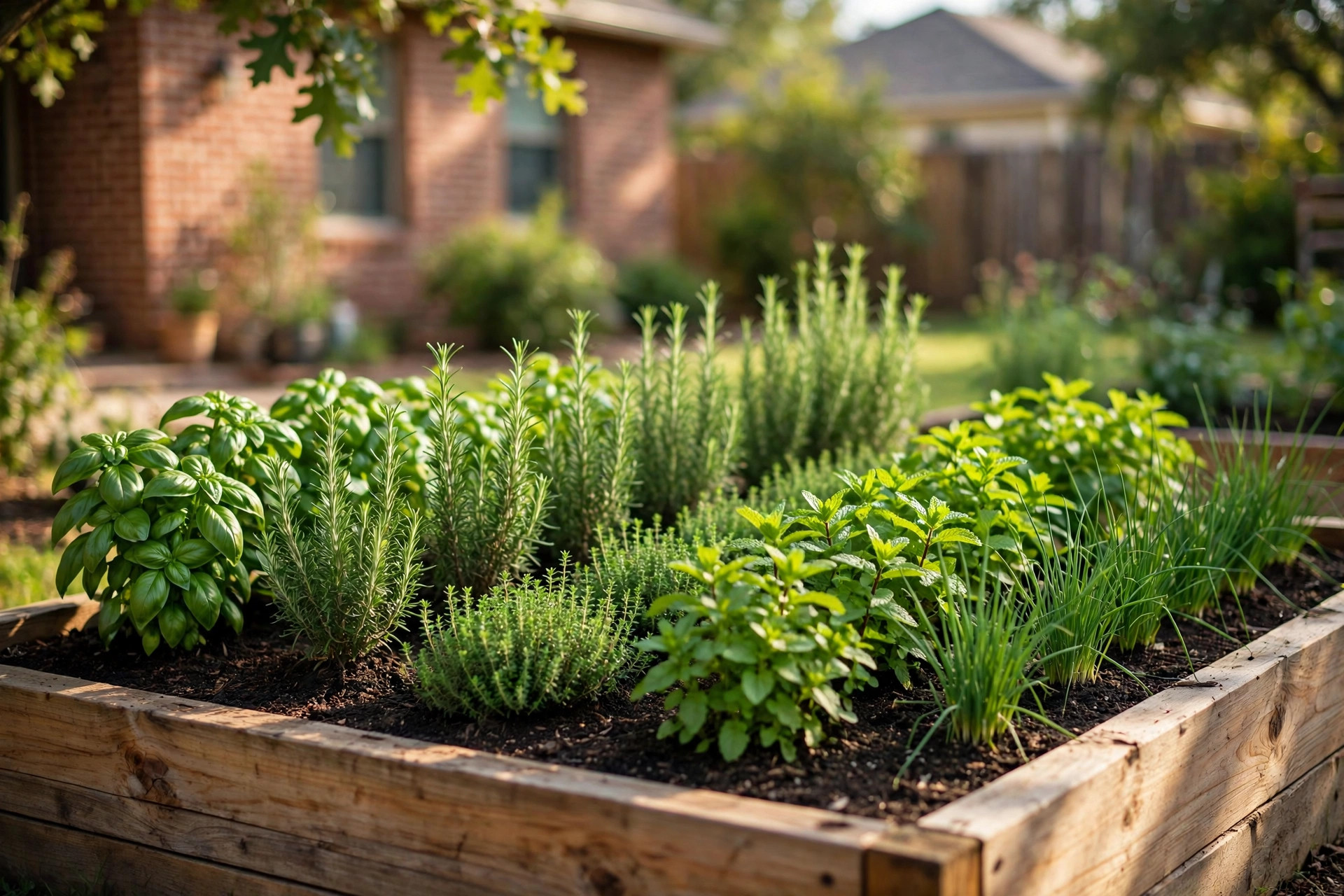

Many Texas homeowners want to grow their own herbs. They want fresh basil, mint, and rosemary right outside the door. They want food free from chemicals. The search for organic herb seeds texas homes usa gardeners can trust begins with one simple choice: the seed packet.
This guide explains how to pick organic herb seeds for a Texas home. It covers what organic means on a seed packet. It covers which herbs survive Texas heat. It covers planting times, cost, care, and safety. The language is plain. The advice is practical. It works for a small yard in Dallas or a ranch porch in West Texas.
Why It Matters
Herbs are among the easiest plants a homeowner can grow. They ask for little space. They give back flavor all season. A few pots by the kitchen door can supply a family with basil, chives, and thyme for months.
Texas makes herb growing both easy and hard. The sun is strong. The growing season is long. Many herbs thrive here. But the summer heat is brutal. Afternoon temperatures over one hundred degrees will kill delicate plants. A seed that grows well in Oregon may fail in Houston. That is why Texas gardeners need seeds chosen for Texas conditions.
Organic seeds matter too. An organic seed comes from a plant grown without synthetic pesticides or fertilizers. The farm must meet strict rules. A packet marked organic gives you a clean start. You control everything the plant touches from day one. For families who cook with fresh herbs daily, that control brings peace of mind.
Growing from seed also saves money. One packet of organic basil seed costs less than one small plant at the store. That packet can fill a whole bed. It can fill many pots. It can be shared with neighbors.
What to Look For: How to Choose: Organic Herb Seeds Texas Homes Usa
Choosing seed packets is not hard, but it pays to read the label. Here is what to check before you buy.
The organic seal. Look for the word organic on the front of the packet. Better still, look for a certifier mark such as USDA Organic. This mark means an outside body checked the farm. It is not just a claim by the seller. Packets without the mark may still be clean, but the mark gives you proof.
The pack date. Seeds lose strength with age. Most herb seeds stay strong for two to three years. The packet should show the year the seed was packed. Buy seed packed for the current growing year when you can.
The variety name. Not all basil is the same. Some varieties love heat. Some wilt fast. Look for varieties bred for warm climates. Genovese basil does well in heat. Sweet mint spreads fast and loves warm soil. Texas gardeners do best when they pick varieties known to handle long hot summers. A good organic herb seeds buying guide can help you compare varieties before you order.
Your region within Texas. Texas is not one climate. It is many. The Gulf Coast is humid. The Hill Country is dry. The Panhandle gets cold snaps. North Texas has a shorter warm season than South Texas. Check the planting advice on the packet. Then shift it for your area. Fall planting works in the south. Spring planting works in the north.
Seed source reputation. Buy from companies that sell seed as their main business. These sellers test their seed for germination. They store it well. They answer questions. You can browse seed catalogs from Burpee or compare herb choices at Park Seed to see how serious sellers describe each variety.
Types and Options
Herbs fall into groups by how they grow. Picking the right group for your space makes the job easier.
Heat-Loving Annual Herbs
Annuals grow fast, make seed, and die in one season. In Texas, many annuals do best when planted in early spring or late summer. They grow through the warm months and rest through winter.
Basil is the king of Texas herbs. It loves heat. It loves sun. It grows fast from seed. Plant it after the last frost. Give it rich soil and steady water. Pinch the tops often so it stays bushy. Sweet basil, Thai basil, and lemon basil all do well.
Dill and cilantro are cool-season annuals. They grow best in the Texas fall and winter. Plant them in September or October in most of the state. They bolt, or go to seed, fast in spring heat. The seeds, called coriander, are useful in the kitchen too.
Perennial Herbs for Texas
Perennials come back year after year. They are a good buy for a Texas home because they survive the heat and return each spring.
Rosemary is almost a shrub in Texas. It grows year-round in the southern half of the state. It needs full sun and soil that drains well. It hates wet feet. Plant it in a raised bed or a large pot. Once settled, it asks for little water.
Thyme and oregano spread low and fill space. They handle heat well. They need sun and good drainage. They do poorly in heavy wet clay. Mix sand or gravel into the soil before planting.
Mint is a strong grower, almost too strong. It spreads by runners under the soil. Plant it in its own pot or a buried container. It will take over a bed if you let it. It loves Texas heat as long as it gets water.
Chives grow in clumps and return each year. They make purple flowers in spring. The flowers are edible. Snip the green tops for cooking. They need little care beyond water in dry spells.
Starting Seeds Indoors
Many Texas gardeners start seed indoors to get a head start. A sunny window or a simple shop light works. Plant in small pots with seed starting mix. Keep the soil moist but not wet. Most herb seeds sprout in seven to fourteen days.
Biodegradable pots make transplanting easy. You can move the whole pot into the soil. For more on this method, see our notes on peat pots for seedlings. Growing advice at Gardening Know How also covers indoor starting in plain detail.
Cost and Price
Organic herb seed is cheap compared to almost any other garden cost. Most packets sell for three to six dollars. One packet holds enough seed for a full season of herbs. Some hold enough for two seasons.
A basic Texas herb garden from seed costs little. Figure five to eight packets for a good mix. That is twenty to forty dollars in seed. Add soil mix, pots, and fertilizer. A small raised bed may cost fifty to one hundred dollars in supplies the first year. After that, yearly costs drop to seed and soil only.
Transplants cost more. A single organic herb plant at a garden center may cost four to six dollars. A bed of ten plants costs forty to sixty dollars. Seed gives you ten times the plants for the same money. It also gives you more variety. Stores carry a few common herbs. Seed catalogs carry dozens.
Check planting calendars from the Old Farmer’s Almanac to time your order so seed arrives before your planting window.
Care and Upkeep
Herbs ask for little, but they ask for it on time. A few steady habits keep them healthy.
Sun. Most herbs want six to eight hours of sun a day. In Texas, afternoon shade helps in July and August. Basil and rosemary can take full sun. Cilantro and parsley prefer some shade in summer.
Water. Herbs like steady moisture. They do not like soggy roots. Water deeply, then let the top inch of soil dry before watering again. In summer heat, pots may need water every day. Beds may need water every two to three days. Mulch helps. A two-inch layer of mulch holds moisture and cools the soil.
Soil. Most herbs want soil that drains well. Heavy Texas clay holds too much water. Mix in compost and coarse sand to loosen it. Raised beds solve the problem at once. A raised bed twelve inches deep gives roots room and drains fast.
Feeding. Herbs are light feeders. Too much fertilizer makes weak, watery growth with less flavor. Mix compost into the soil at planting time. That is often enough. If plants look pale, add a light dose of organic fertilizer once a month.
Pruning. Cut herbs often. Cutting makes them grow bushier. It stops them from flowering too soon. For basil, pinch the stem just above a pair of leaves. For thyme and oregano, shear the tops lightly. Never cut more than one third of the plant at once.
Pests. Herbs have few pests. Strong scent keeps many bugs away. Aphids may gather on new growth. A hard spray of water knocks them off. Caterpillars may chew basil leaves. Pick them off by hand. Avoid chemical sprays on herbs you plan to eat.
Research from NIFA, the federal farm research agency, supports soil health practices that help all garden plants, including herbs. You can also find plant care guides at Monrovia and herb plant selections from Proven Winners.
Safety
Herbs are food plants, so safety starts with the seed and ends with the plate.
Buy seed from trusted sellers. Cheap seed from unknown sources may be old or mislabeled. A mislabeled packet can grow the wrong plant. Most wrong plants are harmless, but some herbs have look-alikes that are not safe to eat. Stick with known sellers. You can compare sellers and seed quality notes at Gurneys and White Flower Farm.
Wash all herbs before eating. Rinse leaves under clean running water. This removes dust, soil, and any small insects. Even home-grown herbs need washing. Birds and pets pass through gardens. Their droppings can carry germs.
Know your plants. Some herbs are safe in cooking amounts but not in large doses. Rue, wormwood, and pennyroyal can be harmful. Most seed catalogs for home gardeners do not sell these, but check before you plant an unfamiliar herb. When in doubt, ask your local extension office.
Keep seed packets away from small children. Seeds are not food. Some are treated or coated. Store packets in a cool dry place, out of reach. Label saved seed clearly with the plant name and the year.
Pet safety matters too. Some herbs bother pets. Pennyroyal oil is toxic to cats and dogs. Large amounts of chives and garlic chives can harm dogs. Keep pets from chewing garden plants.
If you grow herbs indoors alongside houseplants, keep the two groups apart at first. New plants can carry pests. A short quarantine of two weeks protects your whole indoor garden. Our page on indoor snake plants covers quarantine habits that work for any indoor plant.
FAQ
When is the best time to plant herb seeds in Texas? It depends on the herb and your region. Warm-season herbs like basil go in after the last frost, usually March in the south and April in the north. Cool-season herbs like cilantro and dill do best planted in fall, around September or October. Check your county’s frost dates first.
Can I grow herbs from seed indoors all year in Texas? Yes. A sunny south-facing window grows herbs in any month. Basil, chives, mint, and parsley do well indoors. Give them six hours of light a day. Turn pots weekly so they grow straight. Indoor herbs grow slower in winter, but they still produce.
Are organic seeds worth the extra cost? The extra cost is small, often one or two dollars per packet. You get seed from plants grown without synthetic chemicals. You get a clean start for food you will eat fresh. Most Texas gardeners find the price fair for the peace of mind.
How long do organic herb seeds last in storage? Most last two to three years if stored cool and dry. Keep packets in a sealed jar in the refrigerator. Add a small packet of silica gel to fight moisture. Test old seed before planting season. Put ten seeds on a damp paper towel. If fewer than five sprout in two weeks, buy fresh seed.
Do I need special soil for herb seeds? No. A basic seed starting mix works for starting seeds indoors. For outdoor beds, loose soil with compost works for almost every herb. Avoid heavy garden soil straight from the bag for seed starting. It packs down and holds too much water. Mix in perlite or vermiculite to keep it light.
Where can I learn more about growing herbs? Gardening guides at The Spruce cover herbs in clear step-by-step form. Your local Texas extension office offers free advice tuned to your county. Seed company websites also publish growing guides for each variety they sell.
A Short Final Word
Growing herbs from organic seed is one of the simplest wins in a Texas home garden. The cost is low. The work is light. The reward shows up in every meal. Start with a few easy herbs. Basil, mint, and rosemary forgive beginner mistakes. Plant at the right time for your region. Water with care. Cut often and cook well.
The search for organic herb seeds texas homes usa gardeners can rely on ends the same way every good garden begins: with a packet of seed, a patch of soil, and a little patience. Texas gives you sun and a long season. The seeds do the rest.
References
Burpee. (n.d.). Seeds, plants, and gardening supplies. https://www.burpee.com Gardening Know How. (n.d.). Gardening guides and plant care. https://www.gardeningknowhow.com Gurney’s Seed & Nursery Co. (n.d.). Seeds, plants, and garden supplies. https://www.gurneys.com Monrovia. (n.d.). Plants for home gardens. https://www.monrovia.com National Institute of Food and Agriculture. (n.d.). Agricultural research and extension. https://www.nifa.usda.gov Park Seed. (n.d.). Seeds, plants, and gardening supplies. https://www.parkseed.com Proven Winners. (n.d.). Plants and gardening inspiration. https://www.provenwinners.com The Old Farmer’s Almanac. (n.d.). Gardening calendars and advice. https://www.almanac.com The Spruce. (n.d.). Home and garden advice. https://www.thespruce.com White Flower Farm. (n.d.). Plants, bulbs, and garden supplies. https://www.whiteflowerfarm.com
Was this guide helpful?

About Jennifer Lee
The My Garden US editorial team writes practical, in-depth home and garden guides for American homeowners — tested advice, no fluff.
You May Also Like
Snake Plants Indoor: Where to Buy in the USA
April 24, 2026 0 views
Tulip Bulbs Fall American Homes Guide: Planting for a Brighter Spring
July 28, 2026 0 views
Air Plants Bulk Florida Homes USA: A Plain Guide to Buying Tillandsia
April 20, 2026 0 views