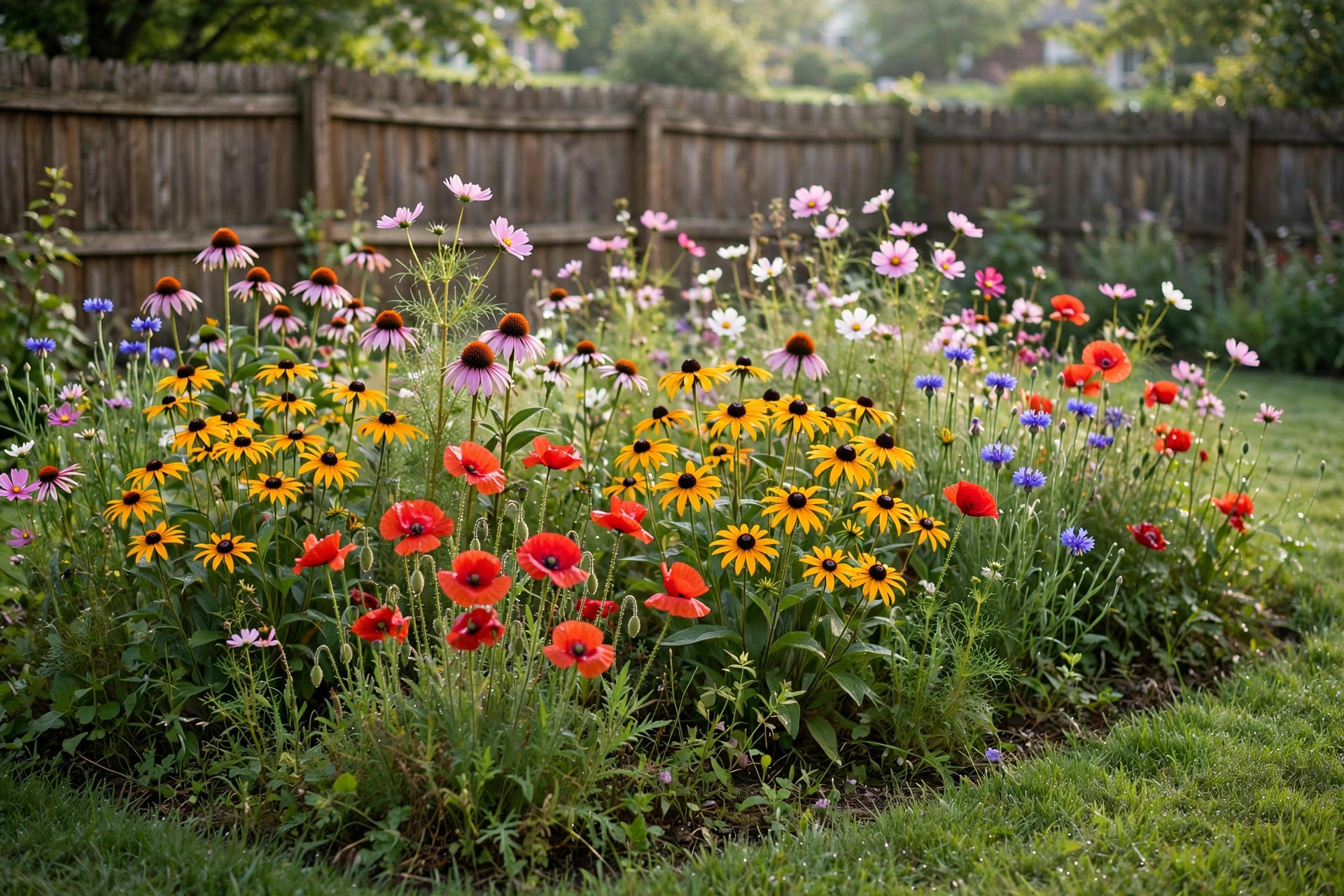
The question of wildflower seed mixes where to buy usa comes up every spring. Homeowners want color in the yard. They want bees and butterflies too. A good mix can give both for the price of a few bags of seed. This guide explains the best places to buy wildflower seed mixes in the USA, what to look for on the label, and how to get the most bloom for your money.
Why Wildflower Seed Mixes Are Worth Buying
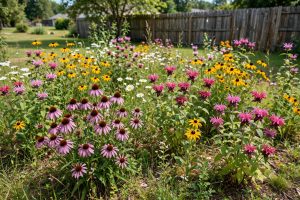
A lawn of plain grass is green and neat. It also feeds almost nothing. Wildflowers change that. A single patch can draw honeybees, bumblebees, and butterflies from spring through fall. It costs less than a flower bed of nursery plants. Once the flowers set seed, many come back on their own the next year.
The best reason to buy a mix instead of single packets is variety. A mix holds twenty or more kinds of seed. Early flowers bloom in April and May. Late flowers carry on into October. The bed never stands bare. A wildflower seed mixes for sale usa listing will often show the full species list, so you can see the whole season on one page.
Mixes also suit people who want a natural look. A meadow edge, a strip along the fence, or a whole side yard can be turned over to flowers with one afternoon of work. The result looks like the edge of a country field. Many gardeners who start with a small patch go on to sow bigger areas each year.
What to Look for When You Buy a Mix: Wildflower Seed Mixes Where to Buy Usa
The label tells the truth if you read it well. Look past the bright pictures on the front. Turn the packet or the bag around and read the fine print. A trustworthy seller lists every species in the mix by its true Latin name. That is the mark of a serious seed house.
Check the Seed List
A good label shows the percentage of each kind of seed. It also shows the germination rate. Some cheap mixes are full of filler, such as rye grass or sand, to make the bag heavy. The filler adds weight but no flowers. You pay for seed, not filler.
Watch for weeds in the list. A few broad mixes include plants that spread too fast in some states. The seed list at Gardening Know How has clear notes on which flowers self-sow and how far they spread. Read the list before you order. A mix made for the Midwest may act like a weed patch in the Deep South.
Look at the Region Rating
Most honest mixes are rated for a region: Northeast, Southeast, Midwest, Southwest, or Pacific Northwest. Plants that thrive in Ohio may fail in Arizona. The Old Farmer’s Almanac keeps a planting calendar by zone at Almanac that helps you match the mix to your own garden. Buy a mix rated for your region, or a national mix that has done well in trials across many states.
Mind the Pure Live Seed Number
Seed sellers use a figure called pure live seed. It is the share of the bag that is live seed of the listed kind. A bag with eighty percent pure live seed is strong. A bag with forty percent is mostly dust and dead seed. Serious suppliers such as Burpee print this number plainly on the label. If the seller will not show it, buy elsewhere.
The Main Kinds of Mixes
Mixes fall into a few clear groups. Knowing the groups helps you pick the right one.
Annual mixes bloom in the first year from seed. Cosmos, poppies, and cornflowers fill the bed fast. They die with the first hard frost. They must be resown each spring. They suit people who want quick color and do not mind starting over.
Perennial mixes take longer. Many bloom little in year one and strongly in year two. Coneflowers, black-eyed Susans, and bee balm are common in these mixes. Once set, they return for years. They cost more per bag but less per year.
Annual and perennial blends try to give both. The annuals give color in year one while the perennials grow roots. The color shifts a bit each year as the perennials take over.
Regional mixes are built for one part of the country. A Southeast mix may hold coreopsis and blanketflower. A Northwest mix may hold lupine and yarrow. These mixes match the local rain and soil. They often give the best long-term results.
Special purpose mixes serve a single goal. Pollinator mixes favor flowers that feed bees. Deer-resistant mixes favor flowers that deer leave alone. Shade mixes suit spots under trees. Pick a special mix only if the need is real.
The range at Park Seed shows how wide the choice is, from single-season color to long-term meadow blends. Reading the product notes on a site like White Flower Farm helps too, since it explains which mixes need full sun and which stand some shade.
Where to Buy Wildflower Seed Mixes in the USA
Americans have more ways to buy seed than ever before. Each way has its strengths.
Mail-Order Seed Houses
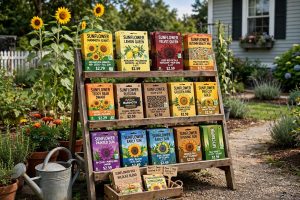
The old seed houses remain the most reliable source. They test germination in labs. They ship fresh seed each season. Burpee, Park Seed, and Gurney’s all carry regional wildflower mixes and ship across the country. A mail order from one of these houses is the safest buy for a beginner.
Nurseries and Garden Centers
Local nurseries sell mixes suited to the local area. The staff can tell you which mix works on your street. The price runs a bit higher than mail order. The advice is often worth the difference.
Home and Farm Stores
Big stores carry mixes in the garden aisle each spring. The choice is wide but the labels can be thin. Some store brands hide the species list. Read before you buy. If the label is vague, put the bag back. A store mix with a full label can be a fair deal, but a vague one is a gamble.
Online Marketplaces
Online shops offer the widest choice and the lowest prices. They also host sellers with little care for seed quality. Buy only from sellers with many strong reviews and a clear species list. Avoid bags that show only a picture of flowers and no seed list at all.
Farm Suppliers and Co-ops
Farm supply stores and seed co-ops sell in bulk. A pound or more of mix can cover a large meadow at low cost per square foot. The seed is often top quality because farmers demand it. Ask for the test date and the germination report. A good co-op will show both without a fuss.
No matter where you buy, ask when the seed was packed. Seed from this season sprouts best. Seed three years old may still work, but the rate falls. Fresh seed is the cheapest insurance you can buy.
Cost and Price
Wildflower seed is cheap compared with nursery plants. A pound of mix covers roughly two thousand square feet and costs from ten to forty dollars, depending on the species. Rare perennials push the price up. Common annuals keep it down.
Bulk buys save money. A five-pound bag can cost less per ounce than a small packet by half or more. But seed loses strength in storage. Buy only what you can sow within two seasons. Store the rest in a cool, dry jar with the lid tight.
Do not judge by price alone. A two-dollar bag of mystery seed can be the most costly buy of all if it sprouts weeds or nothing. A twenty-dollar bag of tested regional seed that blooms for years is the true bargain. The organic herb seeds buying guide usa makes the same point about seed value: quality on the label is what counts, not the lowest price.
How to Sow the Seed
Good seed still fails on bad ground. The steps are simple and worth doing right.
Clear the spot first. Remove the old grass and weeds. For a small patch, turn the soil with a spade and rake it smooth. For a large meadow, mow the grass very short, then smother it with black plastic or thick cardboard for a few weeks. The old plants must be dead or they will choke the new seedlings.
Three parts sand to one part seed spreads the tiny seeds evenly. Scatter half the mix walking north to south and the other half walking east to west.
Press the seed into the soil. Do not bury it deep. Most wildflower seed needs light to sprout. Walk over the bed or roll it with a light roller so the seed touches the soil. Water gently but well. Keep the bed damp for the first few weeks until the seedlings stand an inch tall.
Timing matters. Sow in spring after the last frost in most states. In the warm South and Southwest, fall sowing works well too. The seeds rest through winter and sprout with the spring rain. The planting charts at Almanac give frost dates by town, which helps you pick the week.
Care and Upkeep
A wildflower bed needs less work than a lawn, but it is not free of care. Water the new bed in dry spells during the first year. After that, most mixes need water only in true drought.
Weeds are the main enemy. Pull them by hand while the bed is young. Learn the look of your seedlings so you do not pull the flowers by mistake. A photo guide at Gardening Know How can help you tell friend from weed in the first month.
Mow once a year. After the first hard frost, cut the whole bed to about six inches. This yearly cut keeps woody weeds out and lets light reach the ground in spring.
Do not feed the bed. Rich soil grows leaves, not flowers. Wildflowers bloom best in plain soil. If the bed sits on old lawn that was fed for years, the first season may run leafy. It settles down in year two.
Some gardeners add native grasses to the mix for structure. A native grass seed buying guide usa explains which grasses pair well with flowers without crowding them out. A little grass gives the bed a finished look and holds the soil.
Safety Notes
Wildflower mixes are safe for most homes, but a few points deserve care.
Some wildflowers are mildly toxic if eaten. Lupine, foxglove, and larkspur can harm pets and small children if chewed. Read the species list. If a plant on it worries you, pick a different mix. The plant profiles at Proven Winners note which plants need care around pets.
Keep seed bags away from children and pets. Treated seed is sometimes dyed pink or blue as a warning.
Check your local rules before sowing near a road. Some towns limit plant height near corners and driveways. A four-foot flower bed by the road can block the view. Keep tall mixes back from the street.
If you live near a farm, ask about drift from sprays. A meadow downwind of a sprayed field can suffer. A hedge or fence line between the field and the flowers helps.
The safety sheets at Monrovia give plant-by-plant notes on toxicity and handling. A few minutes of reading there can save real worry later.
Common Questions
How much seed do I need for my yard?
A pound of mix covers about two thousand square feet at the usual rate. For a small bed of two hundred square feet, four to five ounces is plenty. Measure the bed, do the simple math, and buy a little extra. Thin spots look bare all summer.
Will the flowers come back next year?
Perennials will, and many annuals reseed themselves. Poppies, cosmos, and cornflowers drop seed that sprouts the next spring. Many gardeners scatter a fresh half-bag each spring over the old bed to keep it full.
Can I sow wildflowers on an existing lawn?
Not well. The grass wins. The seedlings need bare soil and full sun. Kill or remove the grass first. The smother method with cardboard takes a few weeks but needs no digging. It is the easiest way for a big area.
Do wildflower mixes need full sun?
Most do. Six hours of direct sun is the rule for most mixes. A few shade mixes exist for spots under open trees, but deep shade under a maple will starve almost any mix. Match the mix to the light you have, not the light you wish you had.
Are wildflower mixes good for bees?
Yes. That is one of their best traits. A single bed can feed bees from the first crocus-like blooms of spring to the last asters of fall. The research notes at NIFA describe how flower strips support pollinators on farms and in towns alike. Plant for bees and the butterflies come free.
Where is the cheapest place to buy in bulk?
Farm co-ops and farm supply stores usually beat garden centers on price per pound for large bags. Online sellers can match them in spring sales.
A Final Word
The search for wildflower seed mixes where to buy usa ends with a simple rule. Buy from a seller who prints the full seed list, the region rating, and the germination rate. Sow on bare ground in the right season. Water the young bed and mow it once a year. Do those things and a plain yard turns into a field of color that feeds bees, pleases the eye, and asks for little in return.
Start small if you are unsure. One bed by the fence teaches you more than any guide. Next year, make it bigger.
References
Burpee. (n.d.). Seeds, plants, and gardening supplies. https://www.burpee.com Gardening Know How. (n.d.). Gardening guides and plant care. https://www.gardeningknowhow.com Gurney’s Seed & Nursery Co. (n.d.). Seeds, plants, and garden supplies. https://www.gurneys.com Monrovia. (n.d.). Plants for home gardens. https://www.monrovia.com National Institute of Food and Agriculture. (n.d.). Agricultural research and extension. https://www.nifa.usda.gov Park Seed. (n.d.). Seeds, plants, and gardening supplies. https://www.parkseed.com Proven Winners. (n.d.). Plants and gardening inspiration. https://www.provenwinners.com The Old Farmer’s Almanac. (n.d.). Gardening calendars and advice. https://www.almanac.com White Flower Farm. (n.d.). Plants, bulbs, and garden supplies. https://www.whiteflowerfarm.com
Was this guide helpful?

About Lisa Anderson
The My Garden US editorial team writes practical, in-depth home and garden guides for American homeowners — tested advice, no fluff.