
The dahlia bulbs bulk reviews buying guide usa serves one clear purpose. It helps gardeners buy large lots of dahlia bulbs without waste and without regret. Dahlias rank among the most generous flowers a garden can grow. A single tuber can produce dozens of blooms through summer and fall. When gardeners buy in bulk, the savings can be large, but the risk can be large too. A box of weak or damaged tubers will not reward the money spent. Reviews from other buyers help a great deal. So does a calm, step-by-step method for judging quality. This guide gives that method.
Why Buying Dahlias in Bulk Matters
Dahlias bloom from midsummer until the first frost. Few other plants give so much color for so little yearly cost. Most gardeners plant dahlias once in spring and enjoy flowers for months. When they plant ten or twenty tubers at once, the effect is bold. A full bed of dahlias stops visitors in their tracks. Yet buying tubers one at a time strains the budget when the plan grows. Bulk lots often cut the per-tuber price by a third or more. Wedding florists, market growers, and large home gardens all gain from the same math. The dahlia bulbs bulk reviews buying guide usa exists because bulk buying rewards the prepared shopper and punishes the careless one.
Bulk lots also bring choice. Many sellers offer mixed color collections at a lower price than named varieties. For a cutting garden, where mixed colors look fine together, these collections shine. For a border with a planned color scheme, named bulk varieties serve better. The first rule of this guide is simple. Know the purpose before the purchase.
The Value of Reading Reviews First
Reviews tell the truth that product photos cannot. A photo shows plump tubers. A review tells whether they arrived plump. Buyers report on sprouting rates, broken necks, rot, and missing labels.
When reading reviews, look for patterns, not single complaints. One bad review among fifty may reflect a shipping accident. Fifteen reviews that mention dried, shriveled tubers point to a real problem. Pay close attention to reviews from the same region and the same season. Spring shipment quality can differ from fall pre-orders.
What to Look for in Bulk Dahlia Bulbs: Dahlia Bulbs Bulk Reviews Buying Guide Usa
Quality in a dahlia tuber comes down to a few visible traits. The dahlia bulbs bulk reviews buying guide usa places these traits at the center of every buying decision.
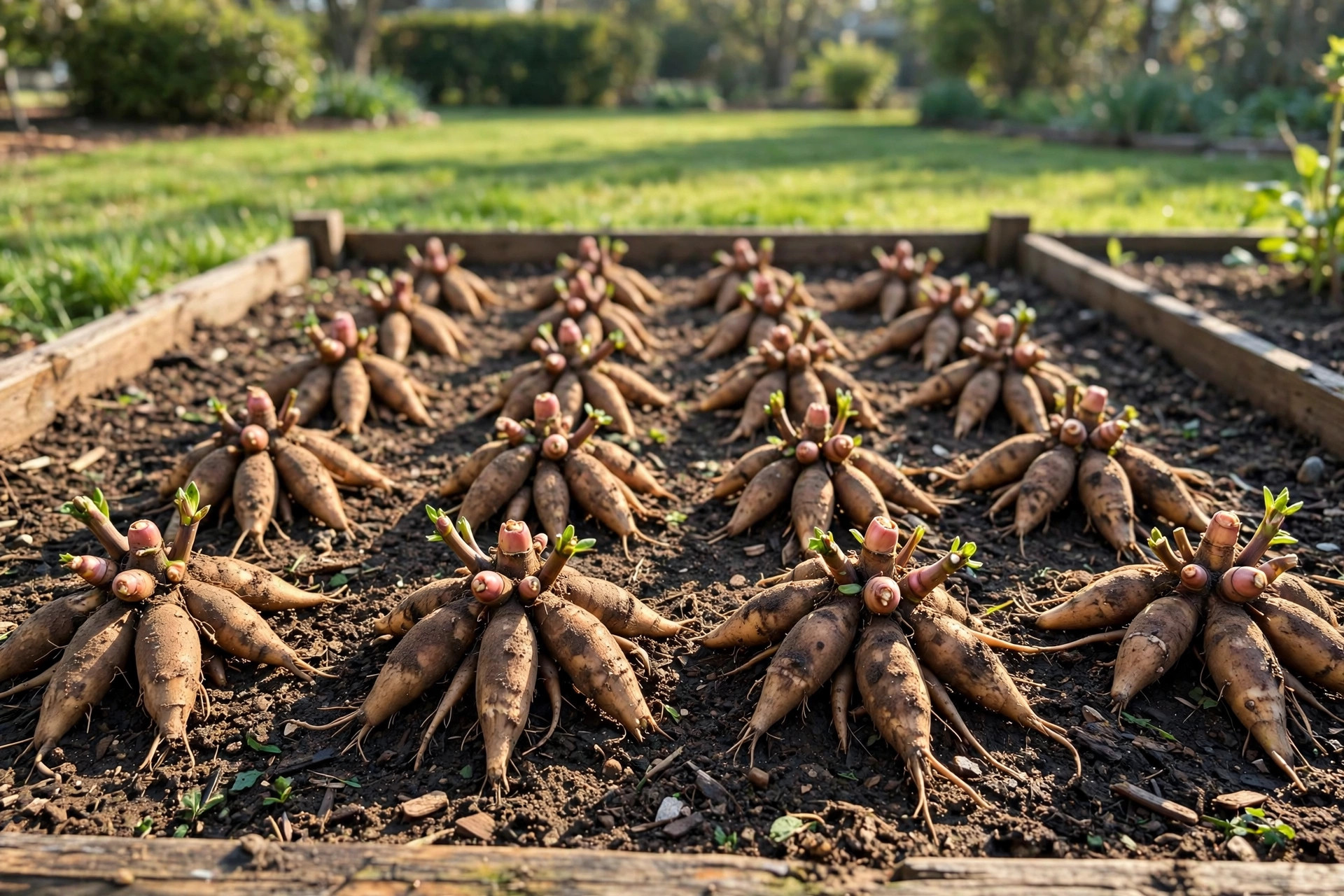
Firm tubers. A good tuber feels firm and solid in the hand. It has weight. Soft, spongy, or hollow tubers will not sprout well. Reviews often use the word “plump” to praise and “shriveled” to condemn. Both words deserve attention.
Healthy necks. The neck is the narrow part between the tuber body and the old stem base. It must be intact. A broken neck means the eye, the small growth bud, may be lost. Without an eye, the tuber cannot grow.
Clear labeling. Bulk lots arrive with dozens or hundreds of tubers. Without labels, a named variety becomes a mystery. Good sellers label each bag or each tuber. Reviews praise sellers who label clearly and blame those who guess.
Right size for the price. Tubers range from finger size to fist size. Larger tubers store more food for the young sprout, but small tubers from vigorous plants can perform just as well. Compare what the listing promises with what reviews say actually arrived.
How to Judge a Seller
A strong seller shows several marks of care. The catalog lists the tuber count clearly, not just the box weight. The listing states the variety name or the mix name. The seller gives a planting guide or a link to one. Shipping dates suit the buyer’s region, since tubers ship in spring for most of the country.
Check the seller’s return policy. Bulbs that arrive rotted should earn a refund or a replacement. Sellers with generous policies usually say so in plain words on their site. Gardeners can also learn from trusted nursery catalogs such as Gurney’s and Park Seed, which describe their grading and guarantees openly.
Types and Options in Bulk Dahlia Lots
Dahlia bulbs come in several forms, and each suits a different buyer.
Named varieties in bulk. These lots carry one named variety, such as a known red dinnerplate or a white pompon. They cost more per tuber than mixes. They suit planned borders and flower arrangements where color must match. Reviews for named lots often praise uniform size and true-to-type blooms.
Mixed color collections. Mixes lower the price and raise the surprise. A box of twenty mixed tubers may hold every color of the rainbow. For cutting gardens and casual beds, mixes give the most flowers per dollar. Read reviews to learn whether past mixes truly mixed well or leaned too heavily on one color.
Border and bedding dahlias. These smaller types suit pots and front-of-border spots. They bloom freely and need less staking. Bulk lots of bedding dahlias work well for community gardens and school projects. For ideas on how small plants fill a landscape, the variety guides at Proven Winners show real garden results.
Dinnerplate and giant types. Dinnerplate dahlias make blooms up to ten inches wide. They need staking and rich soil. Bulk buyers who plan wedding flowers favor them. Reviews warn that giant types need extra space, often eighteen inches between plants.
Machine-harvested field tubers. Some sellers sell large lots of field-grown tubers at low prices. These lots can include a share of damaged or mixed tubers. Reviews are the only honest report card for such lots. Read at least twenty before placing a large order.
Comparing to Other Bulb Purchases
Dahlia buying shares skills with other bulb buying. Fall planting bulbs, covered in our tulip bulbs fall buying guide, demand the same firmness test. Spring-planted daffodil bulb packs teach the same lesson about counting true value per bulb. Gardeners who master one bulb buy with more skill in the next.
Cost and Price: What Bulk Lots Should Cost
Prices for bulk dahlia bulbs vary by variety, count, and seller. The dahlia bulbs bulk reviews buying guide usa uses broad ranges, not exact prices, because prices change each year.
Small lots of five to ten tubers of a named variety often cost two to four dollars per tuber. Mixed lots of twenty-five often drop to one to two dollars per tuber. Very large lots of fifty or more can reach under a dollar per tuber for common mixes. Rare or new named varieties cost far more, sometimes ten dollars or more per tuber even in lots of five.
Shipping adds real cost. Bulbs are heavy, and a box of fifty tubers can weigh several pounds. Compare the total delivered price, not the sticker price. Some sellers offer free shipping above a set order size. Reviews often note whether shipping boxes arrived on time and whether the tubers stayed cool in transit.
Watch for false economy. A lot that costs half the price but sprouts at half the rate gives no saving. Divide the total delivered cost by the number of tubers that actually sprout, using the sprouting rate that reviews report. That number is the true price. A cheap lot with a fifty percent sprout rate costs more per flower than a fair-priced lot with a ninety percent sprout rate.
When to Buy for the Best Price
Timing shapes price. Early pre-orders, placed in late fall or winter, often carry the best selection and early-bird discounts. Spring orders cost more but ship fast. End-of-season sales can cut prices sharply, though the remaining stock may be picked over. Reviews written late in the season often reflect that thinner selection.
How to Plant and Care for Bulk Dahlia Bulbs
Good planting turns good tubers into great flowers. These steps follow standard practice taught by garden extension guides and trusted how-to sources such as Gardening Know How.
Wait for warm soil. Dahlias hate cold, wet soil. Plant after the last frost date, when soil reaches about sixty degrees. The Old Farmer’s Almanac offers frost date tables by zip code, which help time the planting well.
Choose a sunny spot. Dahlias want six or more hours of direct sun. Morning sun with afternoon shade suits hot southern gardens. A bed that holds water after rain will rot tubers. Raised beds fix that problem.
Plant at the right depth. Lay each tuber on its side, eye facing up, four to six inches deep. Space plants twelve to eighteen inches apart, depending on the variety. Water once after planting, then wait. Watering again before sprouts show can rot the tuber.
Stake tall types early. Drive stakes at planting time, before roots spread. Tie stems loosely as they grow. Stakes placed late damage roots.
Feed lightly but steadily. Dahlias like fertile soil with modest nitrogen. Too much nitrogen grows leaves at the cost of flowers. A balanced fertilizer, applied monthly, serves well. Compost worked into the bed before planting gives a strong start.
Deadhead for more blooms. Cut spent flowers often. Each cut signals the plant to make more buds.
Gardeners who start plants indoors get earlier blooms. Trays and cells, like those in our seed starting trays guide, let growers wake tubers up four weeks before the last frost.
Storing Tubers Over Winter
In zones colder than zone eight, dahlias cannot stay in the ground. After the first frost blackens the foliage, cut stems to four inches. Lift the clumps carefully with a fork. Let them dry for a day in a cool, shaded place. Pack the tubers in slightly damp peat moss, vermiculite, or wood shavings. Store them at forty to fifty degrees in a dark place. Check monthly and remove any tuber that shows rot. Guides from Monrovia and White Flower Farm describe this winter routine in clear detail, and The Spruce offers season-by-season care calendars that many gardeners follow.
Safety and Honest Practice
Dahlia buying carries few dangers, but honesty matters on both sides of the sale. Buyers should order from sellers with real addresses and working phone numbers. Sellers should ship only firm, labeled tubers. When a lot arrives damaged, report it with photos within the seller’s stated window. Most honest sellers replace or refund without argument.
Pest and disease notes deserve respect. Dahlias can carry viruses that spread by touch and by insects. Buy from sellers who cull weak stock. Do not plant tubers that show odd streaks on the skin or soft, sunken spots. Clean tools between plants when cutting stems. These small habits protect the whole bed.
Bulk orders also bring packaging waste. Cardboard boxes and peat packing can go to recycling and compost.
Frequently Asked Questions
How many dahlia bulbs should I buy in bulk for a cutting garden? A small cutting garden thrives on twenty to thirty tubers. That count gives several dozen stems per week at peak bloom. Larger gardens that supply weekly bouquets may plant one hundred or more. Start with a count the bed can hold at twelve to eighteen inches of spacing, then expand next year from the tubers the plants produce.
Do bulk dahlia bulbs grow as well as single premium tubers? They can. The tuber does not know its price. What matters is firmness, an intact neck, and a live eye. Reviews often show that mid-priced bulk lots sprout as well as costly single tubers. The main gap lies in labeling and grading, which tend to be better in premium single sales.
When is the best month to order bulk dahlia bulbs in the USA? Order in January or February for the widest choice. Sellers ship in spring, timed to each region. March orders still find good stock. By May, the best varieties often sell out, and late orders may face heat stress in shipping.
Can I plant dahlia bulbs from a bulk lot in containers? Yes, with the right types. Border and bedding dahlias suit twelve-inch pots. Larger types need pots of at least five gallons and firm staking. Use a quality potting mix, not garden soil, and feed every two weeks. Containers dry fast, so check water daily in summer.
How do I know if a bulk lot review is trustworthy? Trust reviews with detail. A review that names the variety, states the sprout count, and describes the arrival condition carries weight. Be wary of reviews that praise only with general words and no facts. Also check the review date. A review from three years ago may describe a seller that has since changed hands.
What should I do if half my bulk tubers fail to sprout? First, check the seller’s guarantee window and contact them with photos and your order number. Second, review your planting method, since cold or wet soil can mimic bad stock. Third, leave honest feedback. A fair review that states facts helps the next buyer and often prompts the seller to improve.
A Final Word
The dahlia bulbs bulk reviews buying guide usa rests on one habit. Read first, buy second, plant with care. Bulk buying rewards gardeners who study reviews, compare delivered prices, and plant at the right time. It punishes haste. A box of firm, labeled tubers, planted in warm soil under full sun, pays back its cost many times over in blooms. Choose the seller as carefully as the flower, and the garden will do the rest.
References
Gardening Know How. (n.d.). Gardening guides and plant care. https://www.gardeningknowhow.com Gurney’s Seed & Nursery Co. (n.d.). Seeds, plants, and garden supplies. https://www.gurneys.com Monrovia. (n.d.). Plants for home gardens. https://www.monrovia.com Park Seed. (n.d.). Seeds, plants, and gardening supplies. https://www.parkseed.com Proven Winners. (n.d.). Plants and gardening inspiration. https://www.provenwinners.com The Old Farmer’s Almanac. (n.d.). Gardening calendars and advice. https://www.almanac.com The Spruce. (n.d.). Home and garden advice. https://www.thespruce.com White Flower Farm. (n.d.). Plants, bulbs, and garden supplies. https://www.whiteflowerfarm.com
Was this guide helpful?

About James Carter
The My Garden US editorial team writes practical, in-depth home and garden guides for American homeowners — tested advice, no fluff.
You May Also Like
Succulent Variety Packs: An American Homes Guide
April 14, 2026 0 views
Monstera Plants Sale California Homes USA: A Buyer’s Guide
February 20, 2026 0 views
How to Grow Jalapeno Peppers: A USA Guide
October 6, 2026 1 views