Introduction
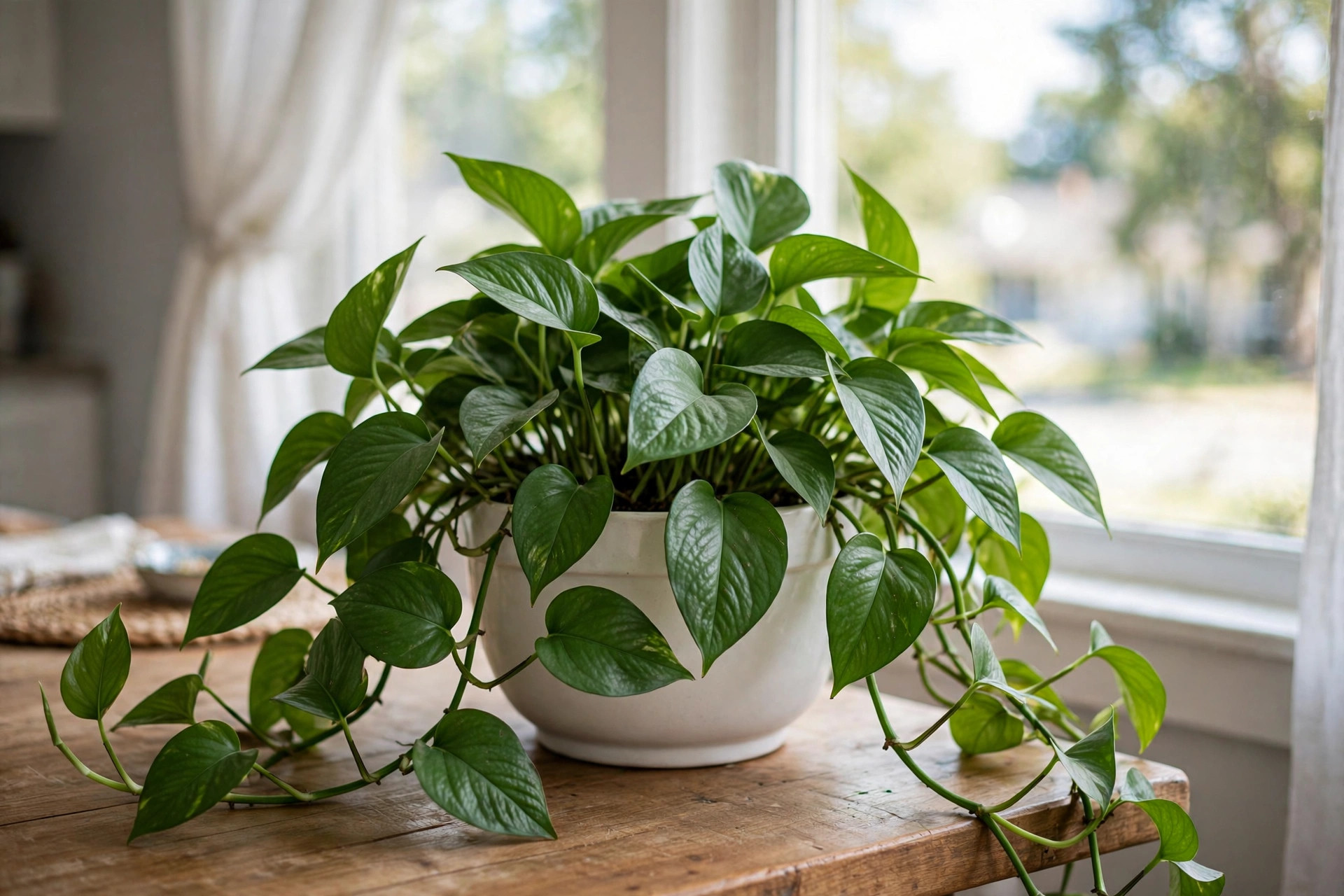
Pothos plants bulk deals near me is a search that can save real money. Pothos plants are among the most loved indoor plants in the United States. They trail, they climb, and they forgive neglect. They need little light and little care. That is why offices, apartments, and homes all keep them.
Buying one pothos is simple. Buying twenty or fifty is different. When you buy in bulk, the price per plant falls. The problem is knowing where the deals are, and which plants are healthy. This guide walks through the whole process. It explains why bulk buying works, where to look near you, what to look for when you shop, and how to care for your plants after you bring them home.
Whether you want to fill a new apartment, decorate an office, or give gifts to friends, this plain guide will help you spend less and get more. Let us start with why bulk deals matter.
Why Bulk Buying Makes Sense: Pothos Plants Bulk Deals near Me
A single pothos in a four-inch pot can cost anywhere from five to fifteen dollars at a store. Buy ten, and the store may cut the price. Buy fifty, and the savings grow even more. That is the basic math of pothos plants bulk deals near me. Sellers want to move stock. You want a low price. Both sides win.
There are good reasons to buy many plants at once. New homes often need green life in every room. A new office needs plants for desks and lobbies. Some people buy in bulk to give plants as gifts. Others resell small pots at local markets. Whatever your reason, a bulk deal lowers the cost per plant.
Where to Find Bulk Deals Near You
The words “near me” matter. Local sources often beat online prices because there is no shipping cost. Shipping live plants is expensive. The boxes are heavy. The plants need fast delivery. Local deals avoid all of that.
Start with local nurseries and garden centers. Many of them sell flats of small plants to the public. A flat may hold eight, twelve, or twenty-four pots. Ask the staff about volume discounts. Many nurseries post no sign about bulk prices. You must ask. The Farmer’s Almanac has a long tradition of helping people find local growers, and local garden centers often work with those same growers.
Next, try big home and garden stores. Large chains carry pothos year round. They sometimes run clearance sales at the end of a season. The plants may look tired. Tired plants can still recover with water and light. Check the store’s garden section often. Clearance tags appear without warning.
Wholesale growers in your area are another option. Some sell to the public on certain days. Some require a tax ID or a business license. It costs nothing to call and ask. Search online for wholesale plant growers in your county. A few phone calls can find deals that never appear in ads.
Farmer’s markets and plant swaps can be gold mines. Small growers bring flats of pothos to sell cheap. You can inspect every plant before you pay. Plant swaps are free or nearly free. You bring a plant and trade for one. They do not give bulk quantities, but they can start your collection at no cost.
Online sellers still have a place. If local options are thin, many online plant shops ship flats across the country. Read reviews before you order.
How to Choose Healthy Plants
A cheap price means nothing if the plants die in a month. Healthy pothos plants share clear signs. Learn them before you shop. You will save money by avoiding sick plants.
First, look at the leaves. They should be firm and full of color. Green varieties should be a rich, even green. Variegated types like golden pothos and marble queen should show crisp white or yellow markings. Avoid leaves with large brown spots. A few small brown edges are normal. Large dead patches are not.
Second, check the stems. They should be firm, not mushy. Gently lift the plant and look at where the stems meet the soil. That area should be dry and solid. Soft stems often mean root rot. Root rot is hard to fix. Skip those plants.
Third, look under the leaves. This is where pests hide. White cottony clumps can mean mealybugs. Tiny webs can mean spider mites. Small black dots that move can mean thrips. If you see pests on one plant in a flat, check them all. Pests spread fast. A good plant care resource explains how to spot these problems early.
Fourth, check the roots if you can. Gently slide the root ball out of the pot. Healthy roots are white or light tan. They should fill the pot but not circle it too tightly. Dark, slimy roots are a bad sign. Roots that circle the pot in a tight mat mean the plant is pot-bound. That plant can recover with a larger pot, but it needs work.
Fifth, smell the soil. It should smell like fresh earth. A sour or rotten smell means the soil stays too wet. Wet soil leads to root rot. Trust your nose.
Take your time in the store. You have the right to look over every pot.
Types and Varieties of Pothos
Pothos comes in many varieties. Prices vary by type. Common types cost less. Rare types cost more. When you hunt for pothos plants bulk deals near me, knowing the common types helps you judge a price.
Golden pothos is the classic. Its heart-shaped leaves carry yellow streaks. It grows fast and costs little. Most bulk deals feature golden pothos. It is the workhorse of the plant world.
Marble queen pothos has white and green marbled leaves. It grows more slowly than golden pothos. It costs a bit more. It looks bright in a room. Many buyers love it for offices.
Jade pothos is solid green. It tolerates low light well. It is often the cheapest variety. If you need many plants for a dim space, jade pothos is a smart pick.
Neon pothos glows with bright chartreuse leaves. It stands out in any room. Prices sit near golden pothos.
When you buy bulk pothos for home decor, mix two or three varieties. The mix looks rich. Common types keep the cost down. One or two accent types add interest.
For buyers who also love other easy plants, snake plants for indoor spaces pair well with pothos. They need the same simple care. Many nurseries discount both when bought together.
Cost and Price Breakdown
Prices for pothos vary by size, variety, and seller. Here are typical ranges in the United States as of recent years. Prices move with the season and the region. Use these as a guide, not a promise.
Four-inch pots of common pothos: five to twelve dollars each at retail. In bulk lots of ten or more, the price often drops to three to seven dollars each. That is a real saving.
Six-inch pots of common pothos: twelve to twenty-five dollars each at retail. Bulk lots of ten may bring the price to eight to fifteen dollars each. These plants have longer trails. They fill a space faster.
Hanging baskets of pothos: twenty to forty dollars at retail. Bulk deals on baskets are less common. Some growers sell them by the flat of six. Ask about it.
Flats of small starter plants: some wholesale growers sell flats of twelve to twenty-four two-inch or three-inch starters. Prices can run from thirty to eighty dollars per flat. That works out to two to four dollars per plant. This is the cheapest way to buy many plants. The plants are small. They need a few months to fill out.
Compare prices across at least three sellers. A trusted seed and plant retailer can give you a baseline for retail prices. Then compare local nursery prices against it. You will quickly see who is fair.
Care and Upkeep After You Buy
Buying the plants is only half the job. Keeping them alive is the other half. Pothos plants are easy, but easy does not mean carefree. A few simple habits will keep your plants green for years.
Light comes first. Pothos likes bright, indirect light. A spot near a window with a sheer curtain is ideal. It can live in low light. It will grow slowly there. Keep it out of harsh direct sun. Direct sun can burn the leaves. Variegated types need more light to keep their patterns. In dim rooms, they may turn mostly green.
Water comes second. Water when the top two inches of soil feel dry. Stick your finger in the soil. If it feels dry, water. If it feels damp, wait. Overwatering kills more pothos than any other mistake. The roots need air between waterings. In winter, plants need even less water. Growth slows in the cold months.
Soil comes third. Pothos likes loose, well-draining soil. A standard indoor potting mix works fine. You can mix in some perlite for extra drainage. Avoid heavy garden soil. It holds too much water. When you repot, choose a pot with drainage holes. Holes let extra water escape. Sitting water leads to root rot.
Feed lightly. Pothos does not need much food. A balanced liquid fertilizer once a month in spring and summer is enough. Dilute it to half strength. In fall and winter, stop feeding. The plant rests.
Prune to shape. Long vines can look messy. Cut them back with clean scissors. Cut just above a leaf node. That is the small bump on the stem where a leaf grows. New growth will sprout from that point. A detailed growing guide shows the cutting method step by step.
Repot when needed. Roots that poke out of the drainage holes mean the plant needs a bigger pot. Move up one pot size. Two inches wider is enough.
Clean the leaves. Dust blocks light. Wipe large leaves with a damp cloth every few months. The plant will thank you with faster growth.
Safety Notes
Pothos plants are lovely, but they are not food. All parts of the pothos plant contain calcium oxalate crystals. These crystals irritate the mouth and throat. Chewing a leaf can cause pain, drooling, and swelling.
Keep pothos away from small children. Toddlers put everything in their mouths. Hang trailing plants high. Place pots on tall shelves. Teach older children that houseplants are not snacks.
Pets need the same care. Cats and dogs that chew pothos leaves can get sick. Signs include drooling, pawing at the mouth, and vomiting. Most cases are mild. Still, call your vet if your pet eats a large amount. If you share your home with a curious cat, you may want to pair your pothos with pet-friendly plant options placed within reach instead.
When you prune or repot, the sap can irritate skin. Wear gloves if your skin is sensitive. Wash your hands after handling cuttings. These are small steps. They keep the hobby safe for everyone.
Teach anyone who helps you care for the plants about these rules. Clear rules prevent problems.
Frequently Asked Questions
How many pothos plants count as a bulk buy?
There is no fixed rule. Most sellers start bulk pricing at ten plants. Some start at five. Wholesale growers may want twenty-five or fifty. Ask the seller where their bulk price begins.
Are bulk pothos plants lower quality?
Not always. Some bulk plants are the same stock sold in single pots. Clearance flats can hold tired plants. Inspect every plant. Healthy leaves and firm stems matter more than the price tag.
Can I buy pothos cuttings in bulk instead of potted plants?
Yes. Many sellers offer unrooted or rooted cuttings in packs of ten, twenty-five, or fifty. Cuttings cost far less than potted plants. They take weeks to root and months to fill a pot. If you have time and patience, cuttings are the cheapest path.
What is a fair bulk price for common pothos?
For four-inch pots of golden or jade pothos, three to seven dollars per plant in lots of ten or more is fair in most of the country. Prices run higher in big cities and lower in growing regions like Florida and California. Compare three sellers before you decide.
Should I buy from a local nursery or online?
Local is usually better for bulk. You see the plants. You skip shipping. You can ask questions in person. Online works when local options are weak. Choose online sellers with strong reviews.
How do I transport fifty plants home?
Bring boxes, trays, and newspaper. Stand small pots upright in boxes. Fill gaps with crumpled newspaper so pots do not tip. Lay long vines gently across the top. Drive carefully. In cold weather, warm the car first. Cold air can shock tropical plants in minutes.
A Final Word
Finding pothos plants bulk deals near me takes a little legwork. The payoff is real. You pay less per plant. You fill your space with living green. You may even have extras to share.
Start local. Ask about volume discounts. Inspect every plant. Mix common varieties with a few special ones. Care for them with simple habits. Light, water, and patience do most of the work. Happy hunting.
If your taste runs to statement plants as well, read our guide to monstera plants on sale for another easy win. And for dependable seed and bulb sources to round out your garden, the National Institute of Food and Agriculture offers research-backed growing guidance. Retailers like Park Seed, Gurney’s, White Flower Farm, and Proven Winners all carry plants and supplies worth comparing, while The Spruce covers home and garden topics in plain language year round.
References
Burpee. (n.d.). Seeds, plants, and gardening supplies. https://www.burpee.com Gardening Know How. (n.d.). Gardening guides and plant care. https://www.gardeningknowhow.com Gurney’s Seed & Nursery Co. (n.d.). Seeds, plants, and garden supplies. https://www.gurneys.com Monrovia. (n.d.). Plants for home gardens. https://www.monrovia.com National Institute of Food and Agriculture. (n.d.). Agricultural research and extension. https://www.nifa.usda.gov Park Seed. (n.d.). Seeds, plants, and gardening supplies. https://www.parkseed.com Proven Winners. (n.d.). Plants and gardening inspiration. https://www.provenwinners.com The Old Farmer’s Almanac. (n.d.). Gardening calendars and advice. https://www.almanac.com The Spruce. (n.d.). Home and garden advice. https://www.thespruce.com White Flower Farm. (n.d.). Plants, bulbs, and garden supplies. https://www.whiteflowerfarm.com
Was this guide helpful?

About David Wilson
The My Garden US editorial team writes practical, in-depth home and garden guides for American homeowners — tested advice, no fluff.