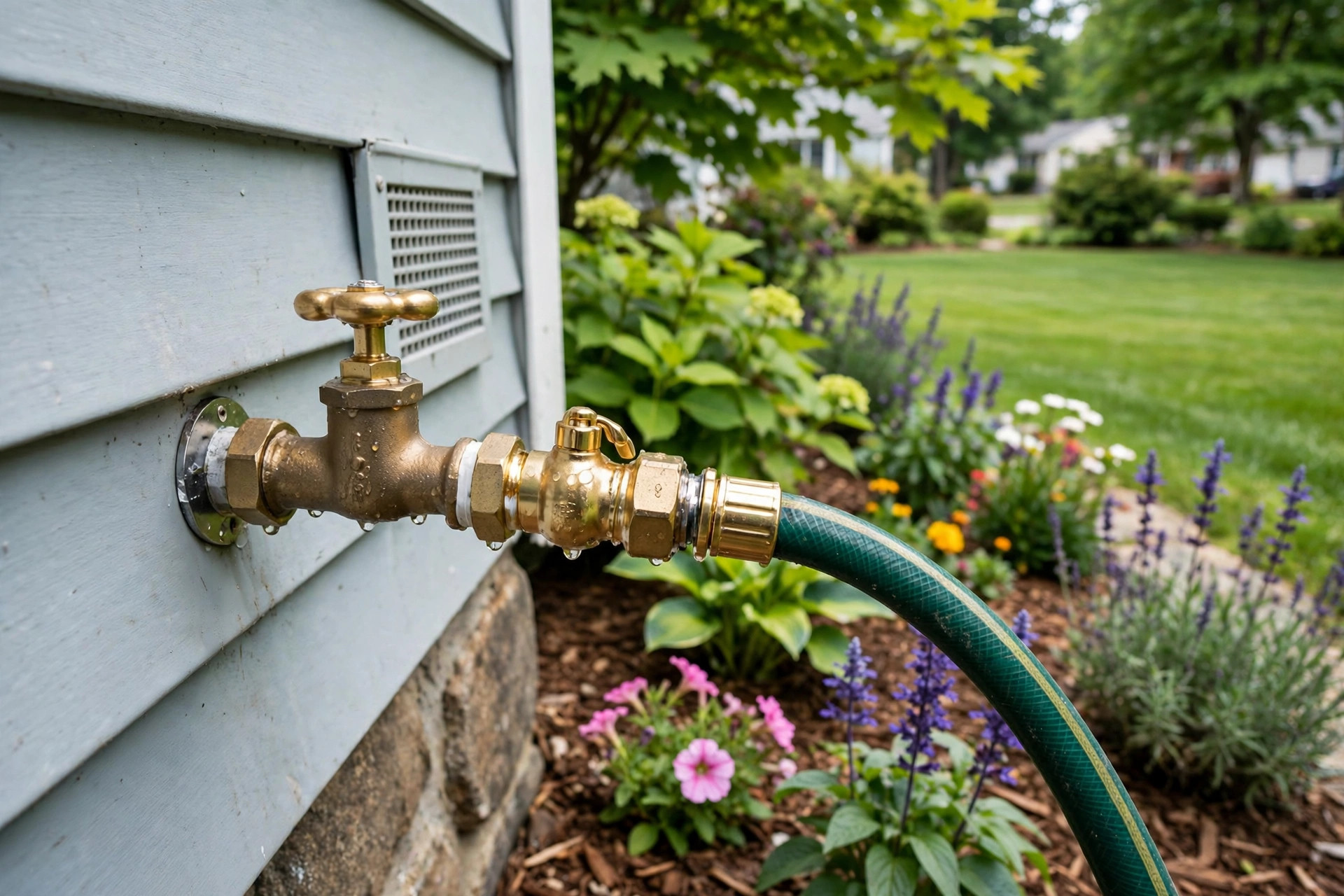

The best garden hose quick connect fittings save time every time you water. They snap on and off in seconds. No more twisting threads. No more scratched knuckles at the spigot. A good set of quick connect fittings turns hose chores into a quick and easy task. Many gardeners call them the best small upgrade they ever made to their watering setup.
Quick connect fittings are small couplings that join a hose to a spigot, a nozzle, or another hose with a simple push and twist. They come in brass, aluminum, and plastic. Each type has its place. This guide walks through how they work, which materials last, and what to look for before you buy.
Why Quick Connect Fittings Matter
A garden hose is only as good as its connections. Threaded hose ends work fine, but they take time. They seize up after a season in the sun. They leak at the worst moment. Quick connect fittings solve these daily annoyances in one stroke.
Less Time, Less Water Waste
Every change of a spray head means a walk back to the spigot, or a splash at the hose end. With quick connect fittings, you swap tools while the water stays off at the valve built into many couplings. Some sets include a water-stop fitting that shuts off flow the moment you pull a tool away. That small feature saves gallons across a season.
Kindness to Your Hands
Older gardeners and anyone with stiff joints know the pain of threaded brass rings. A quarter-turn quick connect needs far less grip and twist. For hands that tire fast, this comfort alone can be reason enough to make the change.
How Quick Connect Fittings Work: Best Garden Hose Quick Connect Fittings
The system has two halves. A male adapter screws onto the spigot, the nozzle, or the far end of a hose. A female coupling clicks onto that adapter with a spring-loaded sleeve. You pull back the sleeve, push the two halves together, and let the sleeve snap forward. The lock holds under full water pressure.
Most sets also include a water-stop coupling for the hose end. This version has a small valve inside. When you detach the nozzle, the valve closes and stops the flow. When you attach the nozzle again, the valve opens. You never need to run back to the spigot.
Thread sizes are standard in the United States. Garden hoses use three-quarter-inch garden hose thread. If your hose and spigot fit a normal nozzle, they will fit standard quick connect fittings. Imported or oddball hoses can vary, so check before you order.
Types of Quick Connect Fittings
Shoppers meet three common materials. Price, weight, and durability differ a great deal between them.
Solid Brass Fittings
Brass is the classic choice. It resists rust, stands up to hard water, and handles full pressure year after year. Brass fittings feel heavy and solid in the hand. They cost more up front, often several dollars per piece, but they can last a decade or more. For a main spigot connection that stays in place all season, brass is hard to beat.
Aluminum and Zinc Fittings
Aluminum fittings weigh less and cost less than brass. Many starter kits use aluminum bodies with steel locking balls. They work well for light to moderate use. In salty or very hard water, aluminum can corrode faster than brass. Zinc alloys are similar: fine for a few seasons, but not the choice for a permanent setup.
Plastic and Nylon Fittings
Plastic quick connect fittings are cheap and light. They suit small container gardens, light rinsing, and situations where a fitting might hit a concrete patio and crack less readily than metal would chip paint. They wear out faster, though. Sun and pressure age plastic quicker than metal. Replace them at the first sign of cracking or warping.
Water-Stop vs. Standard Couplings
A water-stop coupling costs a little more than a standard one. It pays for itself in saved trips to the spigot and saved water. Keep at least one water-stop coupling on the working end of each hose. Use standard couplings for fixed connections like the spigot end.
What to Look for When You Choose
Buying the best garden hose quick connect fittings for your yard takes only a few checks. Walk through this list before you add anything to your cart.
Material and Build Quality
Pick solid brass for the fittings that stay connected all season. Look for smooth machining, clean threads, and a sleeve that slides and snaps with a firm click. Rough edges and loose sleeves signal cheap casting that will leak soon.
Rubber Seals and Washers
The seal does the real work. Good fittings use thick, soft rubber washers that seat flat. Cheap sets use thin washers that deform in a month. Many leaks are fixed with a fresh washer, so buy a set that includes spares, or keep a small bag of replacement washers on hand.
Pressure Rating
A standard home spigot delivers 40 to 60 pounds per square inch. Quality fittings rate well above that, often 150 PSI or more. If your home has a booster pump or high pressure, choose fittings rated for it. Low-rated plastic fittings can pop apart at high pressure, which is startling and wasteful.
Ease of Connection
Try the sleeve action in the store if you can. It should pull back smoothly and snap forward with a clear click. Stiff sleeves annoy daily. Very loose sleeves leak. The best sets feel crisp every time, even after a season of use.
Set Size and Compatibility
Starter kits usually hold six to twelve pieces: male adapters, female couplings, and water-stop couplings. Count your needs before you buy. You need one male adapter for the spigot, one for each nozzle or sprinkler, and one water-stop coupling for each hose end. If you run a best garden hose for large yards with two hoses joined, you need fittings for both ends of the joint.
Brand Reputation and Reviews
Established tool makers test their fittings under real pressure. Reading independent reviews from trusted outlets like Consumer Reports helps you compare durability claims across brands. Practical how-to advice from Family Handyman also covers which connection styles hold up best in daily garden work.
Cost and Price Guide
Quick connect fittings sit in a small price range, but quality spreads wide. Plastic sets of ten often sell for under ten dollars. Mid-range aluminum sets run twelve to twenty dollars. Solid brass sets run twenty to forty dollars or more, depending on the piece count.
Think in terms of cost per season. A cheap plastic set replaced every year costs more over five years than one brass set bought once. Spending a few dollars extra on brass for the spigot end and the main hose end, while using mid-range pieces on tools, is a sound middle path.
Watch for false bargains. A kit with thirty pieces for a few dollars almost always uses thin metal and thin washers. Leaks will start within weeks. A smaller set from a known maker, with spare washers included, is the better buy. Compare options at major retailers such as Home Depot and Lowes to see current pricing and piece counts side by side.
Installing Your Fittings
Installation takes minutes and needs no special tools. Follow these steps for a tight, leak-free setup.
1. Turn off the spigot and relieve pressure by opening a nozzle. 2. Wrap the male threads of the spigot adapter with two or three turns of thread-seal tape. 3. Screw a male adapter onto the spigot by hand, then snug it with a wrench. Do not over-tighten. 4. Screw male adapters onto each nozzle, sprinkler, or wand the same way. 5. Push a water-stop female coupling onto the hose end and tighten by hand. 6. Slide the coupling sleeve back, push it onto the spigot adapter, and release the sleeve. 7. Turn the water on and check each joint. A slow drip usually means the washer needs reseating or the tape needs a fresh wrap.
If you pair fittings with a garden hose nozzle with multiple settings, put a male adapter on the nozzle base once and leave it there. Then swapping from jet to shower spray is a one-hand click.
Care and Upkeep
Quick connect fittings last longer with a little care. These habits cost minutes and add seasons.
Seasonal Cleaning
Once a year, soak the couplings in white vinegar for an hour to dissolve mineral crust. Rinse, dry, and work the sleeves a few times to spread moisture away from the springs. Replace any washer that looks flat, cracked, or hard.
Winter Storage
Water left inside a fitting can freeze and crack the body, even in brass. Before the first hard freeze, disconnect every fitting, drain the hoses, and store fittings in a bucket in the garage. This single step prevents most spring leaks. Guides at Gardener’s Supply and The Spruce remind gardeners to drain and store all watering gear before winter.
Lubrication
A light smear of silicone grease on the seals once a season keeps the sleeve action smooth and protects the rubber. Avoid petroleum jelly on some rubber types; silicone grease is the safer choice. Corona Tools, known for Corona garden tools, and other makers often suggest the same routine for any garden tool with moving parts.
Checking for Wear
Test each connection in spring. Pull and twist gently. If a coupling pops off with little effort, the locking balls or spring have worn. Replace the piece rather than risk a blowout mid-watering. Also check threads on the male adapters for cross-threading, which ruins the seal.
Safety Notes
Water fittings seem harmless, but a few cautions apply. Never stand in line with a coupling when you first turn on the pressure; a worn fitting can pop off and the hose end can whip. Keep fittings away from lawn mower blades, which catch hoses and shatter plastic pieces into sharp bits.
If you drink from the hose, know that some imported brass may contain lead. Look for fittings marked lead-free or compliant with drinking-water standards. Flush the hose for a few seconds before filling a pet bowl or a watering can for edible plants.
Store small fittings out of reach of young children. The locking balls and small washers are choking hazards. Fiskars, the maker behind Fiskars garden tools, and other brands note similar cautions for small tool parts.
Pairing Fittings With the Rest of Your Watering Gear
Quick connect fittings shine as part of a full system. A best garden hose reel retractable reviews search will show reels that pair well with quick connect ends, since the water-stop coupling keeps the reel end dry while you wind it up.
Plan your adapters like this. One male adapter stays on the spigot. One stays on each tool. A water-stop coupling lives on each hose end. When you buy a new sprinkler next spring, screw a spare male adapter onto it right away so it joins the system on day one.
Product roundups at Bob Vila often test fittings alongside hoses and nozzles, which makes it easy to compare whole setups rather than single parts.
Frequently Asked Questions
Do quick connect fittings reduce water pressure?
Quality brass fittings reduce pressure only slightly, too little to notice in most yards. Cheap fittings with narrow inner bores can cut flow more. If pressure matters for a long hose run, choose fittings with a full three-quarter-inch bore.
Are quick connect fittings universal?
Most use the standard United States garden hose thread and fit any standard hose, spigot, or nozzle. Some imported sets use different threads. Check the packaging for the garden hose thread marking before you buy.
Why is my quick connect fitting leaking?
The cause is usually a worn or misseated washer. Turn off the water, pull the coupling apart, and look at the rubber seal. Replace it if it is flat or cracked. Reseat it flat if it has shifted. If the leak continues, the locking sleeve may be worn and the coupling needs replacing.
Can I leave quick connect fittings outside all winter?
It is not wise. Trapped water can freeze and crack the body. Cold also stiffens rubber seals so they leak in spring. Disconnect, drain, and store fittings indoors for the winter.
Brass or plastic: which should I buy?
Buy brass for connections that stay in place and see daily use, like the spigot end. Buy plastic for light, occasional use, or where a fitting may drop on hard surfaces. Most gardeners end up with brass at the spigot and hose ends and cheaper pieces on lesser-used tools.
How many fittings do I need for one hose?
A single hose needs at least three pieces: one male adapter for the spigot, one male adapter for the nozzle, and one water-stop female coupling for the hose end. Add one male adapter for every extra tool, such as a sprinkler or a soaker hose.
A Short Final Word
The best garden hose quick connect fittings are the ones you forget about. They click on, they hold tight, and they let you get on with the garden. Spend a little more for solid brass where it counts, keep spare washers handy, and store everything dry for winter. Your hands, your water bill, and your plants will all be better for it.
References
Bob Vila. (n.d.). Home improvement advice. https://www.bobvila.com Consumer Reports. (n.d.). Product reviews and ratings. https://www.consumerreports.org Corona Tools. (n.d.). Garden and landscape tools. https://www.corona-tools.com Family Handyman. (n.d.). DIY home repair and maintenance. https://www.familyhandyman.com Fiskars. (n.d.). Garden and cutting tools. https://www.fiskars.com Gardener’s Supply Company. (n.d.). Gardening tools and supplies. https://www.gardeners.com Lowe’s. (n.d.). Home improvement products. https://www.lowes.com The Home Depot. (n.d.). Home improvement products. https://www.homedepot.com The Spruce. (n.d.). Home and garden advice. https://www.thespruce.com
Was this guide helpful?

About Emily Rodriguez
The My Garden US editorial team writes practical, in-depth home and garden guides for American homeowners — tested advice, no fluff.
You May Also Like
The Best Garden Trowel Set for Beginners: How to Choose Well
March 24, 2026 0 views
The Best Garden Wagon for Hauling Soil: What to Buy and Why
August 29, 2026 0 views
Best Garden Gloves for Sensitive Skin: How to Choose the Right Pair
May 7, 2026 0 views