---
Table of Contents
Table of Contents
- Keep Curtains from Fading in Sunlight: Why Curtains Fade
- Strategy 1: Choose Fade-Resistant Fabrics
- Strategy 2: Add a Protective Lining
- Strategy 3: Layer Sheers as a First Defense
- Strategy 4: Install UV-Blocking Window Film
- Strategy 5: Hang Them Right
- The Energy Side Benefit
- Seasonal Habits That Slow Fading
- When to Replace Instead of Protect
- Frequently Asked Questions
- References
Sunlight is hard on fabric. Ultraviolet light breaks down the chemical bonds in dyes, which is what makes a rich blue panel turn chalky at the edges after a few sunny seasons. The damage is gradual, and it is worse on windows that take the harsh afternoon sun. But fading is not a fact of life. With the right fabric, a protective layer, and a few placement habits, your curtains can hold their color for years. The steps below show how to keep curtains from fading in sunlight in plain language.
Keep Curtains from Fading in Sunlight: Why Curtains Fade
When it comes to keep curtains from fading in sunlight, getting the details right makes all the difference.

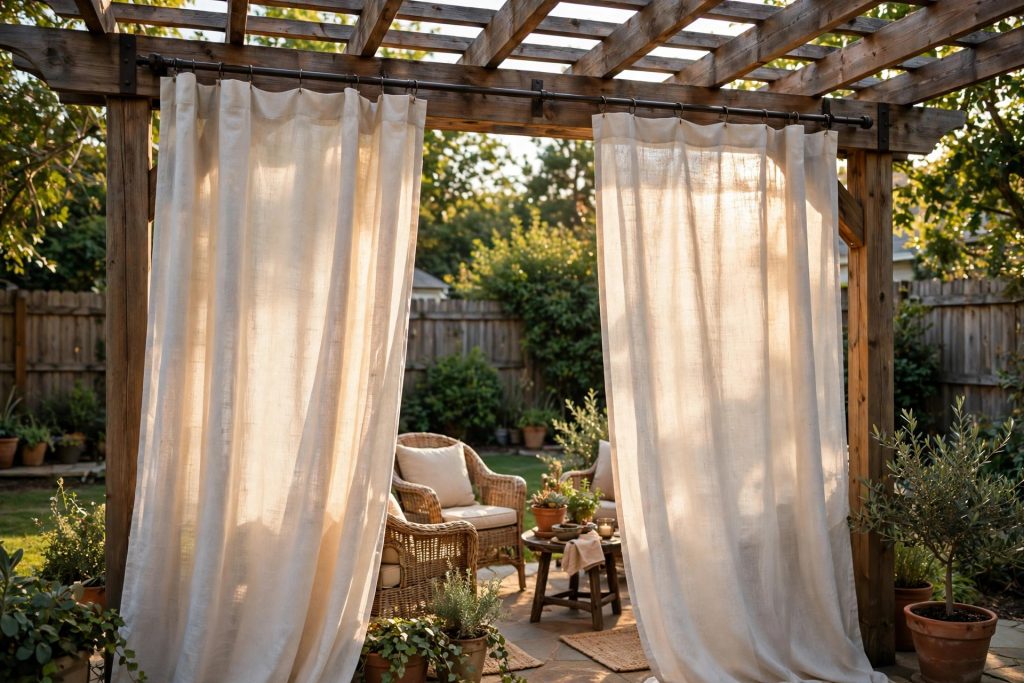
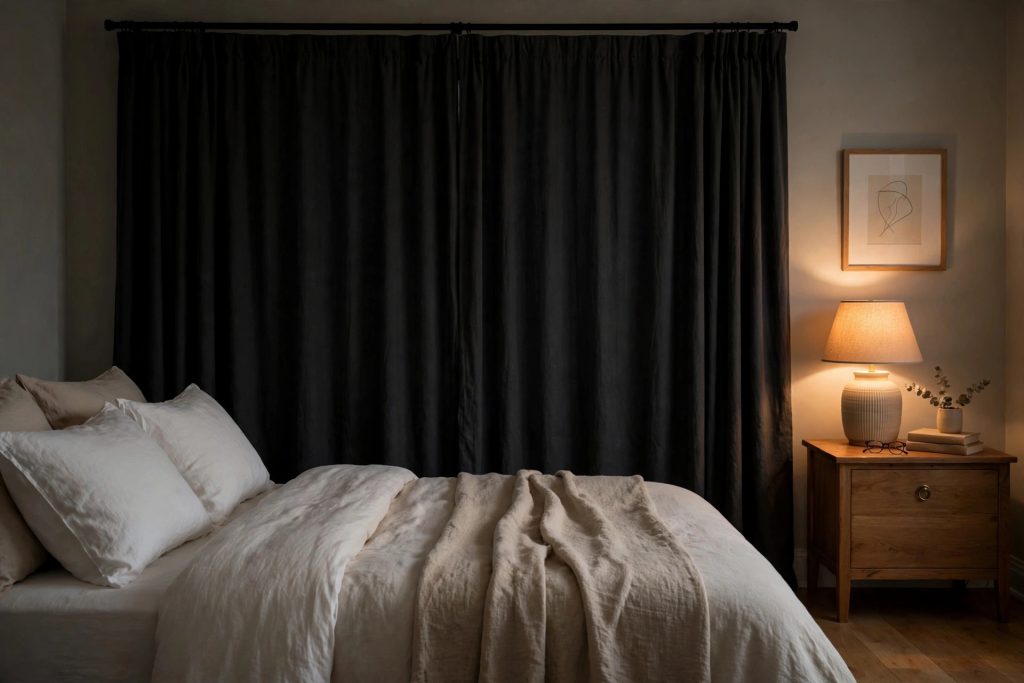
Many homeowners find that keep curtains from fading in sunlight is easier than they expected once they know the basics.
The fading process is chemistry, not mystery. UV light sets off a reaction between moisture in the fabric and oxygen in the air, creating a mild bleaching agent that attacks dye bonds. The dye breaks down, and the fabric loses color. As the same bonds weaken inside the yarn, the fabric itself can turn brittle and tear more easily.
Natural fibers with surface dyes suffer fastest. Silk fades quicker than almost anything. Cotton and linen hold up better when the dye work is good, but they still fade. Synthetic fabrics whose color is baked into the fiber at the factory, called solution-dyed fibers, resist fading far longer. A New Zealand fabric guide explains the science of UV damage to curtain fabric in plain terms, including why solution-dyed acrylic and polyester outlast natural fibers in sunny rooms.
West-facing windows deserve special attention. They catch the strong afternoon sun for hours each day, and drapes there fade several times faster than those on north-facing windows. A drapery company breaks down the fading problem for west-facing windows and the math behind afternoon UV exposure.
Strategy 1: Choose Fade-Resistant Fabrics
Many homeowners find that keep curtains from fading in sunlight is easier than they expected once they know the basics.
The key to keep curtains from fading in sunlight is choosing the right approach for your space and budget.
If you are buying new curtains for a sunny window, start with the fabric:
- Solution-dyed acrylic or olefin. The pigment is part of the fiber, not a coating on it. These are the top performers.
- Polyester. Close behind, especially tight weaves. It holds dye well and shrugs off sun.
- Cotton and linen. Acceptable with quality dye work, and they age gracefully, but expect some softening of color over time.
- Silk. Beautiful, but a poor pick for direct sun. It fades fast and weakens.
The thermal insulated curtains guide compares fabrics that stand up to harsh light, and the thermal energy efficient window treatments guide covers coatings and backings that add protection.
Strategy 2: Add a Protective Lining
The key to keep curtains from fading in sunlight is choosing the right approach for your space and budget.
With a little planning, keep curtains from fading in sunlight can fit even a busy schedule.
A lining puts a sacrificial layer between the sun and your decorative fabric. This is the single most common trick in the trade, and it works on curtains you already own.
- Blackout lining blocks nearly all light and gives the strongest protection. It also darkens the room, which suits bedrooms and media rooms. The blackout curtains buying guide covers options.
- Thermal lining blocks light and adds insulation, cutting heat gain in summer and heat loss in winter.
- Standard cotton lining blocks less light but still cuts UV exposure meaningfully, and it preserves a softer drape.
A Middle East curtain retailer lays out the lining options for sun protection with clear notes on what each type blocks.
Strategy 3: Layer Sheers as a First Defense
With a little planning, keep curtains from fading in sunlight can fit even a busy schedule.
Before you start, it helps to understand how keep curtains from fading in sunlight works in real homes.
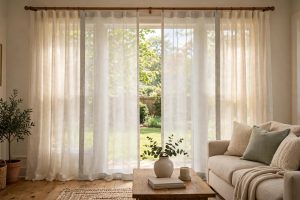
Hang a sheer panel on the glass side and your decorative curtain on the room side. The sheer takes the direct hit of UV while softening the light into something pleasant. Keep the sheers drawn during the hours of strongest sun.
This layered setup is a favorite of interior designers because it looks good and protects the investment behind it. Freshine Life's UV protection guide for curtains recommends pairing film at the glass with layered curtains for the broadest protection, and Decor Review Hub details how sheers boost UV defense. If you want the layered look, the sheer voile panels guide covers fabric choices for the light layer.
Strategy 4: Install UV-Blocking Window Film
Before you start, it helps to understand how keep curtains from fading in sunlight works in real homes.
A good plan for keep curtains from fading in sunlight saves time, money, and frustration.
Clear window film sticks to the glass and blocks most UV radiation before it reaches anything in the room. It does not darken the room the way tint does, and it protects curtains, rugs, floors, and furniture all at once. Installation is a one-time job, and the film keeps working as long as it stays in place.
Film pairs well with every other strategy on this list. For sunrooms and big glass walls, the thermal solar shades buying guide covers shade options that do the same job in fabric form.
Work through each step to keep curtains from fading in sunlight with care.
Strategy 5: Hang Them Right
A good plan for keep curtains from fading in sunlight saves time, money, and frustration.
Placement changes how much sun the fabric actually takes:
- Mount high and wide. Hanging the rod four to six inches above the frame and extending it past both sides lets the panels stack off the glass, away from the direct beam.
- Give them room to stack back. Panels bunched tight against the glass cook in the sun. Let them pull clear of the window when open.
- Rotate occasionally. Swap panels from one side of the track to the other now and then, so one edge does not take all the exposure.
- Close them during peak hours. The simplest habit of all: draw the lined panels during the harshest afternoon light.
Dolcewe's guide to blackout curtains and UV covers mounting height, rod extension, and panel fullness as UV defenses, and a Medium curtain care piece adds rotation and gentle handling to the routine.
The Energy Side Benefit
For most people, keep curtains from fading in sunlight comes down to a few smart choices.
Sun protection and energy savings travel together. The same lined curtains and shades that block UV also block heat. Researchers testing window coverings in real houses found that well-fitted cellular shades cut heating energy use substantially compared with basic blinds, work summarized in this report on shades and energy savings. The principle is simple: fabric plus trapped air slows heat moving through glass in both directions.
Put it to work with the same habits that fight fading. Close lined panels during the hot afternoon to keep solar heat out. In cold weather, close them after sunset to hold warmth in, and open south-facing panels on bright winter days to let free heat in. A curtain that protects its own color while trimming the power bill earns its place twice.
Layered setups do this best. A sheer plus a lined panel traps more air than either alone, and the effect grows when the layers seal close to the frame. If your energy bills spike in summer, the sunny windows are the first place to layer up.
Seasonal Habits That Slow Fading
If you are new to keep curtains from fading in sunlight, start with the simplest option and build from there.
Think of sun protection as a warm-weather routine. When the days get long and the sun rides high, close lined panels during the afternoon and let the sheers do the daytime work. In the darker months, you can leave panels open more freely without much cost, since the UV load drops.
Build a simple seasonal checklist:
- Spring: Wash or vacuum panels, check linings for wear, and rehang anything stored over winter. Test that rods and brackets still hold firmly.
- Summer: Run the afternoon closing routine. This is peak fading season, and a few weeks of discipline here saves years of fabric life.
- Fall: Rotate panels side to side to even out the summer's exposure. Inspect the most sun-struck panels for brittleness.
- Winter: Enjoy the low sun. Open panels freely on bright days for light and warmth, and close them at night for insulation.
Vacuum panels now and then with a brush attachment, since dust ground into fibers by handling can make fading look worse than it is. Never use bleach or harsh chemicals on sun-stressed fabric; they finish what the sun started.
When to Replace Instead of Protect
When it comes to keep curtains from fading in sunlight, getting the details right makes all the difference.
Some curtains are past saving. If the fabric tears when you pinch it gently, the yarn bonds have broken down and no lining will bring the strength back. If the back of the panel is stiff or powdery, the coating has failed. Replace with a solution-dyed fabric and a lining from day one, and you will not repeat the cycle.
Frequently Asked Questions
Many homeowners find that keep curtains from fading in sunlight is easier than they expected once they know the basics.
Do blackout curtains fade too? Yes, on the decorative face. The blackout backing protects the room from light, not the fabric from UV. A lining or film still helps.
Will window film make my room dark? Clear UV film barely changes the look of the glass. It blocks UV, not visible light, so the room stays bright.
Can I protect curtains I already own? Yes. Add a lining, layer a sheer in front, or apply window film. Rotating the panels costs nothing and evens out the wear.
Do light-colored curtains fade less? They show it less. Fading still happens, but the contrast between faded and unfaded areas is smaller on pale fabrics. Keep this guide handy the next time you keep curtains from fading in sunlight.
References
Averra Drapery and Blinds. (n.d.). How to keep curtains from fading in west-facing windows. https://averradraperyandblinds.com/prevent-curtain-fading-west-facing-windows/
Blackout Curtains Dubai. (n.d.). How to prevent sun damage and fading in your home. https://blackoutcurtainsdubai.ae/prevent-sun-damage-and-fading-for-curtains/
Decor Review Hub. (n.d.). Do sheer curtains block UV rays? https://decorreviewhub.com/do-sheer-curtains-block-uv-rays/
Dolcewe. (n.d.). UV protection with blackout curtains. https://dolcewe.com/blogs/home-decor/can-blackout-curtains-block-harmful-uv-rays
Frazerhurst Curtains and Blinds. (n.d.). Your "how to" guide to minimise UV damage. https://frazerhurst.co.nz/your-how-to-guide-to-minimise-uv-damage/
Freshine Life. (n.d.). Do curtains block UV rays? What really stops fading. https://freshinelife.com/blogs/all-posts/your-expensive-sofa-is-fading-a-guide-to-uv-protection-for-curtains
Medium. (n.d.). Maintaining and cleaning your curtains and roller blinds. https://medium.com/@zelbalouie/maintaining-and-cleaning-your-curtains-and-roller-blinds-in-singapore-5fdbdc637e10
SciTechDaily. (n.d.). DOE researchers show how window shades provide up to 24% heating energy savings. https://scitechdaily.com/doe-researchers-show-how-window-shades-provide-up-to-24-heating-energy-savings/
SciTechDaily. (n.d.). DOE researchers show how window shades provide up to 24% heating energy savings. https://scitechdaily.com/doe-researchers-show-how-window-shades-provide-up-to-24-heating-energy-savings/
Was this guide helpful?

About My Garden US
The My Garden US editorial team writes practical, in-depth home and garden guides for American homeowners — tested advice, no fluff.