A motion sensor that cries wolf is worse than no sensor at all. You stop trusting the alerts. You sleep through the phone buzzing. And if you have professional monitoring, repeated false alarms can mean fines from your town or slower police response. Learning how to stop false alarms on motion sensors is mostly about placement and settings, not new hardware. Here is what to know about how to stop false alarms on motion sensors before you start.
Table of Contents
Table of Contents
- How to Stop False Alarms on Motion Sensors: Why Motion Sensors Trip When Nothing Is There
- Fix the Placement First
- Deal With Pets the Right Way
- Adjust Sensitivity and Detection Zones
- Clean the Sensor and Check the Batteries
- Rule Out Drafts, Curtains, and Reflections
- When the Sensor Itself Is the Problem
- Train the Whole Household
- A Simple Order of Operations
- References
Most false alarms come from a short list of causes: pets, sunlight and heat, moving curtains, insects, low batteries, and sensors aimed at the wrong spot. Work through them one by one and the false trips usually stop.
How to Stop False Alarms on Motion Sensors: Why Motion Sensors Trip When Nothing Is There
When it comes to how to stop false alarms on motion sensors, getting the details right makes all the difference.
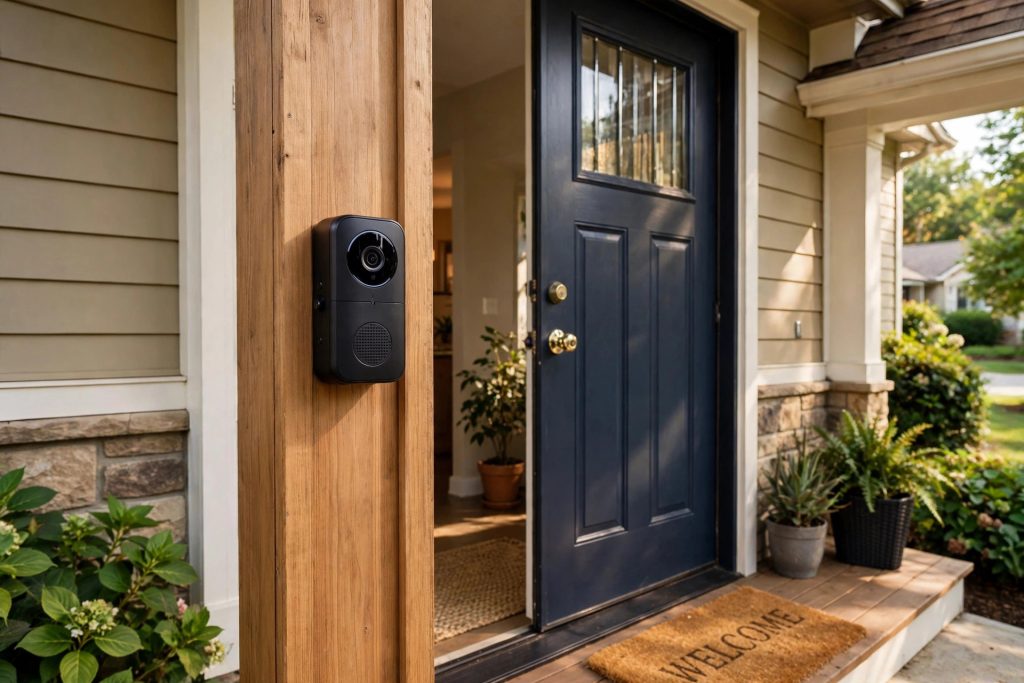
Many homeowners find that how to stop false alarms on motion sensors is easier than they expected once they know the basics.
Most indoor motion sensors are PIR sensors. PIR stands for passive infrared, which is a fancy way of saying the sensor watches for moving heat. When a warm body moves across its view, it fires. The problem is that lots of things look like a warm moving body to a PIR sensor: a sunbeam sliding across the floor, a curtain moving in a draft, a cat jumping on the couch, even a spider walking across the lens.
Once you understand that the sensor sees heat and motion, the fixes make sense. You want the sensor to see people and not see everything else. The storables.com guide lists the same main culprits: the environment around the sensor, pets, insects and dust, and bad placement.
Fix the Placement First
Many homeowners find that how to stop false alarms on motion sensors is easier than they expected once they know the basics.
The key to how to stop false alarms on motion sensors is choosing the right approach for your space and budget.
Bad placement causes more false alarms than bad sensors. Before you change any setting, look at where the sensor points.
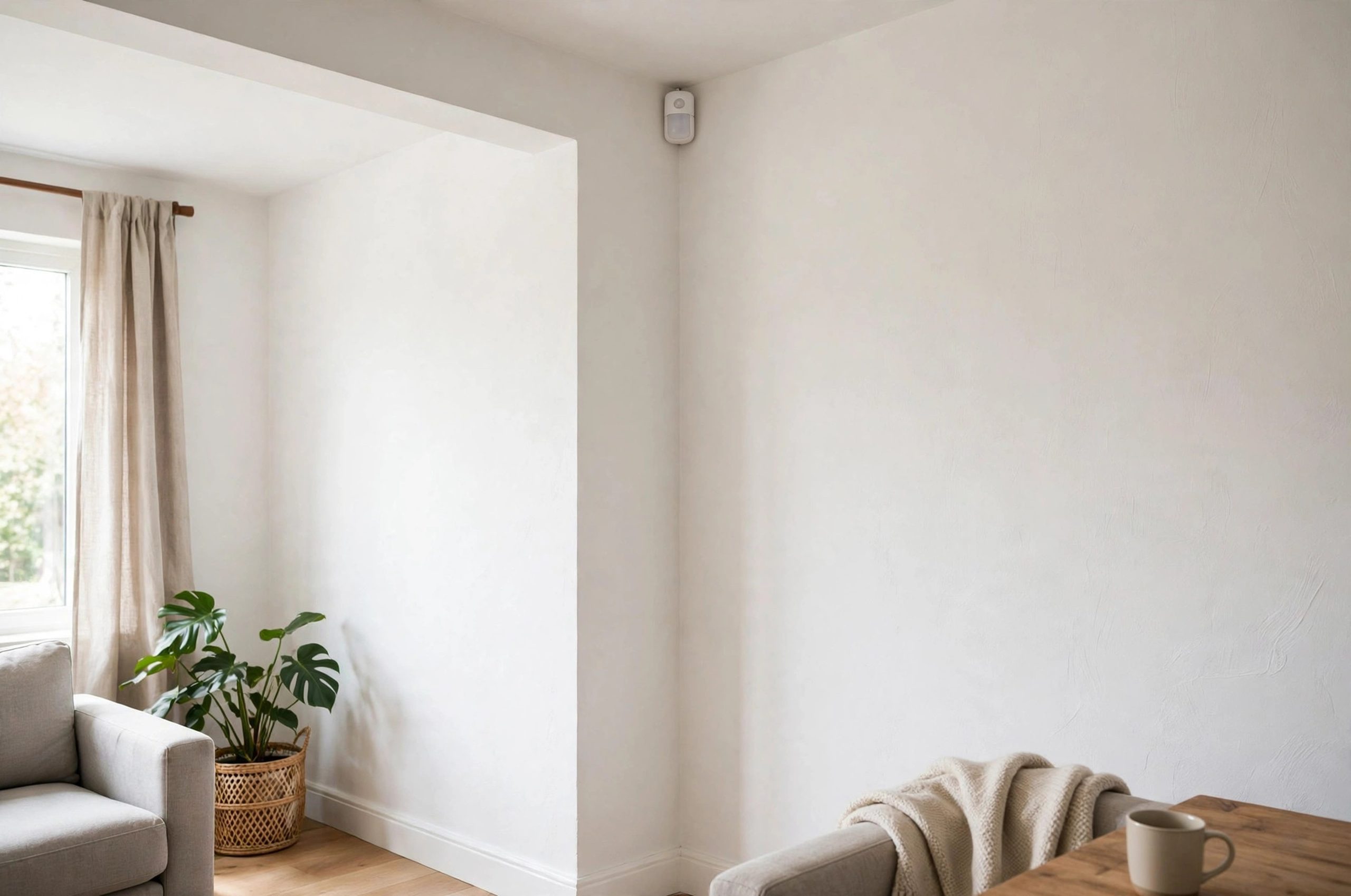
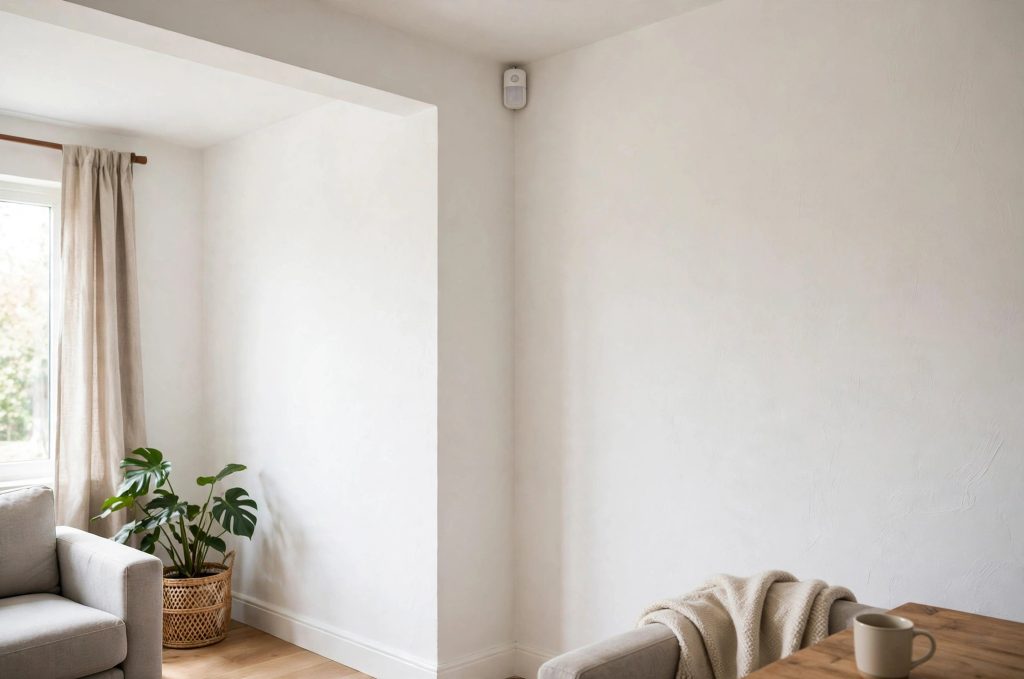
Mount the sensor six to eight feet high on a wall, in a corner if you can. A corner mount gives the widest useful view of the room. Aim it across the room, not straight at a door or window. Sensors work best when a person walks across their field of view, not directly toward them.
Keep the sensor away from these trouble spots:
- Windows with direct sun. A sunbeam moving across the floor looks like motion to a PIR sensor.
- Heat vents, radiators, and fireplaces. Warm air moving across the sensor can trip it.
- Ceiling fans and HVAC drafts that move curtains and blinds.
- Kitchens, where ovens and dishwashers throw off bursts of heat.
The dallasfixtech.com guide recommends moving sensors away from windows, direct sunlight, and heat vents, and checking that door and window sensors are lined up correctly too. The gosafersecurity.com guide adds that sensors should sit away from Wi-Fi routers and large appliances, which can cause electrical interference.
If you have a driveway motion sensor alarm, the same rules apply outdoors: aim away from the street, trees that sway, and anything that reflects the sun into the lens.
Deal With Pets the Right Way
The key to how to stop false alarms on motion sensors is choosing the right approach for your space and budget.
With a little planning, how to stop false alarms on motion sensors can fit even a busy schedule.
Pets are the number one cause of false alarms. A dog trotting down the hall at night or a cat leaping onto a bookshelf sets off a standard PIR sensor every time. There are two good answers.
First, use pet-immune sensors. These are built to ignore animals under a certain weight, often around 40 pounds. They work by aiming the detection pattern so that low-to-the-ground movement does not register. But pet immunity has limits. A big dog can exceed the threshold, and a cat on top of a tall cabinet is suddenly at human height. The parade.com guide warns against simply turning sensitivity all the way down, since a sensor set too low may miss a real intruder. Use the maker's recommended pet setting instead.
Second, think about the room layout. Keep pet beds, food bowls, and climbing spots out of the sensor's main view. A cat tree next to a sensor is asking for trouble. Move the furniture or move the sensor so the pet's favorite paths stay out of the detection zone.
If you watch pets on camera too, a nanny cam with a hidden camera can show you exactly what the pet does at night, which helps you aim the motion sensor around it.
Adjust Sensitivity and Detection Zones
With a little planning, how to stop false alarms on motion sensors can fit even a busy schedule.
Before you start, it helps to understand how how to stop false alarms on motion sensors works in real homes.
Most smart sensors let you change sensitivity in the app. If the sensor trips on small stuff, lower the sensitivity one step and test it for a few days. Do not drop it to the minimum right away. Walk through the room at normal speed and make sure it still catches you.
Many cameras and smart sensors also let you draw activity zones. You mark the part of the view that matters, like the doorway, and tell the system to ignore the rest. This is the best fix for a sensor that faces a window with passing cars or a tree that sways. The smartsecuritygreensboro.com guide suggests the same steps: check sensitivity, avoid aiming at busy or sunlit spots, and consider dual-technology devices that use two kinds of sensing for better accuracy.
Dual-technology sensors combine PIR with microwave detection. Both have to agree before the alarm fires. They cost more, but they cut false alarms sharply in tricky rooms like sunrooms and garages.
Clean the Sensor and Check the Batteries
Before you start, it helps to understand how how to stop false alarms on motion sensors works in real homes.
A good plan for how to stop false alarms on motion sensors saves time, money, and frustration.
A dusty lens sees the world through a fog. Wipe the sensor lens with a dry cloth every few months. Check for spider webs, too. A spider building a web across the lens is a classic cause of alarms that start out of nowhere, and the spider's body heat right against the lens looks huge to the sensor.
Low batteries cause strange behavior in wireless sensors. The sensor may send weak or garbled signals that the system reads as motion. Swap batteries on a schedule, once a year is fine for most sensors, instead of waiting for the low-battery chirp. The callawaysecurity.com guide includes a simple maintenance list: vacuum smoke detector vents, wipe sensor lenses, check batteries, and test every sensor monthly in test mode.
If you use a smart smoke and CO combo unit alongside motion sensors, put it on the same battery-swap schedule. One trip to the hardware store covers the whole house.
Rule Out Drafts, Curtains, and Reflections
A good plan for how to stop false alarms on motion sensors saves time, money, and frustration.
For most people, how to stop false alarms on motion sensors comes down to a few smart choices.
Stand in the room and look for anything that moves. Curtains near a vent will sway every time the heat kicks on. Blinds rattle. A mirror or a glass cabinet door can bounce a sunbeam into the sensor. Plants near a drafty window sway.
Fixes are cheap. Move the plant. Tie back the curtain or switch to heavier drapes. Angle the sensor a few degrees away from the mirror. Make sure the room holds a steady temperature, since fast temperature swings alone can confuse a PIR sensor. The blog.heykangaroo.com guide puts strategic placement at the top of the list: high on the wall, away from heat sources, and away from windows that get direct sun.
For porch and entry areas, a solar motion sensor light has the same weakness. Aim it at the walkway, not at the bushes that sway in the wind.
When the Sensor Itself Is the Problem
For most people, how to stop false alarms on motion sensors comes down to a few smart choices.
If you are new to how to stop false alarms on motion sensors, start with the simplest option and build from there.
If you have fixed placement, pets, sensitivity, drafts, dirt, and batteries, and the sensor still cries wolf, the hardware may be worn out. Sensors older than seven to ten years lack the filtering that modern ones have. The lens can yellow, the electronics drift, and the false alarms never stop.
Replacing one bad sensor is cheap. Upgrading to a dual-technology or pet-immune model in the problem room often ends the issue for good. If your whole system is old, a professionally monitored security system with modern sensors and verified alerts can be worth the monthly cost, since the monitoring center filters false alarms before anyone is dispatched.
A weak Wi-Fi signal can also make wireless sensors act up. If the sensor drops off the network and reconnects over and over, each reconnect can look like activity. The smartsecurityjohnsoncity.com guide notes that a strong, stable connection matters, and the plan in smart home Wi-Fi network setup helps you fix dead spots that make sensors flaky.
Train the Whole Household
If you are new to how to stop false alarms on motion sensors, start with the simplest option and build from there.
A surprising number of false alarms are people, not hardware. A teenager who forgets the code, a houseguest who opens the wrong door, a cleaner who arrives early. Make sure every adult and older teen knows how to arm and disarm the system. Give the dog walker or cleaner their own code so you can see who came in and when.
Set up entry and exit delays that match real life. If the delay is too short, the alarm fires before anyone reaches the keypad. If it is too long, you lose protection. Thirty to sixty seconds is the sweet spot for most homes.
Before a trip, run through the home security checklist for vacation so the house is set up right while you are gone. An empty house with a misbehaving sensor is how you come home to a fine from the alarm company.
A Simple Order of Operations
When it comes to how to stop false alarms on motion sensors, getting the details right makes all the difference.
When false alarms start, work in this order and stop when they stop:
1. Check the batteries and clean the lens. 2. Look at what the sensor points at and move it away from sun, vents, and curtains. 3. Lower sensitivity one step and set up activity zones. 4. Account for pets with pet-immune settings or a new sensor position. 5. Rule out drafts, mirrors, and moving objects in the room. 6. Replace the sensor if it is old or still misbehaves.
Most households fix the problem at step two or three. The sensor was fine all along. It was just pointed at the wrong thing.
For rooms where you want both detection and proof, pair the sensor with a camera that has local storage. When the sensor fires, you can look at the clip and see in seconds whether it was a person or the cat. And a motion sensor light switch indoors can use the same detection to turn lights on only when someone is really there, which also tells you at a glance whether the sensor is behaving. Once you try it, how to stop false alarms on motion sensors gets easier each time.
References
Many homeowners find that how to stop false alarms on motion sensors is easier than they expected once they know the basics.
- Dallas Fix Tech. (n.d.). Why smart home security systems show false intrusion alerts. https://www.dallasfixtech.com/blog-details/smart-home-security-false-alerts-dallas
- Callaway Security. (n.d.). What causes false alarms on home security systems. https://callawaysecurity.com/what-causes-false-alarms-on-home-security-systems/
- Storables. (n.d.). What can cause false alarms in motion detectors. https://storables.com/home-security-and-surveillance/what-can-cause-false-alarms-in-motion-detectors/
- Smart Security Johnson City. (n.d.). How to reduce motion sensor false alarms in your home. https://www.smartsecurityjohnsoncity.com/blog/how-to-reduce-motion-sensor-false-alarms-in-your-home
- Parade. (n.d.). How to stop pets from triggering DIY security system alarms. https://parade.com/select/how-to-stop-pets-from-triggering-false-alarms-on-your-diy-security-system
- Go Safer Security. (n.d.). Reduce false alarms from motion sensors. https://gosafersecurity.com/blog/how-to-reduce-false-alarms-from-motion-sensors/
- HeyKangaroo. (n.d.). How do motion sensors work? A guide to security alarms. https://www.blog.heykangaroo.com/blog/understanding-motion-detectors-the-role-of-sensor-triggers
- Smart Security Greensboro. (n.d.). How to reduce motion sensor false alarms in your home. https://www.smartsecuritygreensboro.com/blog/how-to-cut-down-on-motion-sensor-false-alarms-in-your-home
The key to how to stop false alarms on motion sensors is choosing the right approach for your space and budget.
Was this guide helpful?

About My Garden US
The My Garden US editorial team writes practical, in-depth home and garden guides for American homeowners — tested advice, no fluff.
You May Also Like
Generac vs Kohler Generator Comparison USA
April 3, 2026 20 views
Best Smart Garage Door Opener Reviews USA
September 24, 2026 20 views
Smart Medication Reminder Dispenser Reviews USA: What Really Works
September 2, 2026 15 views