---
Table of Contents
Table of Contents
- Heat Pump Runs Constantly in Winter: How a Heat Pump Heats Your Home
- Cold Weather Makes Long Runs Normal
- The Defrost Cycle: Why It Switches Modes
- When Constant Running Signals a Real Problem
- Simple Checks Before You Call a Technician
- How to Help Your Heat Pump Work Less Hard
- When to Call a Professional
- The Bottom Line
- References
On a cold morning you walk past the window and hear it again. The outdoor unit is humming away, just like it was an hour ago. You check the thermostat. The house is warm. The number on the display matches the setting. Yet the unit keeps running and running. It is easy to assume something is broken. In most cases, it is not. This guide shows how to heat pump runs constantly in winter in plain steps.
A heat pump that runs for long stretches in winter is usually doing exactly what it was built to do. Heat pumps do not heat a house the way a gas furnace does. A furnace blasts hot air in short bursts, then shuts off. A heat pump puts out a slower, steadier stream of warm air over a longer period. When the weather turns cold, those long runs get even longer. That is normal behavior for the machine.
Still, constant running is not always innocent. Sometimes it points to a real problem. A dirty filter, a low refrigerant charge, a thermostat set up the wrong way, or a unit that is too small for the house can all make the system work overtime. The trick is knowing which kind of constant running is healthy and which kind is a cry for help.
Heat Pump Runs Constantly in Winter: How a Heat Pump Heats Your Home
When it comes to heat pump runs constantly in winter, getting the details right makes all the difference.
Many homeowners find that heat pump runs constantly in winter is easier than they expected once they know the basics.
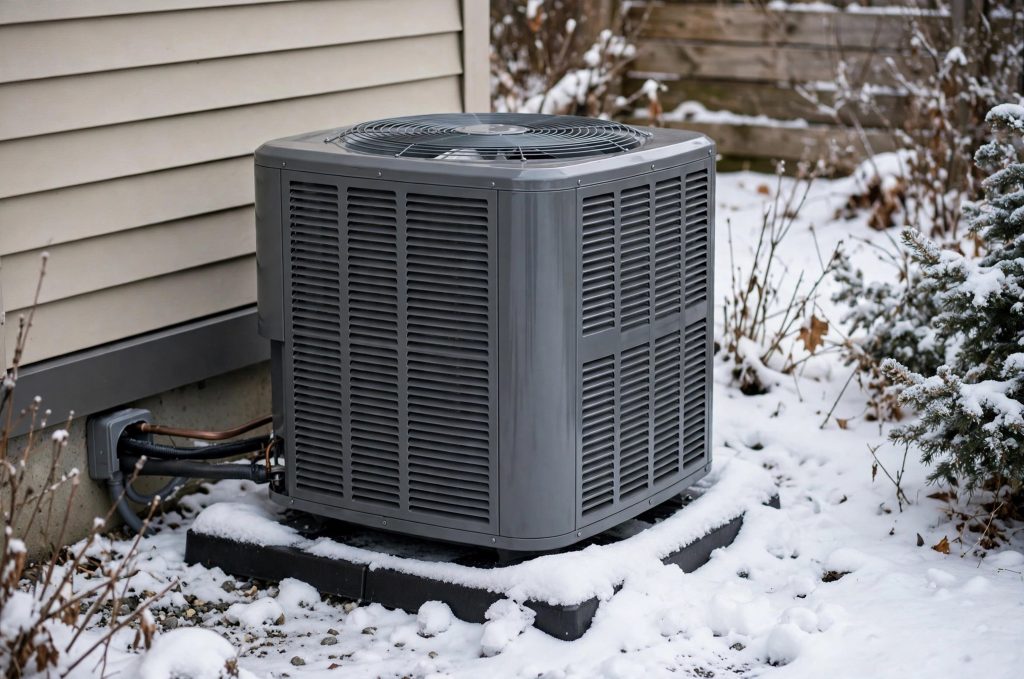
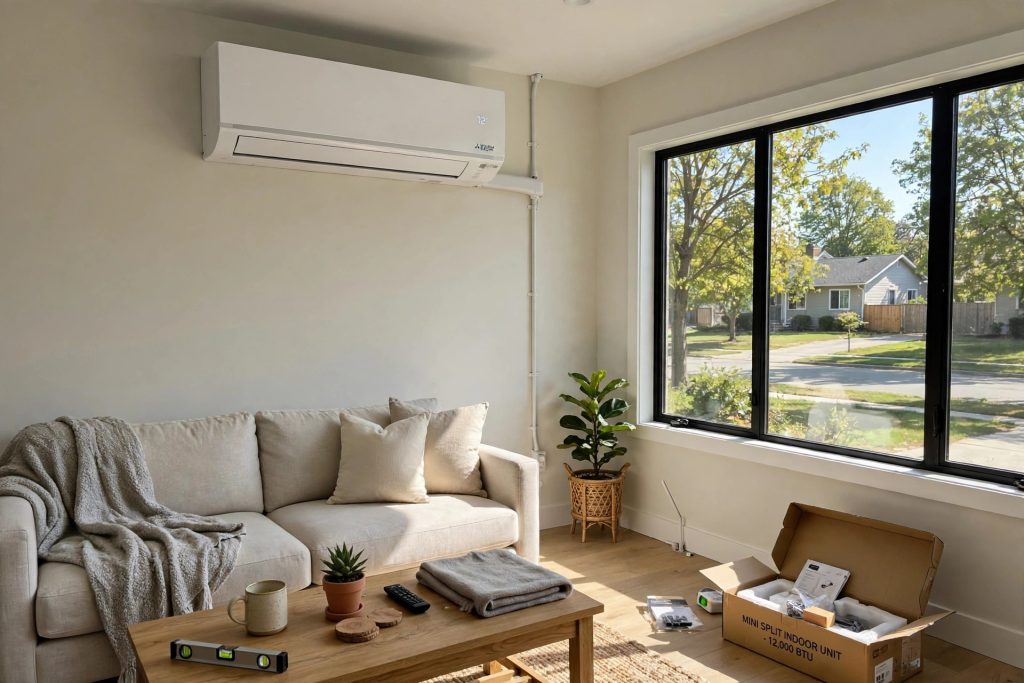
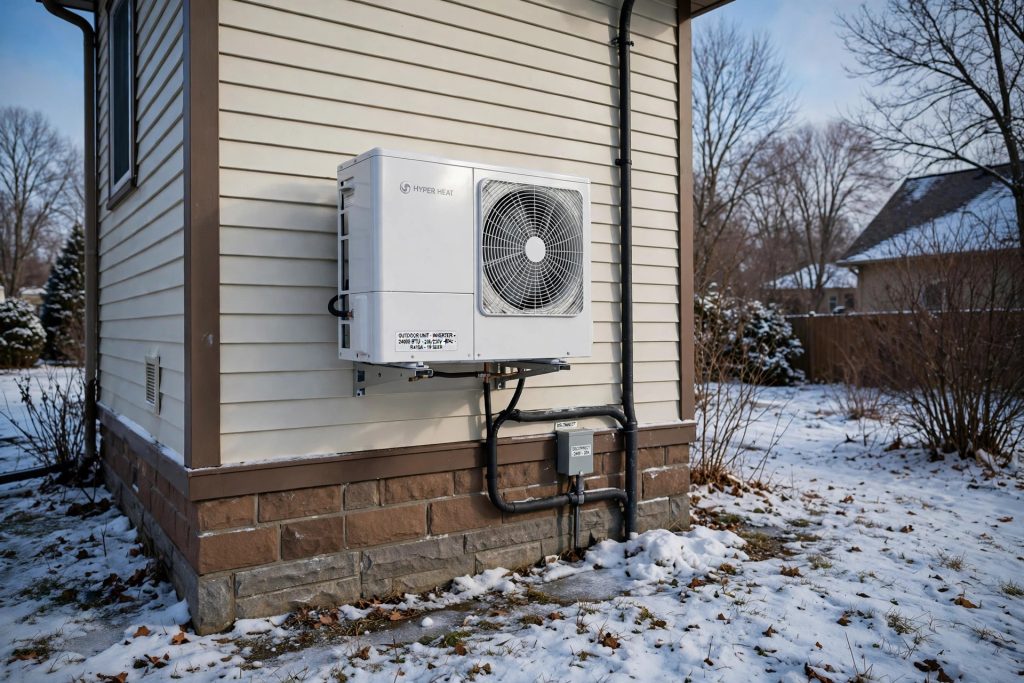
A heat pump is basically a refrigerator running in reverse. In summer it pulls heat out of your house and dumps it outside. In winter it pulls heat out of the outside air and pushes it inside. Yes, even cold air holds some heat. The refrigerant in the system can boil and absorb that heat at very low temperatures, and the compressor then squeezes it to a higher temperature before sending it indoors.
Because a heat pump moves heat instead of making it by burning fuel, it can deliver far more heat energy than the electricity it uses. Modern systems can be two to four times as efficient as electric resistance heat in mild weather. That is why so many homeowners choose them. But that efficiency comes with a trade-off in how the heat feels and how long the system runs.
The air coming out of your vents will not feel as hot as furnace air. A furnace might push out air at 130 or 140 degrees. A heat pump in cold weather might deliver air in the low 90s. That is still warmer than your skin, so it heats the house, but it feels lukewarm to your hand. To reach the thermostat setting with milder air, the system simply runs longer. Long cycles are the design, not a defect.
Cold-climate models are built to keep working well below freezing, and cold-climate heat pumps can keep homes warm even in harsh northern winters. Older myths said heat pumps quit when it gets truly cold. The technology has moved past that. But even the best unit works harder as the outdoor temperature falls, so expect longer run times on the coldest days.
Cold Weather Makes Long Runs Normal
Many homeowners find that heat pump runs constantly in winter is easier than they expected once they know the basics.
The key to heat pump runs constantly in winter is choosing the right approach for your space and budget.
Think of it this way. Your house loses heat to the outdoors all the time. The colder it gets outside, the faster the heat escapes through walls, windows, and the roof. Your heat pump has to replace that lost heat to hold the indoor temperature steady.
On a mild winter day, the heat loss is small. The pump replaces it quickly and rests. On a bitter day, the heat loss is large. The pump must run almost nonstop just to keep up. This is the same reason your car engine works harder going uphill. The load grew, so the effort grew.
This is also why installers and energy programs tell you to "let your heat pump run." Utility guidance from New York notes that heat pumps deliver slow, steady heat and work best when the thermostat holds a constant temperature. Big setbacks, where you drop the temperature far overnight and ask the system to climb back up in the morning, can force the pump into its expensive backup heat mode to catch up. A steady setting often costs less than a big swing, which surprises people used to furnaces.
So the first question to ask yourself is simple. Is the house comfortable? If the indoor temperature holds steady at your setting and the air from the vents is warm, the long run times are almost certainly normal winter behavior.
The Defrost Cycle: Why It Switches Modes
The key to heat pump runs constantly in winter is choosing the right approach for your space and budget.
With a little planning, heat pump runs constantly in winter can fit even a busy schedule.
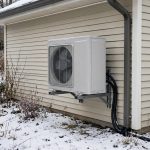
If you watch the outdoor unit on a damp, freezing day, you may notice something odd. Steam rises from it. The fan stops for a few minutes. The unit makes a whooshing sound. Then it starts back up. This is the defrost cycle, and it is supposed to happen.
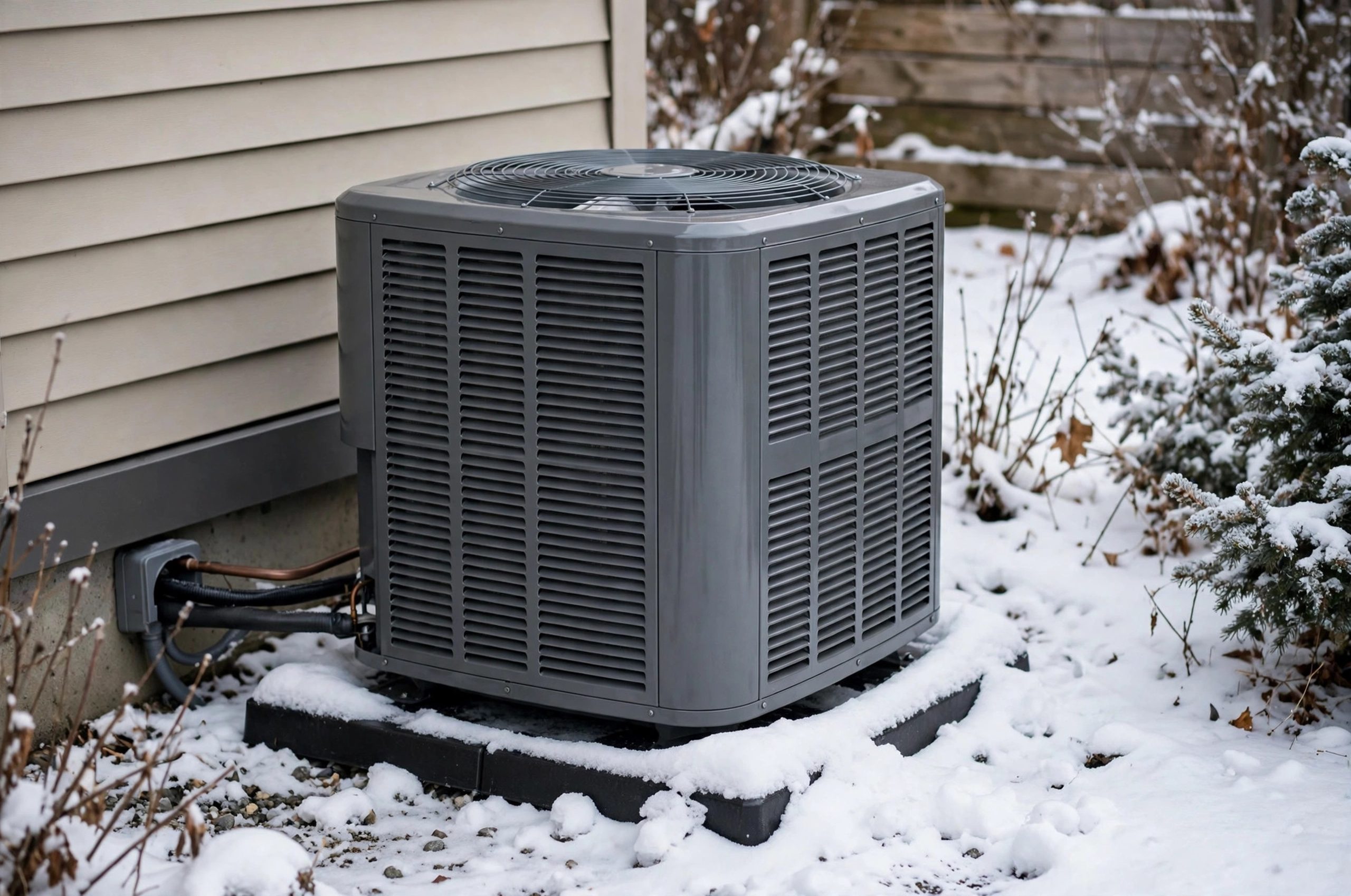
When a heat pump pulls heat from cold, moist air, frost builds up on the outdoor coil. A light coating is fine. But a thick layer of ice blocks airflow and hurts performance. To clear it, the system briefly reverses itself. It sends hot refrigerant to the outdoor coil to melt the frost, while the indoor backup heat keeps you comfortable. The defrost cycle is a normal part of winter operation, and steam rising from the outdoor unit during it is nothing to fear.
You may see the thermostat display switch to "aux heat" or "emergency heat" during defrost. That is the backup kicking in for a few minutes. It should switch back on its own. If the system seems stuck in backup mode for hours, that is a different story, and we will cover it below.
Frequent defrost cycles on very cold, damp days are normal. The unit is protecting itself. Only worry if the ice never clears, or if the outdoor coil stays buried in ice after the cycle runs.
When Constant Running Signals a Real Problem
With a little planning, heat pump runs constantly in winter can fit even a busy schedule.
Before you start, it helps to understand how heat pump runs constantly in winter works in real homes.
Normal long cycles keep the house warm. Problem running does not. Here are the signs that your always-on heat pump needs attention.
The house never reaches the set temperature. If the thermostat says 70 but the rooms sit at 64 all day, the system is running hard and losing the fight. Causes include low refrigerant, a failing compressor, or a unit sized too small for the home.
The backup heat runs all the time. Backup heat, whether electric strips or a gas furnace, costs much more to run than the heat pump itself. If your thermostat shows aux or emergency heat for hours on a mild day, something is wrong. Persistent freezing and nonstop backup heat often trace back to airflow restrictions, low refrigerant, or faulty defrost controls.
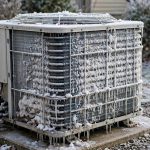
The outdoor unit is a block of ice. A thin frost that comes and goes is fine. A coil encased in thick ice that never melts is not. That points to a failed defrost control, a bad sensor, or low refrigerant. Step-by-step safe thawing starts with switching to emergency heat and clearing the area around the unit, but a unit that refreezes right away needs a technician.
Your electric bill jumps sharply. Heat pumps raise winter electric bills, since they replace gas or oil heat with electricity. But a sudden spike beyond the normal winter increase suggests the expensive backup heat is doing most of the work.
Short cycling mixed with long runs. A system that runs for hours, shuts off for two minutes, then starts again may have a thermostat problem or be low on refrigerant. That stop-start pattern is different from one long, steady run.
Weak airflow from the vents. If air barely trickles out, check the filter first. A clogged filter chokes the system and forces longer runs. Basic thawing and airflow checks can restore performance before you call for service.
Take your time to heat pump runs constantly in winter and the result will last.
Simple Checks Before You Call a Technician
Before you start, it helps to understand how heat pump runs constantly in winter works in real homes.
A good plan for heat pump runs constantly in winter saves time, money, and frustration.
Work through this list on a day when the unit seems to run too much. Most of these take only a few minutes.
Check the air filter. Pull it out and hold it up to the light. If you cannot see light through it, replace it. A dirty filter is the most common cause of poor heat pump performance, and it is the cheapest to fix. During heavy winter use, check it monthly.
Check the thermostat settings. Make sure the system is set to "Heat," not "Auto" or "Emergency Heat." Auto mode can flip between heating and cooling on odd winter days, and emergency heat locks out the efficient heat pump entirely. Running the heat pump in emergency heat mode by mistake is a common and costly error. If you recently changed the thermostat, confirm it is configured for a heat pump, since the wrong setting can run the backup heat far too often. Our guide to the best thermostat for a heat pump explains which features actually matter for these systems.
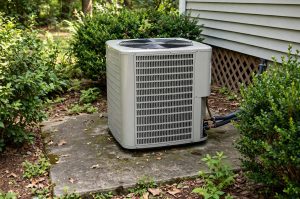
Clear the outdoor unit. Walk outside and look at the unit. Clear away snow drifts, leaves, and debris from all sides. Keep at least two feet of clear space around it. Do not pile snow against it when shoveling. The unit needs to breathe.
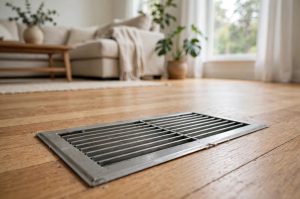
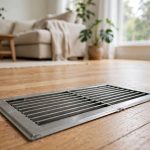
Check the supply vents indoors. Make sure furniture, rugs, and curtains are not blocking the registers. Closed or blocked vents in several rooms can unbalance the system and force longer runs.
Look at the outdoor coil. A light, even frost is normal in cold, damp weather. Thick ice covering the whole coil is not. If you see heavy ice, switch the thermostat to emergency heat to give the outdoor unit a rest, then call for service.
Note the outdoor temperature. Below about 25 to 30 degrees, many standard heat pumps lean on backup heat more often. If yours runs constantly at 10 degrees but cycles normally at 40 degrees, that pattern is normal. The system is simply working against a bigger temperature gap.
How to Help Your Heat Pump Work Less Hard
A good plan for heat pump runs constantly in winter saves time, money, and frustration.
For most people, heat pump runs constantly in winter comes down to a few smart choices.
You cannot change the weather, but you can cut the workload on the system. A house that holds its heat lets the pump rest more often.
Seal the obvious leaks. Feel around windows and doors on a windy day. Add weatherstripping where you feel drafts. Caulk gaps around the frame. These small fixes are cheap and they pay back fast, because every bit of heat that stays inside is heat the pump does not have to replace.
Keep up with filter changes. Mark it on the calendar. A clean filter protects the indoor coil, keeps airflow strong, and lets the system run shorter cycles. If you have pets or a dusty home, check the filter more often.
Hold a steady temperature. Resist the urge to crank the thermostat up and down. Pick a comfortable setting and leave it. Large setbacks can trigger the backup heat, which wipes out the savings you hoped to gain. If you like it cooler at night, lower the setting by only two or three degrees.
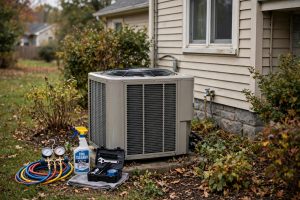
Schedule regular service. A yearly checkup keeps the system tuned. The technician will clean the coils, check the refrigerant charge, test the defrost controls, and tighten electrical connections. Regular maintenance is the best defense against mid-winter breakdowns. Our article on how often to service a furnace covers service timing that applies to heat pumps too.
Consider the age of the system. Heat pumps typically last 12 to 15 years with good care. An older unit that runs constantly, needs frequent repairs, and still leaves rooms chilly may be telling you it is time to plan a replacement. Newer cold-climate models run far better in deep cold than units built a decade ago. If you do replace, look into current rebates and tax credits, which our explainer on HVAC rebates breaks down in plain language. And if you are weighing a switch to gas, our look at high-efficiency furnace pros and cons can help you compare.
When to Call a Professional
For most people, heat pump runs constantly in winter comes down to a few smart choices.
If you are new to heat pump runs constantly in winter, start with the simplest option and build from there.
Call a licensed HVAC technician if you notice any of these:
- The house stays cold even though the system never stops.
- Thick ice covers the outdoor coil and does not clear.
- The backup or emergency heat runs for hours on a mild day.
- You hear grinding, screeching, or loud banging from the unit.
- The circuit breaker for the heat pump trips repeatedly.
- You smell burning or see smoke.
Do not try to chip ice off the coil with tools. The fins and refrigerant lines are delicate, and a puncture turns a service call into a major repair. Do not open the electrical panel on the unit. A safe first step is switching to emergency heat so the house stays warm, then letting a pro handle the outdoor unit.
The Bottom Line
If you are new to heat pump runs constantly in winter, start with the simplest option and build from there.
When it comes to heat pump runs constantly in winter, getting the details right makes all the difference.
A heat pump that runs for long stretches in winter is usually healthy. It heats with mild, steady air instead of short blasts, so long cycles are part of the design. Cold weather stretches those cycles further because the house loses heat faster.
Worry when the house will not warm up, when the backup heat never shuts off, when ice buries the outdoor coil, or when the electric bill spikes for no clear reason. Start with the simple checks: the filter, the thermostat mode, and the space around the outdoor unit. Many "problems" turn out to be a clogged filter or a thermostat set to emergency heat by mistake.
Treat the system kindly through the cold months. Keep it clean, keep it clear, hold a steady temperature, and get it serviced once a year. Do that, and the steady hum outside your window is just the sound of an efficient machine doing its job. With these steps, you can heat pump runs constantly in winter with confidence.
References
When it comes to heat pump runs constantly in winter, getting the details right makes all the difference.
Many homeowners find that heat pump runs constantly in winter is easier than they expected once they know the basics.
- Air Conditioner Lab. (n.d.). Heat pump freezing up? 8 simple fixes to try before calling the pros. https://airconditionerlab.com/heat-pump-freezing-up/
- Appliance Mastery. (n.d.). How to thaw a heat pump: Simple steps to restore your heating system efficiently. https://appliancemastery.com/how-to-thaw-a-heat-pump/
- Boyd, J. (n.d.). How to unfreeze heat pump: Simple steps to keep your home warm. https://medium.com/@jeffreyboyd2312/how-to-unfreeze-heat-pump-simple-steps-to-keep-your-home-warm-8f5268f05a3b
- Elephant Energy. (n.d.). Warming up to reality: Heat pump mythbusting. https://elephantenergy.com/blog//warming-up-to-reality-heat-pump-mythbusting
- Focus Heating and Cooling. (n.d.). Heat pump frozen? How to know and what to do. https://www.focusheatingandcooling.com/in-case-of-frozen-heat-pump/
- New York State Energy Research and Development Authority. (n.d.). Air source heat pump operating tips [Fact sheet]. https://www.nyserda.ny.gov/-/media/Project/Nyserda/Files/Publications/Fact-Sheets/CHC-CON-ASHP-op-fs-1-v1.pdf
- SlashGear. (n.d.). Don't believe this extremely common heat pump myth. https://www.slashgear.com/2049255/heat-pump-cold-weather-performance-myth/
- Volpe Service. (n.d.). Prevent and thaw frozen heat pumps in Parsippany. https://www.volpeservice.com/blog/prevent-and-thaw-frozen-heat-pump/
The key to heat pump runs constantly in winter is choosing the right approach for your space and budget.
With a little planning, heat pump runs constantly in winter can fit even a busy schedule.
Many homeowners find that heat pump runs constantly in winter is easier than they expected once they know the basics.
The key to heat pump runs constantly in winter is choosing the right approach for your space and budget.
With a little planning, heat pump runs constantly in winter can fit even a busy schedule.
Before you start, it helps to understand how heat pump runs constantly in winter works in real homes.
A good plan for heat pump runs constantly in winter saves time, money, and frustration.
Was this guide helpful?

About My Garden US
The My Garden US editorial team writes practical, in-depth home and garden guides for American homeowners — tested advice, no fluff.