---
Table of Contents
Table of Contents
- Keep Grilled Meat Warm for Guests: The Golden Rule: 140 Degrees
- Method 1: The Foil Tent (Up to 30 Minutes)
- Method 2: The Warm Oven (Up to 1 Hour)
- Method 3: The Cooler Trick (Up to 2 Hours)
- Method 4: The Grill Itself as a Warmer
- Method 5: Chafing Dishes and Warming Trays
- Keeping Meat Juicy While It Waits
- Planning the Cook Around the Guests
- What Not to Do
- Frequently Asked Questions
- References
Every grill cook knows the problem. The steaks are done, but the guests are not ready. Someone is still parking. The salad is not made. The kids need five more minutes. If you serve the meat now, it gets cold while you wait. If you leave it on the grill, it overcooks and dries out. This article explains how to keep grilled meat warm for guests in simple terms.
Keeping grilled meat warm is a skill, and it has two parts: holding the heat and staying safe. Meat held too cool grows bacteria. Meat held too hot keeps cooking and turns tough. This guide shows how to keep grilled meat warm for guests the right way, with methods for every situation from a weeknight dinner to a big backyard party.
Keep Grilled Meat Warm for Guests: The Golden Rule: 140 Degrees
When it comes to keep grilled meat warm for guests, getting the details right makes all the difference.
Many homeowners find that keep grilled meat warm for guests is easier than they expected once they know the basics.
Food safety comes first. The U.S. Department of Agriculture says hot food must be held at 140 degrees or above. Between 40 and 140 degrees is the danger zone, where bacteria multiply fast. Cooked meat should not sit in that zone for more than two hours, and only one hour if the air temperature is above 90 degrees. A food thermometer is the only reliable way to know where your food stands, since color and firmness can mislead (USDA).
Every method below aims at the same target: keep the meat above 140 degrees until it is served, and do not let it sit out longer than two hours total.
Method 1: The Foil Tent (Up to 30 Minutes)
Many homeowners find that keep grilled meat warm for guests is easier than they expected once they know the basics.
The key to keep grilled meat warm for guests is choosing the right approach for your space and budget.
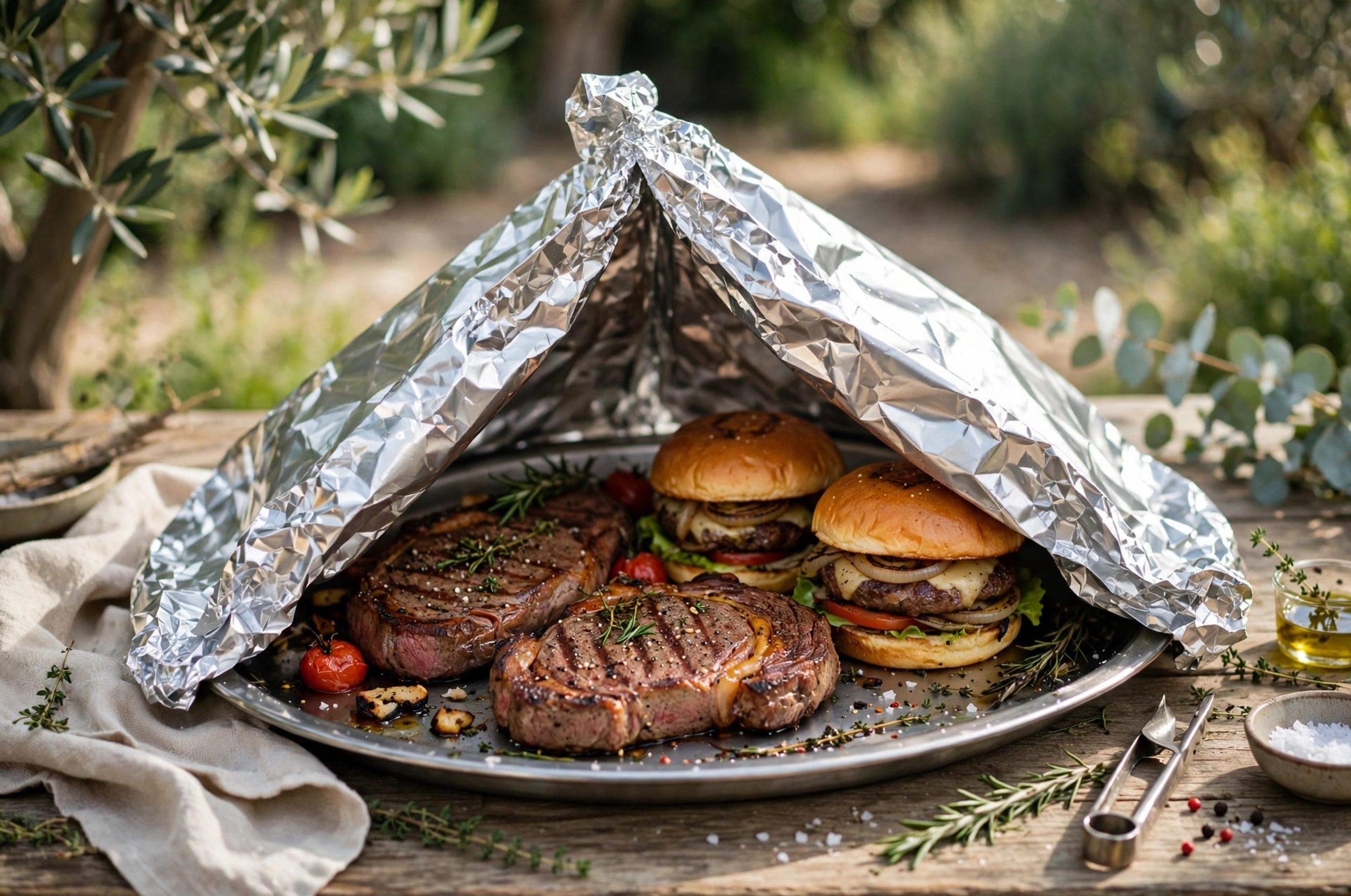
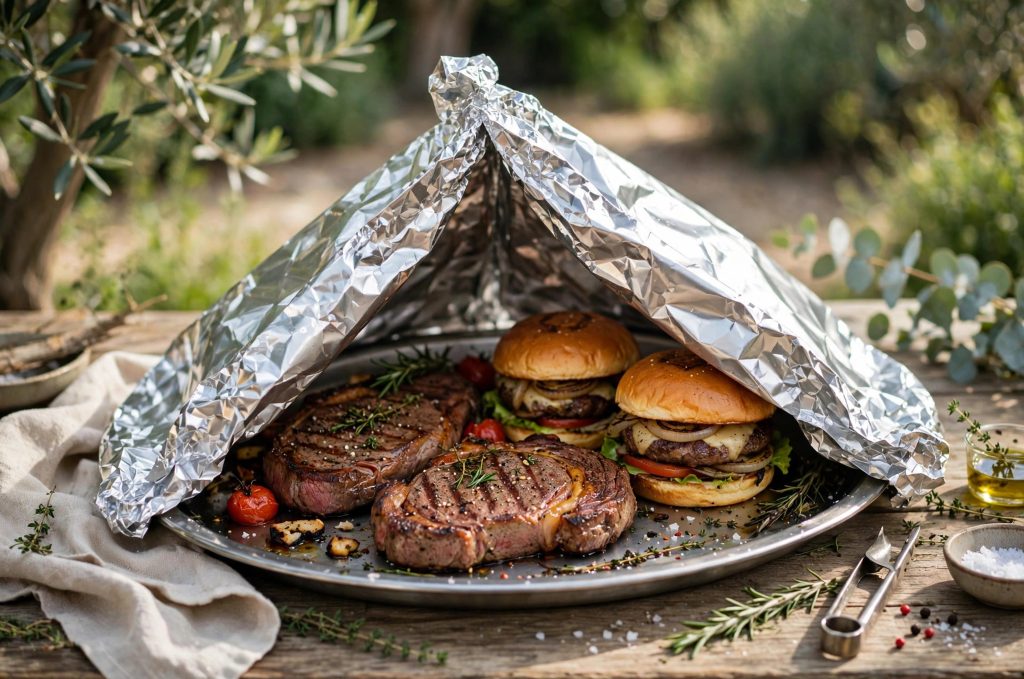
The simplest method is also one of the best. Move the meat to a clean platter, tent it loosely with aluminum foil, and let it rest. The foil traps heat and steam, keeping the meat warm while the juices settle back into the fibers. Resting is not just a holding trick. It makes the meat juicier.
Tent, do not wrap tight. A tight wrap traps too much steam and softens the crust you worked to build. A loose tent holds heat while letting a little steam escape. For steaks, chops, and chicken pieces, a foil tent buys you 20 to 30 minutes of safe, warm holding. Grilling guides list foil tenting as the go-to method for short holds, since it holds temperature without drying the surface (Grilling Dude).
Method 2: The Warm Oven (Up to 1 Hour)
The key to keep grilled meat warm for guests is choosing the right approach for your space and budget.
With a little planning, keep grilled meat warm for guests can fit even a busy schedule.
For longer holds, the oven is your friend. Set it to its lowest temperature, around 170 to 200 degrees. Place the meat on a platter or sheet pan, tent it with foil, and slide it in. The gentle heat holds the meat safely above 140 degrees without cooking it further.
This method works well for big cuts: brisket, pork shoulder, whole chickens, and racks of ribs. One caution: the oven will keep cooking the meat slowly. Pull the meat off the grill a few degrees earlier than your target doneness to account for this. For steaks and burgers, the oven is fine for 30 to 45 minutes, but much longer and the texture suffers. Food safety educators note that cooked meat can be held hot in an oven set near 200 degrees, in a chafing dish, or in a slow cooker (The Pig Site).
Method 3: The Cooler Trick (Up to 2 Hours)
With a little planning, keep grilled meat warm for guests can fit even a busy schedule.
Before you start, it helps to understand how keep grilled meat warm for guests works in real homes.
It sounds strange, but a clean insulated cooler is one of the best meat holders there is. Wrap the meat in foil, then in old towels, and place it in a pre-warmed cooler. Fill any empty space with more towels. Close the lid and do not open it.
The insulation holds heat remarkably well. Barbecue cooks use this method to hold briskets and pork shoulders for two hours or more. The meat stays above 140 degrees and the long rest makes large cuts more tender. This is the method competition cooks rely on between the smoker and the serving table (Easy Healthy Foods).
Pre-warm the cooler by filling it with hot water for a few minutes, then emptying and drying it. A cold cooler will steal heat from the meat in the first half hour.
Method 4: The Grill Itself as a Warmer
Before you start, it helps to understand how keep grilled meat warm for guests works in real homes.
A good plan for keep grilled meat warm for guests saves time, money, and frustration.
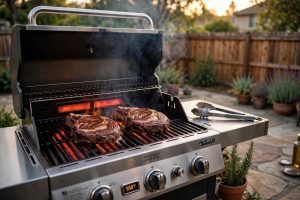
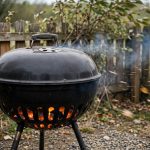
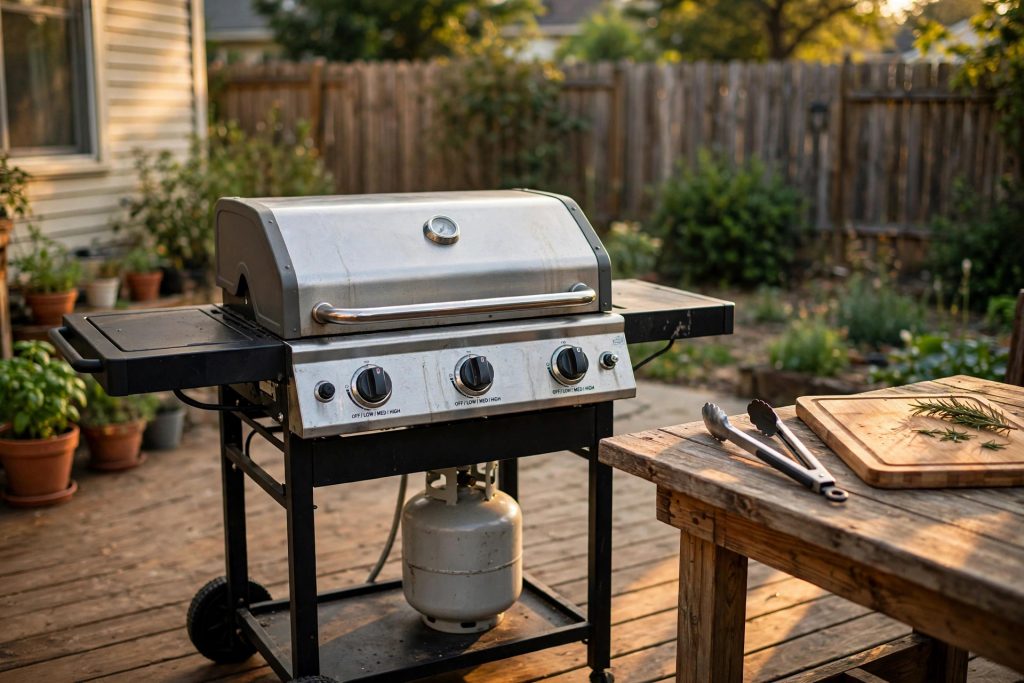
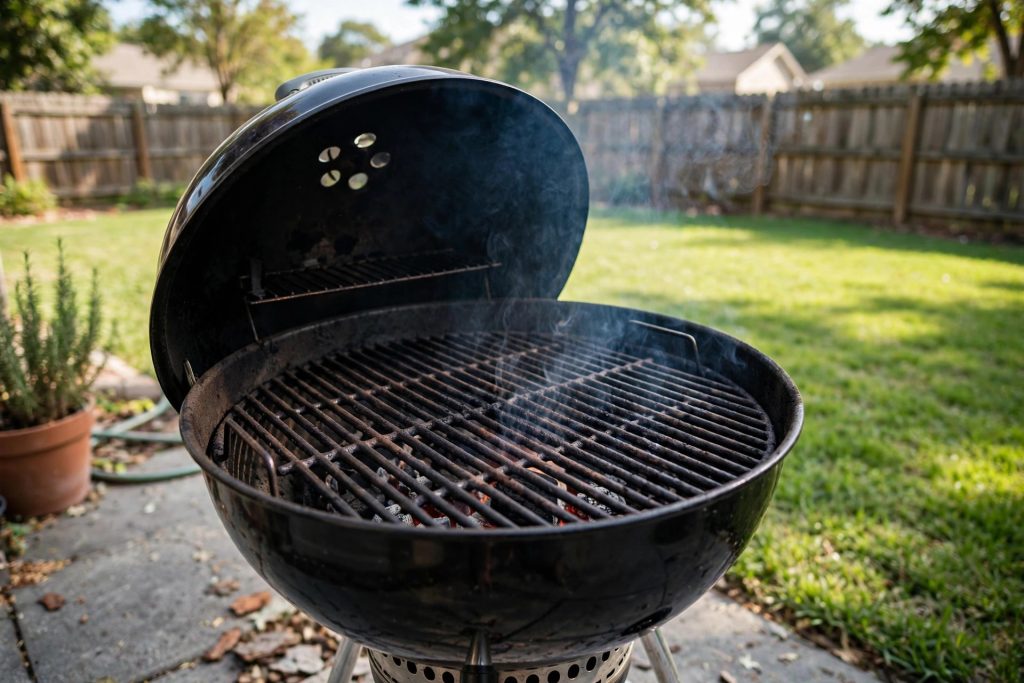
Your grill can double as a warming station. On a gas grill, turn off one side and leave the other on low. Move finished meat to the cool side and close the lid. On a charcoal grill, bank the coals to one side and hold the meat on the other. The indirect heat keeps food warm without direct flame cooking it further.
This is the method extension services recommend for cookouts: move cooked meat to the side of the grill rack, away from the coals, where it stays hot but does not overcook. It works best when you are still grilling in batches and need somewhere to park the finished pieces. Check the temperature now and then with a thermometer so the holding heat stays in the safe zone (Penn State Extension).
Method 5: Chafing Dishes and Warming Trays
A good plan for keep grilled meat warm for guests saves time, money, and frustration.
For most people, keep grilled meat warm for guests comes down to a few smart choices.
For buffet-style parties, chafing dishes and electric warming trays are the classic answer. They hold full pans of food above 140 degrees for hours. Fill the chafing dish water pan with hot water, light the fuel cans, and set the food pan on top. For sliced meats and pulled pork, this is the most practical way to serve a crowd over a long afternoon.
Slow cookers set to warm also work for pulled pork, shredded chicken, and meatballs. Add a splash of broth or sauce to keep the meat moist during a long hold.
Keeping Meat Juicy While It Waits
For most people, keep grilled meat warm for guests comes down to a few smart choices.
Heat is only half the battle. The other half is moisture. A few habits keep held meat juicy.
Rest meat before holding it. Five to ten minutes for steaks and chops, longer for big cuts. Resting lets juices redistribute instead of running out when the meat is sliced.
Save the juices. When meat rests on a platter, it releases juice. Pour that juice back over sliced meat before serving. For pulled pork, mix the resting juices back into the meat.
Do not slice until serving time. A whole steak holds heat and moisture far better than sliced steak. Slice at the last minute and the meat will be noticeably juicier.
Use a thermometer, not guesswork. Check the internal temperature of held meat now and then, especially on long holds. If the temperature is sliding toward 140, it is time to serve or move the meat to a hotter holding method. The University of Minnesota Extension puts it simply: check temperatures every time, because color and texture cannot tell you if food is safe (University of Minnesota Extension).
Planning the Cook Around the Guests
If you are new to keep grilled meat warm for guests, start with the simplest option and build from there.
The best holding method is needing less of it. A little planning cuts holding time down.
Stagger the cook. Start with foods that hold well, like ribs, sausages, and chicken thighs, and finish with steaks and burgers that are best served right off the grill. Tell guests a serving time and aim the last batch to land on it.
Keep sides warm separately. A warm oven, a slow cooker, or an insulated carrier keeps sides hot while the grill handles the meat. Serving everything hot at once is easier when each dish has its own heat source. Insulated serving dishes designed for cookouts can hold food above 140 degrees for a couple of hours with no power at all (Host Modern).
Have a clean platter ready before the meat comes off. One of the most common food safety mistakes is putting cooked meat back on the plate that held it raw. Set out a fresh platter and fresh tongs before you start grilling (Food Poisoning News).
For steaks specifically, a short hold in a warm oven works well. Wrap the steak in foil and hold it at low oven heat, but plan to serve within the hour for the best texture (Shun Grill).
What Not to Do
When it comes to keep grilled meat warm for guests, getting the details right makes all the difference.
Do not hold meat in a turned-off oven with the door closed and no heat. The temperature drops into the danger zone faster than you think. Do not wrap meat in a damp towel at room temperature. Do not leave the platter in the sun thinking the sun will keep it warm. And do not taste-test the two-hour rule. When in doubt, throw it out.
For more on serving a crowd, see our BBQ guide for family reunions and our pick of the best BBQ gloves for handling hot meat. If you are still at the grill, our guide to smoking lamb on a charcoal grill covers resting large cuts in detail.
Frequently Asked Questions
Many homeowners find that keep grilled meat warm for guests is easier than they expected once they know the basics.
How long can I keep grilled meat warm? Up to two hours, as long as it stays above 140 degrees. In air temperatures above 90 degrees, the limit is one hour.
Does tenting with foil overcook the meat? A loose tent adds very little cooking. Pull the meat a few degrees early if you plan a long hold, and it will coast to the right doneness while it rests.
Can I keep meat warm in a cooler? Yes. Wrap it in foil and towels, pre-warm the cooler, and keep the lid closed. It will hold above 140 degrees for up to two hours.
Is it safe to reheat meat that cooled down? If meat spent more than two hours below 140 degrees, throw it out. Reheating cannot make it safe again. That is all it takes to keep grilled meat warm for guests with confidence.
References
Easy Healthy Foods. (n.d.). Mastering BBQ: Tips and techniques for keeping your barbecue food warm. https://easyhealthyfoods.com/how-to-keep-bbq-food-warm/
Food Poisoning News. (n.d.). How to properly and safely use a food thermometer. https://www.foodpoisoningnews.com/how-to-properly-and-safely-use-a-food-thermometer/
Grilling Dude. (n.d.). How to keep grilled food warm safely: Expert tips for perfect BBQ. https://grillingdude.com/how-to-keep-grilled-food-warm-safely/
Host Modern. (n.d.). How to keep grilled food warm: Grill to table. https://hostmodern.co/pages/keep-grilled-food-warm
Penn State Extension. (n.d.). Checking food temperatures. https://extension.psu.edu/checking-food-temperatures
Shun Grill. (n.d.). Keeping grilled steak warm: Tips and tricks. https://shungrill.com/article/how-to-keep-grilled-steak-warm
The Pig Site. (n.d.). Expert shares tips for food safety at cookouts and potlucks. https://www.thepigsite.com/articles/expert-shares-tips-for-food-safety-at-cookouts-and-potlucks
University of Minnesota Extension. (n.d.). How to use food and refrigerator thermometers. https://extension.umn.edu/preserving-and-preparing/food-thermometers
U.S. Department of Agriculture. (n.d.). Cooking meat: Is it done yet? https://Www.Usda.Gov/about-usda/news/blog/cooking-meat-it-done-yet
Was this guide helpful?

About My Garden US
The My Garden US editorial team writes practical, in-depth home and garden guides for American homeowners — tested advice, no fluff.