---
Table of Contents
Table of Contents
- Clean Textured Tile Floors: What Counts as Textured Tile
- Step 1: Sweep in Two Directions
- Step 2: Choose the Right Cleaner
- Step 3: Scrub With a Brush, Not Just a Mop
- Step 4: Rinse Thoroughly
- Step 5: Dry the Floor
- Dealing With Grout on Textured Floors
- Maintenance Schedule
- Mistakes That Ruin Textured Tile
- Choosing Textured Tile for Wet Areas
- Renting Equipment for Large Areas
- References
Textured tile looks great and grips well underfoot. That is why it shows up in kitchens, bathrooms, entries, and anywhere a slip-resistant floor matters. But the same ridges and grooves that give you traction also trap dirt. A regular mop glides over the high spots and leaves the valleys dirty. Over time the floor looks dull no matter how often you mop. If you want to clean textured tile floors, start with the basics below.
Cleaning textured tile is not hard. It just takes a different technique than smooth tile. Sweep in two directions. Scrub with a brush, not just a mop. Rinse thoroughly so no soap stays in the texture. Do those three things and the floor stays sharp.
Clean Textured Tile Floors: What Counts as Textured Tile
When it comes to clean textured tile floors, getting the details right makes all the difference.
When it comes to clean textured tile floors, getting the details right makes all the difference.
Many homeowners find that clean textured tile floors is easier than they expected once they know the basics.
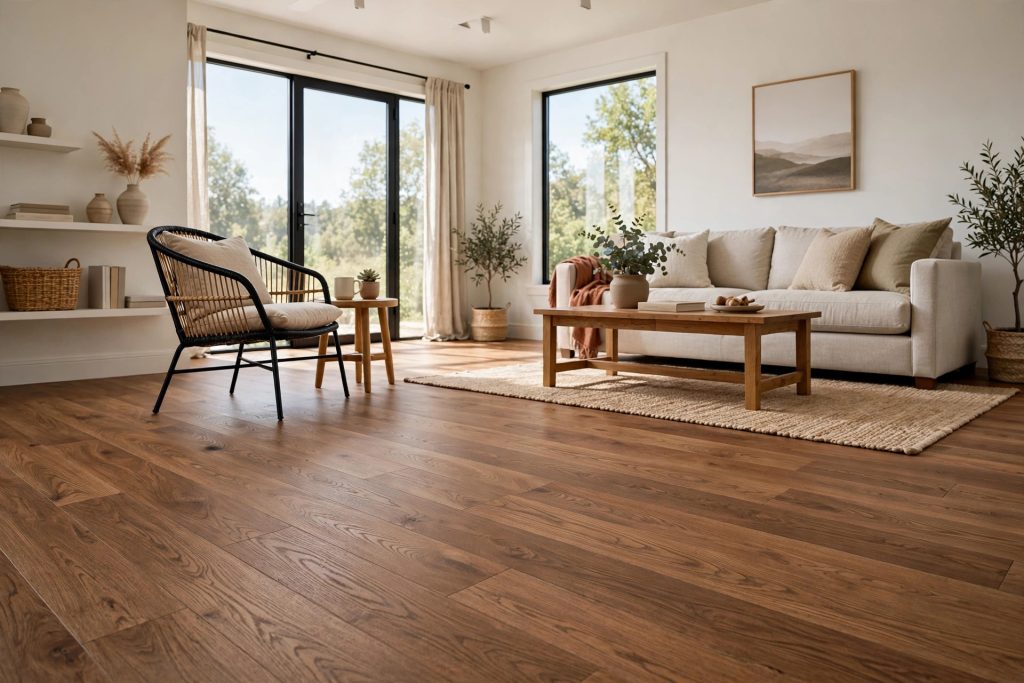
Textured tile is any tile whose surface is not fully smooth. That covers a lot of ground. Wood-look porcelain planks have an embossed grain. Slate-look tiles have clefts and ridges. Tumbled stone has soft pits and rounded edges. Matte ceramic can have a fine orange-peel texture. Anti-slip commercial tiles have aggressive grit.
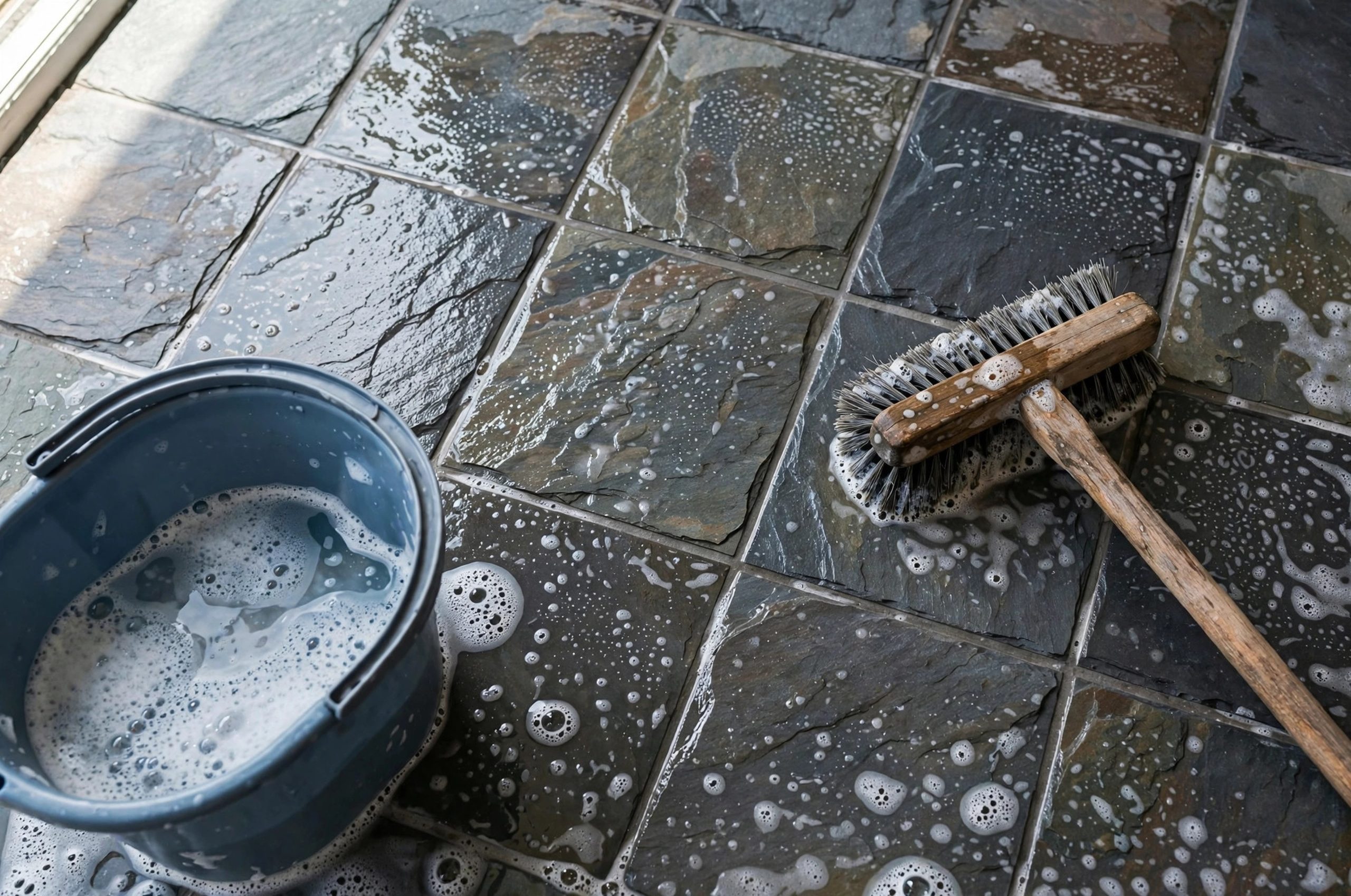
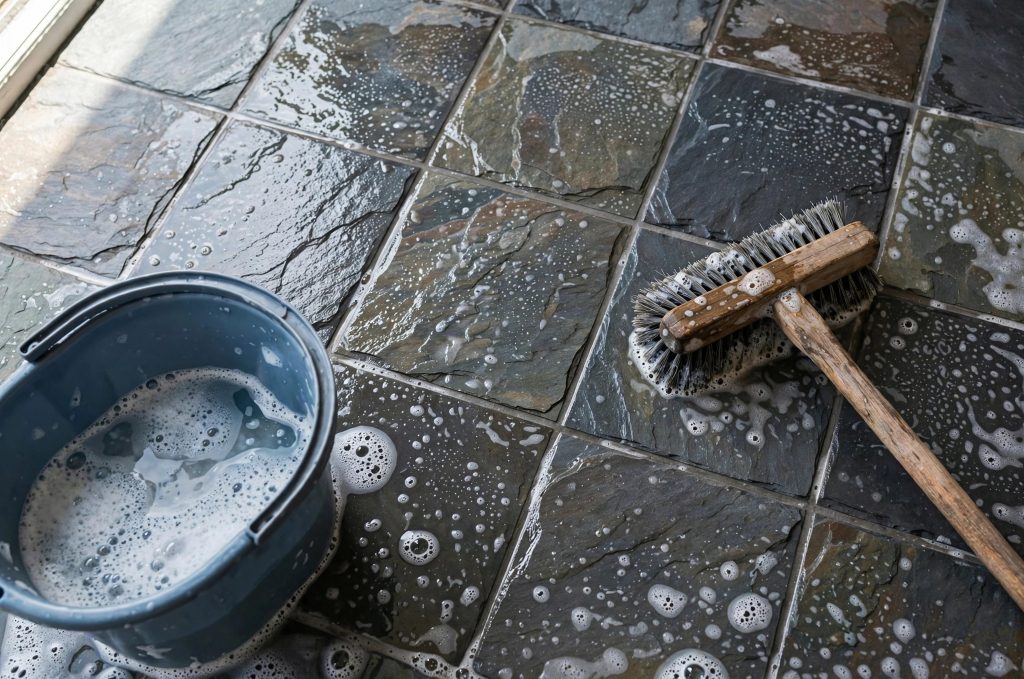
All of these share the same cleaning challenge. Dirt settles into the low spots where mops cannot reach. Tilemart's textured tile guide explains that a smooth wet mop tends to push debris around on textured surfaces instead of lifting it out, which is why the method has to change.
Step 1: Sweep in Two Directions
Many homeowners find that clean textured tile floors is easier than they expected once they know the basics.
Many homeowners find that clean textured tile floors is easier than they expected once they know the basics.
The key to clean textured tile floors is choosing the right approach for your space and budget.
Standard sweeping misses dirt hiding in tile texture. The fix is simple. Sweep the floor in one direction first, then turn and sweep across it in the opposite direction. This cross-hatch pattern knocks dust out of the grooves from every angle.
Use a soft-bristle broom with flared bristles that reach into the texture. A vacuum with a hard-floor setting and a brush attachment works too. Turn off the beater bar. For grout lines and deep ridges, the crevice tool pulls out what the broom leaves behind.
Do this dry step thoroughly. Any grit left on the floor turns into mud the moment you add water, and muddy water settles right back into the texture. A porcelain tile cleaning guide recommends this two-direction sweep as the foundation of the whole routine.
Step 2: Choose the Right Cleaner
The key to clean textured tile floors is choosing the right approach for your space and budget.
With a little planning, clean textured tile floors can fit even a busy schedule.
Use a pH-neutral cleaner made for tile. These cleaners lift dirt without leaving residue and without attacking the tile finish or the grout. Mix per the label. More product does not mean more clean. It means more residue.
For greasy kitchen floors, a mild alkaline degreaser in the pH 8 to 9 range cuts through cooking film better than a neutral cleaner. Let it dwell for about five minutes before scrubbing. Do not use acidic cleaners on natural stone textures. Acids etch marble, travertine, and limestone.
Avoid the usual suspects. Bleach discolors grout and can damage some finishes. Abrasive powders scratch glaze. Oil soaps leave a film that grabs dirt. A textured tile cleaning reference warns that harsh chemicals can strip the finish and cause discoloration, and advises testing any new product in a hidden spot first.
Step 3: Scrub With a Brush, Not Just a Mop
With a little planning, clean textured tile floors can fit even a busy schedule.
Before you start, it helps to understand how clean textured tile floors works in real homes.
This is the step most people skip, and it is the whole secret. A flat mop cannot reach into texture valleys. A brush can.
Use a soft to medium-bristle deck brush or a long-handled scrub brush. Work the cleaning solution into the tile with overlapping strokes, going with the texture pattern first and then across it. The bristles flex into the grooves and lift out the packed dirt. For small areas, a hand scrub brush gives you more control.
Let the cleaner sit for five to ten minutes before you scrub. Dwell time does half the work for you. The solution softens the grime so the brush moves it easily. A step-by-step textured ceramic guide lays out this soak-then-scrub order and notes that clearing the area of furniture first makes the job far faster.
Do not use steel wool or stiff wire brushes. They scratch glaze and can leave rust particles in the grout.
Step 4: Rinse Thoroughly
Before you start, it helps to understand how clean textured tile floors works in real homes.
Textured tile holds onto soap. If you do not rinse well, the residue dries in the grooves and attracts new dirt faster than before. The floor looks dirty again within days.
Rinse with clean water. A wet vacuum or extraction machine is ideal because it pulls the dirty water out of the texture instead of pushing it around. If you do not have one, mop with fresh water, changing it often. Go over the floor twice with clean water to be sure.
This double-rinse matters more on textured tile than on any other floor type. Flooring care roundups list the double rinse as a best practice specifically for textured and patterned tile.
Step 5: Dry the Floor
A good plan for clean textured tile floors saves time, money, and frustration.
Do not leave textured tile to air-dry in puddles. Water sitting in the low spots leaves mineral marks and can work into grout. Towel-dry the floor with clean microfiber towels, or run a dry mop over it to pull water out of the texture.
Drying also lets you inspect your work. Walk the floor in socks when it is dry. If sections still feel gritty or look dull, those spots need another scrub, not another mop.
Dealing With Grout on Textured Floors
For most people, clean textured tile floors comes down to a few smart choices.
Textured tile usually means more visible grout, and the grout gets just as dirty as the tile. Scrub grout lines with a grout brush or an old toothbrush while the cleaner dwells. Work along the lines, not across them, to avoid grinding dirt into the tile edges.
For stained grout, a baking soda and hydrogen peroxide paste left for ten minutes before scrubbing brightens most discoloration. Rinse well. When the grout is clean and fully dry, seal it. Sealed grout resists the grease and dirt that textured kitchen floors collect. The grout sealer guide and grout cleaner reviews cover products and methods in detail.
Maintenance Schedule
If you are new to clean textured tile floors, start with the simplest option and build from there.
Daily: sweep or dust-mop high-traffic areas. Kitchens and entries collect grit fast.
Weekly: two-direction sweep or vacuum the whole floor, then damp-mop with a pH-neutral cleaner. Spot-scrub any sticky or stained areas with the brush.
Monthly: full scrub with the deck brush, double rinse, and towel dry. This is the deep clean that keeps the texture from packing up with grime.
Seasonally: inspect grout and reseal if water no longer beads on the lines. Check for cracked or loose tiles while you are at it.
This schedule sounds like a lot, but the weekly pass takes minutes once the monthly deep clean keeps buildup from accumulating. A ceramic and porcelain deep-cleaning reference suggests deep-cleaning textured tile monthly in busy kitchens, which matches what most homeowners find works.
Mistakes That Ruin Textured Tile
When it comes to clean textured tile floors, getting the details right makes all the difference.
Mopping with dirty water is the top offender. It deposits a thin film of grime evenly across the texture. Change the water often.
Using too much cleaner leaves residue in the grooves. Measure the product. More is not better.
Scrubbing with abrasive pads wears down anti-slip treatments and scratches glaze. Stick to soft and medium bristles.
Letting spills sit stains both tile and grout. Wipe up kitchen spills promptly, especially anything acidic or brightly colored.
Steam mops can be useful on textured tile since the heat loosens grime in grooves, but use them carefully on natural stone and never as a substitute for rinsing. Manufacturer care sheets recommend a medium-bristle brush for textured surfaces along with thorough rinsing, which remains the safest universal method.
Choosing Textured Tile for Wet Areas
If you are selecting tile for a bathroom, laundry room, or covered porch, texture is your friend for slip resistance. Wood-look porcelain gives you texture with easy maintenance. Natural stone looks rich but needs sealing and gentler cleaners.
For outdoor-adjacent spaces, the three-season porch flooring guide compares options that handle moisture and temperature swings. For the modern look, the concrete-look tile guide covers textured concrete styles. And for the grout that comes with any tile floor, the kitchen grout cleaning tips keep the lines as clean as the tile.
Renting Equipment for Large Areas
For big rooms, hand scrubbing gets old fast. A rented single-disc floor machine with a soft brush attachment scrubs textured tile far faster than a deck brush, and a wet vacuum pickup leaves the floor nearly dry. Rental shops carry both, and a weekend rental costs less than hiring the job out.
Use the machine the same way you would a brush. Apply the cleaning solution, let it dwell, scrub one section at a time, and extract the dirty water. Keep the machine moving so the brush never sits in one spot. Rinse after, just as you would by hand. For most homes, though, the brush, bucket, and rinse routine in this guide is all you need. A little care goes a long way when you clean textured tile floors.
References
CleaningTuts. (n.d.). How to clean ceramic and porcelain tile floors? https://cleaningtuts.com/how-to-clean-ceramic-and-porcelain-tile-floors/
CleaNESTOR. (n.d.). How to clean textured ceramic tile floors. https://cleanestor.com/how-to-clean-textured-ceramic-tile-floors/
Coohom. (n.d.). How to clean kitchen tile floor with grout: Expert tips. https://www.coohom.com/article/how-to-clean-kitchen-tile-floor-with-grout-expert-tips
FlooringClarity. (n.d.). How do you clean tile floors: Best methods, products, and tips for every tile type. https://www.flooringclarity.com/how-do-you-clean-tile-floors/
Krasivo Cleaning. (n.d.). How to clean textured tile floors. https://krasivocleaning.com/how-to-clean-textured-tile-floors/
Lowe's. (n.d.). Care and maintenance guide for tile. http://pdf.lowes.com/useandcareguides/759147899489_use.pdf
Oh So Spotless. (n.d.). How to clean porcelain tile floors: Glazed and unglazed. https://ohsospotless.com/how-to-clean-porcelain-tile-floors/
Tilemart. (n.d.). How to clean textured tile floors correctly. https://tilemart.com/blogs/inspiration/how-to-clean-textured-tile-floors-correctly
Was this guide helpful?

About My Garden US
The My Garden US editorial team writes practical, in-depth home and garden guides for American homeowners — tested advice, no fluff.
You May Also Like

Brick Paver Driveway Cost Per Square Foot: A Plain Guide for Homeowners
July 9, 2026 15 views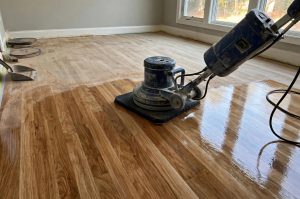
How to Refinish Engineered Hardwood Floors at Home
October 29, 2026 10 views
Laminate vs Vinyl Plank Flooring Comparison
April 28, 2026 22 views