Adzuki beans are the small red beans behind sweet red-bean paste, the filling in Japanese and Chinese desserts. They are also simply good beans: quick to cook, nutty, and productive in a home garden. Learning how to grow adzuki beans is straightforward, because the plant is a compact bush bean that asks for sun, warm soil, and a long enough season to dry down.
Table of Contents
Table of Contents
Unlike pole beans, adzuki grows as a bush, so there is no trellis to build. The plants stay knee-high, flower prettily, and set clusters of slender pods. A modest row can fill several jars with dry beans, and the plants improve your soil as they grow, fixing nitrogen the way all legumes do.

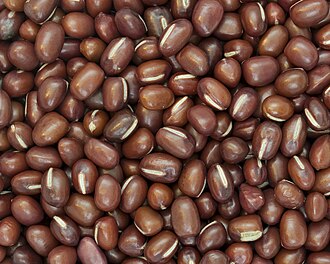
Photo: Wikimedia Commons
Quick facts: Sun: full sun. Soil: well-drained, average. Water: moderate; avoid wet foliage. Sow seeds 1 inch deep, 4 inches apart. Days to maturity: 90 to 120. Warm-season annual; needs 90 or more frost-free days.
Choosing a Variety and Getting Started
When it comes to how to grow adzuki beans, getting the details right makes all the difference.

Many homeowners find that how to grow adzuki beans is easier than they expected once they know the basics.
Adzuki seed is sold by heirloom and Asian vegetable suppliers, usually just as adzuki or azuki. There are red, black, and mottled types, but red is the classic. Buy fresh seed each year or two; bean seed stays viable for several years in cool, dry storage, but fresh seed germinates fastest. In short-season areas, choose the earliest variety the supplier offers.
Adzuki needs warm soil to germinate, so do not rush planting. This is the single most common mistake. Seeds sown into cold, wet ground rot instead of sprouting. Wait until the soil is genuinely warm. Before the season, check your USDA zone planting dates on the planting calendar and count your frost-free days; adzuki needs at least 90 to mature dry beans.
If you have grown green beans or lima beans, the routine is familiar, minus the trellis. Peas share the nitrogen-fixing habit that makes all these legumes such good garden citizens.
When and How to Plant
Many homeowners find that how to grow adzuki beans is easier than they expected once they know the basics.
The key to how to grow adzuki beans is choosing the right approach for your space and budget.
Direct sow adzuki about two weeks after your last spring frost, once frost risk has passed and the soil is warming. The seeds want warm soil, warmer than peas or fava beans would tolerate. If you are unsure, wait a few more days. Late planting in warm soil beats early planting in cold soil every time.
Sow the seeds 1 inch deep and 3 to 4 inches apart in rows 18 to 24 inches apart. Cover, firm the soil, and water gently. Seedlings emerge in about a week in warm weather. Thin to the strongest plants if they come up too thick; crowded bush beans stay damp and invite disease. The Old Farmer's Almanac planting calendar can help you nail the sowing date for your area.
Because beans fix their own nitrogen, skip heavy feeding at planting. A little compost worked into the row is plenty. Too much nitrogen grows leafy plants with fewer pods, which is a waste of a good bean row.
Soil and Sun
The key to how to grow adzuki beans is choosing the right approach for your space and budget.
With a little planning, how to grow adzuki beans can fit even a busy schedule.
Give adzuki full sun and well-drained, average soil. It is not demanding about fertility; average garden soil suits it fine. What it dislikes is waterlogged ground and cold, heavy clay that stays wet in spring. If your soil drains slowly, plant in a raised bed or on a low ridge.
A near-neutral pH suits beans best. In very acidic soil, a light liming based on a soil test helps the nitrogen-fixing bacteria do their work. In ground where beans have never grown, inoculating the seed with the appropriate rhizobium inoculant boosts nitrogen fixation. It is a simple step: moisten the seeds, roll them in the powder, and plant immediately. Bean-growing basics from the Clemson Home & Garden Information Center cover this well.
You can look up adzuki's background under Vigna angularis in the USDA PLANTS Database. The University of Minnesota Extension also publishes solid guidance on growing dry beans in home gardens.
Watering and Feeding
With a little planning, how to grow adzuki beans can fit even a busy schedule.
Before you start, it helps to understand how how to grow adzuki beans works in real homes.
Water at flowering and pod fill, the two moments when the plants are most sensitive to drought. A dry spell during bloom drops flowers; drought during pod fill gives you flat, half-filled pods. Between those stages, normal rainfall plus occasional deep watering suffices. Avoid wetting the foliage late in the day, since damp leaves overnight invite disease.
Once the pods start drying down, ease off the water. The plants need to dry, and continued irrigation delays maturity and can sprout seeds inside the pods in wet weather. This dry-down is the final stage of the crop, and fighting it with the hose only hurts.
Feed nothing beyond the initial compost. Beans make their own nitrogen, and extra fertilizer is at best wasted and at worst counterproductive. If the plants are deep green and flowering well, they are feeding themselves.
Care Through the Season
Before you start, it helps to understand how how to grow adzuki beans works in real homes.
A good plan for how to grow adzuki beans saves time, money, and frustration.
Weed early. Young bean plants are poor competitors, and weeds steal water at exactly the wrong time. Once the bushes fill in and shade the row, weeds give up. A shallow hoeing in the first few weeks, careful not to damage the shallow roots, is usually enough.
Watch for Mexican bean beetles, which skeletonize the leaves, leaving lacy brown skeletons. Handpick beetles and crush the yellow egg masses on leaf undersides. Aphids sometimes cluster on shoot tips; a strong jet of water dislodges them. Row cover over young plants excludes beetles early, when the plants are most vulnerable.
Let the pods mature fully on the plant for dry beans. This is a dry-bean crop, not a snap-bean crop. Resist the urge to pick early. The plants will look increasingly ragged as they dry down; that is normal and good. Background on dry bean production is available through the USDA National Agricultural Library.
Harvest
A good plan for how to grow adzuki beans saves time, money, and frustration.
For most people, how to grow adzuki beans comes down to a few smart choices.
Harvest when the pods are dry and rattle. At that point you have two options: pull the whole plants, roots and all, and thresh them on a tarp, or pick the dry pods by hand over several days. Hand picking lets you catch each pod at peak dryness and avoids losses from shattering. Either way, do it on a dry day.
Dry the harvest further indoors before jarring. Spread the shelled beans on trays in a warm, airy spot for a week or two, until a bean cracks cleanly rather than denting when you bite it. Then store in sealed jars in a cool, dark place. Properly dried beans keep for years, though you will eat them long before that.
Pick dry pods promptly as they mature. Pods left too long shatter and spill their beans on the ground. A daily walk down the row at harvest time, pocketing the rattling pods, is the rhythm of the dry-bean harvest.
Adzuki is the classic bean for sweet red-bean paste: simmer the beans until soft, sweeten, and mash or blend. It also cooks into excellent savory pots and soups, and it cooks faster than most dry beans, which is a weeknight virtue.
Cooking and Storing Adzuki Beans
For most people, how to grow adzuki beans comes down to a few smart choices.
If you are new to how to grow adzuki beans, start with the simplest option and build from there.
Adzuki beans are among the quickest-cooking dry beans, which is a genuine weeknight virtue. They need no overnight soak, though a short soak speeds things further. Simmer them in plenty of water until tender, usually well under an hour, and salt toward the end of cooking so the skins stay tender. The cooked beans are nutty, slightly sweet, and hold their shape, which makes them good in grain bowls, salads, and soups as well as in desserts.
For sweet red-bean paste, simmer the beans until very soft, then mash or blend them with sugar to taste. The paste fills steamed buns, mochi, and pastries, and it freezes beautifully in small portions. Making it from homegrown beans is noticeably better than the canned kind: fresher, less sweet if you like, and deeply satisfying.
Store the dried beans in sealed jars in a cool, dark place, where they keep for years. But do not just store them; cook them. A jar of homegrown adzuki on the shelf is a promise of quick, nourishing meals. Save a scoop of the best beans as next year's seed, kept dry and cool, and the cycle continues.
Troubleshooting
If you are new to how to grow adzuki beans, start with the simplest option and build from there.
When it comes to how to grow adzuki beans, getting the details right makes all the difference.
Seeds rot instead of sprouting. Soil too cold or too wet. Wait for warm soil and improve drainage. There is no fix for planted-too-early except replanting.
Plants are leafy but set few pods. Excess nitrogen or drought during bloom. Skip the fertilizer and keep water steady when flowers appear.
Pods shatter before you pick them. You waited too long. Harvest promptly when pods rattle, and pick every day or two at peak season.
Bean beetles skeletonize leaves. Handpick beetles and egg masses; use row cover on young plants. Healthy plants usually outgrow moderate damage.
Adzuki beans are a compact, no-trellis path to homegrown dry beans with a dessert destiny. Sow in warm soil, water at bloom and pod fill, and harvest when the pods rattle. For a faster bean in the same garden, green beans fill the fresh-eating gap. More bean-growing guidance is available from Clemson Cooperative Extension, and variety background from Gardenia.net's plant profiles.
References
When it comes to how to grow adzuki beans, getting the details right makes all the difference.
Many homeowners find that how to grow adzuki beans is easier than they expected once they know the basics.
University of Minnesota Extension. (n.d.). Growing dry beans in home gardens. https://extension.umn.edu/
Old Farmer's Almanac. (n.d.). Growing beans in home gardens. https://www.almanac.com/
Clemson Cooperative Extension. (n.d.). Home & Garden Information Center. https://hgic.clemson.edu/
Missouri Botanical Garden. (n.d.). Plant finder. https://www.missouribotanicalgarden.org/
Was this guide helpful?

About My Garden US
The My Garden US editorial team writes practical, in-depth home and garden guides for American homeowners — tested advice, no fluff.
You May Also Like

Lavender Seed Packets Reviews Buying Guide USA: How to Choose Seeds That Truly Sprout
May 8, 2026 19 views
How to Grow Sweet Corn: Backyard Guide
October 11, 2026 29 views
Garlic Bulbs Planting California Homes USA: A Plain Guide
August 22, 2026 16 views