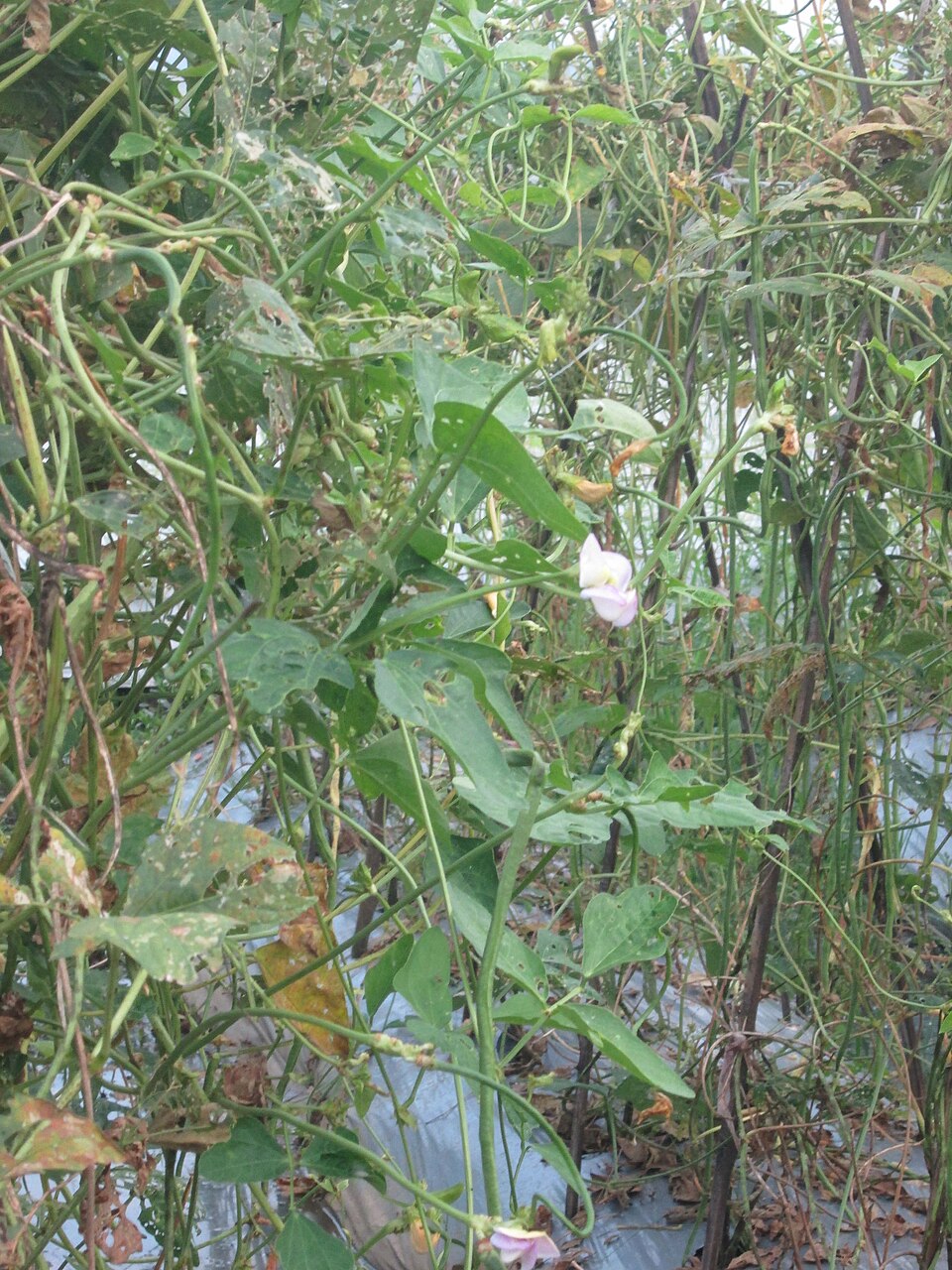
Yardlong beans - Vigna unguiculata subsp. sesquipedalis - are the show-offs of the bean world. The pods hang from the trellis like green ropes, growing a foot, eighteen inches, sometimes two feet long, and they keep coming all summer in the kind of heat that makes other beans quit. Learning how to grow yardlong beans is about giving a tropical vine what it wants: real warmth, a tall trellis, and a gardener willing to harvest every day or two.
Table of Contents
Table of Contents
Also called asparagus beans or Chinese long beans, they are a staple across Asia, where their crisp texture and sweet flavor star in stir-fries. In America they are still a discovery for most gardeners - which is a shame, because where summers run hot, they outproduce every other bean in the garden. If your summers laugh at snap beans, yardlongs are your answer.

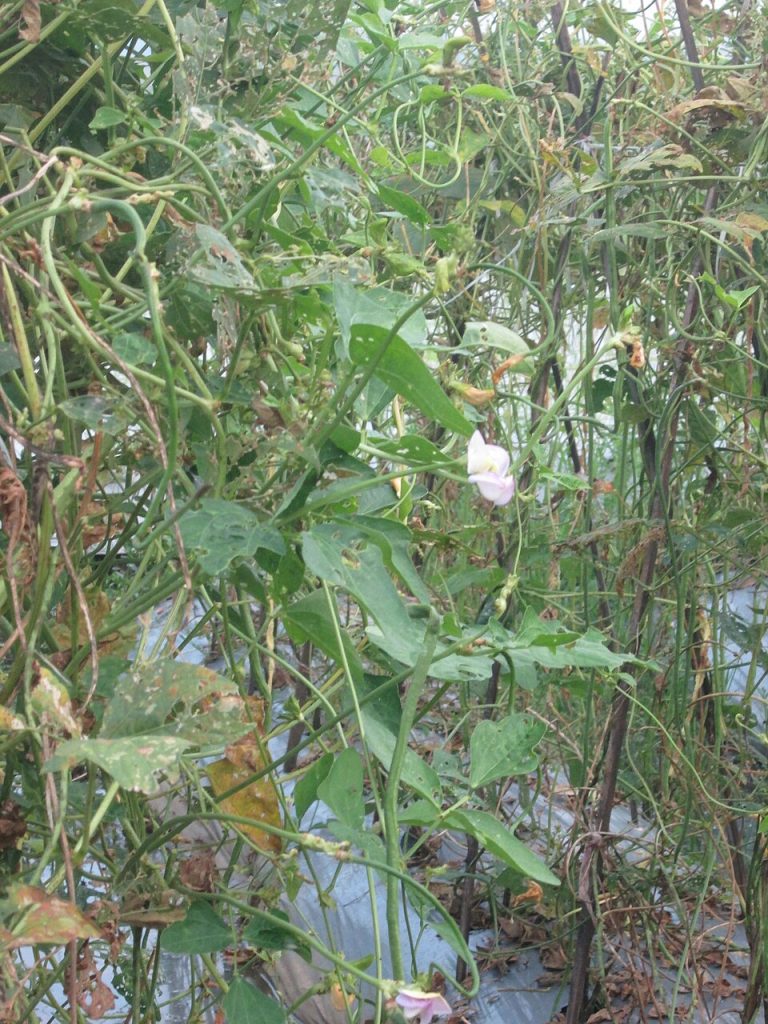
Photo: Wikimedia Commons
Getting Started: A Tropical Bean
When it comes to how to grow yardlong beans, getting the details right makes all the difference.

Many homeowners find that how to grow yardlong beans is easier than they expected once they know the basics.
Yardlong beans are heat-loving, frost-tender annuals, grown from zones 2 through 11 as a summer crop - but they truly thrive where summers are long and hot. They are cousins of cowpeas and black-eyed peas, not of common snap beans, and they share the cowpea family's love of heat and tolerance of poor soil. The USDA PLANTS database documents the species and its tropical origins, which explain everything about its demands.
The vines are astonishingly vigorous once temperatures climb - they sulk in cool weather, barely growing, then explode when real heat arrives. This surprises northern gardeners who sow early: the plants sit and wait, and wait, until the weather suits them. Do not judge them in early summer; judge them in late summer, when they are burying the trellis in pods.
Seed is inexpensive from Asian seed houses and increasingly from mainstream suppliers. Varieties differ in pod color - green, purple-red, speckled - and in length, but all grow the same way. The purple types are beautiful but turn green when cooked, a minor disappointment worth knowing about.
When and How to Plant
Many homeowners find that how to grow yardlong beans is easier than they expected once they know the basics.
The key to how to grow yardlong beans is choosing the right approach for your space and budget.
Direct sow only after the soil is genuinely warm - about two weeks after your last spring frost at the earliest, and later is safer. Yardlong beans demand heat and sulk in cool soil; seeds rot in cold, wet ground, so never sow before the last frost. Wait until nights stay reliably warm - this is later than you think in northern zones. If you want to check your USDA zone planting dates, our planting calendar will help you find that frost date and count forward.
Sow 1 inch deep, spacing seeds 6 inches apart along the trellis. The Almanac planting calendar helps you judge when nights stay reliably warm enough for sowing. The seeds germinate in about a week in warm soil. In short-season northern areas, you can start seeds indoors in large pots a few weeks early - but transplant carefully, since beans resent root disturbance, and only to gain a couple of weeks. Most southern gardeners direct sow and never look back.
From sowing to first harvest runs about 70 to 80 days - but the vines produce for months once they start, far longer than a snap bean planting. Time your sowing so the main production hits the hottest part of summer, when yardlongs are at their best and everything else is flagging. The Old Farmer's Almanac warm-season tables help you plan around your real heat.
Soil and Sun
The key to how to grow yardlong beans is choosing the right approach for your space and budget.
With a little planning, how to grow yardlong beans can fit even a busy schedule.
Full sun - all day, no compromise. Yardlong beans are solar-powered production machines, and shade just slows the engine. The sunniest spot in the garden, ideally with reflected heat from a wall or fence, is perfect. In the desert Southwest they take full brutal sun without blinking.
They thrive in average to poor soil - one of their great virtues. Unlike hungry crops such as tomatoes, yardlongs fix their own nitrogen and tolerate lean ground. Do not over-fertilize: excess nitrogen grows enormous vines with fewer pods. Average garden soil, or even the mediocre soil at the back of the lot, grows fine yardlongs. Good drainage matters more than fertility - the seeds rot in waterlogged soil.
A tall, strong trellis is essential - six to eight feet minimum. The vines grow fast and heavy once heat arrives, and the long pods need to hang free to grow straight. Cattle panels, a stout arbor, or a tall fence all work. Flimsy supports collapse, which is the classic yardlong disaster. Build it like you mean it.
Watering and Feeding
With a little planning, how to grow yardlong beans can fit even a busy schedule.
Before you start, it helps to understand how how to grow yardlong beans works in real homes.
Water regularly but let the soil surface dry between waterings. Yardlong beans tolerate heat better than drought - they want steady moisture at the roots, not constant wetness. A deep watering once or twice a week, plus mulch to hold moisture, is the program. Drought stress drops flowers and stunts pods; waterlogged soil rots roots. The middle path grows the beans.
Do not fertilize with nitrogen - the plants fix their own, and excess nitrogen delays podding. The compost or average soil at planting is enough. If growth is truly pale and stunted in poor soil, a light side-dressing of balanced fertilizer once is the maximum intervention. This restraint is the opposite of feeding hungry crops like zucchini, and it is the key to pods instead of just vine.
Mulch with straw to keep roots cool and moist and pods clean where vines sprawl near the ground. In the hottest zones, mulch is nearly essential - it moderates the soil temperature that swings wildly in bare desert ground. UF/IFAS Gardening Solutions has warm-climate bean guidance that fits yardlongs well.
Care Through the Season
Before you start, it helps to understand how how to grow yardlong beans works in real homes.
A good plan for how to grow yardlong beans saves time, money, and frustration.
Keep the vines trained up the trellis. They climb by twining and mostly find the support themselves, but check weekly and redirect wanderers - vines that sprawl on the ground produce crooked, dirty pods and invite disease. Pods that hang straight and free grow long, clean, and tender.
Watch for bean beetles and aphids on new growth. Bean beetles chew lacy holes in leaves; handpick them and check leaf undersides for the yellow egg masses. Clemson Cooperative Extension bean guides cover heat-loving varieties for southern growers. Aphids cluster on tender tips - blast with water. Neither usually ruins a vigorous planting, but check regularly since damage compounds. Pick affected leaves promptly to slow the spread. The Clemson Home and Garden Information Center has bean-pest guides for southern growers.
Harvest discipline is care: pick every day or two at peak season. Overlooked pods turn fibrous fast and - critically - slow down new production, since the plant shifts energy into maturing seeds instead of making new pods. A trellis picked clean every other day outproduces a neglected one dramatically. This is the highest-maintenance part of yardlongs, and it is also the most rewarding.
In short-season areas, pinch the growing tips in late summer to direct energy into ripening the pods already set rather than making new vine that frost will kill.
Harvest
A good plan for how to grow yardlong beans saves time, money, and frustration.
For most people, how to grow yardlong beans comes down to a few smart choices.
Harvest pods when they are 12 to 18 inches long but still slender, before the seeds inside swell. The test: the pod should feel firm and crisp, not lumpy. Overmature pods - thick, seedy, fibrous - are only fit for the compost or for saving seed. Check the trellis daily at peak season; a pod can go from perfect to overgrown in two days of hot weather.
They go limp quickly after picking - cook or refrigerate the same day. In the kitchen, yardlongs shine in stir-fries, where their crisp-tender texture holds up to high heat better than snap beans. Cut into two-inch lengths and stir-fry with garlic and a splash of soy; blanch and chill for salads; add to curries where they absorb flavors beautifully. They are sweeter and more tender than their dramatic length suggests.
For storage, blanch and freeze the cut pods - they freeze well and keep for months. Dried, the mature seeds cook like cowpeas. But honestly, at peak season you will be eating them fresh as fast as the vine makes them, which is the best storage of all.
Troubleshooting
For most people, how to grow yardlong beans comes down to a few smart choices.
If you are new to how to grow yardlong beans, start with the simplest option and build from there.
Seeds rotted. Cold, wet soil - you sowed too early. Wait for real warmth, sow at proper depth in drained soil, and in heavy spring ground, plant on ridges. There is no prize for the earliest sowing, only replanting.
Vines sulk, barely growing. Cool weather - they are waiting for heat. Be patient; when temperatures climb, they explode. In genuinely cool-summer regions, yardlongs are a marginal crop - site them against a heat-radiating south wall for the best chance. The University of Minnesota Extension is honest about heat-unit requirements for tropical crops.
Flowers dropping, no pods. Drought stress or extreme heat during flowering. Water consistently, mulch heavily, and keep picking - the vines usually resume setting pods when conditions moderate.
Pods fibrous and seedy. You waited too long - harvest at 12 to 18 inches, before seeds swell. In hot weather, check daily. Overlooked pods also slow the whole vine, so this matters beyond one meal.
Bean beetles everywhere. Handpick, check leaf undersides for eggs, and rotate the planting spot yearly. Row cover on young plants excludes them until flowering. Gardenia.net pest guides cover the basics.
Yardlong beans are the summer bean for gardeners with real heat - the vine that laughs at high summer. The USDA National Agricultural Library documents their long Asian history before they reached American gardens. Give them warmth, a tall trellis, and daily picking, and they will bury you in pods.
References
If you are new to how to grow yardlong beans, start with the simplest option and build from there.
When it comes to how to grow yardlong beans, getting the details right makes all the difference.
- Clemson University Cooperative Extension. (n.d.). Home & garden information center. https://hgic.clemson.edu/
- Gardenia. (n.d.). Yardlong bean growing guide. https://www.gardenia.net/
- U.S. Department of Agriculture. (n.d.). PLANTS database. https://plants.usda.gov/home
- UF/IFAS Extension. (n.d.). Gardening solutions. https://gardeningsolutions.ifas.ufl.edu/
- University of Minnesota Extension. (n.d.). Growing beans in home gardens. https://extension.umn.edu/
Many homeowners find that how to grow yardlong beans is easier than they expected once they know the basics.
When it comes to how to grow yardlong beans, getting the details right makes all the difference.
Many homeowners find that how to grow yardlong beans is easier than they expected once they know the basics.
Was this guide helpful?

About My Garden US
The My Garden US editorial team writes practical, in-depth home and garden guides for American homeowners — tested advice, no fluff.
You May Also Like

How to Grow China Asters: Cut Flower Guide
October 24, 2026 21 views
Wildflower Seed Mixes American Homes Guide: Planting Wild Beauty Around Your House
June 24, 2026 19 views
How to Grow Costmary: Old-Time Herb
November 12, 2026 10 views