
Why This Wildflower Seed Mixes American Homes Guide Matters
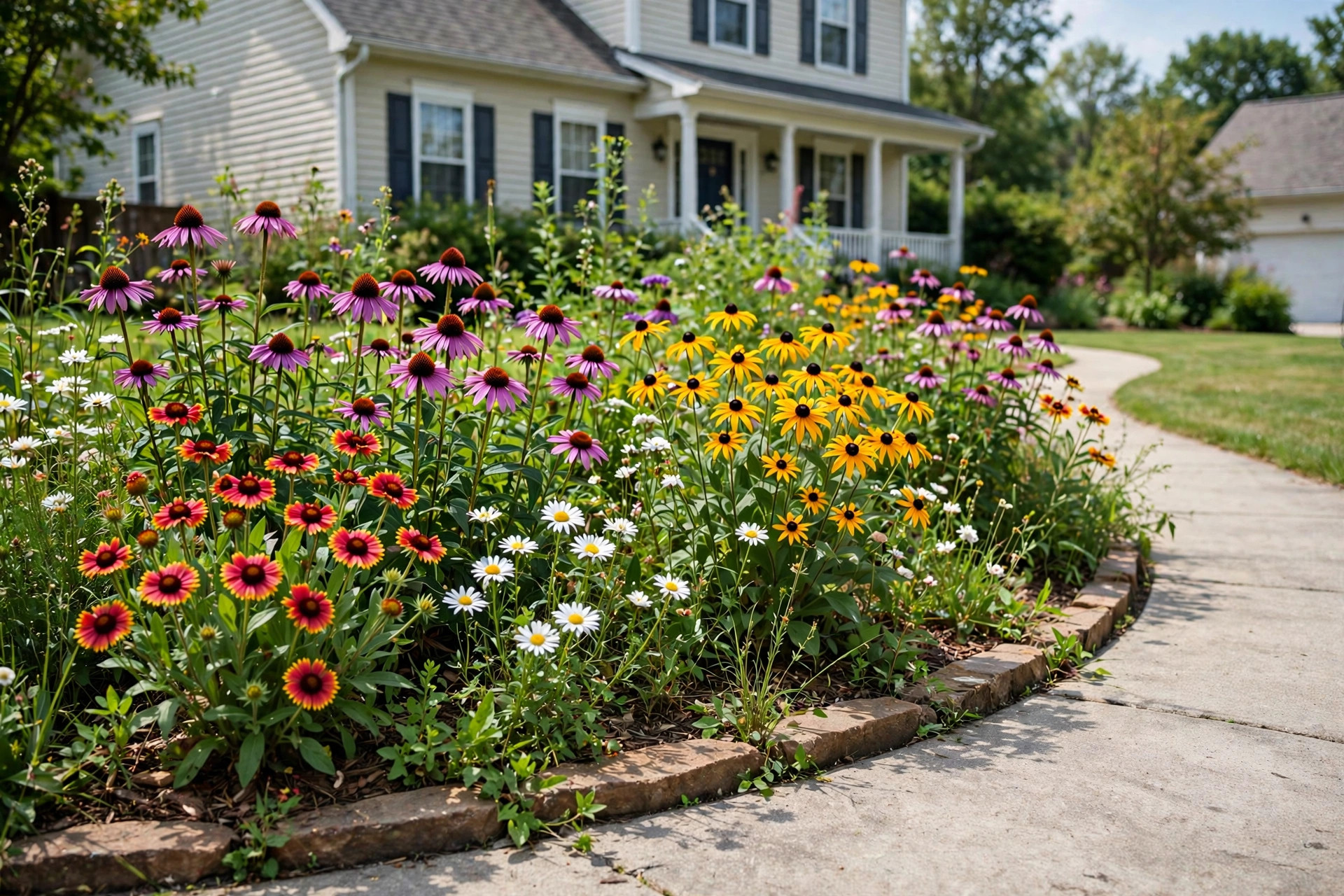
More and more American homes sit beside a patch of bright wildflowers. The sight is hard to miss. Along roads, in front yards, and on the edges of fields, wildflower plantings turn plain ground into color. This wildflower seed mixes American homes guide will help you do the same at your own house. You do not need a big yard. You do not need years of skill. You need the right mix, the right spot, and a little care at the start.
Wildflower seed mixes are blends of many flower seeds sold in one bag. Each mix holds several kinds of flowers, chosen to bloom together across the season. Some grow in the first year. Others return each year without replanting. A good mix gives you flowers from spring through fall. It also gives food and shelter to bees, butterflies, and birds. In a time when many wildflower seed mixes for sale usa fill garden centers, this guide will help you sort the good from the poor.
Many homeowners choose wildflowers for simple reasons. They cost less than sod or shrubs. They need less water than a lawn. They ask for little care once they take hold. They also bring life to a yard. A wildflower bed draws butterflies in July and goldfinches in September. That is the heart of this wildflower seed mixes American homes guide: beauty that gives back.
What Wildflower Seed Mixes Are: Wildflower Seed Mixes American Homes Guide
A wildflower seed mix is a bag or box of blended flower seed. Each blend is made for a purpose. Some are made for sun. Some are made for shade. Some are made for dry soil. Some are made for one region, like the Northeast or the Southeast. The seed companies that sell them test the blends for how well they grow.
Most mixes fall into two groups. Annual mixes bloom in the first year and then die. They must be replanted each spring. Perennial mixes come back year after year from the same roots. Many popular mixes hold both kinds. The annuals give color in year one. The perennials take hold and carry the bed in later years. This mix of both is the best choice for most American homes.
A seed mix differs from a single flower seed. One seed packet gives one kind of flower. A mix gives twenty or more. This spreads risk. If one kind fails in your soil, others will still grow.
How to Choose the Right Mix for Your Home
Choosing well is the most important step in this wildflower seed mixes American homes guide. Start with your sunlight. Watch your planting spot for a full day. Note how many hours of direct sun it gets. Six or more hours means full sun. Three to six means part shade. Less than three means shade. Most wildflower mixes need full sun. Do not plant a sun mix in shade and expect success.
Next, study your soil. Dig a small hole with a trowel. Is the soil sandy and loose? Is it heavy clay that holds water? Is it rich and dark? Most wildflowers prefer poor to average soil. Rich garden soil grows lush leaves and few flowers. Sandy or ordinary soil gives better blooms. If your soil stays wet, pick a mix made for wet ground. Wildflowers that like wet feet do poorly in dry sand, and dry-loving flowers rot in mud.
Then match the mix to your region. A mix made for the Southwest will fail in New England. Many seed houses sell regional mixes, such as Midwest, Southeast, Pacific Northwest, or Southwest blends. These mixes hold species that already grow wild in that region. They face the local weather with ease. If you want a wildflower seed mixes buying guide usa written for your state, the regional blend is your answer.
Check the seed list on the bag. A good mix names every species, such as purple coneflower, black-eyed Susan, and blanket flower. It gives the share of each seed. It lists the germination rate. If the label is unclear, home and garden guides explain how to read seed lists. Those bags often hold filler seed and weed seed. A named list shows honesty.
Think about height. Some mixes grow two to three feet tall. These suit the back of a border or a large open area. Some mixes stay under one foot. These suit paths and small beds near the house. Tall mixes in a small front bed will look messy and block windows. Match the mix to the space.
Also weigh native versus ornamental. Native mixes hold species that grew in your region before settlement. They feed local insects best. They need the least care. Ornamental mixes hold bright non-native flowers such as cosmos and poppies. They can be lovely, but they help wildlife less. Many homeowners use a native blend for the main bed and a bright ornamental strip along a walk for show.
Types of Wildflower Mixes for American Homes
Annual wildflower mixes
Annual mixes bloom fast. Sow them in spring, and they flower by summer. They are good for quick color and for renters who may not stay long. They are also good for a first trial before you invest in perennials. The cost is low, but you replant each year.
Perennial wildflower mixes
Perennial mixes are slower but longer-lived. Many bloom lightly in year one and strongly in years two and three. Once set, they return each spring with little work. For most American homes, a perennial mix with some annuals mixed in is the wisest pick.
Regional wildflower mixes
Regional mixes are built for one part of the country. They hold species suited to local heat, cold, rain, and soil. A Midwest mix will not suit coastal Florida. Buy the mix made for your zone. Your state extension service can tell you your hardiness zone if you do not know it.
Shade and woodland mixes
Most wildflowers love sun, but some mixes are made for the shade under trees. These hold shade lovers such as columbine and wild ginger. They grow slowly and bloom lightly. If your yard is mostly shade, a woodland mix gives you more joy than a sun mix ever will.
Meadow mixes with grasses
Meadow mixes add native grass seed buying guide usa species to the flower seed. The grasses fill gaps between flowers and keep the bed standing through winter. They give birds seed in fall. A meadow look suits larger yards and country homes best.
Where to Plant Around Your Home
A wildflower bed can go almost anywhere with enough sun. Good spots include the front yard strip between sidewalk and street, the back corner of a lot, a bank or slope that is hard to mow, or a long narrow bed along a fence. One popular choice is to turn part of the front lawn into flowers. Start small, perhaps a bed six feet by ten feet. You can grow it larger next year.
Check local rules before you plant. Some towns have weed laws that limit plant height. A wildflower bed in bloom is clearly a garden, but a new bed of small seedlings can look weedy. A low border of stone or wood marks it as a garden. Tell your neighbors what you are doing. Most will cheer you on.
Pick a spot away from strong weed pressure. Do not plant over an old lawn without clearing it first. Grass and weeds will crowd out young wildflowers. Clear the spot by digging out the sod, covering it with black plastic for a summer, or layering cardboard and mulch for a season. Clean ground at planting time saves months of trouble.
Planting Steps That Work
Prepare the soil
Clear all weeds and grass from the bed. Rake the top two inches loose. Remove rocks and roots. You do not need to add rich compost. Wildflowers do best in plain soil. Firm the bed lightly with a rake or your feet. Seeds need firm contact with soil to sprout.
Sow at the right time
In most of the country, sow in early spring after the last frost, as shown on regional planting calendars. In warm regions with mild winters, fall sowing works well. Fall-sown seed rests in the soil and sprouts with spring rain. Many species need cold to wake up, and fall sowing gives them that cold naturally. Check your mix for the advised time.
Spread the seed evenly
Mix the seed with dry sand or fine sawdust. Use four parts sand to one part seed. This bulks up the mix so it spreads evenly. Scatter half the mix walking one way across the bed, then scatter the other half walking the other way. This cross pattern avoids bare spots.
Press, do not bury
Wildflower seed should sit on or just under the soil. Press the seed into the ground with a lawn roller or by walking over the bed. Cover with no more than one eighth of an inch of soil or mulch. Deep burial kills many wildflower seeds.
Water gently
Water the bed after sowing with a fine spray. Keep the top inch of soil damp until seedlings show. This may mean light watering daily in dry weather. Once seedlings stand two inches tall, cut back. After that, water only in long dry spells. Overwatering is a common cause of failure.
Cost and Price in the United States
Wildflower seed mixes are among the cheapest ways to plant a garden. Small packets for a few square feet cost a few dollars. Pound-size bags for larger areas run from twenty to sixty dollars, enough to cover a thousand square feet or more. Bulk seed for a full acre costs several hundred dollars.
Compare this with sod or shrubs. Sod for a thousand square feet can cost hundreds of dollars and needs heavy watering. Shrubs for the same area cost even more. A wildflower bed for the same space may cost under fifty dollars in seed. The savings are clear.
Perennial mixes cost more per ounce than annual mixes, but they pay back over years. A perennial bed needs no new seed each spring. Work out cost per year, not cost per bag. Over five years, a perennial native mix is one of the cheapest plantings a homeowner can make.
Care and Upkeep Through the Year
The first year
Year one is the hard year. Water new seedlings in dry spells. Pull weeds by hand while plants are small, and follow trusted planting advice for your soil and zone. Do not use weed killer in a wildflower bed; it will kill the flowers too. Many perennials bloom little or not at all in year one. They spend their strength on roots. This is normal. Trust the process.
Mowing and cutting back
Each late fall or early spring, mow or cut the bed down to four to six inches. This removes dead stalks and lets light reach new growth. One annual mowing is the main work a wildflower bed needs.
Feeding and watering
Do not feed wildflowers with fertilizer. Extra food grows tall floppy plants with few blooms. Water only in drought. Established wildflower beds drink far less than lawns. In very dry regions, pick a drought-tough mix and let it be.
Controlling weeds
Weeds are the main foe. Hand-pull them in year one. In later years, thick flower roots crowd most weeds out. A spring cut helps. If grasses take over, pull them before they seed. Never till an established wildflower bed; tilling wakes buried weed seed.
Reseeding thin spots
Each fall, check for bare spots. Scratch the soil, scatter a little seed, and press it in. This keeps the bed full and colorful. Over years, some species will fade and others will spread. This change is natural and part of the charm.
Safety Notes for Homes with Children and Pets
Wildflower beds are safe in most homes, but take care. Some common wildflower species are mildly toxic if eaten, such as foxglove and larkspur. Teach children not to eat any garden plants.
Bees visit wildflowers. This is good for the garden, but keep beds a few feet from doors and play areas if anyone has a bee allergy. Place beds where people can enjoy them from a path rather than walk through them.
Check seed for treated coating. Some farm seed is coated with chemicals. Home garden mixes are usually untreated, but read the label. Wash hands after handling seed, and keep seed bags from small children and pets.
Frequently Asked Questions
How long until my wildflower bed blooms?
Annual mixes bloom eight to twelve weeks after spring sowing. Perennial mixes may bloom lightly in year one and fully in year two. A mix of both gives color in year one and strength later. Patience in year one pays off.
Will wildflowers spread to my neighbor’s yard?
Most garden wildflowers spread only a little by seed. Mow a clean edge around the bed and cut the bed back in fall to keep seeds at home.
Do I need to remove my lawn first?
Yes. Planting seed over live grass fails almost every time. The grass outgrows the seedlings. Clear the grass first by digging, smothering, or solarizing. Start with clean soil and your flowers get a fair chance.
How much sun do wildflower mixes need?
Most mixes need at least six hours of direct sun. A few mixes suit part shade. Read the bag. If your spot gets less than three hours of sun, plant shade-loving perennials instead of a wildflower mix.
Can I plant wildflowers in containers?
Yes, for small spaces. Use a wide pot at least twelve inches deep. Pick a dwarf or short mix. Water pots more often than beds. Containers dry out fast in summer heat.
Are wildflower mixes good for pollinators?
Yes. Native wildflower mixes are among the best plantings for bees and butterflies. They offer nectar and pollen across the season. Leave some dead stalks standing through winter for nesting insects.
A Short Final Word
A wildflower bed is one of the simplest gifts a homeowner can give a yard. Pick a mix for your sun, soil, and region. Clear the ground well. Sow thinly, press the seed in, and water gently. Then step back and let nature work. In a year or two, your home will wear a crown of blooms from spring to fall, and you will have spent less than the cost of a lawn service visit. That is the promise of this wildflower seed mixes American homes guide, and it holds true for any American home with a sunny patch of ground.
References
Burpee. (n.d.). Seeds, plants, and gardening supplies. https://www.burpee.com Gardening Know How. (n.d.). Gardening guides and plant care. https://www.gardeningknowhow.com Gurney’s Seed & Nursery Co. (n.d.). Seeds, plants, and garden supplies. https://www.gurneys.com Monrovia. (n.d.). Plants for home gardens. https://www.monrovia.com National Institute of Food and Agriculture. (n.d.). Agricultural research and extension. https://www.nifa.usda.gov Park Seed. (n.d.). Seeds, plants, and gardening supplies. https://www.parkseed.com Proven Winners. (n.d.). Plants and gardening inspiration. https://www.provenwinners.com The Old Farmer’s Almanac. (n.d.). Gardening calendars and advice. https://www.almanac.com The Spruce. (n.d.). Home and garden advice. https://www.thespruce.com White Flower Farm. (n.d.). Plants, bulbs, and garden supplies. https://www.whiteflowerfarm.com
Was this guide helpful?

About Emily Rodriguez
The My Garden US editorial team writes practical, in-depth home and garden guides for American homeowners — tested advice, no fluff.
You May Also Like
Seed Starting Trays Deals Near Me: Where to Find the Best Prices
April 22, 2026 0 views
Air Plants Bulk American Homes Guide: Buying, Choosing, and Keeping Them Green
June 4, 2026 0 views
Pothos Plants Bulk Reviews Buying Guide USA
July 5, 2026 0 views