Pineapple guava - feijoa - is the exotic fruit for gardeners who do not want exotic-plant fuss. It is an evergreen shrub with gorgeous silver-backed leaves, showy red-and-white flowers with edible petals, and fragrant green fruit that tastes like pineapple, mint, and strawberry had a delicious accident. It handles drought, shrugs off pests, and even makes a fine hedge. If you want to learn how to grow pineapple guava, know that patience is the main requirement: plant a grafted variety, give it sun, and wait two to three years for fruit.
Table of Contents
Table of Contents
Pineapple guava (Acca sellowiana) is hardy in zones 8 through 11. It needs a long, warm fall for the fruit to ripen - in short, cool summers the fruit may not sweeten properly. The plant itself is tougher than its fruit suggests, handling temperatures well below freezing once established.

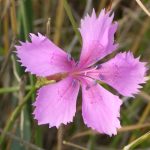
Photo: Wikimedia Commons
Choosing Plants
When it comes to how to grow pineapple guava, getting the details right makes all the difference.


Many homeowners find that how to grow pineapple guava is easier than they expected once they know the basics.
Buy a grafted named variety - this matters more than with most fruits. Seedling pineapple guavas are notoriously variable; some produce excellent fruit, others produce small, gritty disappointments. A named variety guarantees fruit quality and earlier bearing. Ask the nursery which varieties fruit reliably in your climate and ripen within your season length.
Pineapple guava is self-fertile, but crops are heavier with a second variety nearby for cross-pollination. If you have room for two, plant two different varieties - the yield difference is real. The plants grow 10 to 15 feet tall and wide as free-standing shrubs, or shear them into a dense evergreen hedge 6 to 8 feet tall. The Missouri Botanical Garden plant finder describes its landscape uses, and Gardenia.net has variety notes.
Buy container-grown plants for planting in spring after frost danger passes. A healthy one- or two-year-old plant establishes fast.
When and How to Plant
Many homeowners find that how to grow pineapple guava is easier than they expected once they know the basics.
The key to how to grow pineapple guava is choosing the right approach for your space and budget.
Plant in spring, after all danger of frost has passed - roughly two weeks after your last spring frost date. Spring planting gives roots the whole warm season to establish before winter. Check your zone's dates on our planting calendar.
Dig a hole twice as wide as the pot but no deeper, set the plant at the same level it grew in the container, and backfill with native soil mixed with a little compost. Water deeply at planting and mulch with three to four inches of wood chips, keeping mulch back from the trunk. Water regularly through the first two seasons - this is the establishment period when your attention pays off.
Space free-standing shrubs 10 to 15 feet apart. For a hedge, plant 5 to 6 feet apart and shear yearly. Choose full sun and a spot with good air circulation; the fruit needs warmth and light to ripen. Give young plants room to grow into their mature spread - a pineapple guava crammed against a fence never develops the full, rounded form that fruits best, while one with elbow room becomes a handsome specimen in a few short years.
Soil and Sun
The key to how to grow pineapple guava is choosing the right approach for your space and budget.
With a little planning, how to grow pineapple guava can fit even a busy schedule.
Full sun - eight hours or more - for the heaviest crops and sweetest fruit. Pineapple guava fruits in part shade but ripening slows and flavor suffers. In marginal climates, plant against a south-facing wall where reflected heat extends the ripening season.
Well-drained loam, slightly acidic to neutral, is ideal. The plant adapts to a range of soils but objects to waterlogged ground - plant on a mound in heavy clay. Work compost into the planting hole and mulch yearly. It is not a heavy feeder; steady, modest nutrition suits it. For soil guidance, Clemson Cooperative Extension and University of Minnesota Extension both publish practical advice.
Watering and Feeding
With a little planning, how to grow pineapple guava can fit even a busy schedule.
Before you start, it helps to understand how how to grow pineapple guava works in real homes.
Water deeply the first two seasons - about an inch a week when rain falls short. After that, pineapple guava becomes quite drought-tolerant, though fruit size and quality still reward steady moisture. Deep water during fruiting - drought during fruit development gives small, dry fruit. A soaker hose under the mulch delivers water to the roots.
Feed lightly in spring with compost or a balanced fertilizer. It is a moderate feeder - one spring feeding is plenty in most soils. Too much nitrogen pushes leafy growth at the expense of flowers and fruit. A yearly compost mulch is the gentlest feeding program and suits this easygoing shrub. In sandy soils that leach nutrients quickly, a second light feeding in early summer helps the developing fruit size up; in rich loam, the spring compost alone is plenty for the whole season. The Clemson HGIC and the Old Farmer's Almanac both list it among low-maintenance fruits.
Flowers, Pollination, and the Hedge Option
Before you start, it helps to understand how how to grow pineapple guava works in real homes.
A good plan for how to grow pineapple guava saves time, money, and frustration.
The flowers deserve their own mention: fleshy white petals with a crimson center, showy for weeks in late spring - and the petals are edible, with a sweet, floral flavor. Toss them into salads or eat them out of hand while you work in the garden. The flowers also feed pollinators generously. Picking a few petals does not reduce the fruit crop noticeably - the shrub makes far more flowers than it can ever turn into fruit - so enjoy them freely through the bloom season.
For pollination, plant two different varieties if you can - cross-pollination noticeably increases fruit set and size. Even self-fertile varieties crop better with a partner. Bees do the work; avoid spraying insecticides during bloom.
As a hedge, pineapple guava is superb: evergreen, dense, drought-tolerant once established, with the bonus of flowers and fruit. Shear after flowering to shape, but remember that heavy shearing removes fruiting wood - for fruit production, prune lightly to shape and let the plant keep its flowering branches. You can have a hedge or a heavy fruit crop; the middle ground gives you some of both.
Pineapple guava fits the mild-climate home orchard alongside figs and loquats - all evergreen, all easygoing, all rewarding patience. Together they give you fruit across the seasons with a fraction of the work that deciduous orchard trees demand.
Harvest: Let Them Fall
A good plan for how to grow pineapple guava saves time, money, and frustration.
For most people, how to grow pineapple guava comes down to a few smart choices.
Here is the key technique: never pull feijoas off the branch. Ripe fruit drops from the tree on its own - fruit that falls is ripe, and picked fruit rarely ripens properly. Check the ground under the tree daily during harvest season and gather fallen fruit. Give the branches a gentle shake; ripe fruit drops, unripe fruit holds on. Morning gathering is best - fruit that sits on damp ground all day in warm weather softens too far, while fruit collected fresh each morning is at its peak.
The season runs through fall - the fruit needs the long, warm autumn to ripen, which is why short-summer climates struggle. Eat fresh: cut in half and scoop the fragrant pulp with a spoon. The flavor is extraordinary - pineapple, strawberry, and mint in one bite. Use within a few days; ripe feijoas are fragile and do not store long. They freeze well as pulp - scoop, bag, and freeze for winter desserts, smoothies, and sauces. Frozen pulp also cooks down into a superb jam with just sugar and lemon; the perfume survives freezing beautifully, so winter feijoa jam tastes nearly as vivid as the fresh fruit.
Expect fruit two to three years after planting a grafted tree. Young trees often drop fruitlets while establishing - normal. Production builds steadily; a mature bush yields generously. Keep a mulch ring under the tree clear of grass so fallen fruit is easy to spot - fruit hiding in tall grass gets missed, bruises, and spoils, while fruit on clean mulch or bare ground is gathered in seconds on your daily check.
The evergreen foliage makes pineapple guava valuable even where fruit is uncertain - glossy green leaves with silvery undersides that shimmer in the wind. In marginal climates, grow it as an ornamental evergreen that sometimes fruits, and every harvest is a bonus rather than an expectation.
Troubleshooting
For most people, how to grow pineapple guava comes down to a few smart choices.
If you are new to how to grow pineapple guava, start with the simplest option and build from there.
No fruit: Tree too young (allow two to three years), poor pollination (plant a second variety), or late frosts killing flowers.
Fruit not ripening: Short, cool summers. Choose the earliest variety and plant in the hottest microclimate - against a south wall.
Picked fruit never ripens: Do not pick - gather fallen fruit only. Pulled fruit stays hard and disappointing.
Small, dry fruit: Drought during fruit development. Water deeply through the fruiting season.
Fruit fly: In warm regions, maggots in fruit. Harvest promptly, clean up fallen fruit daily, and use traps. UF IFAS Gardening Solutions covers fruit fly management, and the USDA National Agricultural Library indexes feijoa references. The USDA PLANTS Database documents the species.
Leaf drop in cold: Established plants handle frosts, but a hard freeze can defoliate. Plants usually recover in spring; mulch the root zone for protection.
Scale insects: Occasionally colonize stems and leaves. Prune out heavy infestations and encourage beneficial insects; horticultural oil in winter smothers overwintering scale.
Flower buds dropping: Usually a young tree settling in, or drought stress during bud formation. Water steadily and give the tree time - mature trees hold their buds reliably.
References
If you are new to how to grow pineapple guava, start with the simplest option and build from there.
When it comes to how to grow pineapple guava, getting the details right makes all the difference.
Missouri Botanical Garden. (n.d.). Acca sellowiana. https://www.missouribotanicalgarden.org/
Clemson University Cooperative Extension Service. (n.d.). Uncommon fruits for warm climates. https://hgic.clemson.edu/
Old Farmer's Almanac. (n.d.). Growing pineapple guava. https://www.almanac.com/
Many homeowners find that how to grow pineapple guava is easier than they expected once they know the basics.
When it comes to how to grow pineapple guava, getting the details right makes all the difference.
Was this guide helpful?

About My Garden US
The My Garden US editorial team writes practical, in-depth home and garden guides for American homeowners — tested advice, no fluff.
You May Also Like
Heirloom Vegetable Seeds Buying Guide USA: How to Choose True Heirloom Seeds
August 26, 2026 20 views
Native Grass Seed Buying Guide USA: A Plain Guide for Homeowners
June 23, 2026 20 views
How to Grow Foxglove: Cottage Garden Guide
October 12, 2026 25 views