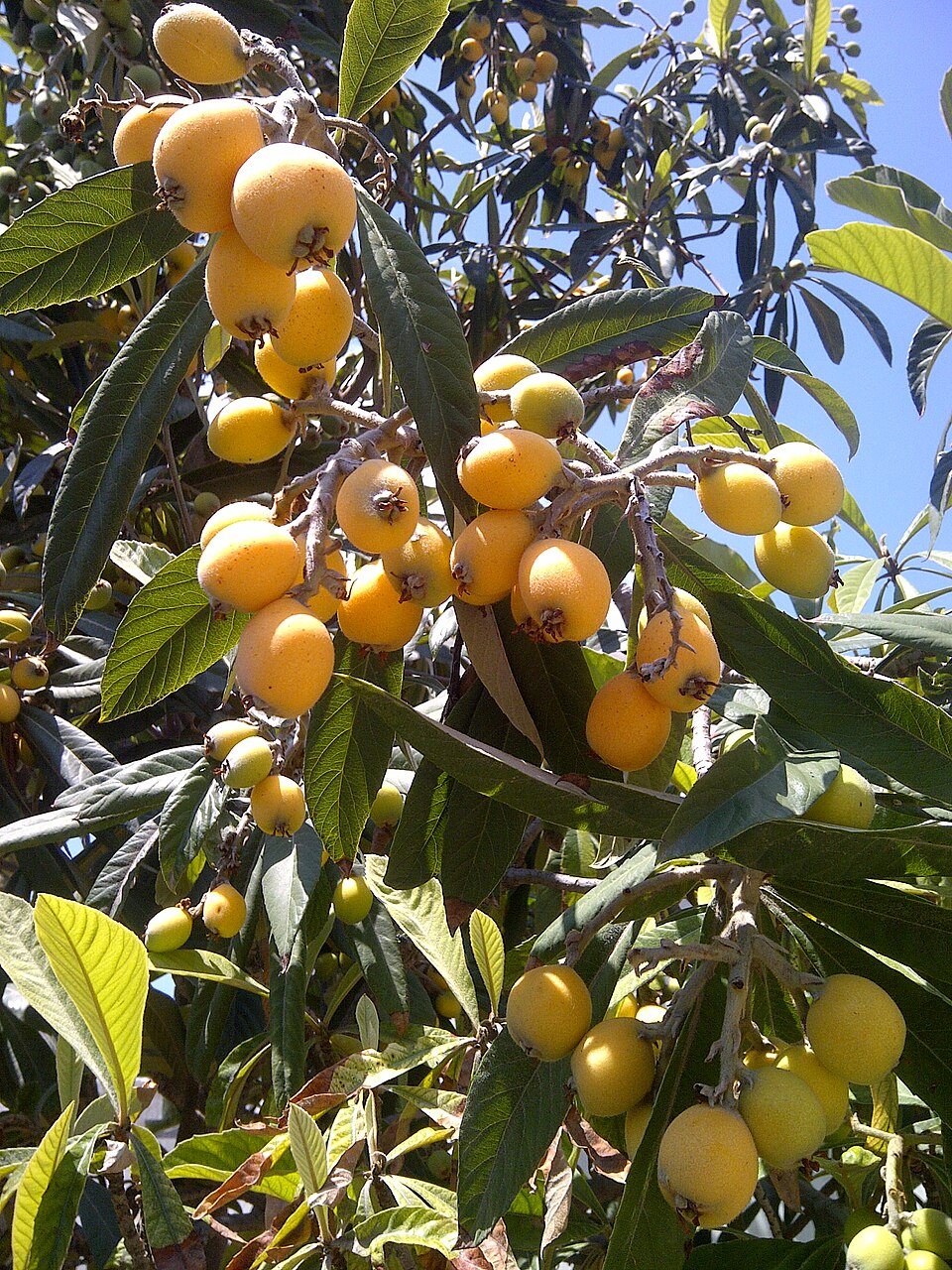
Loquat is the fruit tree that works backward: it blooms in the cool season and ripens its golden fruit in spring, when almost nothing else is ready. If you live in a mild-winter part of the country, learning how to grow loquat gives you an evergreen tree with fragrant fall flowers and sweet, juicy fruit months before peaches and plums wake up.
Table of Contents
Table of Contents

Photo: Wikimedia Commons
Loquats suit zones 8 through 10, need full sun, and ask for little once established. The catch is cold: fall blooms and young fruit are damaged by freezes below about 20 degrees, so this tree belongs in genuinely mild climates. Before planting, check your USDA zone planting dates and be honest about how cold your winters get.
Gardeners in the coastal South, southern California, and similar mild regions find loquat one of the most trouble-free fruit trees available - far less demanding than peaches or apples, with no spray schedule to keep and no complicated pruning system to learn.
Choosing a Variety
When it comes to how to grow loquat, getting the details right makes all the difference.

Many homeowners find that how to grow loquat is easier than they expected once they know the basics.
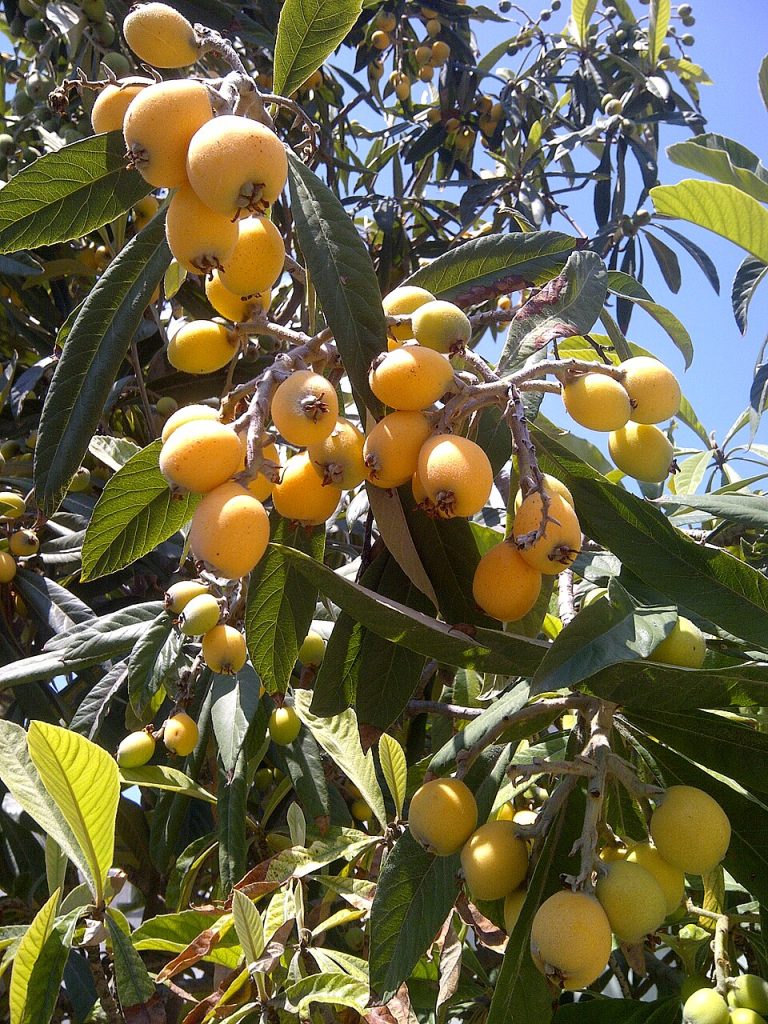
Always buy a grafted tree of a named variety - seedling loquats are a gamble on fruit size and flavor, and they take years longer to bear. Gold Nugget is a dependable all-rounder with sweet, juicy fruit. Champagne ripens early with excellent flavor, Big Jim lives up to its name with large fruit, and Oliver is prized in warm regions for consistent crops.
Buy the largest container tree you can reasonably plant - a three-gallon tree establishes faster than a tiny one-gallon starter and bears sooner. Inspect the graft union (the knobby spot low on the trunk) to make sure it is healed and solid. A healthy young tree has glossy, unblemished leaves and no circling roots escaping the drainage holes. If you also grow figs, you will find loquat similarly easygoing once the climate question is settled. Gardenia.net profiles the main loquat varieties with photos for comparison.
When and How to Plant
Many homeowners find that how to grow loquat is easier than they expected once they know the basics.
The key to how to grow loquat is choosing the right approach for your space and budget.
Plant in spring, after the last frost, in a sheltered spot - near a south-facing wall is ideal, since the wall radiates warmth on cold nights and shields the fall blooms from wind. Space trees 15 to 20 feet apart; a mature loquat spreads into a handsome rounded canopy 20 feet tall and wide.
Dig a hole twice as wide as the root ball but no deeper, set the tree so the top of the root ball sits level with the surrounding soil, and water deeply. Mulch three inches deep in a wide ring, keeping the mulch a few inches away from the trunk. Clemson HGIC has general fruit-tree planting guidance that applies in warm zones. Stake only if the site is windy, and remove the stake after the first season so the trunk strengthens naturally. UF IFAS Gardening Solutions offers solid guidance on planting fruit trees in warm climates, and loquat follows the same rules.
Soil and Sun
The key to how to grow loquat is choosing the right approach for your space and budget.
With a little planning, how to grow loquat can fit even a busy schedule.
Full sun produces the sweetest fruit and the heaviest crops. Loquat tolerates many soils - sandy, loamy, even slightly rocky - but it must drain well; roots sitting in water invite decline. A well-drained sandy loam is ideal. The USDA PLANTS Database maps loquat's adapted range and site needs for US growers. It handles mildly acidic to mildly alkaline soil without complaint.
This is an evergreen tree, so its big, textured leaves stay on all year and look good in the landscape even when no fruit is in sight. That makes placement worth thinking about: near a patio or window, the fall bloom's sweet fragrance drifts beautifully. Avoid low frost pockets where cold air settles, since that is exactly where the fall flowers will freeze.
Watering and Feeding
With a little planning, how to grow loquat can fit even a busy schedule.
Before you start, it helps to understand how how to grow loquat works in real homes.
Water the first two seasons so the tree establishes, soaking deeply once a week in dry weather. After that, loquat handles drought well - but water during bloom and fruit set, because drought then means small fruit and heavy drop. A deep monthly soaking beats frequent sprinkles for building deep roots.
Feed lightly: a balanced fertilizer in early spring, before the spring growth flush, is enough. Too much nitrogen grows leaves at the expense of flowers. Young trees benefit from a little extra feeding their first two years; mature trees in decent soil need almost nothing. Watch the leaf color - deep green means the tree is content. Pale, yellowing older leaves can signal a nutrient shortage, in which case a light feeding and a fresh layer of compost mulch usually correct it within a season.
Care Through the Season
Before you start, it helps to understand how how to grow loquat works in real homes.
A good plan for how to grow loquat saves time, money, and frustration.
Loquat's odd calendar is its charm and its challenge. Flowers open in fall, fruit develops through winter, and harvest lands in spring. In a mild winter this works beautifully; in a winter with hard freezes, you can lose the whole crop to one cold night. There is no fixing that except siting the tree in the warmest microclimate you have.
Prune lightly to shape and open the canopy - remove crossing branches and thin crowded interior growth so light and air reach the fruit. Do this after harvest in spring. Watch for fire blight (blackened shoot tips that look scorched - prune well below the damage and disinfect your tools) and for fruit fly in some regions. Scale insects sometimes colonize the leaves; horticultural oil handles them.
Thin crowded fruit clusters so the remaining fruits size up. This single step transforms the harvest: instead of dozens of marble-sized fruits, you get fewer but dramatically larger, sweeter loquats. Thin when the fruitlets are marble-sized, leaving the strongest few in each cluster. It feels ruthless; the results convert everyone.
Harvest
A good plan for how to grow loquat saves time, money, and frustration.
For most people, how to grow loquat comes down to a few smart choices.
Expect crops two to three years after planting a grafted tree - sooner than most fruit trees. Pick fruits when fully orange-yellow and slightly soft; they do not ripen much after picking, so patience on the tree pays off. A ripe loquat gives slightly to gentle pressure and pulls away easily.
Taste before you pick a big batch - color alone can mislead, since some varieties color up before the flavor fully develops. Eat fresh out of hand (spit out the large brown seeds), or halve and poach them, make jam, or add to fruit salads. Fresh loquats keep only a few days, so plan to eat, share, or preserve the crop promptly. Birds love them too, so net the tree if you want the harvest for yourself.
Fruit Thinning, Step by Step
- Wait until fruitlets reach marble size in winter.
- In each cluster, keep the 3–4 largest, best-placed fruits.
- Snip the rest off with small scissors.
- The remaining fruits grow dramatically larger and sweeter.
Using the Harvest
For most people, how to grow loquat comes down to a few smart choices.
If you are new to how to grow loquat, start with the simplest option and build from there.
A mature loquat tree can produce far more fruit than one family eats fresh, so have a plan. Loquat jam is superb - the fruit is naturally high in pectin, so it sets easily with just sugar and lemon juice. Halved loquats poach beautifully in a light syrup and keep in the refrigerator for a week, ready to spoon over yogurt or ice cream. The juice makes a fragrant base for drinks, and the fruit freezes well for later cooking: halve, remove the seeds, and freeze on trays before bagging.
Share the surplus. Because loquats ripen in spring when neighbors have nothing fresh from their own yards, a basket of golden fruit makes you briefly famous on the street. Unlike pomegranates, which keep for weeks, loquats are fragile - pick only what you will use within a few days, and leave the rest on the tree, where they hold well for a week or more at peak ripeness. The Old Farmer's Almanac has classic recipes for preserving unusual fruits like these.
Troubleshooting
If you are new to how to grow loquat, start with the simplest option and build from there.
When it comes to how to grow loquat, getting the details right makes all the difference.
Flowers froze and no fruit set. Winter temperatures dropped too low during bloom. Site the next tree against a warm wall, or accept that marginal zones get crops only in mild winters.
Fruit is small and seedy. You skipped thinning, or the tree went thirsty during fruit development. Thin clusters next season and water through the dry months.
Leaves have blackened shoot tips. Fire blight. Prune affected branches well below the damage, disinfect tools between cuts, and avoid excess nitrogen that pushes soft, susceptible growth.
Fruit has wormy spots. Fruit fly or similar pests. Pick up fallen fruit promptly, and consider traps or netting in bad years.
Tree grows but never blooms. It may be a seedling (slow to mature), too young, or overfed with nitrogen. Grafted trees bloom within a few years; seedlings can take the better part of a decade. If you bought an unnamed tree from a big-box store, it may simply need more time - or a grafted replacement.
For gardeners in zones 8 through 10 with a warm, sheltered corner, learning how to grow loquat is one of the easiest ways to add an unusual, delicious fruit to the yard - and the spring harvest arrives when the fruit bowl needs it most. Plant one tree, thin the clusters, and you will wonder why every mild-climate garden does not have one.
References
When it comes to how to grow loquat, getting the details right makes all the difference.
UF IFAS Gardening Solutions. (n.d.). Loquat growing in the Florida home landscape. University of Florida. https://gardeningsolutions.ifas.ufl.edu/
Missouri Botanical Garden. (n.d.). Eriobotrya japonica. https://www.missouribotanicalgarden.org/
USDA National Agricultural Library. (n.d.). Fruit and tree nut resources. U.S. Department of Agriculture. https://www.nal.usda.gov/
Old Farmer's Almanac. (n.d.). Growing fruit trees. Yankee Publishing. https://www.almanac.com/
Was this guide helpful?

About My Garden US
The My Garden US editorial team writes practical, in-depth home and garden guides for American homeowners — tested advice, no fluff.
You May Also Like
How to Grow Borage: Bee-Friendly USA Guide
October 10, 2026 23 views
Lavender Seed Packets Texas Homes USA: A Plain Guide
January 7, 2026 18 views
How to Grow Elderberries: Native Fruit Bush
October 8, 2026 29 views