
Table of Contents
Table of Contents
- Choosing a Variety
- When and How to Plant
- Timing your sowing
- Spacing, depth, and days to harvest
- Soil and Sun
- Light needs
- Building good soil
- Watering and Feeding
- Watering routine
- Feeding
- Care Through the Season
- Companions and Placement
- Harvest
- Troubleshooting
- Through the Seasons
- Spring
- Summer
- Fall and Winter
- Quick Answers
- Using the Harvest
- Keep Growing
- References
Photo: Wikimedia Commons
Radishes are the instant gratification of the vegetable garden - sow on a spring weekend and eat the harvest before the month is out. No other crop goes from seed to plate so fast, which makes radishes the perfect first crop for impatient beginners and the perfect gap-filler for experienced gardeners. They are a cool-weather crop with a short fuse: heat turns them pithy and fiery, so the game is sowing early, watering evenly, and pulling young. Learning how to grow radishes is mostly about timing and restraint - small sowings, often.
The USDA PLANTS entry for Raphanus sativus confirms its quick cool-season habit. This guide covers sowing, thinning, watering for crispness, flea beetles, and the pull-young rule. For a quick botanical overview, see the USDA PLANTS entry for Raphanus sativus.
Choosing a Variety
When it comes to how to grow radishes, getting the details right makes all the difference.

Many homeowners find that how to grow radishes is easier than they expected once they know the basics.
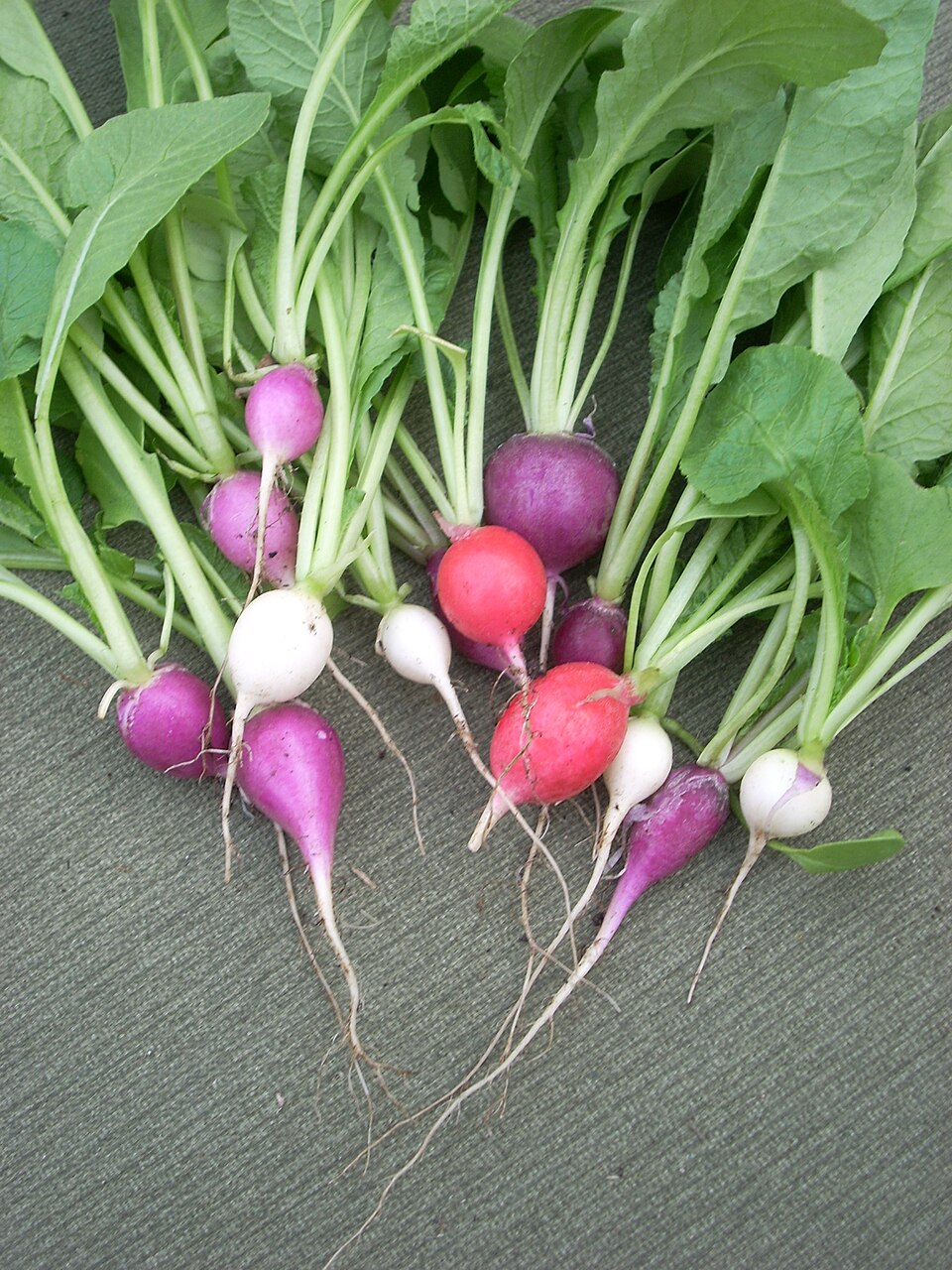
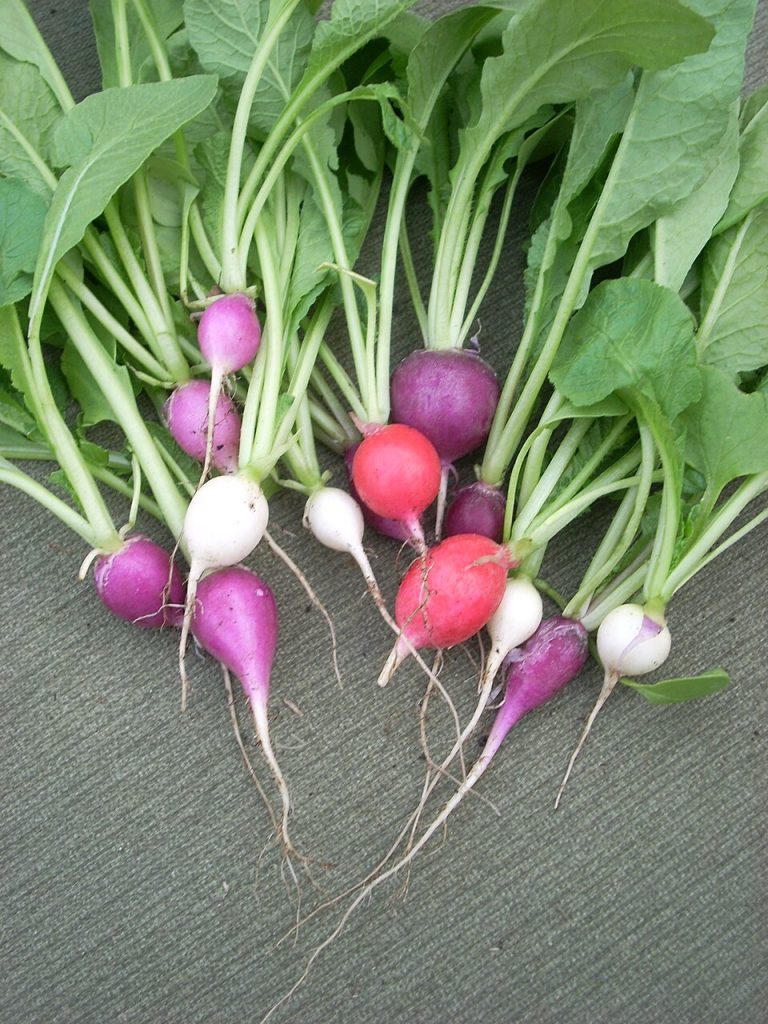
Cherry Belle is the classic round red; French Breakfast makes elegant oblong roots with white tips; Easter Egg blends give a colorful mix kids love. For fall, long daikon types grow big and store well. The Old Farmer's Almanac guide to radishes recommends matching variety to season - spring types for spring, daikons for fall. Sow thinly and thin to two inches apart; crowded radishes stay tiny, all tops and no roots. One packet sows many succession batches, which is exactly how radishes should be grown: a twelve-inch row every week or two beats a big bed sown once.
When and How to Plant
Many homeowners find that how to grow radishes is easier than they expected once they know the basics.
The key to how to grow radishes is choosing the right approach for your space and budget.
Timing your sowing
Skip the seed trays: radishes want to be sown directly. Plant about 4 weeks before your last spring frost, sow as soon as the soil can be worked - radishes germinate fast in cool ground. Sow about 0.5 inch deep, then thin or space seedlings to about 2 inches apart. Crowded plants stay small and invite disease, so give them the room the packet calls for.
Spacing, depth, and days to harvest
From sowing to harvest takes roughly 25 to 40 days, so you can count forward from your planting date and know about when to start watching. For a fall crop, sow again about 8 weeks before your first fall frost and keep the young plants watered through warm spells. Sow small batches every week or two rather than one big planting; a single sowing bolts all at once.
Your seed packet is the final authority on depth and spacing - follow it over any general guide. A soil thermometer takes the guesswork out of timing; when the soil hits the right temperature, sow with confidence.
Frost-date charts from a ZIP-code planting calendar help if you are new to reading your zone.
Soil and Sun
The key to how to grow radishes is choosing the right approach for your space and budget.
With a little planning, how to grow radishes can fit even a busy schedule.
Light needs
Full sun is ideal, but light afternoon shade is fine and even welcome in hot regions.
Building good soil
Plant in loose, fertile soil. If your ground is heavy clay, plant a little high and mulch well; if it is sand, compost is your best friend.
Hardy in zones 3 through 10, it fits most of the country. If you garden at the cold edge of the range, a sheltered microclimate near a wall buys you a few degrees of safety.
Top the bed with compost and mulch at planting time. As the mulch decays it feeds the soil life that feeds your plants - the cheapest fertilizer program there is.
Soil testing labs listed through the University of Minnesota Extension can confirm your pH before you plant.
Watering and Feeding
With a little planning, how to grow radishes can fit even a busy schedule.
Before you start, it helps to understand how how to grow radishes works in real homes.
Watering routine
Keep the soil evenly moist but not soggy. An inch of water a week, from rain or the hose, is the usual target.
Feeding
No extra feeding needed in decent soil; too much nitrogen grows tops instead of roots. Feed lightly. A side-dress of compost mid-season is plenty for most soils; heavy chemical feeding pushes soft, pest-prone growth.
Water in the morning so foliage dries by evening - wet leaves overnight invite disease. A rain gauge, or even a tuna can set out in the rain, tells you how much fell; adjust the hose accordingly.
Irrigation basics from Clemson's Home & Garden Information Center apply to all of these schedules.
Care Through the Season
Before you start, it helps to understand how how to grow radishes works in real homes.
A good plan for how to grow radishes saves time, money, and frustration.
Through the season, keep soil evenly moist from sowing to harvest - drought makes radishes hot, pithy, and hollow, the three great radish sins. A light mulch holds moisture and keeps roots cool. Flea beetles chew tiny shot-holes in the leaves; floating row cover from sowing prevents them entirely, and the roots are unaffected anyway. Thin ruthlessly to two inches; every crowded seedling is a radish that will never size up. UF/IFAS Gardening Solutions notes that in warm climates radishes are strictly a cool-season crop - sow for fall and winter, skip summer. No feeding needed in decent soil.
Companions and Placement
A good plan for how to grow radishes saves time, money, and frustration.
For most people, how to grow radishes comes down to a few smart choices.
Radish shares the vegetable bed happily with Carrot, Lettuce, and Spinach - all want the same sunny, fertile ground and similar watering. Think in families when you plan: follow heavy feeders like corn with light feeders like beans, which return nitrogen to the soil, and never plant the same family in the same bed two years running. Good air flow between rows matters as much as good neighbors; crowded beds stay damp and disease follows damp. Tuck quick crops like radishes between slow ones to use every inch, and keep a path wide enough for a wheelbarrow - you will thank yourself at harvest time.
Harvest
For most people, how to grow radishes comes down to a few smart choices.
If you are new to how to grow radishes, start with the simplest option and build from there.
Pull young, when roots reach about an inch across - oversized radishes turn woody and fiery, and there is no fixing an overgrown root. The tops tell the story: full, healthy leaves mean the root below is sizing up, as the Missouri Botanical Garden plant finder notes. Twist off the tops and refrigerate roots in a bag; they keep about two weeks. Eat the thinnings as microgreens - they are peppery and excellent. For the mildest roots, harvest in the morning and chill promptly; warmth intensifies the bite.
Troubleshooting
If you are new to how to grow radishes, start with the simplest option and build from there.
When it comes to how to grow radishes, getting the details right makes all the difference.
All tops and no roots means sowing too deep or too thick - shallow, well-spaced sowing fixes it. Hot, pithy radishes trace to heat or drought; sow earlier, water evenly, and pull younger. The USDA National Agricultural Library indexes extension guides on cool-season crops for timing help. Cracked roots follow uneven watering - mulch and water consistently. If flea beetles riddle the leaves, the roots are still fine; cover the next sowing from day one. Bolting (flowering) in a heat wave ends the crop; pull and sow again when cool weather returns.
Through the Seasons
When it comes to how to grow radishes, getting the details right makes all the difference.
Spring
In spring, the work is soil and timing. Work compost into the bed as soon as the ground can be turned, and sow or transplant on the schedule above - radishes planted at the right moment outgrow everything planted late. A floating row cover over new sowings adds a few degrees of warmth and keeps flea beetles off; pull it once plants flower so pollinators can reach them.
Summer
Summer is maintenance season: water deeply through dry spells, weed before weeds set seed, and watch for the pests listed above. For radishes, the harvest window is the busy season - pick often, because timely picking keeps plants producing. A mid-season side-dress of compost keeps heavy feeders happy. In heat waves, an extra evening watering saves stressed plants.
Fall and Winter
In fall, pull spent plants, compost the healthy foliage, and sow a cover crop or mulch the empty bed - bare winter soil loses nutrients to rain. Sow the fall crop about 8 weeks before your first fall frost. Clean and oil tools before storing, and jot down what worked; next spring's planting plan starts with this fall's notes.
Quick Answers
Many homeowners find that how to grow radishes is easier than they expected once they know the basics.
How long does radishes take to grow?
About 25 to 40 days from sowing to harvest under good conditions - count forward from your planting date to know when to start watching.
What zones can I grow radishes in?
Zones 3 through 10. Inside that range it is hardy and reliable; outside it, grow as an annual or in containers.
How much sun does radishes need?
Full sun to part shade. A little afternoon shade is welcome where summers run hot.
How far apart should I plant radishes?
About 2 inches apart. Crowding stunts plants and invites disease, so give each one its room - the harvest is bigger, not smaller, for the space.
Using the Harvest
The classic French way - radishes with good butter and flaky salt - needs no improvement. Slice them into salads, roast them (roasting tames the bite into sweetness), and pickle the surplus. The tops are edible: sauté young radish greens with garlic, or blend them into pesto. Eat thinnings as microgreens. Pull young and use fast; an overgrown radish is beyond saving, but a perfectly timed one is crisp, mild, and peppery. Keep sowing and the crisper never empties. Browse more plant profiles at Gardenia.net's plant profiles for ideas.
Keep Growing
How to grow radishes worth eating: sow shallow in cool soil, thin to two inches, water evenly, pull young, sow again. The fastest crop in the garden rewards the gardener who keeps sowing. For sowing dates, check your USDA zone planting dates and tuck them between slower crops - our guides to how to grow carrots, how to grow lettuce, and how to grow spinach share the cool-season bed.
References
- Old Farmer's Almanac. (n.d.). Growing radishes in home gardens. https://www.almanac.com/
- U.S. Department of Agriculture. (n.d.). Radish (Raphanus sativus) plant profile. https://plants.usda.gov/home
- University of Minnesota Extension. (n.d.). Growing radishes in home gardens. https://extension.umn.edu/
- Clemson University Cooperative Extension. (n.d.). Home & Garden Information Center. https://hgic.clemson.edu/
Was this guide helpful?

About My Garden US
The My Garden US editorial team writes practical, in-depth home and garden guides for American homeowners — tested advice, no fluff.