If your garden has a sunny bed to spare, Turmeric deserves strong consideration. It yields well for the space it takes, and the growing routine is simple once it is set up. Learning how to grow turmeric comes down to timing, soil, water, and harvest: this guide covers each one in detail for American home gardeners.
Table of Contents
Table of Contents
A quick orientation before planting. Turmeric suits USDA zones 8 to 12, and it needs a long season, roughly 210 to 300 days from sowing to harvest. Those two facts shape every decision that follows, from sowing date to harvest. The Old Farmer's Almanac is a solid backup reference for any step you want to double-check.

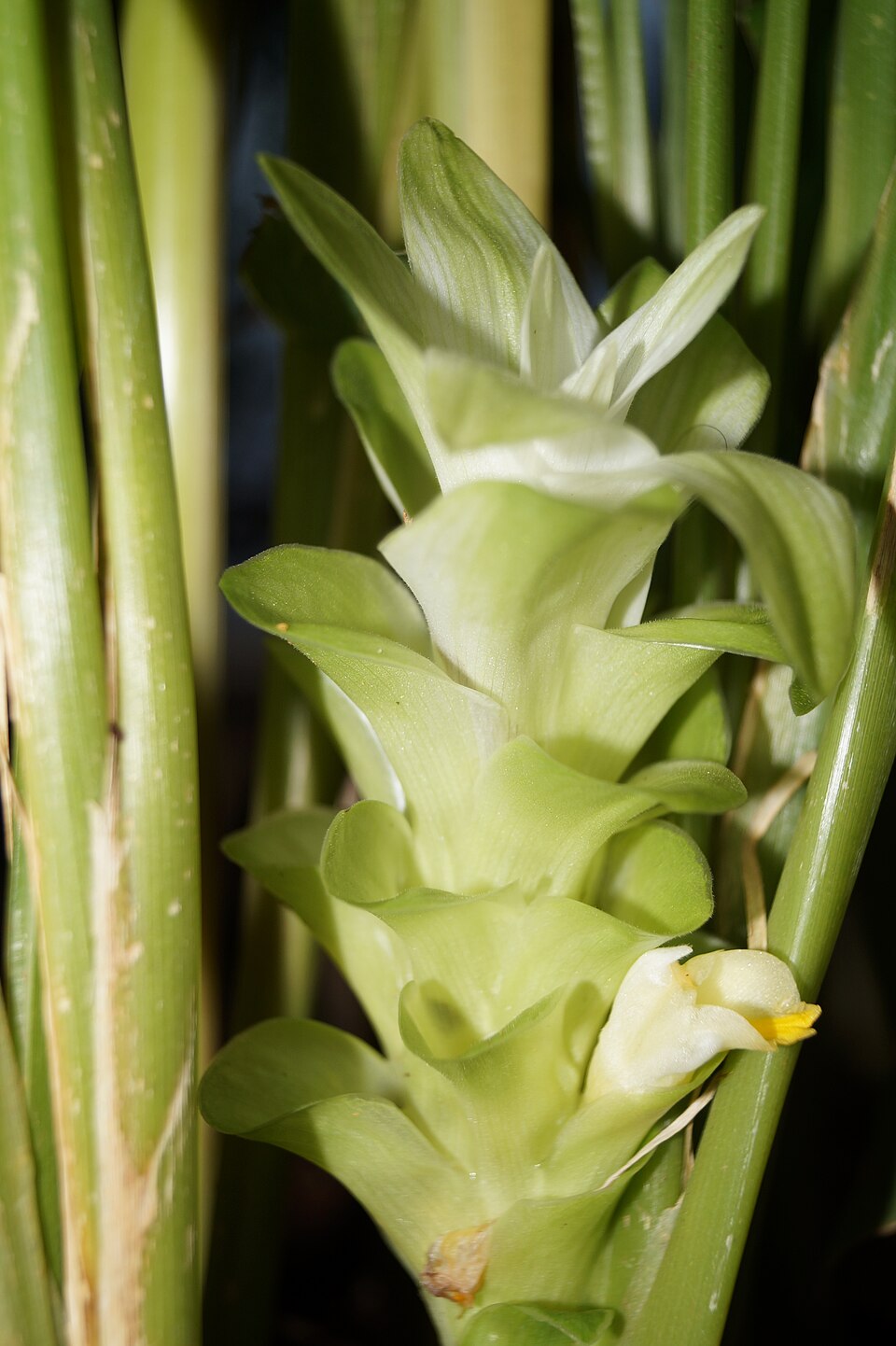
Photo: Wikimedia Commons
Choosing a Variety
When it comes to how to grow turmeric, getting the details right makes all the difference.

Many homeowners find that how to grow turmeric is easier than they expected once they know the basics.
You do not need a rare cultivar to succeed with turmeric. What you need is fresh seed or healthy young plants and a variety suited to your climate. Firm rhizome sections with visible buds, started early indoors in short-season regions. Local nurseries usually carry types proven in the area, which beats ordering blind from across the country. Common orange types are easiest to find; red and white types exist but are harder to source. Any firm, fresh rhizome with plump buds will grow.
Whatever you buy, inspect it. Seed packets should be dated for the current season. Transplants should have white, fibrous roots, not a brown tangled mat. The Missouri Botanical Garden plant finder is a useful place to compare descriptions and confirm you are buying the right species. And if a neighbor grows turmeric well, ask where their stock came from: local success is the best recommendation there is.
If you already grow herbs or vegetables, you may enjoy our companion guide to growing carrot for ideas on what to plant alongside.
When to Plant Turmeric
Many homeowners find that how to grow turmeric is easier than they expected once they know the basics.
The key to how to grow turmeric is choosing the right approach for your space and budget.
Mark the calendar before you touch a seed packet. For turmeric, the schedule that works is this: start seeds indoors about 8 weeks before your last spring frost. set out transplants about 2 weeks after your last spring frost.
Those offsets are relative to your frost dates, not anyone else's, so check your USDA zone planting dates on our planting calendar and write down your last spring frost and first fall frost before you sow. The Old Farmer's Almanac planting calendar lets you look up dates by zip code, which takes the guesswork out of it. For the botanical details and native range, the USDA PLANTS database is the authoritative reference.
When in doubt, sow a small test patch first. If turmeric sprouts strongly within the expected window, sow the rest with confidence. This two-step habit has saved many gardeners from replanting an entire bed after a late cold spell.
Write your dates on the calendar the day you read this. A garden journal with actual frost dates beats memory every time, and turmeric rewards the gardener who plants on schedule.
Soil and Sun
The key to how to grow turmeric is choosing the right approach for your space and budget.
With a little planning, how to grow turmeric can fit even a busy schedule.
Before a seed goes in the ground, read the site the way the plant will read it. Turmeric calls for Full sun to part shade with soil that is Rich, loose, well-drained soil. A bed that matches those two needs will outperform a pampered bed that does not.
If your soil is heavy clay or pure sand, amend it before planting rather than after. Work in several inches of compost and let the bed settle. Guidance from University of Minnesota Extension on building garden soil applies well beyond Minnesota. Good soil structure pays off for every crop you will ever grow in that bed.
As for water at planting time, turmeric wants heavy watering in the growing season, dry for dormancy. Water new plantings in thoroughly, then settle into the routine described in the watering section below.
Planting Step by Step
With a little planning, how to grow turmeric can fit even a busy schedule.
Before you start, it helps to understand how how to grow turmeric works in real homes.
Turmeric grows like ginger but needs even more heat and time, so treat it as a container plant unless your summers are long and hot. Plant sections of rhizome with buds 2 inches deep in rich, moisture-holding soil after all danger of cool weather has passed. Full sun to part shade suits it, with shelter from strong wind.
Here is the planting routine for turmeric, in order:
1. Prepare the bed a week or two ahead: loosen the soil, work in compost, and rake it level.
2. Set transplants at exactly the depth they grew in their nursery pots, with the crown level with the soil surface. Planting too deep is one of the most common mistakes with nursery stock.
3. Space plants about 12 inches apart each way, giving each one room to reach full size without crowding.
4. Water the bed thoroughly right after planting so the soil settles around the roots or seed.
5. Mulch lightly to hold moisture and discourage weeds, keeping mulch a couple of inches back from stems.
6. Label the row with the variety and date; you will thank yourself later.
Do not rush this step on a hot afternoon. Plant in the cool of the morning or evening, water well, and shade tender transplants for a day or two if a heat wave follows. A gentle start pays back all season.
Watering and Feeding
Before you start, it helps to understand how how to grow turmeric works in real homes.
A good plan for how to grow turmeric saves time, money, and frustration.
Turmeric needs heavy watering in the growing season, dry for dormancy. That is the headline; the details are about consistency. Even moisture matters more than volume: plants stressed by alternating drought and flood never perform their best.
Mulch is the hardest-working tool in the watering routine. A few inches of straw, shredded leaves, or bark holds moisture, cools the soil, and starves weeds. Pull it back a couple of inches from stems so crowns stay dry. Guidance from Gardenia.net on mulching ornamentals and edibles alike is worth a read.
When feeding, think slow and steady. Compost, composted manure, or a balanced slow-release fertilizer applied once in the growing season covers turmeric's needs. More is not better; the goal is healthy growth, not a race.
Care Through the Season
A good plan for how to grow turmeric saves time, money, and frustration.
For most people, how to grow turmeric comes down to a few smart choices.
Mid-season care is where harvests are made or lost. Turmeric does not need constant fussing, but it does need steady attention to water, weeds, and pests. Walk the bed every few days; problems caught early are small problems.
The Missouri Botanical Garden keeps thorough plant profiles online, and checking your plant against theirs is a good way to confirm you are on track.
Mulch heavily and water consistently; turmeric sulks in dry soil. Feed every few weeks through the growing season. In short-season regions, start rhizomes indoors in warmth many weeks early to gain precious growing time. It has few pest or disease problems.
Keep up with the small jobs and the season mostly runs itself. If you grow other plants in the same category, our guide to growing brussels sprouts covers seasonal routines that transfer well.
Weed little and often. A ten-minute pass with a hoe every few days beats a lost Saturday battling established weeds, and young turmeric plants compete poorly for water and light. Never let weeds go to seed in the bed.
Grower's tip: Needs 8-10 months of warm weather; harvest when leaves yellow and die back in fall.
Harvest
For most people, how to grow turmeric comes down to a few smart choices.
If you are new to how to grow turmeric, start with the simplest option and build from there.
All the watering and weeding pays off at harvest, and turmeric gives clear signals when it is ready. Learn those signals once and you will read the plants like a book every season after.
The Old Farmer's Almanac harvest guides add useful checklists for judging ripeness and timing the pick, and they are written for home gardeners rather than commercial growers.
Dig the rhizomes when the leaves yellow and collapse, usually after the first light frost kills the tops in the garden. Cure in a warm, dry spot, then store cool and dry. Pro tip: wear gloves when handling fresh turmeric; the bright orange pigment stains skin, cutting boards, and countertops for days.
Do not wait for perfection. Most crops have a peak window, and picking slightly early beats picking late. Taste and observe as the season goes: your palate is the final judge.
For more harvest-timing ideas across the garden, see our guide to growing potato.
Troubleshooting
If you are new to how to grow turmeric, start with the simplest option and build from there.
When it comes to how to grow turmeric, getting the details right makes all the difference.
When something goes wrong with turmeric, resist the urge to reach for a spray first. Identify the problem, check whether the plant can outgrow it, and fix the growing conditions. Nine times out of ten, that is the whole cure.
Tropical rhizome killed by frost; only perennial outdoors in zones 8-12.
Start with identification, not treatment. Pluck an affected leaf, compare it with photos from University of Minnesota Extension or your own state extension, and then choose the least disruptive fix. Removing affected leaves, improving air flow, and adjusting water solve most home-garden problems without any spray at all.
Quick-Grow Facts
When it comes to how to grow turmeric, getting the details right makes all the difference.
Many homeowners find that how to grow turmeric is easier than they expected once they know the basics.
- Botanical name: Curcuma longa
- USDA zones: 8 to 12
- Sun: Full sun to part shade
- Soil: Rich, loose, well-drained soil
- Water: Heavy watering in the growing season, dry for dormancy
- Spacing: about 12 inches apart
- Days to maturity: 210 to 300
Gardening rewards the steady hand more than the clever trick, and turmeric proves it every season. Plant on time, water with sense, deal with problems early, and the harvest takes care of itself. Good growing.
References
Old Farmer's Almanac. (n.d.). Home gardening growing guides. https://www.almanac.com/
Missouri Botanical Garden. (n.d.). Plant finder. https://www.missouribotanicalgarden.org/
Old Farmer's Almanac. (n.d.). Planting calendar by zip code. https://www.almanac.com/planting-calendar
U.S. Department of Agriculture. (n.d.). PLANTS database. https://plants.usda.gov/home
University of Minnesota Extension. (n.d.). Yard and garden growing guides. https://extension.umn.edu/
Was this guide helpful?

About My Garden US
The My Garden US editorial team writes practical, in-depth home and garden guides for American homeowners — tested advice, no fluff.