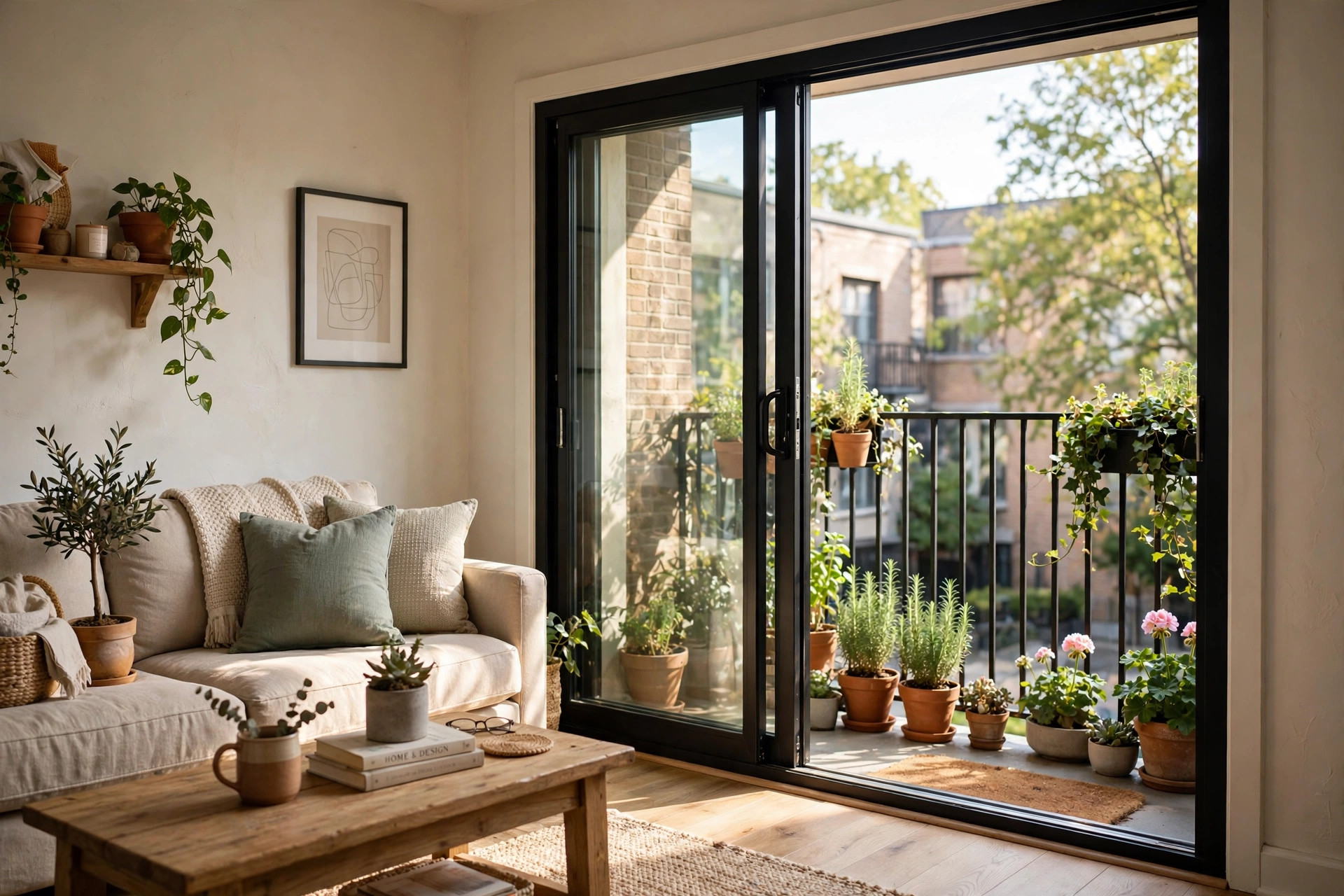

What to Know About Top Rated Sliding Patio Doors for Small Apartments
Small apartments gain a lot from a good sliding patio door. One glass door can change how a room feels. It brings in daylight, opens a path to a balcony or patio, and makes a tight living room seem larger. For this reason, many renters and owners search for the top rated sliding patio doors for small apartments before they start a remodel or replacement project.
A sliding door also saves space in a way that a swinging door cannot. It moves along a track and never swings into the room. In a small apartment, every square foot of floor space counts. A door that glides rather than swings can free up room for a chair, a plant stand, or a small work desk.
This guide covers what to look for, the main types, typical costs, care, and safety. It also answers common questions from apartment dwellers.
Why the Right Patio Door Matters in a Small Apartment: Top Rated Sliding Patio Doors for Small Apartments
A patio door is more than an exit. In a small apartment it often serves as the main window. It sets the light level, the noise level, and the comfort of the room through the seasons.
Natural light has a strong effect on small rooms. A large glass panel makes a room feel open. It can cut the need for lamps during the day and lower the mood of a cramped space. Studies of indoor living often note that daylight helps people feel more at ease at home. When you compare energy efficient sliding patio doors, you will see that modern glass blocks heat while still letting light pass through.
Noise control is another gain. Busy streets and loud neighbors are common in apartment life. A well-built sliding door with tight seals and double-pane glass cuts street noise far better than an old single-pane slider. Good weather sealing also keeps drafts out in winter and cool air in during summer.
Security matters too. Older sliding doors sometimes had weak latches. Newer top rated models carry multi-point locks and can accept a secondary lock bar. For a ground-floor apartment, that extra security is worth real peace of mind.
How to Choose: What to Look For
Frame Materials
Four frame materials lead the market. Each suits small apartments in a different way.
Vinyl is the most common choice for apartments. It costs less than wood or fiberglass, resists moisture, and needs almost no paint or upkeep. Vinyl frames also insulate well, which keeps heating and cooling bills down. Guides at Home Depot show a wide range of vinyl patio doors sized for standard apartment openings.
Aluminum frames are slim and strong. They allow a larger glass area in a narrow opening, which is ideal when the door is also the main window. Aluminum costs more than vinyl and conducts heat more easily, so look for models with a thermal break that slows heat transfer.
Wood frames give a warm, classic look. They insulate well but need regular sealing or paint. In rental units, wood is less common because upkeep falls on the landlord.
Fiberglass frames resist warping, swelling, and rot. They can hold large glass panels with slim profiles. They sit at the higher end of the price range but last a long time. Reviews on Consumer Reports often rate fiberglass doors high for durability and tight seals.
Glass and Energy Performance
The glass makes up most of the door, so its quality decides much of the performance. Look for double-pane glass with a low-E coating. Low-E coatings reflect heat while admitting light. Argon gas between the panes adds insulation at a modest cost.
Check the NFRC label for two numbers: U-factor and Solar Heat Gain Coefficient. A lower U-factor means better insulation. The SHGC tells how much solar heat passes through. In warm climates, pick a lower SHGC. In cold climates, a slightly higher SHGC can help with winter warmth. Programs at Energy Star list certified doors by climate zone, which makes this step easier.
For noise, laminated glass helps. It adds a thin plastic layer between glass sheets that dampens sound. Apartments near highways or train lines benefit most.
Types and Options
Most sliding patio doors for apartments come in a few basic layouts.
The standard two-panel slider is the most common. One panel is fixed and one slides. It fits openings about five to six feet wide. This is the usual size for apartment balconies.
A three-panel slider adds a second sliding panel or a fixed center panel. It fits wider openings and gives a broader view. In a small apartment, a three-panel door can span a full wall and act as a room divider to a sunroom or enclosed balcony.
Multi-slide or stacking doors use several panels that stack or pocket into the wall. They create very wide openings but cost more and need deeper walls. They suit larger apartments and townhouses more than studios.
French-style sliding doors look like classic French doors but slide instead of swinging. They give the look of hinged doors with the space savings of a slider. If you like the style, browse options at Lowe’s to compare widths and finishes.
Screen doors deserve a thought too. A retractable screen rolls away when not in use and keeps the view clean. Standard sliding screens cost less but take up a track slot. Pet-resistant mesh is worth the small extra cost if a cat or dog lives in the apartment.
Cost and Price
Prices vary by size, frame material, and glass package. As a rough guide, a standard vinyl two-panel sliding door with double-pane low-E glass runs about 600 to 1,200 dollars for the unit alone. Aluminum models run 900 to 1,800 dollars. Fiberglass and wood models run 1,200 to 2,500 dollars or more.
Installation adds 300 to 800 dollars for a simple replacement in an existing opening. Costs rise if the opening must be enlarged, if rot or water damage is found, or if permits are needed. Apartment buildings often require board or management approval, so check the rules before you buy.
Energy savings can offset part of the cost over time. A door with good insulation cuts drafts and lowers heating and cooling use. Buyers comparing the best sliding patio doors for small apartments often find that mid-range vinyl models give the best balance of price and performance.
Do not forget the small extras: lock sets, screen doors, shades, and trim. These can add 100 to 400 dollars to the project. Ask for an itemized quote so there are no surprises.
Installation Tips for Apartment Living
Measure the opening with care. Record the width at the top, middle, and bottom, and the height at the left, center, and right. Use the smallest numbers. Sliding doors must sit square in the opening or the panels will drag.
Check building rules early. Many apartment and condo buildings require approval for exterior changes. Some limit frame colors or styles to keep a uniform look. Historic districts may have their own rules. A quick call to the property manager can save weeks of delay.
Decide who installs the door. A skilled homeowner can handle a simple replacement, and step-by-step advice from This Old House can help. But apartment installations often involve concrete balconies, shared walls, or insurance rules. In those cases, a licensed installer is the safer choice. Get at least three written quotes.
Plan for the day of work. The room will be open to the outside for several hours. Move furniture, cover floors, and keep pets in another room. If the building has an elevator, book it in advance for delivery of the door unit.
Care and Upkeep
Sliding doors need small, regular care to keep gliding smooth. Clean the tracks every few months. Dirt, sand, and pet hair gather in the track and make the door hard to move. A vacuum with a crevice tool and a damp cloth handle most buildup.
Lubricate the track and rollers once a year with a silicone-based spray. Avoid oil-based products, which attract dust. Practical cleaning guides at The Spruce cover the steps in plain detail.
Check the weatherstripping each spring and fall. Worn or cracked seals let in drafts and rain. Replacement strips are cheap and press into place without tools.
Clean the glass with a mild solution and a squeegee. Harsh chemicals can damage low-E coatings. Never use a razor blade on coated glass. For tall doors, a simple extension pole keeps you off a ladder.
Adjust the rollers when the door starts to drag. Most doors have adjustment screws at the bottom edge. A few turns with a screwdriver raise or lower the panel so it glides level again. Repair tutorials at Family Handyman show this simple fix with clear photos.
Safety
Sliding patio doors are heavy sheets of glass. Always treat them with care. Apply decals or frosted film at eye level so people see the glass and do not walk into a closed door. This is a real hazard in apartments where the door sits in a main walkway.
Keep the track clear of toys and clutter. A blocked track can jam the door or strain the rollers. Teach children to keep fingers away from the moving panel edge.
Lock the door every night. Add a secondary lock, such as a track bar or pin lock, for extra security. These devices cost little and install in minutes. Safety advice from Bob Vila often notes that layered locks are the best defense for sliding doors.
Tempered glass is standard in modern doors and required by most codes. It breaks into small, dull pieces instead of sharp shards. If you replace an old door, make sure the new glass meets current safety standards.
Frequently Asked Questions
Are sliding patio doors good for small apartments?
Yes. They save floor space because they do not swing inward. The large glass also brings in light, which makes small rooms feel bigger. A two-panel slider is the most common and practical choice.
What size sliding door fits a standard apartment opening?
Most apartment openings are five or six feet wide and about six feet eight inches tall. Measure your own opening before you shop. Use the smallest width and height readings to size the door.
Which frame material is best for renters?
Vinyl is the best value for most renters and small units. It costs less, insulates well, and needs little care. If the building rules allow only certain looks, aluminum or fiberglass may be required.
How long does a sliding patio door last?
A quality door lasts 20 to 30 years with basic care. Cheap hardware and poor seals fail sooner. Regular track cleaning and weatherstrip checks add years of smooth use.
Can I install a sliding patio door myself in an apartment?
It is possible for a straight replacement, but check your lease and building rules first. Many buildings require a licensed installer and proof of insurance. Ground-floor and shared-wall installs are best left to professionals.
Do sliding patio doors keep out street noise?
Modern double-pane and laminated glass cut noise far better than old single-pane sliders. Tight seals matter as much as the glass. If noise is your main worry, ask about laminated glass and the door’s STC rating.
A Short Final Word
The top rated sliding patio doors for small apartments share a few traits: tight seals, smooth tracks, strong locks, and glass that suits the local climate. Start with accurate measurements and clear building approval. Compare a few quotes on mid-range models before you decide. A careful choice will brighten the room, quiet the street, and serve the apartment well for decades.
If your project also touches the entry door, a guide on storm door installation may help with the rest of the home.
References
Bob Vila. (n.d.). Home improvement advice. https://www.bobvila.com Consumer Reports. (n.d.). Product reviews and ratings. https://www.consumerreports.org ENERGY STAR. (n.d.). Energy efficient products. https://www.energystar.gov Family Handyman. (n.d.). DIY home repair and maintenance. https://www.familyhandyman.com Lowe’s. (n.d.). Home improvement products. https://www.lowes.com The Home Depot. (n.d.). Home improvement products. https://www.homedepot.com The Spruce. (n.d.). Home and garden advice. https://www.thespruce.com This Old House. (n.d.). Home renovation guidance. https://www.thisoldhouse.com
Was this guide helpful?

About Jennifer Lee
The My Garden US editorial team writes practical, in-depth home and garden guides for American homeowners — tested advice, no fluff.
You May Also Like
Seamless Gutter Guards Reviews and Buying Guide
June 9, 2026 0 views
Where to Buy Double Hung Windows in Florida: A Homeowner’s Buying Guide
July 31, 2026 0 views
Pergola Installation Kits Price Comparison USA
February 5, 2026 0 views