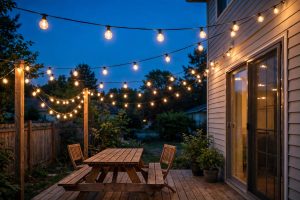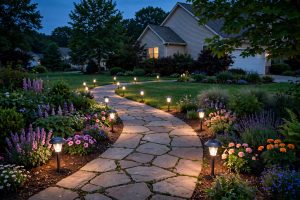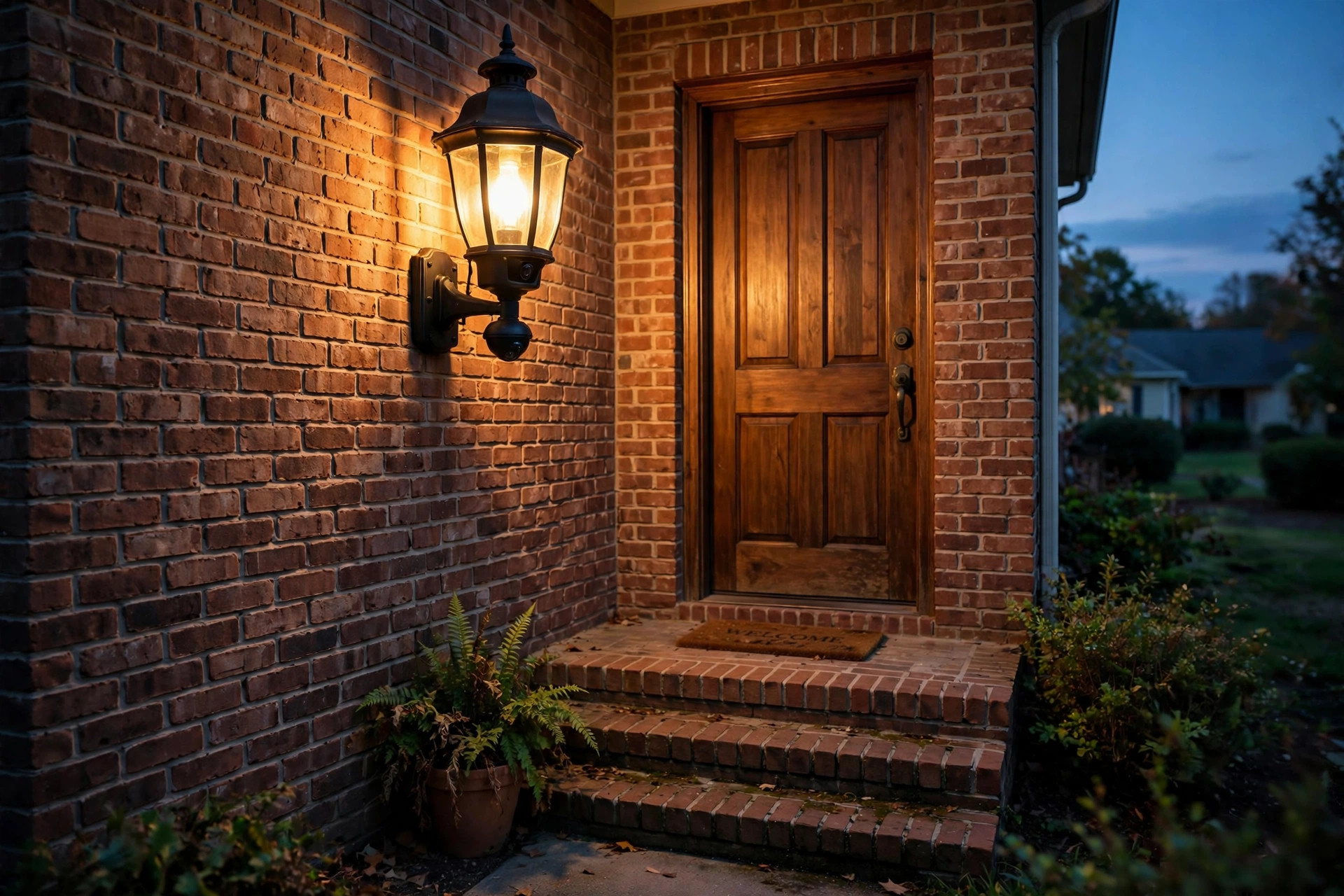
A porch light with a motion sensor is a small device that does a large job. It watches the area near your door. When it sees movement, the light turns on. When the area is still again, the light turns off. This sensor porch lights buying guide USA walks through every point a homeowner needs to know before a purchase: how the sensor works, what styles exist, what to look for in the store, what the price will be, and how to care for the fixture over time. Many families in the United States now use these lights. They save energy. They add safety. And they keep the porch from sitting in darkness all night. A good fixture lasts for years, and a wise buyer learns the basics first.
Why It Matters
A dark porch is a problem. Packages left at the door cannot be seen. Guests struggle with the steps. And a house with no light at the front looks empty, which can attract trouble. A motion sensor light answers all three problems at once. It stays dark when no one is near, so it wastes no power through the night. When someone approaches, it lights up at once. That sudden light makes the porch easy to read. Delivery drivers see the address. Visitors see the steps. And the light tells the rest of the street that the house is awake.
Energy savings are real. A standard porch bulb left on from dusk to dawn runs about ten to twelve hours each night. A sensor light runs only when it is triggered, often less than an hour in total across a whole night. Over a year, that difference adds up. The Energy Department’s lighting guidance explains how simple controls like sensors cut waste in home lighting, and the same idea applies directly to a porch fixture.
Safety is the other half of the story. Bright light at the moment of arrival helps prevent falls on steps and walkways. It also removes hiding spots near doors and windows. A sensor light gives that protection without the glare and cost of a light that never turns off.
What to Look for and How to Choose: Sensor Porch Lights Buying Guide Usa
Buying the right fixture starts with the sensor itself. Most porch lights use a passive infrared sensor, often called PIR. It detects heat movement across its field of view. A person walking up the steps gives off warmth, and the sensor reads that change. Cheap units have narrow fields and short range. Better units watch a wider arc and pick up movement from farther away. Look for a detection range of at least 30 feet and a field of view around 180 degrees. Some units also let you adjust how long the light stays on, from one minute to ten minutes or more.
Brightness comes next. Measure it in lumens, not watts. A porch light of 800 to 1,200 lumens is bright enough for most front doors. Small side doors may do fine with 500 lumens. Very large porches may need 1,500 lumens or more. The ENERGY STAR program lists certified outdoor fixtures that meet tested efficiency standards, which is a reliable way to compare brands on a shelf.
The dusk-to-dawn feature is worth understanding. Many sensor lights include a photocell. It tells the light not to trigger during daytime. This saves the sensor from wasted trips and saves the homeowner from a light that pops on under bright sun. Almost every quality fixture now includes this. Check the box to be sure.
Mounting style and power source are the practical questions. Wired fixtures connect to the home’s electrical box where an old porch light sat. They give steady power and need no battery care. Battery or solar units need no wiring at all, which suits renters or spots far from a power line. Solar models work best where the panel sees direct sun for part of the day. In shaded northern yards they may stay dim. Battery units need fresh batteries every few months, depending on how often they trigger.
Finish and build quality close the list. A porch light lives outside in rain, snow, and heat. Choose a fixture rated for wet locations. Look for metal or heavy-duty plastic housing and sealed lenses. The Lamps Plus buying resources and guides at Lowe’s both stress the wet-location rating for any fixture that faces the weather directly.
Types and Options
Sensor porch lights come in several common forms. Wall lanterns are the classic choice. They hang beside the front door, match colonial and traditional home styles, and the sensor hides in the base or the lantern top. If you are comparing styles, our outdoor wall lanterns buying guide covers the full range of lantern looks and finishes.
Flood lights are the workhorse type. They carry one or two adjustable heads on a wall plate, and the sensor sits below them. They throw broad light over driveways, yards, and side entries. They are less pretty than lanterns but far stronger for security. Homeowners with dark driveways often pick a flood light first.
Flush-mount and sconce styles suit smaller porches with low ceilings or tight entry walls. They sit close to the surface and give a clean, modern line. Many now use built-in LED panels that never need a bulb change.
Solar sensor lights form their own group. The fixture carries a small solar panel on top or on a separate wire. They install in minutes with two screws. Reviews on sites like The Spruce and Consumer Reports show wide quality gaps in this category, so read test results before buying the cheapest model. Good solar lights cost more but hold their charge through winter months.
Smart sensor lights are the newest option. They connect to home Wi-Fi and tie into apps or doorbell systems. Some let you set schedules, dim levels, and phone alerts when motion is found. Brands like Ring build motion-sensing outdoor lights that link to cameras and doorbells. These cost more and need a steady network signal at the porch.
Decorative coach and carriage lights with hidden sensors round out the list. They keep the look of old gas lanterns while carrying a modern sensor inside. They fit well on brick and stone homes where looks matter as much as light.
Cost and Price
Prices run in clear bands. Basic solar sensor lights start near 15 to 25 dollars. Mid-range wall lanterns and sconces with wired power run 35 to 80 dollars. These cover most homes. Strong dual-head flood lights run 40 to 100 dollars, with commercial-grade units higher. Smart Wi-Fi sensor lights start near 60 dollars and can pass 150 dollars for models with cameras or color control. LED models with long rated life often cost more up front but save on bulb changes and power use.
Installation adds cost when wiring is needed. Replacing an existing wired porch light is a job many handy homeowners do themselves in under an hour. Running a new circuit to a spot with no box needs an electrician, and a simple new line can run 150 to 300 dollars or more. Battery and solar units avoid this cost entirely.
Long-term cost is mostly the power bill. An LED sensor light that triggers a few dozen times a night costs only a few dollars a year to run. The old habit of leaving a 60-watt porch bulb on all night cost far more. Battery units trade the power bill for battery cost, which can run 10 to 20 dollars a year for quality cells.
Care and Upkeep
A sensor porch light needs little care, but small steps keep it working well. Clean the sensor lens once or twice a year. Dust, pollen, and spider webs blur the lens and cause missed triggers or false alarms. Wipe the clear cover with a soft cloth and mild soap. Do the same for the light lens itself. A dirty lens can cut brightness by a noticeable amount.
Check the aim of the sensor after installation and again after storms. Wind and bumps can tilt the sensor head. If the light triggers on passing cars instead of visitors, angle the sensor down and inward. Most units have a range control. Turn it down so the field stops at your walkway. If the light misses people at the steps, turn the range up or widen the angle.
For solar units, keep the panel clean and free of leaves. Trim branches that shade the panel through the day. In fall and winter, shorter days mean less charge. Some owners switch their solar light to a lower brightness mode in winter to stretch the battery through the night.
For wired units, check the rubber gaskets every couple of years. Sun and cold break down seals, and water inside the fixture is the most common cause of early failure.
Test the sensor monthly. Walk through the field of view and watch the timing. If the light stays on too long or shuts off too fast, adjust the timer dial inside the housing.
Safety
Electrical safety comes first with wired fixtures. Turn off the breaker before touching any wires. Test with a non-contact tester to be sure the line is dead. If the box is old or the wiring looks worn, call a licensed electrician. Do not mount a fixture rated only for damp locations where rain will hit it directly. Only wet-rated fixtures belong on open porches. The Consumer Product Safety Commission posts recalls and safety notices for outdoor lighting, and checking their list before a purchase is a smart habit.
Mount the light at the right height. Most manufacturers suggest 8 to 10 feet above the porch floor. Too low, and the sensor field is narrow and the light glares into eyes. Too high, and the sensor may miss small children or pets near the door. Keep the fixture clear of door swings and away from spots where ladders or furniture bump it.
Mind light trespass. A bright sensor light aimed at a neighbor’s bedroom window causes complaints. Aim heads down and toward your own walkway. Choose a shielded fixture if the porch faces close neighbors. Some towns have outdoor lighting rules that limit brightness or spill, so a quick check of local code avoids trouble.
If the light covers a stairway, pair it with a steady low light as well. A sensor light that snaps off while someone is still on the steps can cause a misstep. A small always-on step light, or a sensor timer set to a longer delay, solves this. Our solar path lights guide and our landscape spot lights guide cover matching fixtures for walkways and yards.
Frequently Asked Questions
How long do motion sensor porch lights last? A quality LED sensor light lasts 25,000 to 50,000 hours of actual lighting time. Since the light is only on when triggered, the fixture can serve 10 to 15 years or more. The sensor itself usually outlasts the light. Solar models wear out sooner because their small batteries lose capacity after three to five years.
Do sensor porch lights work in cold weather? Yes, with limits. Passive infrared sensors detect heat difference, so bitter cold can reduce range slightly because the sensor reads a smaller contrast. Most units sold in the United States are rated well below freezing. Battery and solar models suffer more in winter. Cold drains batteries faster, and short days give solar panels less charge. Wired LED units handle winter best.
Can I add a sensor to my existing porch light? In many cases, yes. Screw-in sensor adapters fit into a standard socket and add motion sensing to the fixture above them. The adapter route is simple and costs 15 to 30 dollars. The built-in sensor of a new fixture works more reliably, but adapters are a fair low-cost test of the idea.
Why does my sensor light stay on all night? The most common cause is the timer set to dusk-to-dawn mode instead of motion mode. Check the switch or dial. The next most common cause is a heat source in the field of view, like a dryer vent, that keeps retriggering the sensor. Re-aim the sensor away from it.
Are motion sensor lights a real deterrent to break-ins? They help, but they are one layer, not a full system. Sudden light removes the cover of darkness and draws attention, which most intruders avoid. A sensor light alone will not stop a determined intruder, but a dark house with no light at all is an easier target.
Do I need a permit to install a sensor porch light? Replacing an existing fixture with a similar one usually needs no permit in most American towns. Running a brand-new circuit may need a permit and inspection under local electrical code. A short call to the local building office settles the question before work starts.
A Short Final Word
A motion sensor porch light is one of the simplest upgrades a homeowner can make. It costs little, installs fast, and pays back in safety and saved energy. The wise path is clear: measure your porch, pick a wet-rated fixture with a good sensor range, aim it at your own walkway, and keep the lens clean. Do that, and the light will greet every visitor and guard every package for years to come.
References
Consumer Reports. (n.d.). Product reviews and ratings. https://www.consumerreports.org ENERGY STAR. (n.d.). Energy efficient products. https://www.energystar.gov Lamps Plus. (n.d.). Lighting and home decor. https://www.lampsplus.com Lowe’s. (n.d.). Home improvement products. https://www.lowes.com Ring. (n.d.). Smart home security devices. https://www.ring.com The Spruce. (n.d.). Home and garden advice. https://www.thespruce.com U.S. Consumer Product Safety Commission. (n.d.). Product safety information. https://www.cpsc.gov U.S. Department of Energy. (n.d.). Energy efficiency and renewable energy. https://www.energy.gov
Was this guide helpful?

About Jennifer Lee
The My Garden US editorial team writes practical, in-depth home and garden guides for American homeowners — tested advice, no fluff.