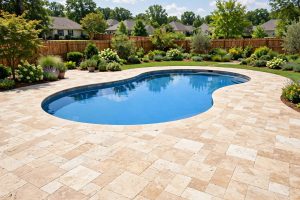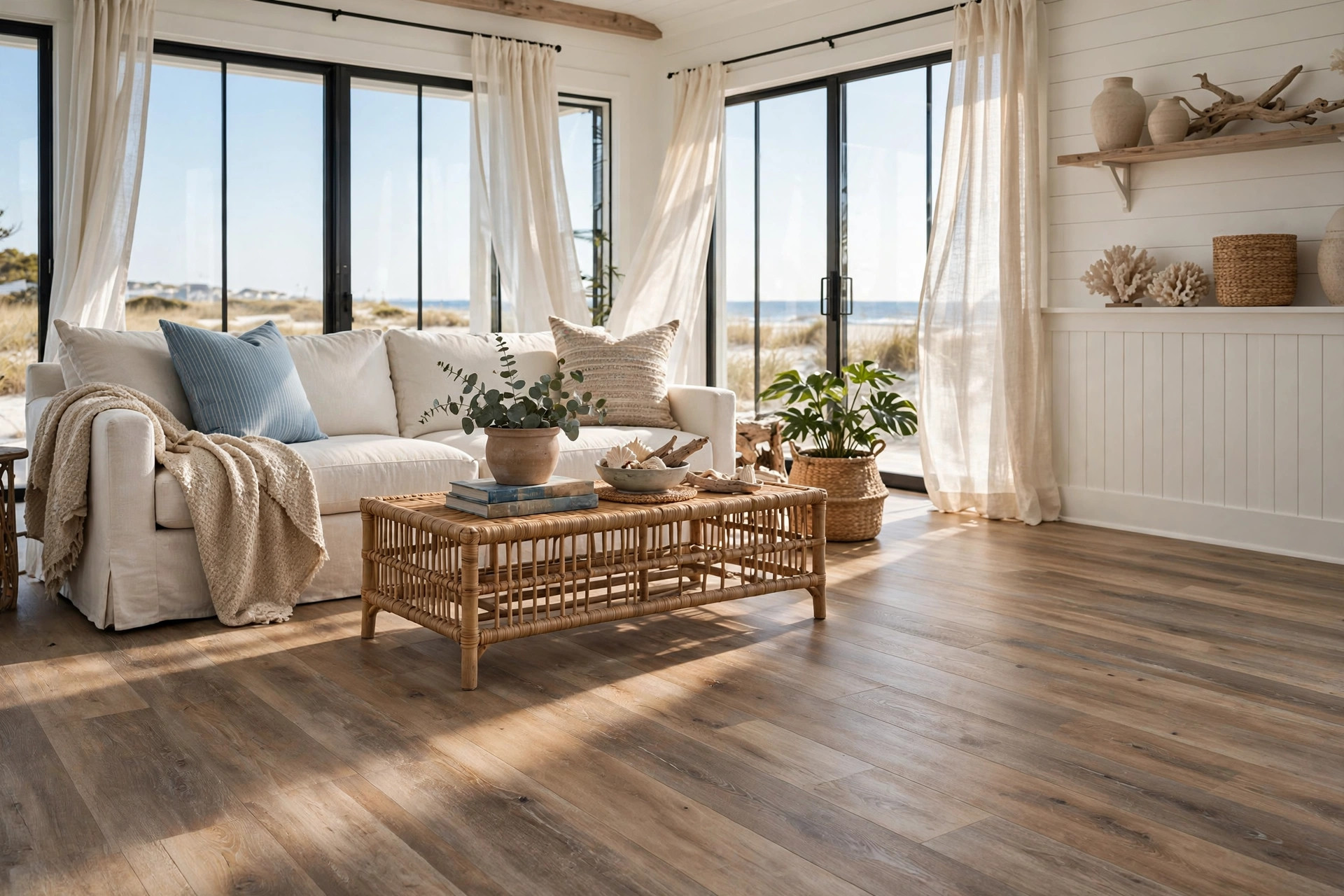

Living near the sea changes how you think about a floor. Salt air drifts in through open windows. Damp air settles into rooms each morning. Sand rides in on shoes and swimsuits. Ordinary wood floors can buckle, cup, and stain under such daily wear. That is why moisture resistant flooring for coastal homes deserves careful study before you buy. A good floor can last for decades by the water. A poor one can fail in a single wet season.
This guide walks through the choices in plain terms. It covers why water matters, what to look for, the main types on the market, what they cost, how to care for them, and how to keep them safe. By the end, you will know how to pick a floor that stands up to the coast.
Why Moisture Resistance Matters by the Sea
A house near the coast lives with water. Humidity stays high for much of the year. Storms drive rain through small cracks. Guests drip through the hall after a swim. Even the air itself carries salt and damp.
Wood is the first victim. Solid hardwood soaks up moisture and swells. When it dries, it shrinks and leaves gaps. Over time the boards warp or cup at the edges. Paint and finish peel. Repairs get costly fast.
Floors that resist moisture avoid most of this trouble. They hold their shape through wet months and dry months alike. They do not feed mold. They clean up well after a day at the beach. For a coastal home, moisture resistant flooring is less a luxury than a sound investment in the life of the house.
How to Choose: What to Look For: Moisture Resistant Flooring for Coastal Homes
Read the Ratings
Most flooring products carry a moisture rating. Look for words like waterproof, water resistant, or moisture proof on the box or the maker’s spec sheet. Waterproof means the floor can sit in standing water for a set time without damage. Water resistant means it can handle splashes and spills, but not floods.
Check the warranty. A long warranty against water damage tells you the maker stands behind the claim. Read the fine print. Some warranties cover only the top surface, not the seams or the edges.
Think About the Whole Room
Floors fail at the edges. Water creeps under boards through open seams. It soaks into the subfloor from below. Ask how the product is installed. Click-lock planks that fit tight leave fewer gaps. Glued-down tile or sheet goods leave almost none.
Also think about the subfloor. Concrete slabs in ground-floor coastal rooms can wick up damp from below. A good vapor barrier or underlayment makes a real difference. Flooring retailers such as Home Depot and Lowe’s carry a wide range of underlayments made for damp sites.
Match the Room to the Floor
Entryways, kitchens, baths, and laundry rooms take the most water. Choose the toughest option for these rooms. Bedrooms and living rooms see less water, so you have more choice. Many owners use one flooring through the main living areas for a clean look, and a tougher tile in the wet rooms.
Types of Moisture Resistant Flooring
Luxury Vinyl Plank
Luxury vinyl plank, often called LVP, is the most popular pick for coastal homes. It looks like wood but contains no wood at all. Most LVP is fully waterproof. It handles spills, wet feet, and mopping without harm.
LVP comes in planks or tiles. The planks click together and float over the subfloor. Installation is simple enough that many owners do it themselves. Makers like Shaw Floors and Mohawk offer wide lines in wood and stone looks.
The downsides are few. Cheap vinyl can dent under heavy furniture. Very hot sun through glass doors can fade some colors. Choose a thick wear layer, at least 12 mil, for the best life.
Ceramic and Porcelain Tile
Tile is the old champion of wet places. Porcelain tile, which is denser than standard ceramic, takes in almost no water. It laughs at sand, salt, and sun. A tile floor can last for fifty years with basic care.
Tile suits baths, kitchens, entries, and even whole living areas in hot climates. Wood-look porcelain gives a coastal feel without the risk of real wood. Suppliers such as Daltile publish guides on picking the right tile for damp settings.
Tile is cold underfoot and hard to stand on for long. Area rugs help. Installation costs more than vinyl because it takes skill and time. Grout needs sealing, or it will stain and grow mildew.
Waterproof Laminate
Laminate once had a poor record near water. New waterproof laminate is a different product. Its core resists swelling, and its seams lock tight. It looks very much like real wood, often more so than vinyl.
Waterproof laminate costs less than many vinyl lines. It feels firmer underfoot. However, it is water resistant rather than fully waterproof in most cases. Standing water should still be wiped up soon. Check the maker’s rating before you trust it in a bath.
Engineered Hardwood with Moisture Guards
Some buyers want real wood. Engineered hardwood uses a thin layer of real wood over a stable core. Certain lines add moisture guards at the seams. These floors handle humidity better than solid hardwood.
Even so, real wood and the sea are uneasy partners. Keep it out of baths and laundry rooms. Wipe spills at once. If you love the look, use it in bedrooms and living rooms, and choose a tougher floor where water lands.
Natural Stone
Slate, travertine, and similar stones handle water well. They give a high-end coastal look. Stone stays cool in warm weather, which many owners like.
Stone is heavy and costly to install. Some stones need sealing every year or two. Polished stone gets slippery when wet, so pick a textured finish for safety.
Cost and Price
Prices vary by region and by store, but typical ranges help you plan.
– Luxury vinyl plank: 2 to 7 dollars per square foot for materials. Installation adds 2 to 4 dollars per square foot if you hire out. – Ceramic and porcelain tile: 1 to 10 dollars per square foot for materials. Installation adds 4 to 10 dollars per square foot. – Waterproof laminate: 2 to 5 dollars per square foot for materials. Installation is often 2 to 3 dollars per square foot. – Engineered hardwood: 4 to 10 dollars per square foot for materials. Installation adds 3 to 6 dollars per square foot. – Natural stone: 5 to 15 dollars per square foot for materials, with installation on top.
A whole-house job for a 1,500 square foot home can run from 8,000 dollars for basic vinyl to 30,000 dollars or more for tile or stone with hired labor. To keep the budget in check, many buyers watch for seasonal sales. Our guide to the best time to buy flooring on sale usa explains when prices tend to drop. Flooring shops like LL Flooring run regular promotions worth comparing.
Do not forget the small costs. Underlayment, trim, transitions, and grout add up. Removal of the old floor can cost 1 to 3 dollars per square foot. Get a written quote that lists every line item.
Care and Upkeep
A moisture resistant floor still needs care. Sand is the silent enemy. Tiny grains grind into the surface with each step. Place mats at every door. Sweep or vacuum often. A soft broom or a vacuum with the beater bar off works best.
Mop with a damp mop, not a soaking one. Most vinyl and laminate makers warn against steam mops, which can force water into seams. Use a cleaner made for your floor type. Plain water and a mild cleaner handle most messes.
Reseal grout lines on tile floors every one to two years. Check caulk around tubs and at the base of walls. Fresh caulk keeps water from slipping behind the floor. In humid months, run the air conditioner or a dehumidifier. Keeping indoor humidity between 30 and 50 percent protects floors and the whole house.
For stairs that meet new floors, matching treads matter. See our notes on hardwood stair treads installation cost usa if your project includes a stairway.
Safety
Wet floors are slippery floors. This matters most in homes with children, older people, or guests fresh from the pool. Choose flooring with a good slip rating. Look for a dynamic coefficient of friction, or DCOF, of 0.42 or higher for wet areas. Many tile and textured vinyl products meet this mark.
Glossy finishes look nice but slide when wet. A matte or textured finish grips better. In baths, pair the floor with grab bars and non-slip mats. Keep walkways clear of loose rugs that can slide. Rugs with rubber backing stay put.
Salt water leaves a film that makes some floors slick. Rinse sandy feet at an outdoor shower or hose before coming inside. Wipe up tracked water at once, especially on stairs and entries.
FAQ
Is vinyl plank really waterproof?
Most luxury vinyl plank is rated waterproof. It can stand in water for hours without harm. Still, water can seep under the floor through the edges and damage the subfloor. Wipe up large spills soon. Always read the maker’s written rating.
Can I install new flooring over old tile?
Often yes. Vinyl plank and some laminates can float over clean, level tile. The old tile must be firm, with no loose pieces. High spots and cracked grout lines can telegraph through thin vinyl, so level the surface first. Ask the maker if your warranty stays valid over old tile.
What is the best flooring for a beach house rental?
Rental homes take hard use. Luxury vinyl plank is the common pick. It resists water, cleans fast between guests, and costs less to replace than tile. Choose a medium-tone wood look that hides sand and scuffs. Keep spare planks on hand for quick repairs.
Does coastal air damage flooring?
Salt air alone rarely harms waterproof floors. It can dull some finishes over time and corrode metal transition strips. Wipe floors often and choose trim in rust-proof materials. Real wood floors suffer more, as salt and damp speed up finish wear.
How long does moisture resistant flooring last?
Luxury vinyl plank often lasts 15 to 25 years in a home. Porcelain tile can last 50 years or more. Waterproof laminate usually lasts 15 to 20 years. Care, sun exposure, and the quality of the install all shape the real life of the floor. Sites like The Spruce and This Old House publish care guides that help floors reach their full life.
Should bathrooms get a different floor than the rest of the house?
Many owners use tile in baths and vinyl or laminate elsewhere. Tile handles daily soaking best. If you want one floor through the whole home, pick a fully waterproof vinyl or porcelain tile. For shower walls, our review roundup of the best tile for shower walls reviews usa covers top-rated options.
A Short Final Word
A coastal home asks more of its floors than an inland one. Damp air, sand, salt, and wet feet test every seam. Moisture resistant flooring for coastal homes meets that test when you choose with care. Compare waterproof ratings, match the floor to each room, and budget for proper installation. Then keep up with simple care: sweep the sand, mop with a damp mop, and reseal grout on time. Do these things, and your floors will welcome the sea air for years without fear of it.
References
Daltile. (n.d.). Ceramic and porcelain tile. https://www.daltile.com LL Flooring. (n.d.). Hardwood, vinyl, and tile flooring. https://www.llflooring.com Lowe’s. (n.d.). Home improvement products. https://www.lowes.com Mohawk Flooring. (n.d.). Flooring products. https://www.mohawkflooring.com Shaw Floors. (n.d.). Flooring products. https://www.shawfloors.com The Home Depot. (n.d.). Home improvement products. https://www.homedepot.com The Spruce. (n.d.). Home and garden advice. https://www.thespruce.com This Old House. (n.d.). Home renovation guidance. https://www.thisoldhouse.com
Was this guide helpful?

About Michael Thompson
The My Garden US editorial team writes practical, in-depth home and garden guides for American homeowners — tested advice, no fluff.
You May Also Like
Best Outdoor Tile for Screened Porch USA: A Practical Guide to Flooring That Lasts
October 4, 2026 0 views
Uncoupling Membrane for Tile Floors Reviews: What Holds Up in Real Homes
August 4, 2026 0 views
Wide Plank Hardwood Floors Cost USA: A Plain Guide to Prices in 2026
January 12, 2026 0 views