Rhubarb is the vegetable garden's most patient perennial - plant a crown once, and it can feed you tart spring stalks for decades with almost no care. It needs winter chill, rich soil, and one firm rule: never eat the leaves. Learning how to grow rhubarb is simple, but the plant rewards those who site it well and resist harvesting too early.
Table of Contents
Table of Contents

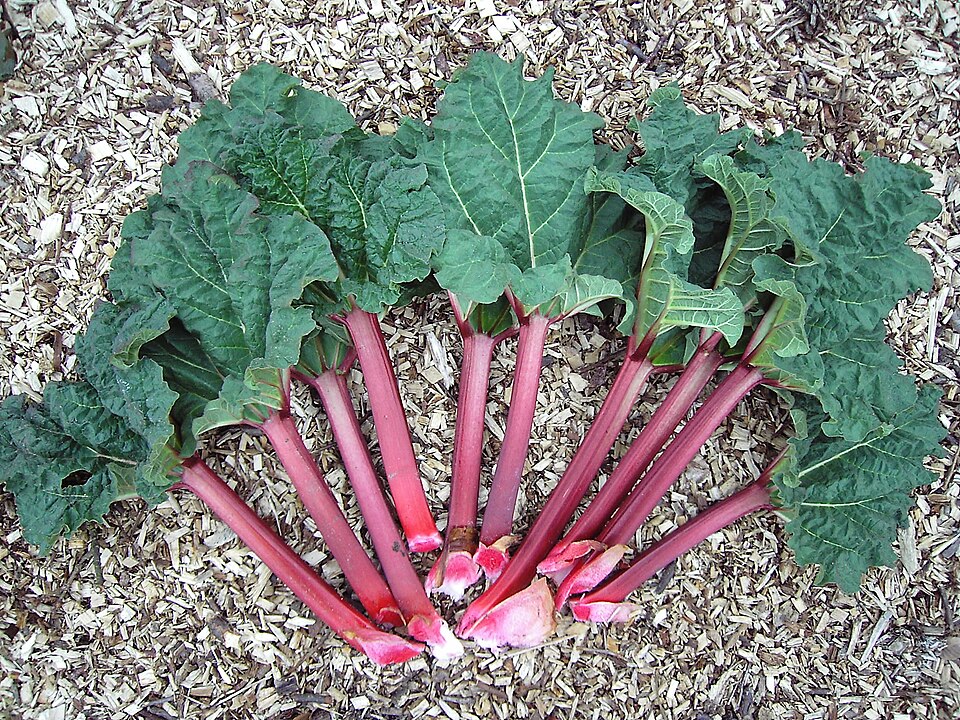
Photo: Wikimedia Commons
Rhubarb (Rheum rhabarbarum) suits zones 3 through 9 and needs full sun to part shade with rich, deep soil. It declines without winter chill and is not viable in the warmest zones - this is a plant for gardeners with real winters. Time your planting with the USDA zone planting dates on our planting calendar.
Choosing Varieties
When it comes to how to grow rhubarb, getting the details right makes all the difference.

Many homeowners find that how to grow rhubarb is easier than they expected once they know the basics.
Canada Red and Crimson Cherry produce sweet, red stalks that need less sugar in cooking - the red color runs through the stalk, not just the skin. Victoria is the old standard: vigorous, productive, with greenish stalks that cook up perfectly well. Gardenia.net compares rhubarb varieties by stalk color. MacDonald is another red-stalked favorite for northern gardens, hardy and reliable.
Buy dormant crowns (root divisions) in spring from a reputable supplier - one crown per person is plenty, since a mature plant produces armloads of stalks. Gardeners who like perennial vegetables might also try cardoon, rhubarb's dramatic Mediterranean cousin. Look for crowns with firm, healthy buds; avoid dried-out or moldy stock. Like asparagus, rhubarb is a decades-long planting, so starting with named varieties from a good source pays off for years.
When and How to Plant
Many homeowners find that how to grow rhubarb is easier than they expected once they know the basics.
The key to how to grow rhubarb is choosing the right approach for your space and budget.
Plant dormant crowns in early spring, as soon as the soil can be worked. Set each crown with the buds 2 inches below the soil surface - too deep and emergence is slow; too shallow and the buds dry out or freeze. Space crowns 3 to 4 feet apart; mature plants are big, with leaves spanning several feet.
Choose a permanent spot at the edge of the garden or in a corner bed - rhubarb lives for decades once established and does not like moving. Dig a generous hole, work in plenty of compost or well-rotted manure, set the crown, firm the soil, and water deeply. Mulch heavily to hold moisture and suppress weeds. Clemson Cooperative Extension gives crown-planting depths for perennial vegetables. The Old Farmer's Almanac stresses choosing the site carefully since the planting is essentially permanent, and that is the best advice in this whole guide.
Planting Cheat Sheet
- Plant dormant crowns in early spring in a permanent spot.
- Buds 2 inches below the surface; space 3–4 feet apart.
- Enrich the hole generously with compost or aged manure.
- Water deeply and mulch heavily; full sun to part shade.
Soil and Sun
The key to how to grow rhubarb is choosing the right approach for your space and budget.
With a little planning, how to grow rhubarb can fit even a busy schedule.
Rhubarb wants rich, deep, well-drained soil - feed the planting hole generously, because a hungry start means a weak plant for years. Work several inches of compost or well-rotted manure into a wide area, not just the hole; the roots spread far. Full sun produces the most stalks, though rhubarb tolerates part shade in hot regions (where afternoon shade actually helps).
Good drainage is essential - crowns rot in waterlogged soil, the number one killer of new plantings. A pH between 6.0 and 6.8 suits it. Because the planting is permanent, take the time to prepare properly: remove perennial weeds completely before planting, since weeding around established crowns is awkward and hoeing risks damaging the shallow buds. The Old Farmer's Almanac advises thorough bed preparation for permanent plantings.
Watering and Feeding
With a little planning, how to grow rhubarb can fit even a busy schedule.
Before you start, it helps to understand how how to grow rhubarb works in real homes.
Water well the first season while roots establish - deep soakings that reach the developing root system. After that, rhubarb is fairly drought-tolerant, but stalks are thicker and juicier with steady moisture; water deeply during dry spells in spring when the harvest is forming. Even moisture through the growing season keeps plants vigorous.
Feed yearly: top-dress with compost or well-rotted manure each spring before growth starts, and the plants will thrive for decades on this simple regimen. This annual feeding is the entire fertility program - no mid-season side-dressing needed, no special fertilizers. A balanced fertilizer helps in poor soil, but compost alone sustains most plantings. Avoid piling fresh manure against the crown - it can burn the buds. Signs of hunger (thin stalks, pale leaves) usually mean the annual composting was skipped; resume it and the plant rebounds.
Care Through the Season
Before you start, it helps to understand how how to grow rhubarb works in real homes.
A good plan for how to grow rhubarb saves time, money, and frustration.
Do not harvest the first year - let the plant build strength undisturbed. This restraint is the hardest part of how to grow rhubarb and the most important; crowns harvested too young never develop properly. From year two on, harvest modestly, taking no more than a third of the stalks.
Always remove flower stalks promptly - snap or cut them at the base as soon as they appear. Flowering diverts energy from stalk production, and a plant allowed to bloom produces noticeably fewer and thinner stalks afterward. Some varieties flower more than others; removing the stalks is a few seconds' work that pays off all season.
Mulch yearly with compost, replenishing the layer each spring. A thick mulch does triple duty: it feeds the plant, holds moisture, and smothers weeds - and rhubarb, with its shallow buds, is one plant you never want to hoe around aggressively. Rhubarb has few pests: slugs may chew young leaves in wet springs, and crown rot comes from waterlogged soil - a drainage issue, not a pest. Divide crowded crowns every five years or so in early spring or fall if production declines: dig the clump, split it into pieces with at least one strong bud each, and replant.
The divisions make excellent gifts - a chunk of rhubarb crown is one of the most generous things a gardener can give, since it becomes a decades-long planting for the recipient too. Replant divisions immediately and water well; they establish faster than new nursery crowns.
The Leaf Rule
NEVER eat the leaves - they contain high levels of oxalic acid and are toxic. Only the stalks are edible. Compost the leaves freely (the oxalic acid breaks down in a hot compost pile) or use them as mulch, but keep them out of the kitchen and away from livestock. Teach children the rule clearly: stalks yes, leaves never. This is the single safety fact every rhubarb grower must know.
Harvest
A good plan for how to grow rhubarb saves time, money, and frustration.
For most people, how to grow rhubarb comes down to a few smart choices.
Harvest stalks when they are 12 to 18 inches long, pulling with a firm twist at the base - pull, do not cut. Pulled stalks heal cleaner than cut ones, leaving no stub to rot. Take outer stalks first, working around the plant, and never take more than a third of the plant at once so it keeps producing.
Trim off the leafy tops (into the compost) and use the stalks promptly - or refrigerate unwashed stalks for weeks until you are ready. Refrigerate unwashed stalks for weeks, or chop and freeze for year-round use in your favorite recipes - frozen rhubarb cooks up perfectly in pies, crumbles, and sauces, tasting just as bright as fresh. The classic pairing is strawberry-rhubarb pie, but rhubarb also makes superb jam, chutney, and a tart compote for yogurt. The Missouri Botanical Garden includes rhubarb in its edible landscaping guides.
A stalk left to flower steals the next month's harvest - so the flower-stalk patrol doubles as harvest management. And remember: a mature plant in a good year produces far more than one family eats fresh, so have the freezer bags ready. Rhubarb also makes excellent wine and cordial for the adventurous, and the tart juice, sweetened, is a refreshing spring drink that tastes like the season itself.
Troubleshooting
For most people, how to grow rhubarb comes down to a few smart choices.
If you are new to how to grow rhubarb, start with the simplest option and build from there.
Thin stalks every year. Overharvesting, hunger, or an old crowded crown. Harvest lightly, top-dress with compost, and divide if the crown is congested.
Plant flowers constantly. Some varieties are prone to it; heat stress also triggers blooming. Remove flower stalks promptly - it is normal maintenance, not a crisis.
Crown rot. Waterlogged soil. Improve drainage, plant new crowns on a mound, and never let the bed stay soggy.
No growth in spring. The crown may have rotted over winter (too wet) or dried out (planted too shallow). Check by gently uncovering - firm buds mean life; mush means replant.
Leaves chewed. Slugs, mostly. Trap or handpick on damp evenings; the stalks themselves are rarely damaged.
Stalks are green, not red. Variety trait, not a problem - green-stalked varieties like Victoria taste just as good. Red color does not indicate ripeness or sweetness.
Crown heaved out of the ground. Freeze-thaw cycles in exposed sites. Mulch heavily after the ground freezes in fall, and replant heaved crowns firmly in spring.
For gardeners in zones 3 through 9 with a sunny corner to spare, learning how to grow rhubarb means decades of spring harvests from a single planting day. Site it well, feed it compost, pull (never cut) the stalks, remove the flower heads, and never eat the leaves. It is one of the lowest-maintenance crops in the garden - and one of the most rewarding, returning every spring for decades from a single afternoon's planting.
References
If you are new to how to grow rhubarb, start with the simplest option and build from there.
University of Minnesota Extension. (n.d.). Growing rhubarb in home gardens. University of Minnesota. https://extension.umn.edu/
Clemson Cooperative Extension. (n.d.). Rhubarb. Clemson University. https://hgic.clemson.edu/
Old Farmer's Almanac. (n.d.). Growing rhubarb. Yankee Publishing. https://www.almanac.com/
USDA National Agricultural Library. (n.d.). Vegetable gardening resources. U.S. Department of Agriculture. https://www.nal.usda.gov/
When it comes to how to grow rhubarb, getting the details right makes all the difference.
Was this guide helpful?

About My Garden US
The My Garden US editorial team writes practical, in-depth home and garden guides for American homeowners — tested advice, no fluff.