Of all the lemon-scented herbs - lemon balm, lemongrass, lemon thyme - lemon verbena is the most intensely lemony. One crushed leaf perfumes a whole room, and the dried leaves make a tea that tastes like bottled sunshine. It is a tender shrub, not a hardy perennial, so learning how to grow lemon verbena means understanding its deal: glorious in summer, brought indoors (or heavily protected) for winter in cold climates.
Table of Contents
Table of Contents

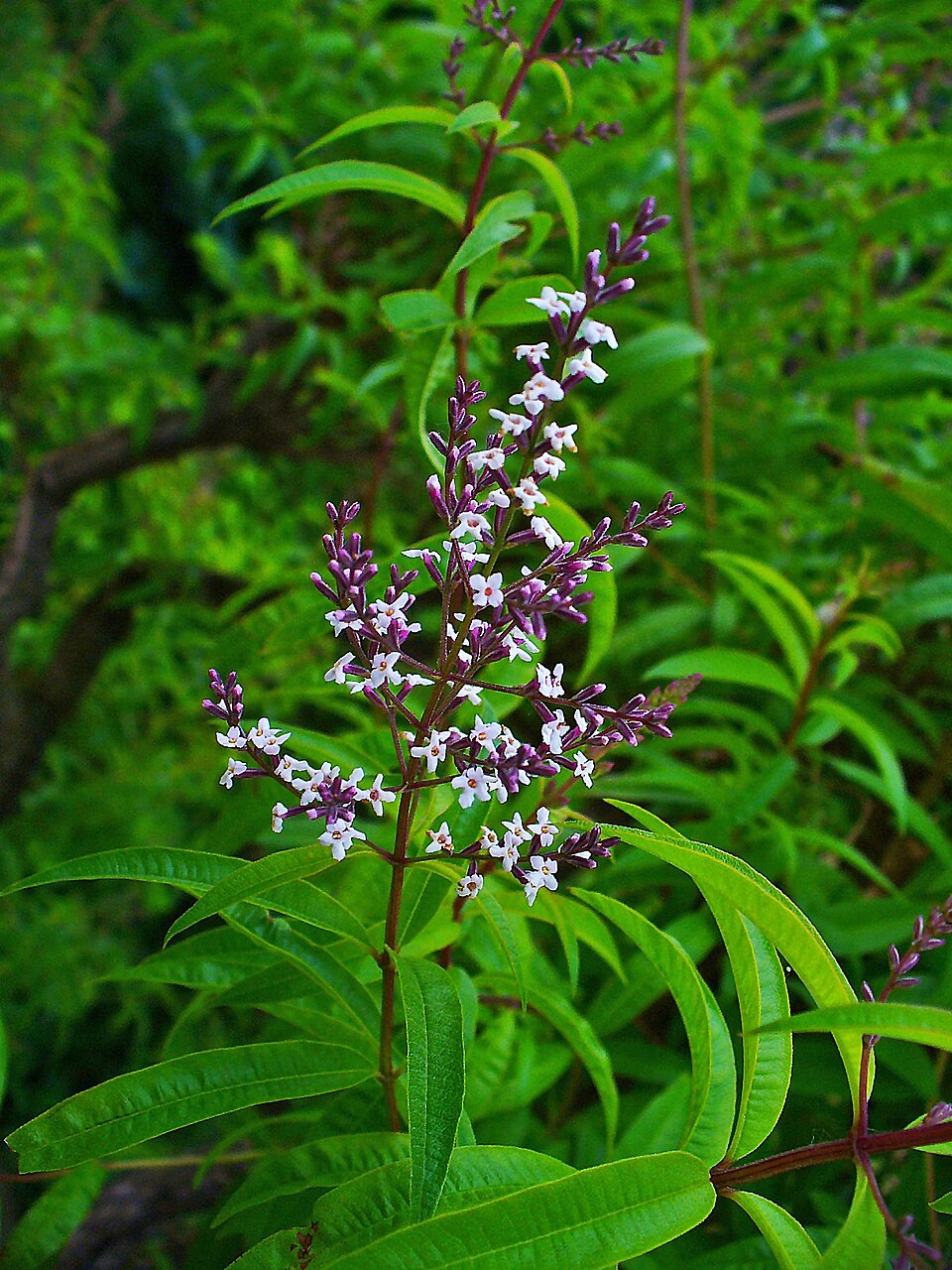
Photo: Wikimedia Commons
Lemon verbena (Aloysia citrodora) is hardy only in zones 8 through 11 - hard frosts kill it to the ground, and sustained freezes kill it entirely. Everywhere else, grow it in a pot and overwinter indoors. It needs full sun, rich well-drained soil, and regular water. Check the USDA zone planting dates on our planting calendar to time planting after nights turn reliably warm.
Choosing Plants
When it comes to how to grow lemon verbena, getting the details right makes all the difference.

Many homeowners find that how to grow lemon verbena is easier than they expected once they know the basics.
Start lemon verbena from transplants or stem cuttings - seed germination is poor and slow, and seedlings vary. Buy a healthy nursery plant in spring: look for bushy growth, unblemished leaves, and no signs of whitefly (check the leaf undersides). One plant is plenty for most households; a mature specimen in a large pot produces armloads of leaves.
There are no named varieties to choose between - the species is the herb, and its lemon intensity is consistent. Do not confuse it with lemon balm or lemongrass; verbena's narrow, rough-textured leaves in whorls of three or four are distinctive. For a hardier lemon herb grown as an annual, lemongrass is an easier option in cold climates. If a friend grows it, ask for cuttings in summer - they root readily in water or moist perlite, and a cutting-grown plant is identical to the parent. Gardenia.net profiles lemon verbena for container growing.
When and How to Plant
Many homeowners find that how to grow lemon verbena is easier than they expected once they know the basics.
The key to how to grow lemon verbena is choosing the right approach for your space and budget.
Plant out only when nights are reliably warm - about two weeks after your last spring frost, when nighttime temperatures stay above 50 degrees. Lemon verbena sulks in cold, wet soil, and an early planting in chilly ground sets the plant back for weeks. In a large pot (12 inches or more), use rich potting mix; in the ground in zones 8 through 11, plant in a sheltered spot with rich, well-drained soil, 2 to 3 feet apart.
This shrub loves heat and grows fast once warm weather arrives - a spring transplant can reach 3 to 4 feet by fall in a good year. Water in well at planting and mulch. In pots, ensure excellent drainage - a pot that stays soggy rots the roots. The Old Farmer's Almanac lists lemon verbena among tender herbs best grown in containers north of their hardy range, and the pot is genuinely the best home for most gardeners. Clemson HGIC covers overwintering tender herbs indoors.
Planting Cheat Sheet
- Plant after nights stay above 50°F (2 weeks after last frost).
- Start from transplants or cuttings - not seed.
- Full sun; rich, well-drained soil or large pots.
- Hardy only in zones 8–11; overwinter pots indoors elsewhere.
Soil and Sun
The key to how to grow lemon verbena is choosing the right approach for your space and budget.
With a little planning, how to grow lemon verbena can fit even a busy schedule.
Full sun for the strongest scent and sturdiest growth - at least six to eight hours. Rich, well-drained soil; in pots, a quality potting mix with compost. Lemon verbena is a heavier feeder than most herbs, and lean soil produces weak, pale plants with less scent - the opposite of the tough Mediterranean herbs like thyme that prefer poverty. The Missouri Botanical Garden details lemon verbena's cultural needs.
A neutral pH suits it. Good drainage is essential - roots in soggy soil rot, especially in the cool shoulder seasons. In the ground, plant on a slight mound if drainage is doubtful; in pots, ensure the drainage holes run free and never let the pot sit in a saucer of water. Mulch in-ground plants to hold moisture and keep the roots cool.
Watering and Feeding
With a little planning, how to grow lemon verbena can fit even a busy schedule.
Before you start, it helps to understand how how to grow lemon verbena works in real homes.
Water deeply when the top inch of soil dries - lemon verbena likes steady moisture and wilts dramatically when thirsty, though it usually recovers quickly. In pots in summer heat, this may mean daily watering; check every morning. Consistent moisture keeps the leaves tender and the growth coming; drought stress drops leaves and stalls the plant.
Feed lightly every few weeks through the growing season - a balanced liquid fertilizer or compost tea keeps this hungry shrub growing strongly. Pale, slow growth means hunger; verbena shows nutrient needs clearly and responds fast to feeding. Ease off in late summer so growth hardens before the indoor move (or winter, in mild zones).
Care Through the Season
Before you start, it helps to understand how how to grow lemon verbena works in real homes.
A good plan for how to grow lemon verbena saves time, money, and frustration.
Pinch stem tips regularly for a bushy plant - unpruned stems grow tall, leggy, and bare at the base, while pinched plants branch into dense, leafy shrubs. Start pinching when the plant is 6 inches tall and continue all season; every pinch doubles the growing tips. Cut back by half in midsummer for a flush of fresh, tender growth - the second flush is often the best harvest of the year.
In cold regions, bring pots indoors before the first frost - even a light frost damages the leaves, and a hard freeze kills the plant. Indoors, give the brightest spot available; the plant may drop leaves in winter dormancy, which is normal - keep the soil barely moist and wait. It resprouts from the woody stems in spring when warmth and light return. Watch for whiteflies and spider mites, especially on indoor plants - inspect regularly, blast off with water, and isolate affected plants.
In zones 8 through 11, in-ground plants may die back in hard winters and resprout from the roots in spring - mulch the crown heavily after the first frost for insurance, and do not assume a leafless plant is dead until well into spring. Prune out dead wood in spring once new growth shows clearly where life remains; cutting too early risks removing wood that would have resprouted.
Overwintering Indoors, Step by Step
- Before first frost, cut the plant back by a third and inspect for pests.
- Move to the brightest indoor spot; a sunny window or grow light.
- Water sparingly - barely moist, not wet - through winter.
- Expect leaf drop; it is dormant, not dead. Watch for whiteflies.
- In spring, after nights warm, harden off gradually and move back out.
Harvest
A good plan for how to grow lemon verbena saves time, money, and frustration.
For most people, how to grow lemon verbena comes down to a few smart choices.
Harvest leaves once the plant is a foot tall, picking in the morning when the lemon scent is strongest - that is when the essential oils peak. Strip individual leaves or snip stem tips; regular harvesting is the same as pinching, keeping the plant bushy. Never strip more than a third of the plant at once.
Strip leaves and dry them quickly in a warm, airy, dark spot - dried lemon verbena keeps its fragrance for months in sealed jars, unlike many herbs that fade. The tea is the classic use: steep a teaspoon of dried leaves per cup for the purest lemon flavor of any herb tea. Use fresh leaves in drinks, desserts, and salads; bruise leaves and tuck them into sugar for lemon-scented sugar, or into linens for the old-fashioned sachet.
The midsummer cutback produces the best drying harvest - tender, strongly scented leaves in bulk, at the peak of the plant's vigor. Dry them promptly in a warm, dark, airy spot; slow drying in humidity dulls the scent that makes this herb special. A single large plant, cut back twice a season, fills several jars - more than most households use in a year, which makes lemon verbena a generous gift herb. The Old Farmer's Almanac has herb-drying guidance for home growers.
Troubleshooting
For most people, how to grow lemon verbena comes down to a few smart choices.
If you are new to how to grow lemon verbena, start with the simplest option and build from there.
Leaves dropped indoors in winter. Normal dormancy - keep barely moist and wait for spring resprouting. Do not overwater a leafless plant; rot follows.
Whiteflies on indoor plants. Inspect leaf undersides regularly; blast off with water, use yellow sticky traps, and isolate infested plants. Prevention (inspection before bringing indoors) beats cure.
Leggy, bare stems. Never pinched. Cut back hard - the plant resprouts vigorously from woody stems - and pinch regularly thereafter.
Pale, slow growth. Hunger or cold soil. Feed lightly every few weeks in warm weather; do not plant out until nights are reliably warm.
Killed by frost. Planted out too early or left out too late. In zones below 8, the pot-and-indoors routine is mandatory - this shrub does not forgive freezes.
Spider mites indoors. Dry indoor air invites them. Mist regularly, inspect often, and blast off with water at the first sign of stippled leaves.
For gardeners everywhere - in pots north of zone 8, in the ground south of it - learning how to grow lemon verbena delivers the most intensely lemony herb in the garden, for tea, cooking, and scent. It is the herb guests always ask about, crushing a leaf and marveling at the perfume. Plant after the nights warm, pinch relentlessly, feed lightly, harvest in the morning, and bring it in before frost - the simple routine behind the best lemon herb there is. The winter windowsill, brushed on the way past, smells like summer - and reminds you why the pot comes indoors every single fall without fail, truly.
References
If you are new to how to grow lemon verbena, start with the simplest option and build from there.
When it comes to how to grow lemon verbena, getting the details right makes all the difference.
Missouri Botanical Garden. (n.d.). Aloysia citrodora. https://www.missouribotanicalgarden.org/
University of Minnesota Extension. (n.d.). Growing herbs in home gardens. University of Minnesota. https://extension.umn.edu/
Old Farmer's Almanac. (n.d.). Growing herbs. Yankee Publishing. https://www.almanac.com/
Gardenia.net. (n.d.). Aloysia citrodora (Lemon Verbena). https://www.gardenia.net/
When it comes to how to grow lemon verbena, getting the details right makes all the difference.
Was this guide helpful?

About My Garden US
The My Garden US editorial team writes practical, in-depth home and garden guides for American homeowners — tested advice, no fluff.
You May Also Like
Pothos Plants Bulk USA Online Deals: A Practical Guide for Buyers
March 8, 2026 16 views
Wildflower Seed Mixes USA Online Deals: How to Buy Well and Pay Less
August 11, 2026 22 views
How to Grow New England Aster: Fall Color
October 14, 2026 17 views